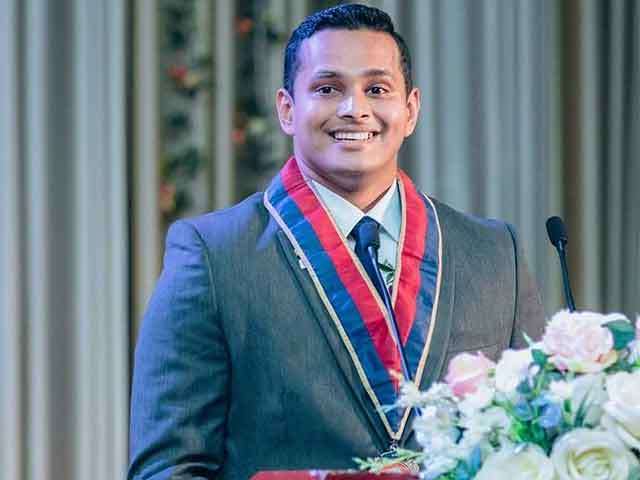
A Quarter-Century of Compassion with LAF In conversation with Prof. Shehan Williams
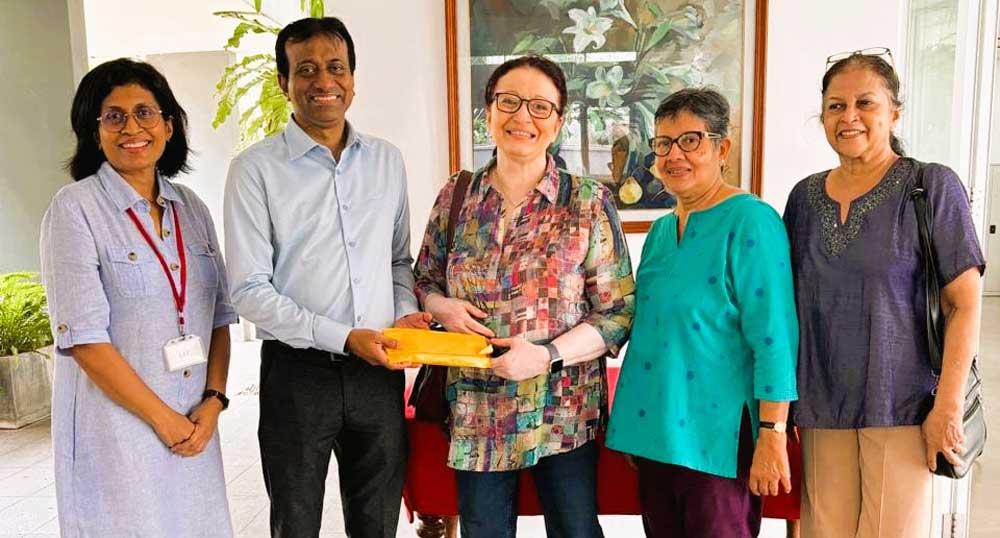
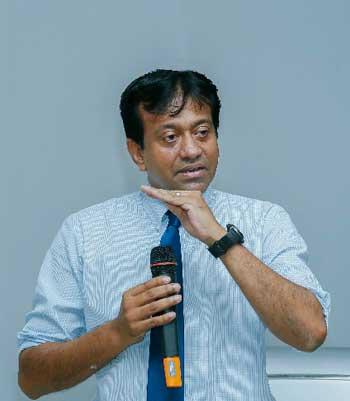 |
| Prof. Shehan |
By Thaliba Cader
As the Lanka Alzheimer’s Foundation (LAF) marks a quarter-century of steadfast devotion to persons living with dementia and their families, it stands as a beacon of hope, compassion, and community resilience. Founded in 2001 by visionaries Lorraine Yu and Tami Tamitegama, LAF has blossomed from humble beginnings into Sri Lanka’s foremost community-based, non-profit organization dedicated solely to dementia care, offering free services that include an Activity Centre, caregiver training, memory screening, and public education. Guided by the thoughtful leadership of Prof. Shehan Williams, President of LAF, the Foundation has expanded its reach, nurtured volunteers, and forged meaningful connections with local communities and global partners such as Alzheimer’s Disease International. Under his stewardship, LAF continues to embody a philosophy of dignity, empathy, and holistic support, transforming the lives of those touched by dementia. To mark this milestone, LAF will host a special fundraising choral concert, One Heart, One Voice, on 22 March 2026 at the Lionel Wendt Theatre. Featuring the Soul Sounds Academy Community Choir and special performances by Sri Lanka’s premier female ensemble, Soul Sounds, the evening promises an immersive celebration of music, memory, and humanity. Music therapy, long recognized as a bridge to the hearts and minds of persons living with dementia, forms the soul of this concert, easing anxiety, stirring memories, and creating moments of joy that words alone cannot capture.
- Prof. Williams, could you share your journey to becoming President of the Lanka Alzheimer’s Foundation and what personally inspired you to take on this role?
Dementia is an unseen global epidemic affecting millions of older adults. There is little attention given to this issue in Sri Lanka, despite Sri Lanka having the fastest ageing population in South Asia. Doing my post-graduate studies in Psychiatry, I realized it was an important area of specialization and thus devoted a significant period of my time researching this with the Oxford Project to Investigate Memory and Ageing (OPTIMA). On my return to Sri Lanka, I was naturally inspired to join with Lorraine Yu to advocate and raise awareness on dementia and support the setting up of dementia services in Sri Lanka.
- Looking back at LAF’s 25-year history, what do you consider the most significant milestones in its evolution since its founding by Lorraine Yu and Tami Tamitegama in 2001?
I believe that the setting up of the model Activity Centre in Maradana in 2011 was a significant milestone for LAF. It is a dementia-friendly space for persons with dementia to meet and be actively involved in keeping themselves engaged and happy, while also giving respite and support to family caregivers. - How has the Foundation’s membership in Alzheimer’s Disease International (ADI) since its inception shaped its approach to dementia awareness and care in Sri Lanka?
Membership with ADI was to align ourselves with global perspectives and to share experiences with other like-minded organizations around the globe. We are nevertheless very much an independent and local organization, grounded in our own context and culture, with our own ethos for supporting persons with dementia and their caregivers.
- Volunteerism has been a cornerstone of LAF’s operations. Could you elaborate on how volunteers are trained, supported, and integrated into the Centre’s activities, and why this model is so effective?
LAF’s services are offered free of charge to anyone and everyone, including persons with dementia and their family caregivers. Lorraine Yu scrupulously raised money for the cause on this promise, and we have fiercely guarded this ethos, as money should not be a determinant of access to our services. Dementia is no respecter of persons; it affects people across all spheres of society. Thus, to minimize costs we drew on community voluntarism. We have many wonderful people in this country who are willing to give their time and energy voluntarily for a worthy cause. Our volunteers are an amazing group who work together as a family, attending our Activity Centre weekly, joining clients in various activities thoughtfully curated for them each day, offering friendship and companionship in an empathetically caring environment. To be a volunteer, you need to commit to spending a day a week at the Activity Centre. The only qualification required is warmth, empathy, patience, and a sincere heart for caring for senior citizens. Believe me, this is not a qualification everyone possesses. Once enrolled, volunteers are trained on the job, as we have senior volunteers, some of whom have been with the organization since its inception 25 years ago. We have a volunteer training pack and also regular volunteer training days where we invite experts on caregiving and dementia to keep volunteers up to date on best practices.
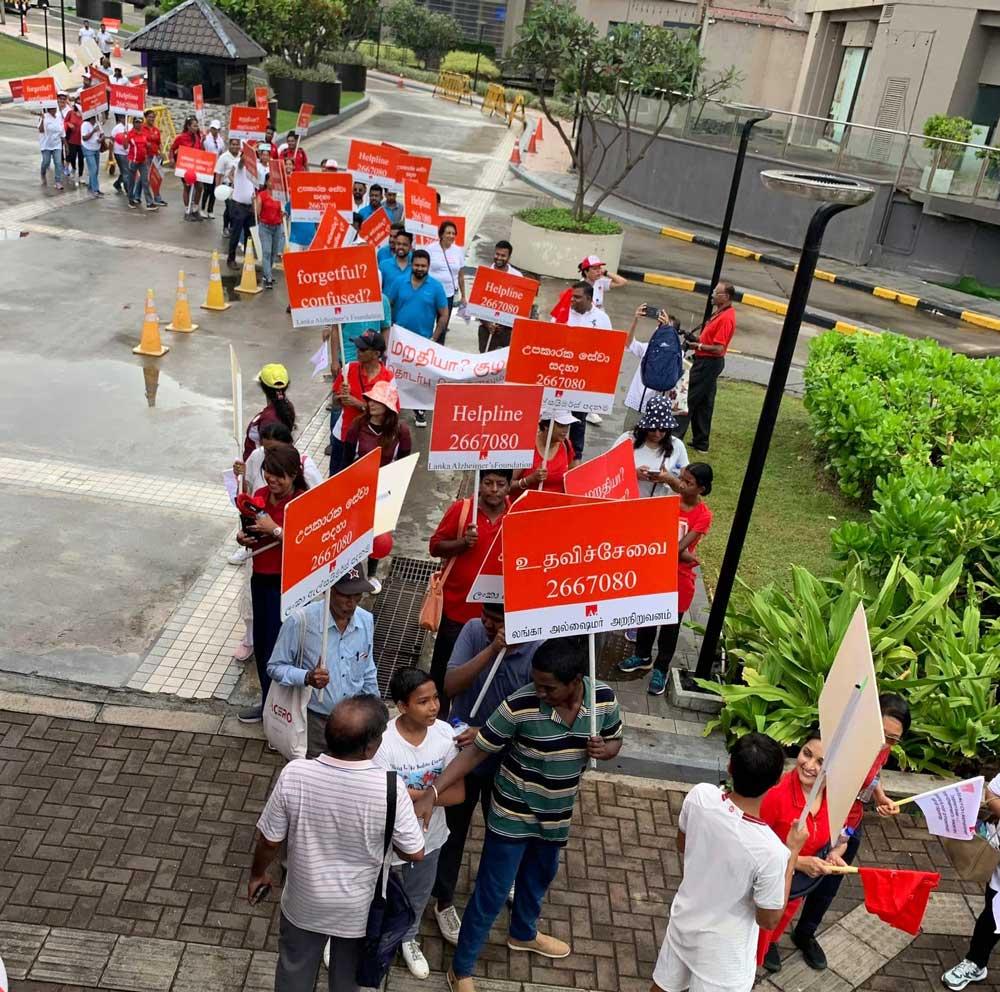
- Could you discuss the significance of LAF’s awareness programs, such as the Memory Walk and educational workshops, and how they have influenced community engagement and policy advocacy over the years?
Knowledge is power, as you know. There is so much misunderstanding and confusion surrounding dementia. Disseminating the correct knowledge and understanding about the disease is our core mandate. Our website, available in English, Sinhala, and Tamil, has up-to-date information that any layperson can understand. We also have a 24-hour hotline accessible for information on dementia. We conduct community awareness programs across the country, taking the message of dementia to elder communities and working with them to support persons with dementia in their own communities.
- In a country where dementia is still often misunderstood, how does LAF approach national advocacy, including partnerships with the Ministry of Health, universities, and international organizations?
We are advocating for a National Dementia Policy for Sri Lanka along with the World Health Organization. We believe this is a priority and are hopeful that the government will develop this plan through the Ministry of Health in the near future.
- Looking forward, what are the primary goals and innovations LAF seeks to implement under your presidency, particularly as it celebrates its 25th anniversary?
Expanding our reach to every community in the island would be our ultimate goal. The way we treat our older citizens, particularly as they develop disabilities due to conditions like dementia, will without doubt reflect the true nature of a community or a nation. We will work toward helping every older citizen live with purpose, keeping dementia at bay and facing dementia with dignity if they are affected by it.
- For individuals, families, and institutions wishing to support LAF’s mission, what avenues of involvement volunteering, donations, or advocacy. Would you recommend as most impactful?
Understanding and supporting persons with dementia is everyone’s business. We need to make ourselves aware of the condition so that we can initially help those near and dear to us. Many of us will one day be affected by this condition. So will many of our family members. We encourage even young schoolers to join as student volunteers to inculcate in them the spirit of caregiving and supporting elders with dementia. Everyone needs to educate themselves first on the condition and start conversations on the preventable risk factors that have to be implemented from a young age.
- LAF has been a member of Alzheimer’s Disease International (ADI) since 2001, benefiting from its global knowledge and advocacy. How has this international affiliation shaped LAF’s approach to dementia awareness and care in Sri Lanka?
We value the technical exchanges we have with ADI. It helps us keep up to date on global initiatives and knowledge. We are, however, a local organization. We have no external financial support and sustain our work through donations extended by well-wishers, mostly Sri Lankans. LAF retains its local roots. It strengthens especially family caregivers and communities. We believe that as Sri Lankans we have our own strengths derived from family attachments and culture. It is in this backdrop that our operation thrives. In fact, we are perhaps the only organization that has volunteerism at its core.
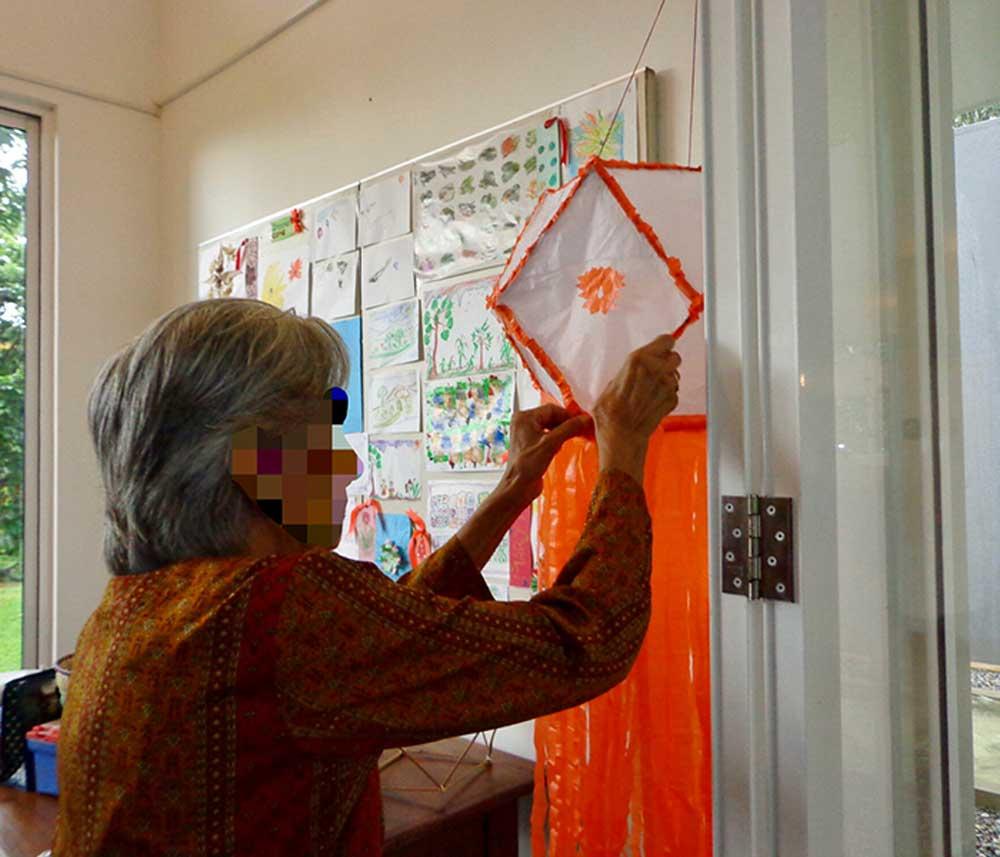
- Similarly, LAF’s practical training for speech therapy students allows them to engage directly with clients. How do these hands-on experiences benefit both the students and the clients, and how have these programs evolved since their inception?
We are a reference point for many university courses including gerontology, geriatrics, caregiving, social care, speech, and occupational therapy. Medical students, speech therapists, doctors, nurses, and government officers regularly visit the Centre. We are happy to have placements of Speech and Language Therapy students at the University of Kelaniya regularly. While doing speech, language, and swallowing assessments with our clients, they also contribute to improving the quality of eating and communication of persons with dementia who attend our activities.
- The Activity Centre, established in 2012, provides a person-centered, therapeutic environment for clients. From your perspective, what has been the most impactful aspect of the Centre’s work in enhancing cognitive function and quality of life for persons living with dementia?
The most joyful experience is seeing the faces of clients light up when they participate in the activities. The music and dancing session is a highlight of the day, and it is wonderful to see them come alive, humming the tunes, clapping, tapping their toes, and joining in the dancing. Even the family members are impressed to see their parents doing things they never imagined them capable of at home.
- Finally, reflecting on LAF’s journey, the challenges overcome, and the lives touched, what message of hope or insight would you like to share with the wider public about dementia, caregiving, and community support in Sri Lanka?
Dementia is not just a medical condition; it is a journey that affects entire families and communities. Through the work of LAF, we have seen both the immense challenges and the extraordinary strength that exists within caregivers and families across Sri Lanka. Many caregivers quietly shoulder emotional, physical, and financial burdens, often without adequate recognition or support. Yet their dedication and love are deeply inspiring.
One of the most important lessons from LAF’s journey is that no one should face dementia alone. When communities come together with understanding, compassion, and practical support, the experience of caregiving becomes less isolating and more hopeful. Raising awareness about dementia helps reduce stigma, encourages early support, and empowers families with knowledge and resources. To the wider public, our message is simple: dementia is a shared social responsibility. By building more dementia-friendly communities, supporting caregivers, and showing patience and empathy toward those living with the condition, we can create a society where dignity and respect remain at the heart of care. Even small acts of kindness, understanding, and community solidarity can make a profound difference in the lives of people living with dementia and those who care for them. Together, we can ensure that every person affected by dementia in Sri Lanka feels seen, supported, and valued.