The Middle East Crisis: Sri Lanka’s Diplomatic Isolation and the High Cost of Abandoning Allies
By Damintha Gunasekera
In the rapidly escalating crisis in the Middle East, Sri Lanka has once again chosen a path of solitary detachment, forfeiting both strategic alliances and the diplomatic leverage needed to protect its core national interests. On 11 March 2026, the United Nations Security Council adopted Resolution 2817 - a GCC-led text condemning Iran’s attacks on Gulf states and Jordan. The resolution passed with unprecedented support: 135 countries co-sponsored it, including India, Bangladesh, Pakistan, the Maldives, Bhutan, Oman, Saudi Arabia, and virtually every major player in our region. Sri Lanka was conspicuously absent.
Foreign Minister Vijitha Herath offered the government’s sole public explanation: “We do not involve any country-specific resolution as a policy.” Yet, weeks later, Colombo has yet to clarify policy line to explain our reason for not co-sponsoring. No detailed statement from the Ministry of Foreign Affairs, no White Paper, no parliamentary briefing. This is not principled neutrality; it is diplomatic abdication at the precise moment our closest energy partners needed solidarity.
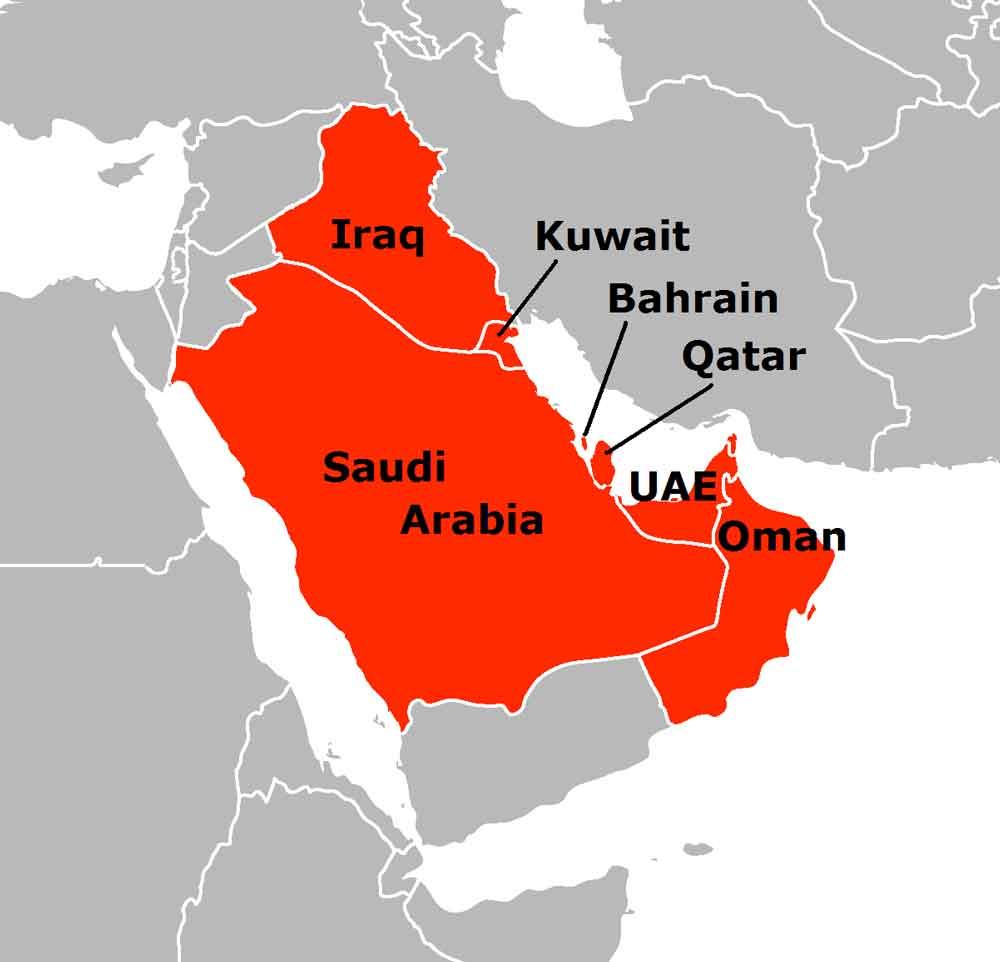
The Gulf Cooperation Council countries, Oman, Saudi Arabia, the UAE, Qatar and Kuwait, have stood with Sri Lanka repeatedly in the UN Human Rights Council when we faced international pressure. Their support was not abstract; it was tangible and consistent. In our hour of need, they delivered. When the GCC faced direct military threats, Sri Lanka turned its back. The message sent to Muscat, Riyadh and Abu Dhabi was unmistakable: our alliances are transactional and one-sided.
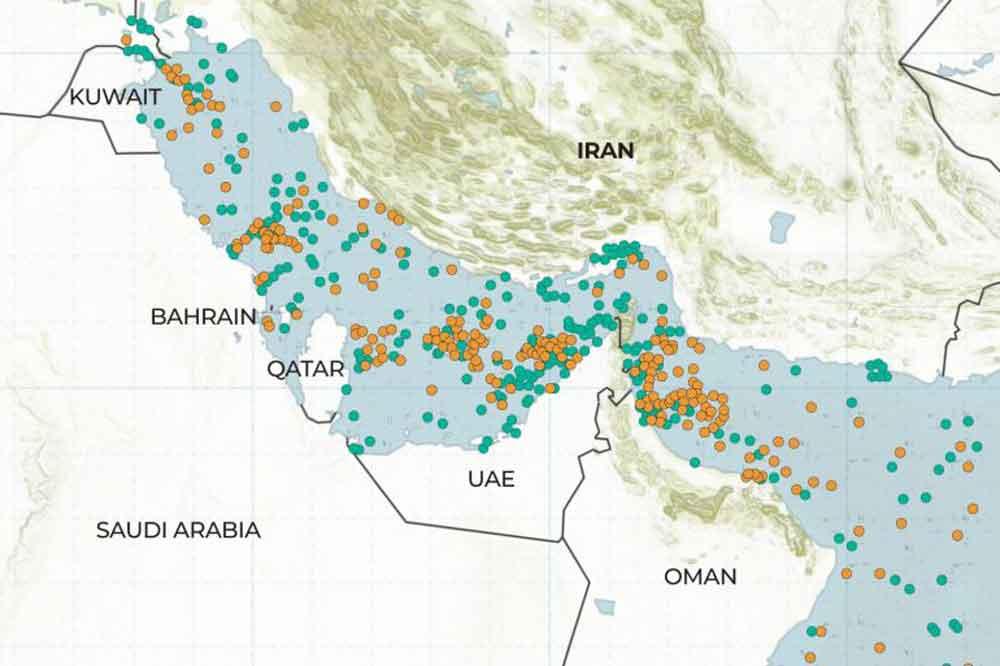
The consequences are not theoretical. Last year, nearly 70% of Sri Lanka’s LPG requirements came from Oman (56%) and Saudi Arabia (14.9%). For over 12 years, Litro Gas relied almost exclusively on OQ Oman. Oman’s ports lie outside the Strait of Hormuz, a geo-strategic advantage that has kept Omani and Saudi supplies flowing uninterrupted even as the conflict intensifies. These are not distant suppliers; they are the backbone of our energy security and household affordability. Yet in January 2026 we switched to a Swiss trading company for a marginal 45 cent saving per metric tonne, discarding long-standing relationships at the worst possible time.
Contrast this with how our regional neighbours have acted.
Bangladesh, facing identical energy vulnerabilities, moved swiftly. Through direct diplomatic engagement and back-channel requests, Dhaka secured an explicit Iranian assurance of safe passage for its oil and LNG vessels through the Strait of Hormuz. Bangladeshi ships now simply notify Iranian authorities in advance; a practical arrangement born of proactive diplomacy. Bangladesh also co-sponsored Resolution 2817. The result: uninterrupted energy flows for a nation still rebuilding its economy.
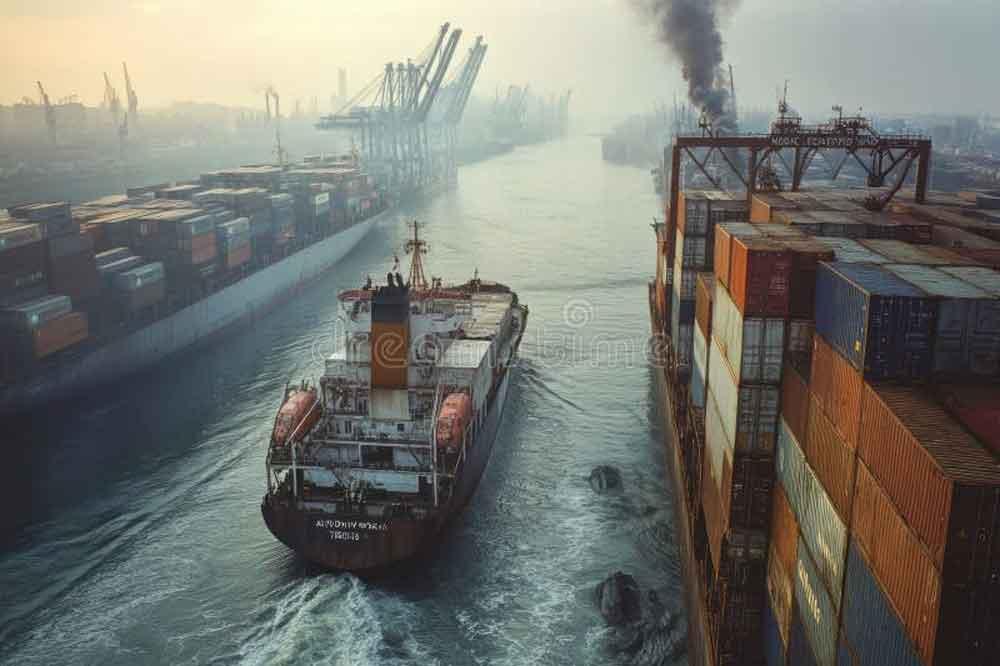
India went further. New Delhi co-sponsored the GCC resolution and simultaneously engaged Tehran at the highest levels. Indian Foreign Minister S. Jaishankar has publicly confirmed that diplomatic talks have already yielded results: two Indian-flagged LPG carriers successfully transited the Strait of Hormuz in recent days. India’s approach combined multilateral solidarity with bilateral pragmatism, exactly the kind of calibrated statecraft that protects national interests in turbulent times.
Sri Lanka, by contrast, stands empty-handed. We have no reported back-channel assurances from Iran. We have no reciprocal guarantees from Oman or Saudi Arabia. We have no clear strategy to shield our Gulf-dependent energy and fertilizer supply chains. While Bangladesh and India pulled diplomatic levers, co-sponsorship plus targeted engagement, Sri Lanka offered neither solidarity to its allies nor pragmatic outreach to the other side. The result is isolation in a region where energy security is now measured in diplomatic relationships, not tender bids.
This is not the first time Sri Lanka has missed an opportunity to assert leadership in the Indian Ocean and its extended maritime neighbourhood. But the current Middle East crisis is particularly unforgiving. The Strait of Hormuz remains the chokepoint for global energy; Oman and Saudi Arabia are emerging as the most reliable suppliers precisely because their infrastructure bypasses the most dangerous segments. By failing to stand with them when they faced attack, we have undermined the very relationships that could have delivered energy security for Sri Lankan families in the months ahead.
The government’s vague “country-specific resolution” policy cannot substitute for a coherent foreign policy. It has left our ambassadors in the Gulf without explanation, our energy importers without cover, and our people without reassurance. GCC diplomats have reportedly expressed deep disappointment; that sentiment will inevitably translate into hesitation on future investments, remittances, and trade preferences.
Sri Lanka cannot afford to be a passive spectator in the new geopolitics of energy. The Indian Ocean Region demands active, agile diplomacy; the very quality our leadership once aspired to project. Instead, we have chosen silence and isolation at the moment when pragmatic back-channel diplomacy by our neighbours is delivering tangible results.
It is still not too late for course correction. Colombo must issue a full policy clarification on the UNSC decision. It must urgently engage Oman and Saudi Arabia to reaffirm energy partnerships. And it must explore practical diplomatic channels, with both Gulf capitals and Tehran, to secure safe passage assurances for Sri Lankan-bound vessels, just as Bangladesh and India have done.
National interest is not served by standing alone. In the complex chessboard of Middle East geopolitics, Sri Lanka’s energy security and economic stability now hang in the balance. The government owes the country more than a one-line policy slogan. It owes us a strategy that protects our people rather than abandoning our allies.