BEYOND THE CROWN: HOW PRINCESS DIANA REDEFINED FASHION AND BECAME A TIMELESS STYLE ICON.
From her unforgettable royal gowns to her effortlessly modern street style, the late Princess of Wales transformed fashion into a powerful expression of individuality, confidence and cultural influence. There are fashion icons whose influence fades with changing trends, and then there are those whose style transcends generations. More than two decades after her death, Diana, Princess of Wales, remains one of the most recognizable and influential figures in modern fashion history. Her wardrobe, characterised by an extraordinary combination of elegance, experimentation and individuality, continues to inspire designers, celebrities and fashion enthusiasts around the world. Yet Diana's significance as a style icon extended far beyond the clothes she wore. At a time when royal fashion was governed by tradition, protocol and public expectation, she gradually developed a distinctive visual identity, using clothing to communicate confidence, independence and a changing understanding of what it meant to be a modern royal. In an industry where trends are constantly reinvented and go obsolete after a while, public figures are frequently celebrated for their appearance, Diana's enduring influence remains particularly remarkable. Her fashion choices were never confined to the expectations of royal protocol; instead, they reflected an evolving personality, a growing sense of independence and an unmistakable understanding of the power of visual expression. Whether appearing before world leaders in elaborate evening gowns or embracing understated streetwear during her private outings, she possessed an ability to make every appearance memorable. It was this rare combination of accessibility, sophistication and individuality that elevated her beyond royalty and established her as a defining figure in international fashion history.
FROM SHY ARISTOCRAT TO INTERNATIONAL FASHION FIGURE
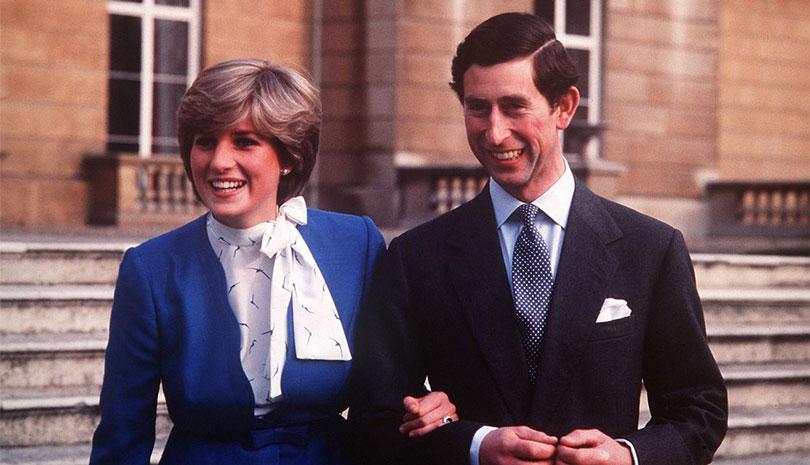
When Diana Spencer entered the international spotlight following her engagement to Charles, then Prince of Wales, in 1981, her early wardrobe reflected the conservative expectations associated with the British royal family. Her early public appearances were characterised by romantic silhouettes, high-necked blouses, pastel colours and carefully tailored outfits. However, as her confidence grew, so did her willingness to experiment with fashion. Working alongside designers such as Catherine Walker, Bruce Oldfield and Victor Edelstein, Diana gradually developed a wardrobe that balanced royal formality with personal expression. Her transformation was not simply a matter of changing trends; it reflected her growing understanding of fashion as a means of communicating identity.
THE DRESS THAT BECAME A CULTURAL MOMENT
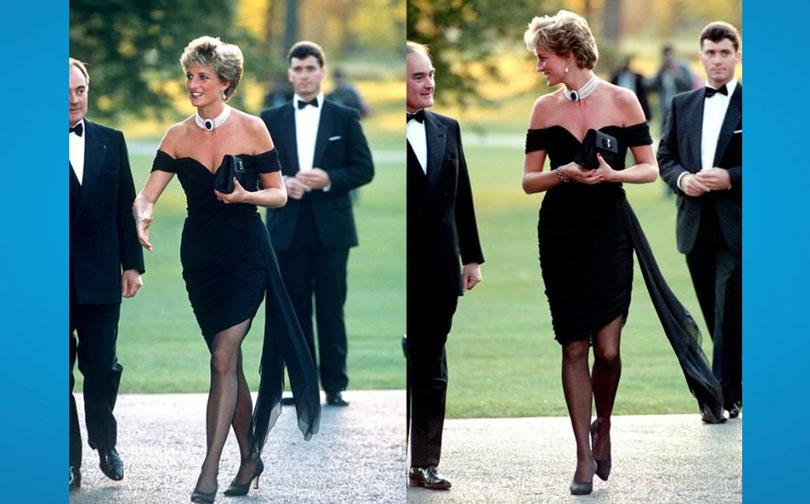
Perhaps no single outfit illustrates Diana's influence more powerfully than the black Christina Stambolian dress she wore to a Serpentine Gallery event in June 1994.
Widely known as the "Revenge Dress", the off-the-shoulder black evening gown attracted international attention when Diana wore it on the same evening that a television interview with Charles addressing his infidelity was broadcast. The decision to wear an unconventional, striking dress rather than a more traditional royal outfit became an enduring fashion moment. It represented a woman increasingly comfortable with defining her own public image rather than conforming to expectations imposed upon her. More than 30 years later, the dress remains a reference point in discussions about fashion, celebrity and personal identity. Its upcoming December 2026 auction has once again brought Diana's influence into international headlines.
THE TRAVOLTA DRESS AND THE GLAMOUR OF ROYAL FASHION
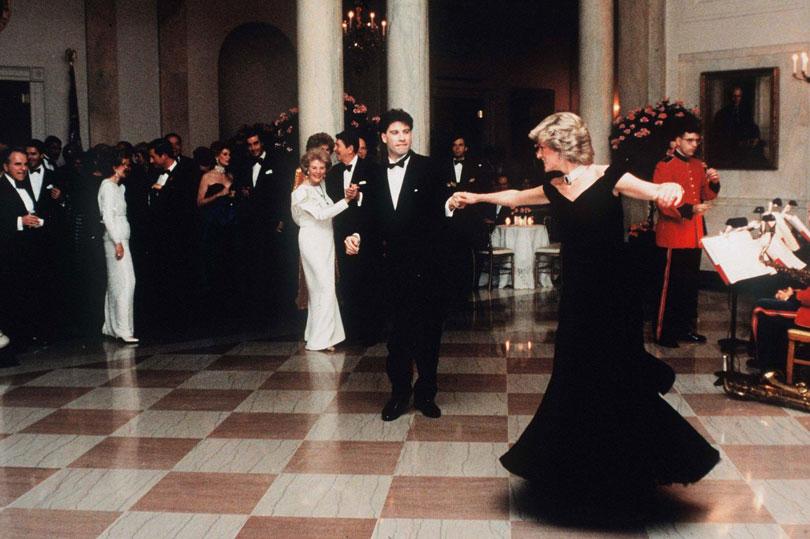
Another defining moment came during Diana's 1985 visit to the White House, where she attended a state dinner hosted by President Ronald Reagan. Wearing a midnight-blue velvet gown designed by Victor Edelstein, Diana famously danced with Hollywood actor John Travolta. The photograph became one of the most recognisable images of her public life. The gown, subsequently nicknamed the "Travolta Dress", demonstrated how fashion could create cultural moments that extended far beyond the occasion for which an outfit was originally designed. Her relationship with fashion was also characterised by an appreciation for designers and craftsmanship. From elaborate evening gowns to tailored suits, her wardrobe demonstrated an ability to move between traditional elegance and contemporary experimentation.
THE BIRTH OF A MODERN STYLE ICON
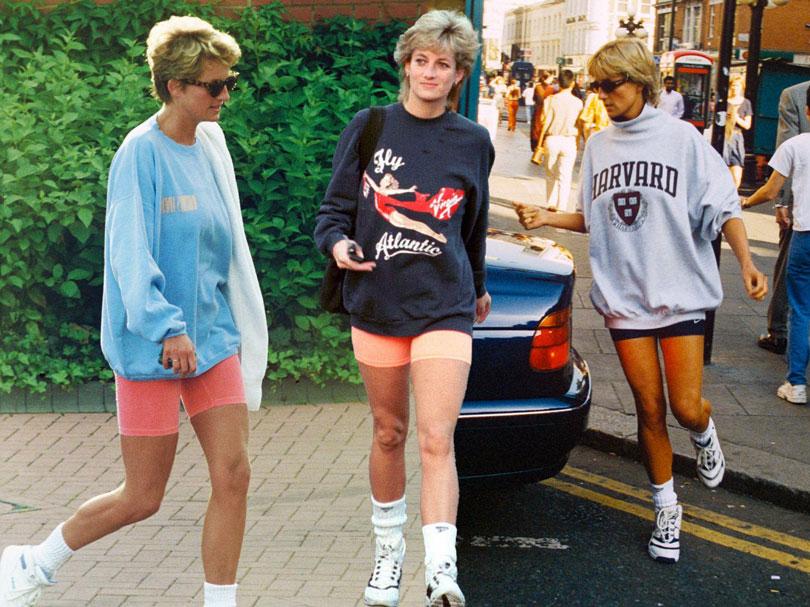
While Diana’s formal appearances often attracted considerable attention, it was perhaps her everyday wardrobe that made her particularly influential among younger generations, both then and now. Her effortless ability to combine elegance with simplicity transformed ordinary outfits into lasting fashion statements. Even decades after her passing, Diana’s style continues to inspire younger generations, with many still describing her fashion legacy in one word: “Iconic.” Oversized blazers, cycling shorts, sweatshirts, denim and baseball caps became defining elements of her off-duty style. These combinations, which balanced comfort with sophistication, anticipated trends that would later become prominent in contemporary streetwear. Her approach to casual dressing demonstrated that fashion did not necessarily require elaborate designs or extravagant accessories to make an impression. Even today, elements of Diana's 1990s wardrobe regularly reappear in contemporary collections and celebrity styling. Her influence can be seen in the continued popularity of oversized tailoring, relaxed sportswear and understated accessories.
A LEGACY THAT CONTINUES TO INFLUENCE FASHION
Diana's influence has not disappeared with the passage of time. Her wardrobe continues to attract international attention, with exhibitions, archival collections and fashion retrospectives introducing her style to younger generations.
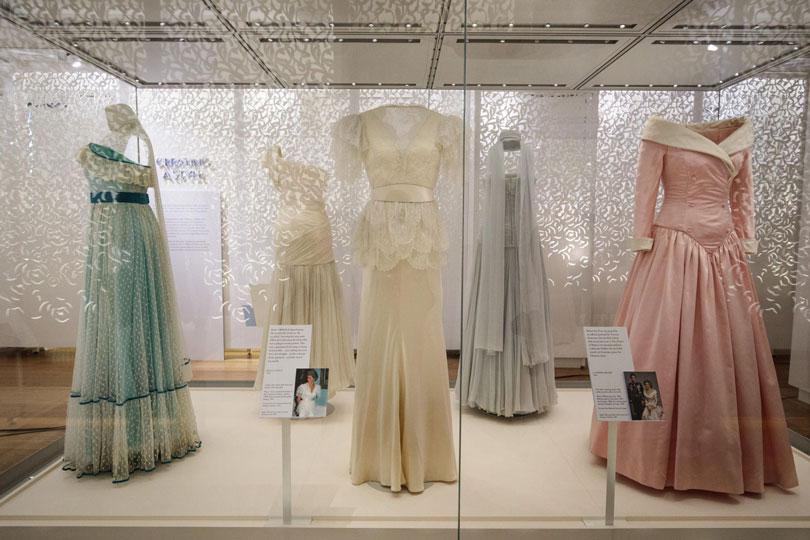
In November 2026, the Ronald Reagan Presidential Library opened the exhibition Diana: Love Life Legacy, A Life of Giving, featuring more than 700 original artefacts, including iconic dresses, accessories, personal possessions and historical documents. The collection includes the famous Travolta dress and her black sheep sweater. Her influence is also evident in the way contemporary members of the royal family reference her fashion choices, particularly through the re-wearing of outfits and the revival of classic silhouettes. However, Diana's legacy cannot be measured solely through the popularity of her wardrobe. Her ability to use clothing to communicate individuality, challenge expectations and establish a recognisable public identity remains an important part of her cultural significance.
MORE THAN A FASHION ICON
Ultimately, Diana's place in fashion history extends beyond the dresses, designers and photographs that made her famous. She transformed royal dressing from an exercise in adhering to tradition into an increasingly personal form of expression. Her wardrobe reflected different stages of her life, from the romantic styles of her early royal years to the confident, contemporary looks of the 1990s. Each represented a different chapter in her evolving public identity. Fashion trends may come and go, but Diana's influence continues to occupy a distinctive place in the international fashion landscape. Her story demonstrates that clothing can communicate far more than appearance; it can express identity, challenge convention and leave a cultural legacy long after its wearer is gone. Perhaps the true measure of Diana's fashion legacy lies not in the garments preserved in museums or the photographs that continue to circulate decades later, but in the influence she left on the generations that followed. She demonstrated that elegance need not be dictated by royal protocol, nor should personal expression be sacrificed for public expectation. Her ability to transform ordinary outfits into defining cultural moments established a relationship between fashion and identity that remains relevant today. Long after the world bid farewell to the Princess of Wales, her style continues to speak for itself a reminder that while fashion is constantly changing, genuine influence is rarely confined to a particular era. Princess Diana's legacy serves as a testament to the enduring power of individuality in a world often shaped by expectations and convention. She was not merely a woman who wore beautiful clothes; she was a figure who transformed fashion into a language of self-expression, leaving an imprint on the cultural imagination of generations. Trends may fade, designers may change and the world of fashion may continually reinvent itself, but Diana's influence remains remarkably undiminished. Her story is a reminder that true style is not simply about what one wears, but about the confidence, character and identity with which one wears it.