

The Bridges We Build: Why Preserving Relationships Matters More Than We Think.
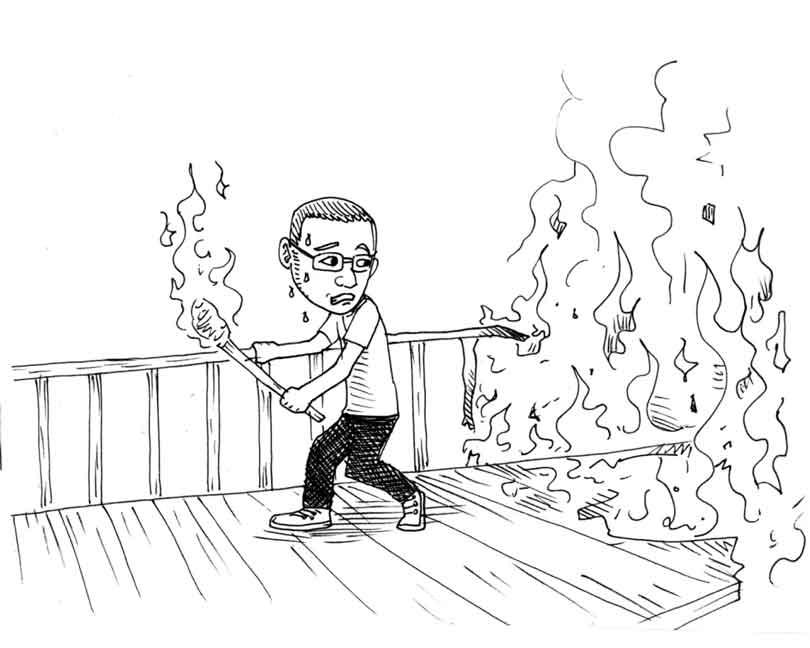
In an age that glorifies independence, self-preservation and swift exits, we have become remarkably comfortable with cutting people off. Protect your peace, we are told. Move on. Know your worth. All of this is valuable advice. But somewhere along the way, we have mistaken temporary discomfort for permanent incompatibility. We have confused misunderstandings with betrayal. And we have grown far too willing to burn bridges that once carried us somewhere meaningful. Relationships, whether personal, professional or somewhere in between, are not disposable. They are ecosystems. They are networks of shared history, mutual investment and reciprocal value. When nurtured, they create growth on both sides. When neglected, they decay. When destroyed impulsively, they can leave us stranded in ways we only recognise much later. Maintaining relationships is not about tolerating mistreatment or sacrificing dignity. It is about recognising mutual benefit, shared progress and long-term perspective. It is about understanding that bridges take time to build and seconds to burn.
The Value of Mutual Benefit
The most enduring relationships are not one sided. They are partnerships in the truest sense. Both parties gain. Both contribute. Both grow. In professional settings, this may look like a mentor who opens doors while learning fresh perspectives from a younger colleague. In business, it may be two collaborators whose combined skills create opportunities neither could access alone. In friendships, it is the exchange of emotional support, encouragement and shared joy. Mutually beneficial relationships are powerful because they multiply opportunity. They create momentum. They make difficult seasons manageable and successful seasons sweeter. When such relationships fracture over misunderstandings, ego, pride or delayed communication, the loss is rarely confined to emotion. It is practical. It is strategic. It is sometimes irreversible. The danger lies in underestimating what we are losing. We often see only the immediate discomfort. The awkward conversation. The wounded pride. The temporary tension. What we fail to see is the compound value of that relationship over time. Future collaborations. Shared successes. Support during crises. Doors yet unopened. A burned bridge does not simply remove a person from your present. It removes possibilities from your future.
Misunderstandings: Small Sparks, Large Fires
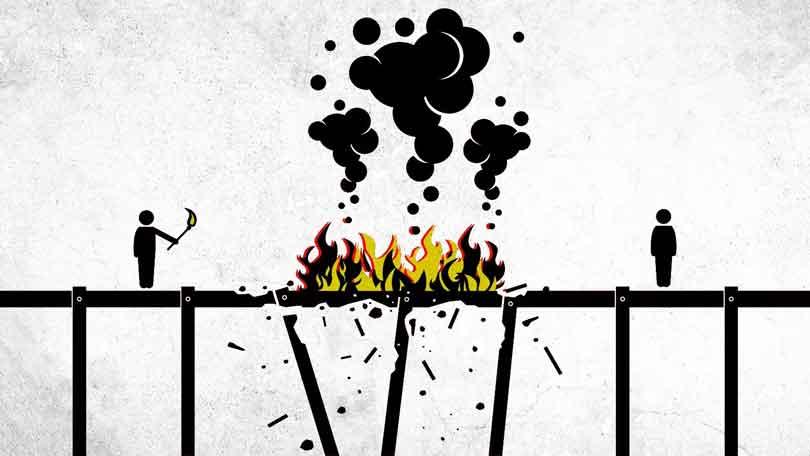
Most broken relationships do not collapse because of dramatic betrayal. They unravel because of silence. Because of assumptions. Because neither side wants to be the first to clarify what went wrong. A delayed reply becomes interpreted as disrespect. A short message is read as hostility. A forgotten invitation becomes a sign of exclusion. In professional environments, feedback delivered bluntly may be perceived as personal criticism. In personal relationships, exhaustion may be misread as indifference. The longer a misunderstanding lingers, the more the mind fills in gaps with its own narrative. Human beings are storytellers by nature. When information is missing, we create it. Unfortunately, those stories often paint the other person in the worst possible light. Time is rarely neutral in conflict. It does not simply freeze a misunderstanding in place. It magnifies it. What could have been resolved with a single conversation grows layers of resentment. Silence becomes symbolic. Distance becomes intentional. Pride hardens. And then, after too many days, weeks or months pass, reconciliation begins to feel awkward, even impossible. The simple message that once would have cleared the air now feels heavy. The apology that would have been accepted with relief now feels overdue. All because neither party acted quickly enough to prevent a spark from becoming a fire.
The Courage to Clear the Air
Clearing the air requires humility. It requires vulnerability. It requires someone to say, perhaps uncomfortably, I think there has been a misunderstanding, and I value this relationship too much to let it fester. That sentence alone can save years of connection. We often avoid these conversations because we fear appearing weak. We fear that reaching out first means admitting fault. But seeking clarity is not an admission of guilt. It is an investment in resolution. In many cases, both parties are carrying the same confusion. Both are waiting for the other to speak. Both are privately disappointed. Both assume the other no longer cares. A timely conversation interrupts that spiral. It replaces assumption with explanation. It transforms tension into understanding. Clearing the air does not guarantee agreement. It does not mean every issue disappears. But it restores dignity to both sides. It demonstrates maturity. It communicates respect. And in relationships that are mutually beneficial, that effort is rarely wasted.
The Long Memory of Reputation
In professional life especially, relationships extend beyond the immediate individuals involved. Industries are smaller than they appear. Networks overlap. Reputations travel quietly and quickly. Burning bridges does not always end at one severed connection. It can ripple outward. A former collaborator may one day become a gatekeeper. A colleague may later become a decision maker. A misunderstanding left unresolved may shape how your name is mentioned in rooms you are not in. This is not about fear. It is about foresight. Maintaining relationships, even after disagreements, signals emotional intelligence. It reflects stability. It shows that you can navigate tension without resorting to destruction. You do not have to remain close friends with everyone you have worked with. You do not have to maintain intimate contact. But parting with grace, or resolving misunderstandings before they calcify, preserves professional capital that may prove invaluable later. Bridges maintained quietly often support you years after you forgot they were there.
Pride Versus Perspective
At the heart of most burned bridges lies pride. The unwillingness to call. The refusal to apologise. The decision to wait for the other person to make the first move. Pride feels powerful in the moment. It protects ego. It justifies silence. It creates the illusion of control. Perspective, however, asks a different question. Will this matter five years from now. Will preserving this relationship matter more than winning this argument. Often, the answer is yes. Perspective reminds us that humans are imperfect. We miscommunicate. We speak carelessly. We misunderstand tone. We project our own insecurities onto neutral situations. If we ended every relationship at the first sign of discomfort, none would survive. Choosing perspective over pride does not mean accepting disrespect. It means distinguishing between intentional harm and human error. It means giving people the opportunity to clarify. It means recognising that sometimes the bridge is worth repairing.
The Cost of Waiting Too Long
Time is a silent architect. It either builds understanding or constructs distance. When misunderstandings are not addressed quickly, they settle. They solidify. What once felt like a temporary rift becomes the new normal. Reaching out after too much time has passed can feel daunting. The conversation grows heavier with each passing day. Embarrassment joins resentment. Assumptions deepen. The story each side has created becomes harder to unravel. Eventually, reconciliation feels impossible not because the original issue was severe, but because too much silence has surrounded it. This is why timeliness matters. Not urgency driven by panic, but responsiveness driven by care. If something feels off, address it. If tension lingers, ask about it. If a relationship matters, treat it as something that deserves attention. Misunderstandings are easiest to resolve while they are still small.
The Strength of Repair
There is also something deeply powerful about relationships that survive conflict. When two people navigate a misunderstanding and emerge with greater clarity, the bond often strengthens. Repair builds trust. It demonstrates resilience. It shows that the relationship can withstand friction. In fact, the absence of conflict is not the mark of a healthy relationship. The ability to resolve conflict is. When you clear the air, you send a message. I value this enough to fight for it. I value this enough to clarify. I value this enough not to let pride destroy it. That message resonates.

Choosing Preservation Over Destruction
Not every relationship is meant to last forever. Some connections serve a season. Some genuinely become harmful. In those cases, walking away is wisdom. But many relationships end not because they should, but because they were not protected. Before you sever ties, ask yourself whether the issue is irreparable or simply unresolved. Ask whether a conversation could restore clarity. Ask whether ego is louder than reason. Bridges are extraordinary structures. They connect separate pieces of land. They allow movement, exchange and possibility. In life, relationships function the same way. When we preserve them thoughtfully, they carry us forward. When we burn them impulsively, we limit our own path. In a world that often celebrates quick exits, there is quiet strength in staying long enough to clarify. In reaching out first. In choosing understanding over assumption. In protecting what has proven mutually beneficial. Because once a bridge is reduced to ashes, rebuilding it is rarely as simple as lighting it again.