First Impressions vs Last Impressions

By Noeli Jesudas
We’ve all been taught the same rule since childhood: make a good first impression. Smile. Speak clearly. Show up prepared. Don’t be awkward. Don’t be late. Don’t be forgettable. Beginnings, we’re told, are everything. But here’s the twist, psychology suggests that while first impressions may open the door, they rarely decide how it’s remembered. That power often belongs to the ending.
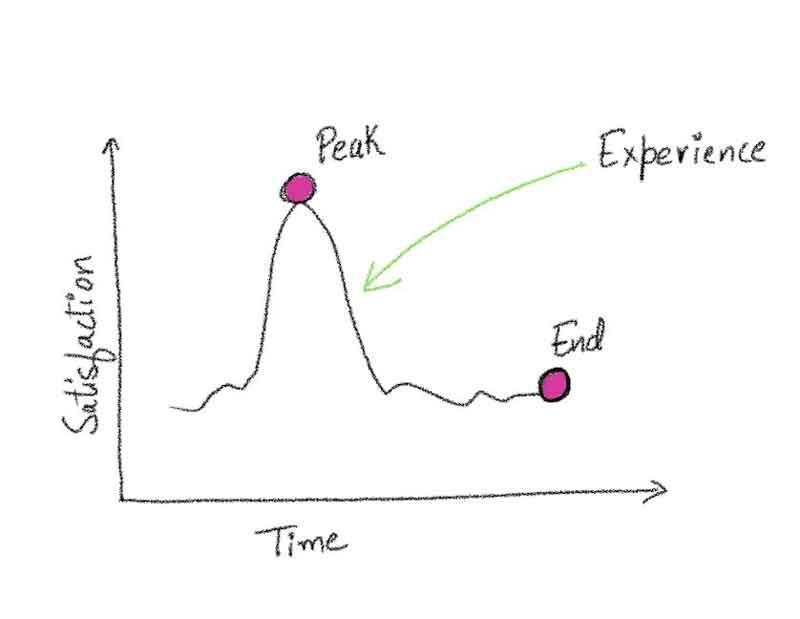
There’s a concept in behavioural science called the peak–end rule, introduced by Nobel Prize–winning psychologist Daniel Kahneman. It proposes something almost counterintuitive: we don’t remember experiences based on their full length or even their average quality. Instead, we remember two moments: the emotional peak and the ending. That’s it. Our brains don’t archive life like CCTV footage. They edit it like a highlight reel. Suddenly, so many everyday experiences start to make sense.
 Think about the last time you attended an event. Maybe parts of it dragged. Maybe the seating was uncomfortable, or the speeches ran long. But if it ended with a powerful performance, a moving speech, or even just a genuinely warm goodbye, you probably left feeling like it was worth it. Flip that around. Imagine a great evening ruined by an awkward ending, a careless remark, or a rushed exit. That’s the version your brain stores. Not the hours before, just the emotional peak and the closing note. Our minds love conclusions. They crave resolution. Endings tell us how to feel about the whole story. This is why last impressions often quietly overpower first ones. A first impression sets expectations, yes. It frames how we initially read someone. But the last impression decides what we carry forward. It’s the difference between someone who starts strong but fades, and someone who grows on you and leaves with clarity and warmth. We may notice beginnings, but we remember endings. You see this everywhere once you start looking for it. Job interviews, for instance, often hinge on the final moments. The candidate who ends with confidence, gratitude, and a clear summary of their value leaves a stronger imprint than the one who opened brilliantly but stumbled out uncertainly. That final exchange becomes the memory anchor.
The same goes for friendships and relationships. First meetings are often polite, slightly rehearsed, and shaped by nerves. But what people remember is how they felt after. Did the conversation linger? Was the goodbye warm or rushed? Did the other person make it clear they wanted to see you again? That last emotional beat writes the story we tell ourselves later. Even apologies follow this pattern. Someone might begin clumsily, over-explaining or rambling. But if they land on sincerity and accountability, that’s what stays with us. Conversely, a polished opening apology that ends in defensiveness leaves a far stronger negative imprint. It’s not about how it starts. It’s about where it lands. Perhaps the most obvious example of the peak–end rule at work is how we consume entertainment today. The reason so many of us say, “Just one more episode,” at 1:30 a.m. isn’t just because shows are good. It’s because they’re engineered that way. Streaming platforms have mastered the emotional mechanics of endings. Episodes rarely conclude neatly. Instead, they end on cliffhangers, a revelation, a betrayal, a sudden twist, an unanswered question. By finishing on a high emotional peak with no closure, they trigger our brain’s need to resolve the story.
The peak–end rule kicks in instantly, and before we even realize it, we’re pressing “next episode.” Binge-watching isn’t just about entertainment. Its psychology wrapped in storytelling. This principle doesn’t just shape how we watch shows. It shapes how we remember entire phases of life. School years often feel stressful while we’re in them, yet graduation day paints everything in a nostalgic glow. Difficult projects feel worthwhile if they end in recognition or success. Long journeys feel meaningful if they conclude with relief or accomplishment. The middle fades. The emotional high and the ending define the memory.
And maybe that’s comforting in a strange way. Because it means life isn’t decided in the opening act. You don’t have to start perfectly to be remembered well. You can enter a room awkwardly, take time to find your footing, stumble through the middle, and still leave with grace. That exit, that final tone, is what people carry forward. It also means we have more influence than we think. The way we end conversations matters. The last message we send in a collaboration matters. The final line of a presentation matters. Even the way we wrap up a casual interaction, a thank you, a smile, a moment of acknowledgement, can reshape how the entire encounter is remembered.
In a world obsessed with launches, introductions, and first impressions, we don’t talk enough about the art of finishing well. But finishing well is what lingers. It’s what gives experiences emotional closure. It’s what turns ordinary moments into meaningful ones. Because the truth is, life is rarely a perfectly written script. We start things uncertainly. We enter spaces unsure of ourselves. We figure it out as we go. But endings? Endings are often within our control. We can choose to end with kindness, clarity, honesty, or courage. And those small choices ripple far beyond the moment itself. Now, this is not me saying first impressions don’t matter at all, rather make a good first impression, but don’t underestimate the quiet power of the last one. Beginnings introduce you. Peaks define the emotion. But endings decide the memory. And if people remember you at all, chances are it won’t be for how you walked in, it’ll be for how you left the room.