
Loyalty Isn’t Old-Fashioned
We don’t talk much about loyalty anymore. We definitely talk about love, chemistry, compatibility, red flags, boundaries, all important. But loyalty? It’s almost treated like something outdated. And yet, if you really think about it, every strong relationship you admire is built on one thing: someone choosing to stay. Loyalty is not loud. It’s not dramatic. It doesn’t always show up in big gestures or Instagram captions. Most of the time, it’s quiet. It’s in the consistency. It’s in the “I’ve got you” energy. And honestly, that kind of security is rare and powerful.
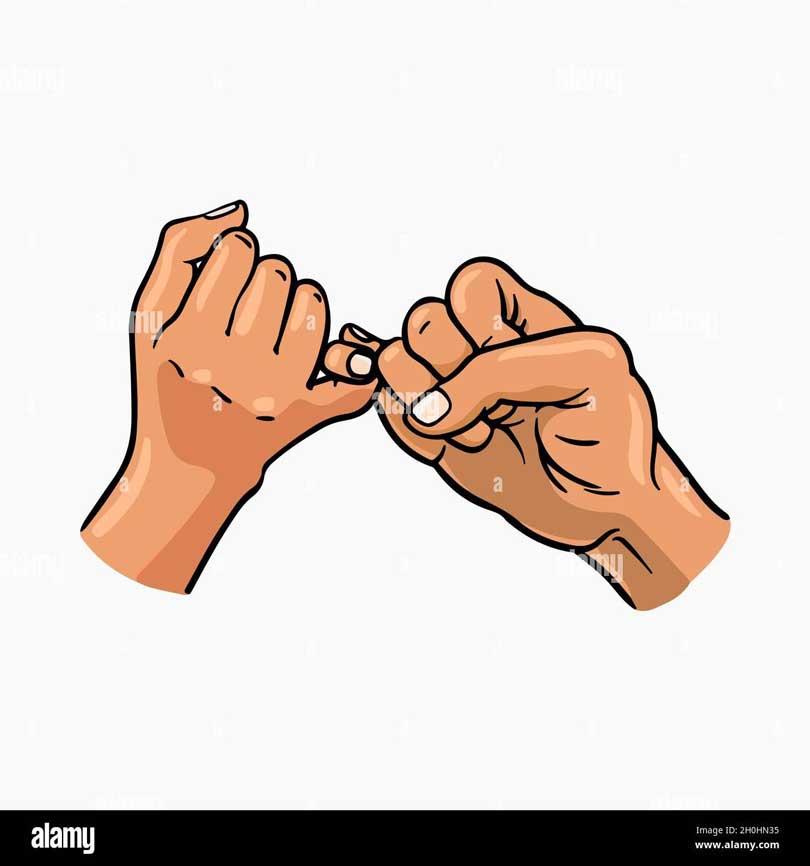
In romantic relationships, loyalty goes beyond just not cheating. That’s the bare minimum. Real loyalty is emotional. It’s defending your partner when they’re not around. It’s not entertaining attention that disrespects your relationship. It’s choosing to fix things instead of finding someone new when things feel hard. Because let’s be real, every relationship gets hard. There are misunderstandings. There are ego clashes. There are days you feel distant. Loyalty is what makes you say, “Okay, we’re not perfect, but we’re not giving up either.” And it’s not about staying in something toxic. That’s not loyalty, that’s self-abandonment. Loyalty should never cost you your peace or your self-respect. It should feel mutual. It should feel safe. If you’re the only one protecting the relationship while the other person keeps crossing lines, that’s an imbalance, not loyalty.
We always talk about loyalty mostly in romantic relationships; like that’s where it matters the most. But what about friendships? Loyalty matters there just as much… maybe even more, if we’re being honest. We’ve all experienced surface-level friendships, the ones that are fun for photos and outings but disappear when life gets heavy. Loyal friends are different. They don’t compete with you. They don’t secretly feel happy when you fail. They don’t gossip about you and then smile in your face. They protect your name when you’re not in the room. They check on you without needing something in return. They stay consistent even when life gets busy.

A loyal friend doesn’t disappear just because you’re going through a rough phase. They don’t treat your lowest moments like an inconvenience. They sit with you in it. And that kind of presence? It’s priceless. Moving on to family relationships, they may be complicated. They’re not always soft and perfect like movies show. But loyalty in families often takes the form of forgiveness. It looks like trying again. It looks like choosing connection even when there are misunderstandings. Not tolerating disrespect but choosing communication over ego. That kind of loyalty creates emotional safety. It gives you roots. It gives you people who show up when everything else feels uncertain.
Now let’s talk about another space where loyalty really shows its value, the workplace. In professional environments, loyalty honestly changes everything. When a team trusts each other, work flows better. When leaders stand up for their employees, employees give their best. When colleagues don’t throw each other under the bus to get ahead, the environment feels healthier. Loyalty builds trust. And trust builds stability.

The thing about loyalty is that it builds slowly. It’s not something you declare once and forget about. It’s proven in small moments. It’s replying when you said you would. It’s being honest when lying would be easier. It’s keeping someone’s vulnerability safe. It’s choosing integrity even when nobody is watching. And in today’s world, loyalty is constantly tested. There are always more options. More people. More distractions. Social media makes it feel like there’s always something better one scroll away. So, the mindset becomes: “If this gets difficult, I’ll just replace it.” But meaningful relationships aren’t replaceable. Depth doesn’t come from endless options. It comes from consistency.
Loyalty requires maturity. It requires swallowing your pride sometimes. It requires having uncomfortable conversations instead of silent resentment. It requires accountability. Saying “I was wrong” is loyalty. Choosing not to embarrass someone publicly is loyalty. Not airing private issues for validation is loyalty. And here’s the part people don’t say enough: loyalty makes you feel secure. When you know someone is solid, you relax. You don’t overthink every interaction. You don’t constantly question their intentions. You feel chosen. That sense of being chosen consistently does something to your confidence. It makes you less anxious and stronger. Braver. More at peace.
At the same time, being loyal shapes your character. It teaches you patience. It teaches you empathy. It teaches you that relationships aren’t about winning, they’re about understanding. Loyalty forces you to think long-term instead of reacting emotionally in the moment. But loyalty should never be blind. It should be intentional. You should be loyal to people who respect you, value you, and show up for you too. Loyalty is a two-way street. When both people protect the bond, the relationship becomes resilient. When only one person is trying, it slowly breaks.

At the end of the day, loyalty is love in action. It’s not about perfection. It’s about presence. It’s about staying when things aren’t glamorous. It’s about choosing someone not just when they’re easy to love, but when they’re human. Flawed. Growing. Learning. In a world where everything feels temporary, loyalty is powerful because it’s rare. It says, “I’m not here just for the highlights. I’m here for the full story.” And that kind of commitment, that kind of absolute loyalty, whether in love, friendship, family, or work, is what turns ordinary connections into lasting ones. Loyalty isn’t old-fashioned. It’s foundational.