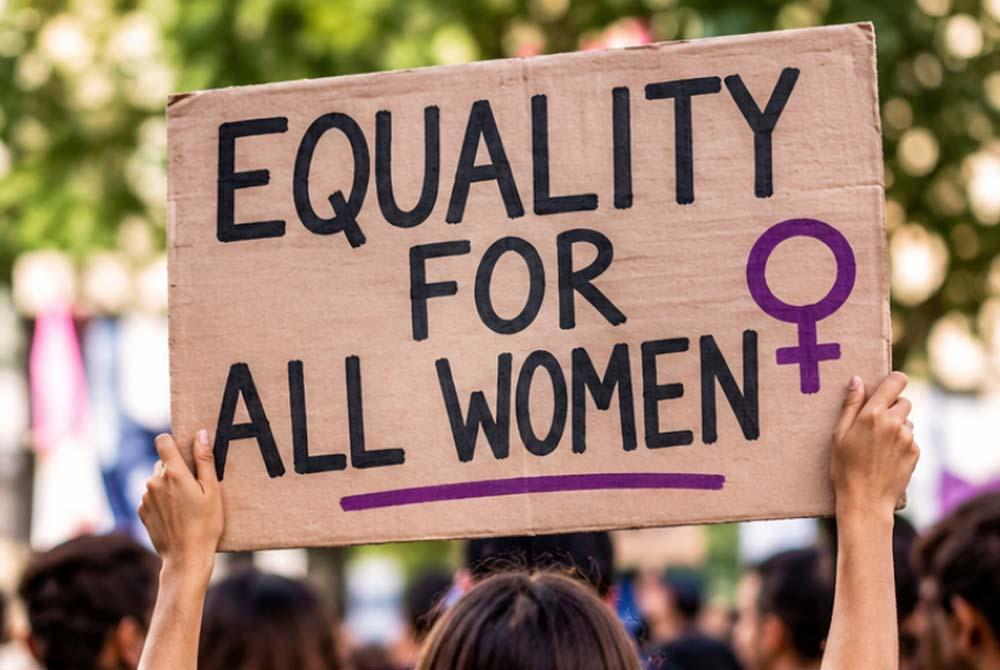
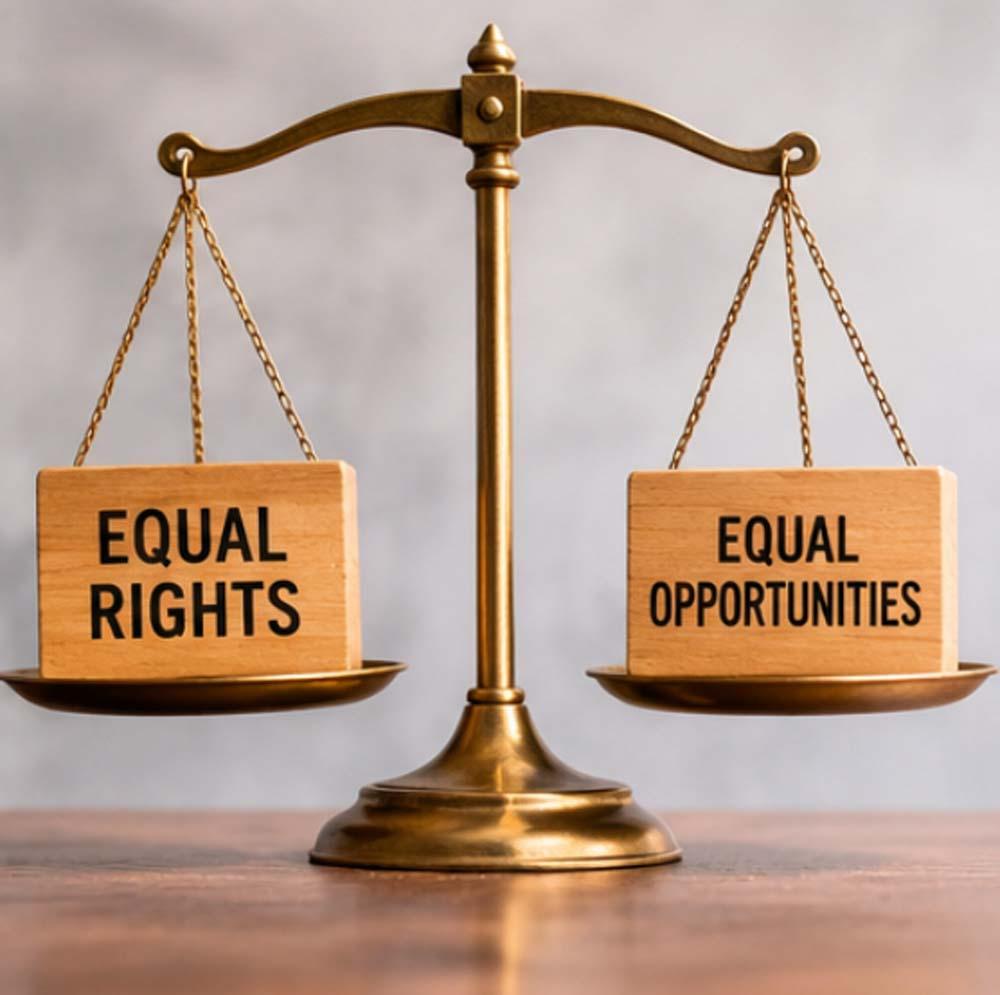
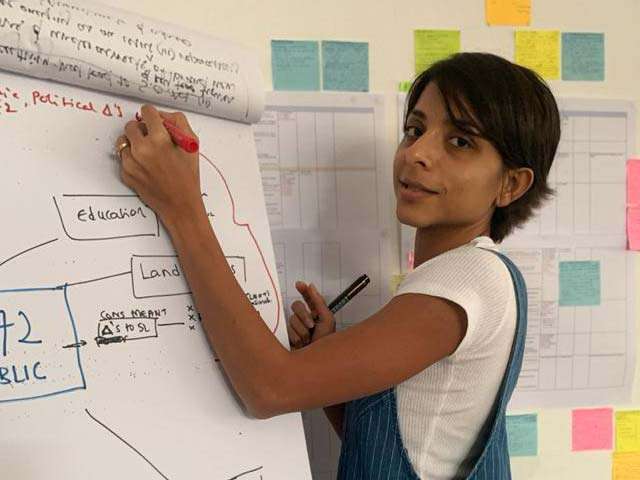
A Woman should not have to be exceptional to deserve equality
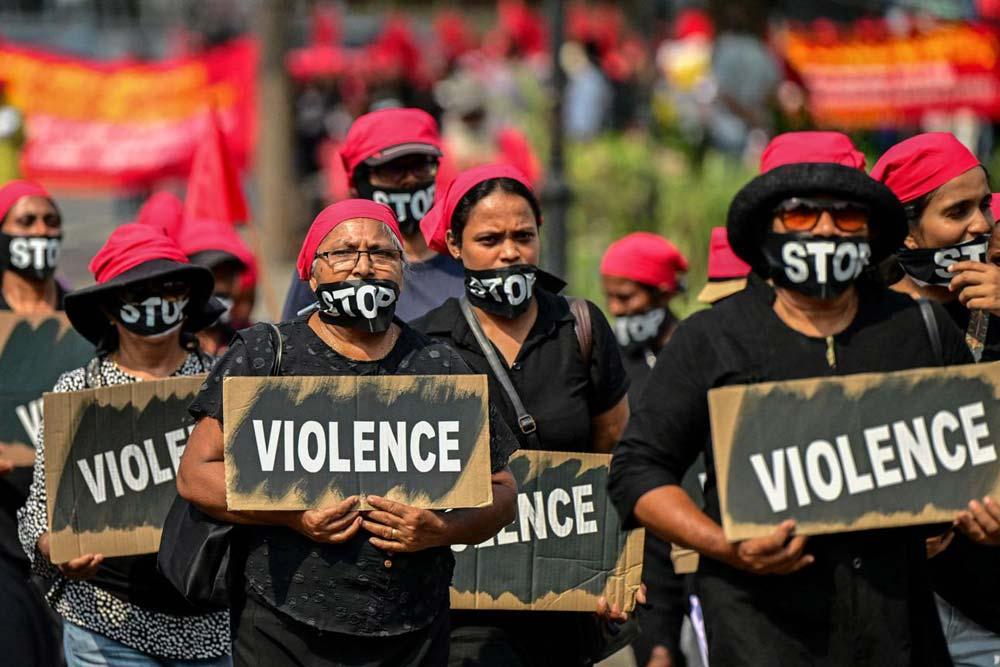
Why are women still expected to prove their worth in a world that claims to have moved beyond gender inequality?
There is a peculiar expectation placed upon women in modern society, they must be extraordinary to be considered equal. They must be exceptionally intelligent to be taken seriously, exceptionally accomplished to be respected and exceptionally resilient to overcome barriers that should never have existed in the first place. While the language of gender equality has become increasingly familiar, the attitude surrounding women’s abilities and place in society have not always evolved at the same pace.
For generations, Women have fought opportunities that were ones denied to them. Access to education, participation in politics, financial independence and professional recognition were not simply handed over, they were secured through decades of resistance, advocacy and sacrifice. Yet, despite this progress, an uncomfortable question remains, why does a woman’s competence so frequently appear to require additional proof?
Consider the professional world. A man who demonstrates confidence may be described as decisive, while a woman displaying the same quality may be perceived as intimidating or difficult. A man who pursues leadership may be admired for his ambition, whereas a woman with similar aspirations can find herself scrutinized for being overly ambitious. These contrasting perceptions reveal a persistent double standard, the same characteristics can be interpreted differently depending on who possesses them.
This is not to suggest that every workplace operates in the same way or that every woman encounters identical experiences. Rather, it highlights how deeply social expectations can influence the way competence, authority and leadership are perceived.
The problem extends beyond employment. In classrooms, public institutions and even everyday conversations, girls and women can encounter assumptions about what they should study, how they should behave and which ambitions are considered appropriate. Their abilities may be acknowledged, but their choices are still sometimes measured against expectations that have little to do with their actual potential.
Equality should not come with conditions. Perhaps the greatest misconception surrounding women’s empowerment is that equality must be earned through exceptional achievement. Women who become influential leaders, successful entrepreneurs, celebrated academics or groundbreaking scientists are rightly recognized for their accomplishments. However, their success should not become the standard against which every other woman is expected to measure herself.
A woman should not have to establish a successful career to deserve financial autonomy. She should not need an impressive academic qualification to have her opinions respected. Nor should she have to demonstrate extraordinary resilience simply to navigate ordinary public spaces.
Equality is not a prize awarded to those who outperform everyone else. It is a fundamental principle that recognizes the dignity, rights and potential of every individual.
This distinction is particularly important in societies where traditional expectations continue to shape women’s opportunities. In Sri Lanka, women have made significant contributions to education, public service, business and national development. Yet, questions surrounding representation, workplace equality, unpaid domestic responsibilities and social expectations remain relevant. The experiences of a woman working in a corporate office may differ considerably from those of a woman employed in agriculture, domestic work or the informal economy. Nevertheless, the underlying question of equal dignity and opportunity connects these experiences.
The figures surrounding women's participation in Sri Lanka's economy offer another perspective on this contradiction. According to the Department of Census and Statistics' Labour Force Survey for the fourth quarter of 2024, female labour force participation stood at just 30.3%, compared with 67.6% for men. Furthermore, women accounted for 71% of the economically inactive population. While these figures alone cannot explain the complex reasons behind the disparity, they raise important questions about the opportunities, responsibilities and social circumstances influencing women's participation in the workforce. Behind every statistic lies a broader conversation about access, choice and the conditions necessary for women to participate equally in economic life.

Feminism must therefore be inclusive enough to recognize the different realities women experience, rather than treating progress for a privileged few as evidence that equality has been achieved for everyone.
Modern society frequently celebrates the idea of the independent woman. She is encouraged to pursue a career, become financially secure, develop her talents and challenge limitations. Yet, this celebration can become contradictory when independence is accompanied by additional expectations rather than genuine freedom.
Women are often expected to succeed professionally while remaining primarily responsible for domestic duties. They are encouraged to be confident but not confrontational, ambitious but not intimidating, independent but not too independent. The standards are constantly shifting, leaving women in the position of having to negotiate between their own aspirations and society’s expectations.
Furthermore, empowerment should not be reduced to a particular lifestyle. A woman who chooses a demanding career is not inherently more empowered than one who prioritizes family, education, creative pursuits or a quieter life. Feminism, at its most fundamental, should defend a woman’s ability to make meaningful choices without being diminished for making them.
There is also a need to reconsider how society defines a successful woman. Too often, conversations about empowerment focus on visibility, professional titles and individual accomplishments. While these achievements deserve recognition, they should not become another measure against which women are judged. A woman who chooses to dedicate herself to raising a family is no less deserving of respect than one who leads a multinational organization. A woman who chooses a quieter life should not be regarded as less ambitious or less capable. Equally, a woman who rejects traditional expectations should not have to defend her decisions simply because they differ from what society considers conventional. The freedom to choose must include the freedom to make choices that others may not necessarily understand.
The purpose of equality is not to create another standard woman must struggle to satisfy. It is to remove the unnecessary barriers that restrict their freedom in the first place.
Perhaps it is time to reconsider the questions we ask when discussing women’s achievements. Instead of asking how a woman managed to succeed despite the obstacles placed before her, we should ask why those obstacles continue to exist. Instead of celebrating women solely for their ability to endure unequal circumstances, we should examine the institutions and attitudes that allow those circumstances to persist.
Progress should not be measured exclusively by the number of extraordinary women who manage to break through existing barriers. It should also be measured by how ordinary women are treated, the opportunities available to girls who have yet to discover their potential and the freedoms enjoyed by those who do not wish to spend their lives proving anything to anyone.
A society cannot genuinely claim to have achieved equality simply because a handful of women have reached positions of influence. True progress is reflected in whether every woman, regardless of her background, profession, income or achievements, is afforded the same fundamental respect and opportunities. It is reflected in whether girls can pursue their ambitions without being discouraged by outdated expectations, whether women can exercise independence without being subjected to unnecessary scrutiny and whether their contributions are recognized without requiring extraordinary demonstrations of competence.
Ultimately, women do not need to be exceptional to deserve equality. They do not need to be extraordinary to deserve respect, nor must they continually justify their ambitions to occupy spaces in which they have every right to belong. The measure of a progressive society should not be how many remarkable women it produces, but how fairly it treats all women, including those whose names will never appear in headlines or history books.
Equality should never depend on how impressively a woman can prove her worth. It should begin with the recognition that her worth was never in question.