When Hormuz Sneezes, Colombo Catches a Cold
By Shevon Perera
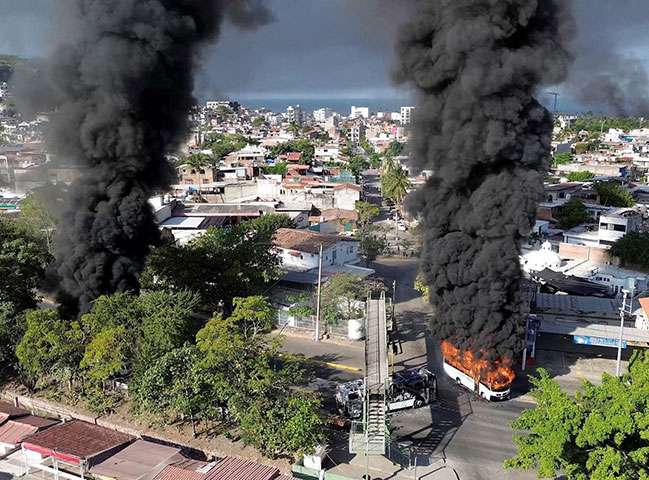
A quiet Saturday evening in Colombo, with half of the city dwellers already out of town enjoying a much awaited long-weekend. Suddenly, the almost-empty roads of Colombo blared with honking; they were empty no more. With traumatic memories of 2022, the news of attacks in Iran drove people into a state of panic and back into fuel queues in anticipation of a possible shortage. WhatsApp groups were ablaze with messages reminiscent to those from 4 years ago, with the most familiar one being “Is there petrol at the Horton Place shed?”
The missiles may be flying over the Middle East, but the anxiety is idling in our driveways. The irony? Sri Lanka imports 0% of its fuel directly from Iran, yet queues reappear with Sri Lankans reliving a familiar nightmare. What awaits the island nation, barely rising back from a crippling economic crisis is far worse than just a fuel queue. The effects to the economy will be seen as early as this week, and possibly could last months after the Israel-US led war concludes. Before we take a glance at the statistics of the effects of this war to Sri Lanka’s economy, let’s try to delve into the history of tensions between Iran and Israel and how this was always a ticking time bomb.
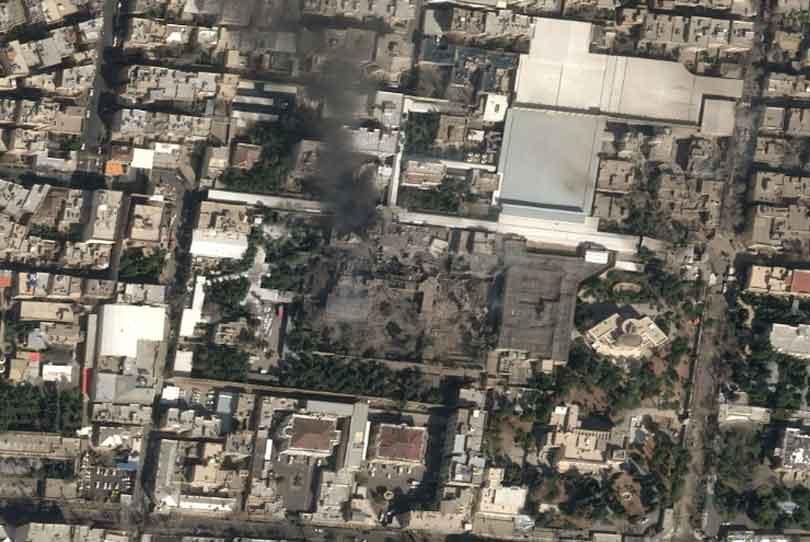
The hostility between the two countries dates back to 1979, when Iran’s Islamic Revolution transformed Tehran into one of Israel’s most vocal adversaries. Iran does not recognize Israel as a legitimate country due to its stance on the Israel-Palestinian conflict. From ideologies, regional influence and concerns shared by each country’s allies, Israel and Iran have had a conflicting stance on several geopolitical matters that have for long stood as a constant threat to the peace of the entire region. Even though tensions rose from time to time since 1979 and wars erupted, with the most significant being the first ever direct missile exchange between the two countries in April 2024, tensions rose to a historical height in February 2026, when those latent tensions erupted into overt warfare that has shaken global markets and geopolitical calculations.
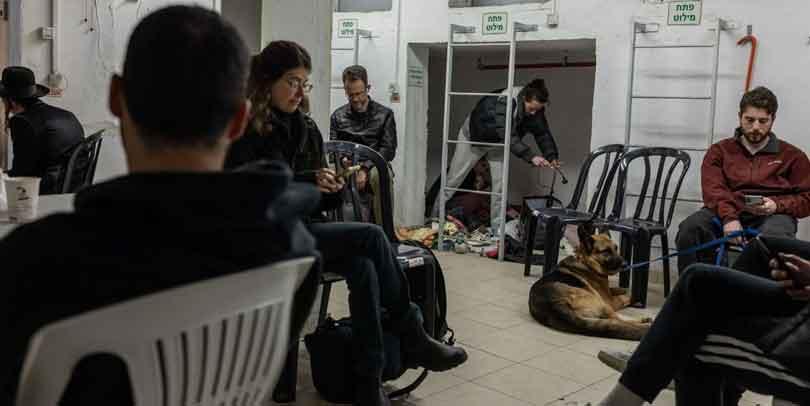
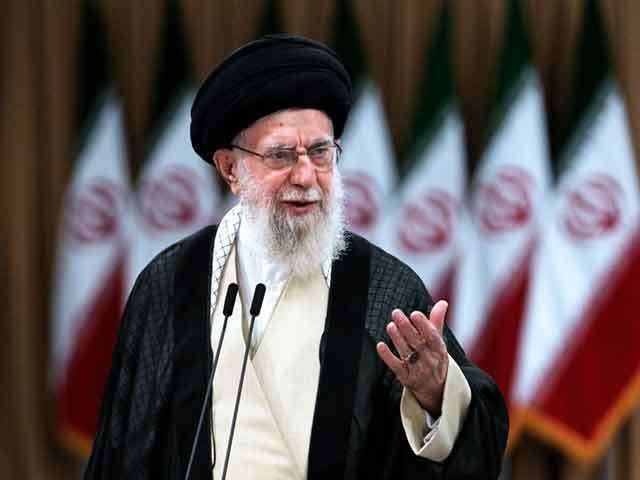
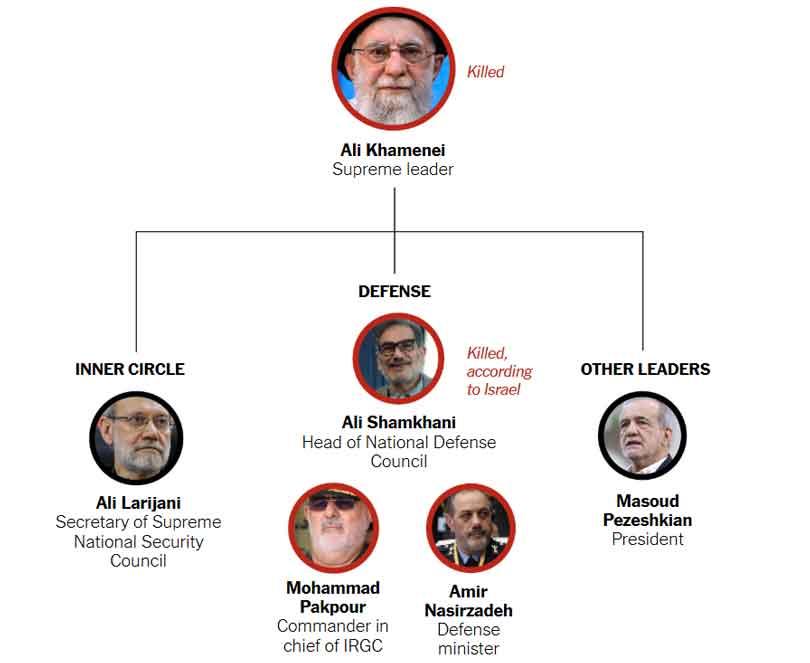
The attack, which some Western media dubbed to as Operation Epic Fury, targeted ballistic missile locations, air defense systems, and vital strategic facilities within Iran's heartland. Ayatollah Ali Khamenei, the Supreme Leader of Iran, was reportedly killed in the strikes, a significant event that signaled a sharp increase in hostilities. Iran reacted quickly. A nationwide state of emergency was declared when waves of ballistic missiles and drones were fired toward Israeli land and American sites throughout the Gulf, setting off sirens in Tel Aviv. Numerous major centers on both sides have reported explosions, and civilian casualties, especially at a primary school in Minab province, have sparked alarm and criticism around the world. But the concern of many is far beyond humanitarian of security concerns. All eyes are now on a slim maritime corridor called Strait of Hormuz and how it is about to reshape the global economy. Physical shortages are not the only factor influencing oil prices. They respond to imminent threats to a region. Traders factor in the potential for interruption, increased tanker insurance costs, postponed supplies, or even temporary blockades when missiles fly in the Gulf. The fear that a barrel might be blocked is enough to drive up prices even if none actually is. This unpredictability is extremely important for countries that rely on imports. The national fuel bill might increase by millions of dollars for every $10 increase in the price of crude oil globally. Long before any formal shortage is announced, shipping prices rise, currency pressure increases, and inflationary ripple effects start. Instability in one small passage of ships can subtly and costly expand the difference at petrol pumps thousands of miles distant in a globalized energy market.
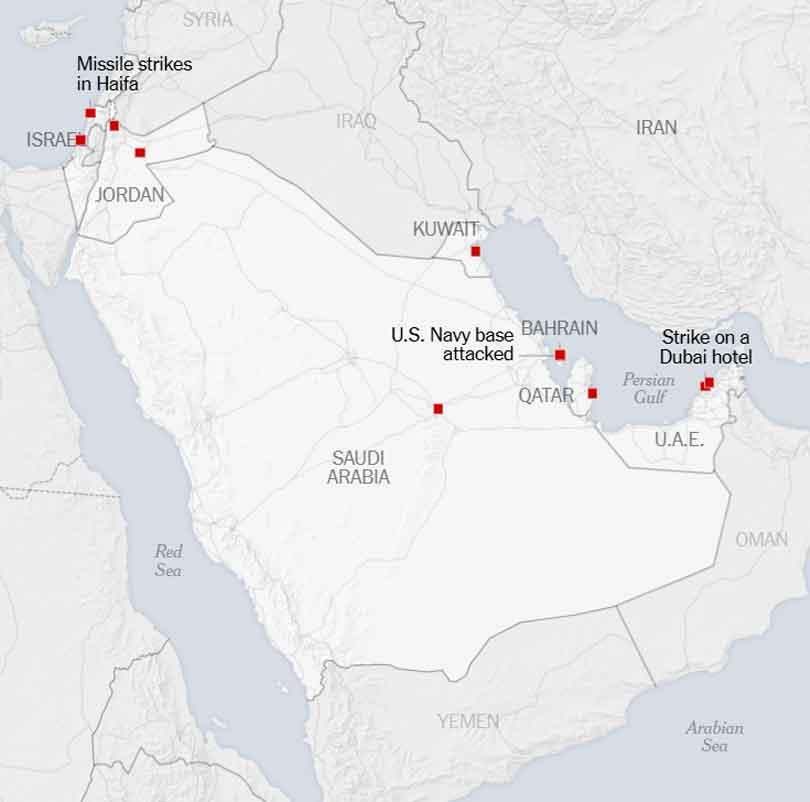
Now, let’s drive back to Sri Lanka! Colombo, Sapugaskanda, or Trincomalee do not have a single geographical element that is important to Sri Lankan drivers today. It is located in the narrow waterway known as the Strait of Hormuz, which is over 4,000 miles away. Hormuz is hardly broad enough to handle two-way tanker traffic at its narrowest navigable channel. However, every day, about 20-25% of the world's commercial oil passes via this narrow maritime corridor. The dependence is much more pronounced for Asia, as this route is used by around 80% of Gulf petroleum shipments headed for Asian countries. It is more than just a shipping route; it is a source of pressure on the world economy.
Iranian oil is not directly imported by Sri Lanka. Usually, suppliers in Singapore, India, Malaysia, or other regional trading hubs deliver our fuel. However, the price of oil is determined by international benchmarks like Brent crude and is not influenced by where we purchase it. To put it another way, we invest in a worldwide market that pricing in worldwide risk. Perception becomes potent at that point. Oil markets react not only to actual disruptions but to the possibility of disruption. Futures prices can rise instantly in response to military drills around Hormuz, missile strikes in the Gulf, or even heated talk about blockades. Oil tanker insurance rates are rising. The cost of goods goes up. Traders protect themselves from the worst-case situation. Volatility is increased by financial speculation. The cost of a shipment already reflects that worldwide fear by the time it ships in Colombo. A closed strait is not necessary for Sri Lanka to experience economic hardship. Uncertainty alone has the power to alter pricing in today's energy system, and such changes can reach the local petrol pump directly from far-off waters. It’s not that Sri Lanka buys from Iran. It’s that we buy from a world that buys from the Gulf.
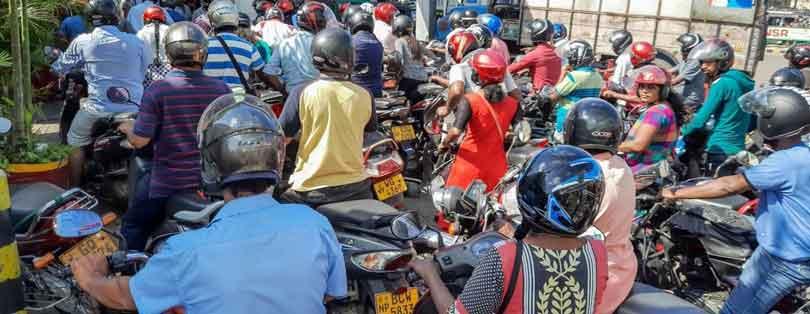
Let’s talk numbers! Nearly all of Sri Lanka's petroleum needs are imported, and the lineups we dread are frequently caused by fear of disruption rather than true lack. Our foreign exchange reserves have only slightly improved despite the market turbulence caused by global tensions. According to the CBSL, our gross official reserves in late 2025 were between USD 6.0 and USD 6.8 billion, which would cover around 3.4 months' worth of imports. This provides minimal protection against shocks from the outside world. Anxiety surges do not immediately cause fuel import lines to reset. Due to the mechanics of fuel distribution cycles, there is an inherent lag in the unloading, transportation, and delivery of imported shipments throughout the island. Businesses and drivers respond more quickly than tankers can dock when they learn of impending shortages. Yes, an early reaction is predominantly psychological.
The economics of this in simple statistics on how the ripple effects work against Sri Lanka is a hard pill to swallow. Fuel imports made up around USD 4.04 billion, or 21.5% of the entire import bill, in 2024, making energy a significant vulnerability. The cost of imports increases by hundreds of millions when crude prices rise, for instance, by $10 per barrel, rapidly contributing to transportation and logistics costs. As a result, growers and distributors pass on increased shipping and handling expenses, driving up the price of food and necessities at the pump and across the supply chain. Since thermal power generation continues to provide a sizable portion of the country's electricity, electricity costs are equally impacted. Inflationary pressures are exacerbated by rising fuel prices, which raise the cost of producing electricity and eventually affect families and companies through increased rates or government subsidy burdens.
Important foreign exchange sources like tourism and remittances are also vulnerable to regional instability. Perceptions of risk have the potential to reduce traveller numbers and spending in a sector that generated around USD 1.7 billion in service revenues in the first half of 2025. In the meantime, remittance inflows support external stability and aid in closing the trade deficit; they increased by about 19% to USD 3.7 billion during the same time period. Approximately 50% of these remittances come from economies in the Middle East, where war may jeopardise Sri Lankan workers' jobs and wages, hence impacting household incomes and domestic consumption.
Even though Sri Lanka does not import Iranian oil, our pumps are directly impacted by the fear around far-off wars. Our purchases are more than just fuel barrels; they provide us access to a worldwide market where every drone, missile, and danger is reflected in prices, shipping charges, and insurance premiums. A three-wheeler motorist may have to wait in line for thirty minutes or fill up at last week's price due to a flare-up thousands of miles away in the Middle East. When the Gulf is stable, our petrol stations are peaceful; when it is disrupted, there are lines, increased prices, and economic strain on businesses, households, and the country's foreign reserves. In short, even if our tanks are full, our nerves are not. And in a globalized economy, fear travels faster than fuel. Sri Lankans no longer queue because they are uninformed. They queue because they remember.

About The Writer: LSE Scholar, Master’s in Business from the University of Wales
Former Commercial Officer of the British High Commission, Consultant to the World Bank