Torpedo in the Indian Ocean: Did a Submarine Expose Sri Lanka’s Blind Spots?
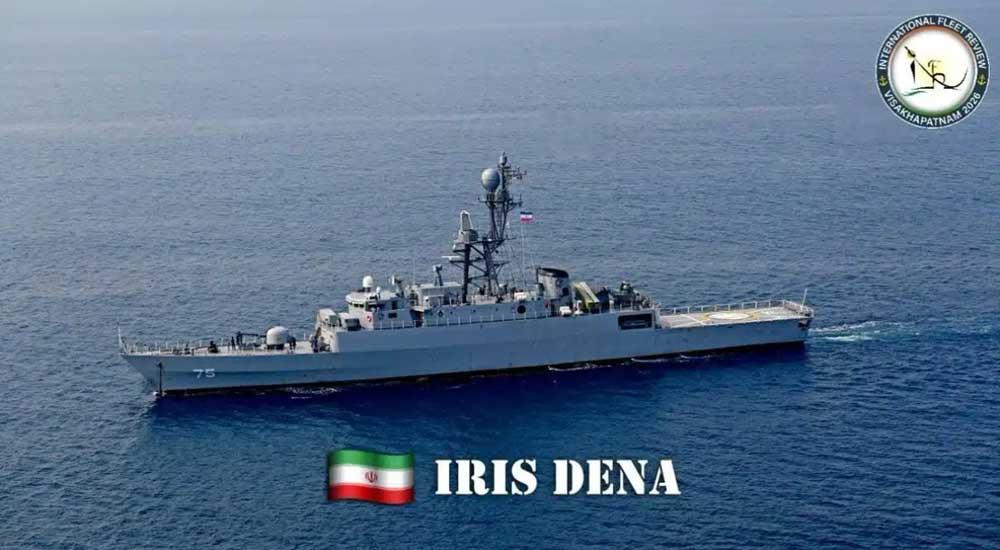
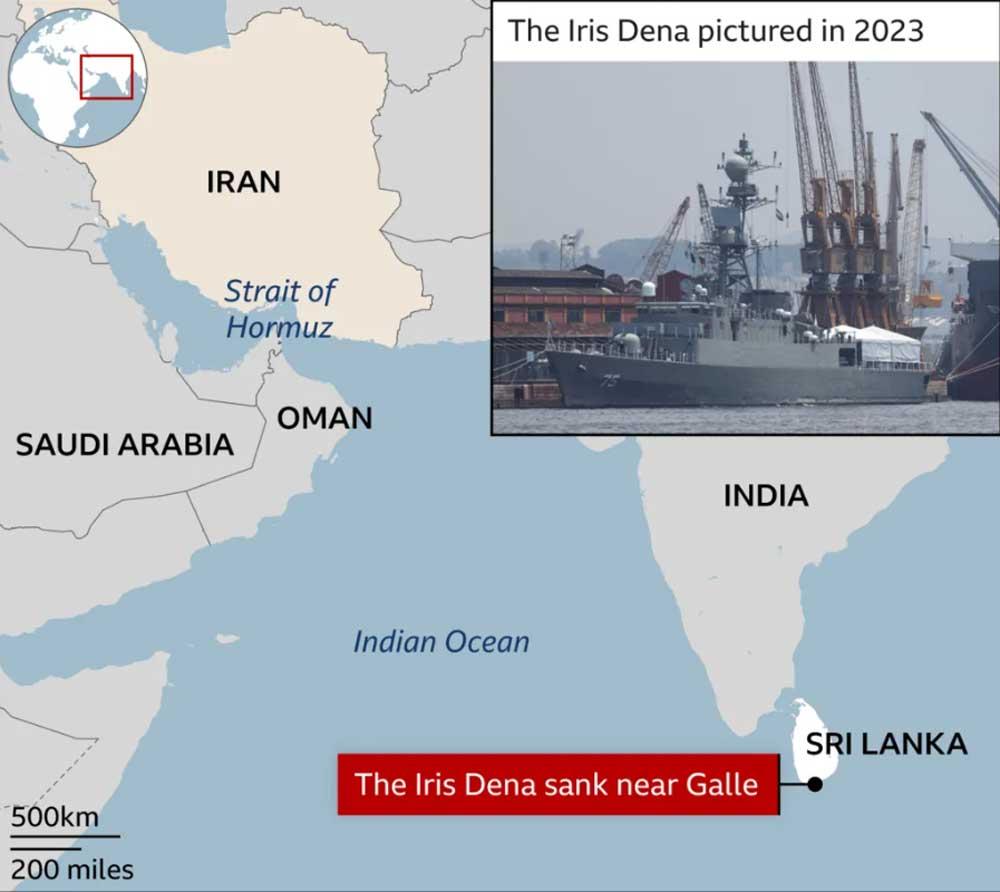
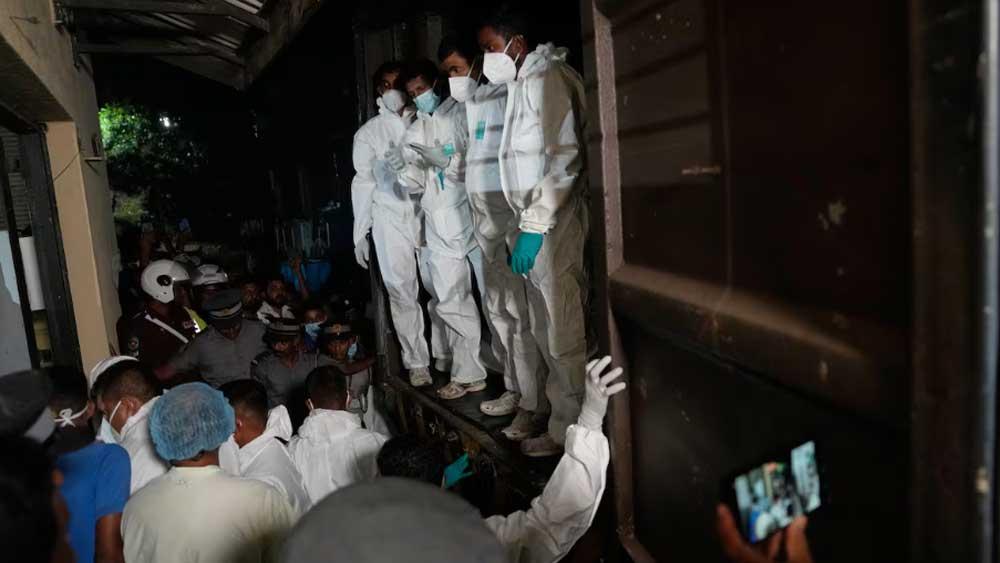
In the early hours off Sri Lanka’s southern coast, a warship vanished beneath the Indian Ocean. The Iranian frigate IRIS Dena, carrying roughly 180 sailors, sank some forty nautical miles south of Galle after being hit by what reports suggest was a submarine-launched torpedo. By the time Sri Lankan authorities received the distress signal at 5:08 a.m. and deployed naval and air units, the vessel had already disappeared into the deep. Rescuers discovered oil slicks, floating life rafts, and injured survivors. Eighty sailors perished. Thirty-two were pulled from the water and rushed to Karapitiya Hospital.
The IRIS Dena had recently participated in the multinational MILAN naval exercise hosted by India. On its return to Iran, it traveled through one of the world’s busiest shipping corridors. The circumstances suggest a carefully planned strike. Modern torpedoes such as the Mk 48 home in on acoustic signatures and require sophisticated targeting calculations. A submarine capable of tracking a ship, firing undetected, and escaping without leaving a trace demonstrates both technological sophistication and information superiority.
Indian sources note that exercise protocol strictly prohibited ships from carrying ammunition, leaving the Iranian vessel defenseless. Whether known quietly or not known at all, the reality remains the same: Sri Lanka lacked independent awareness of a major naval strike occurring close to its shores.
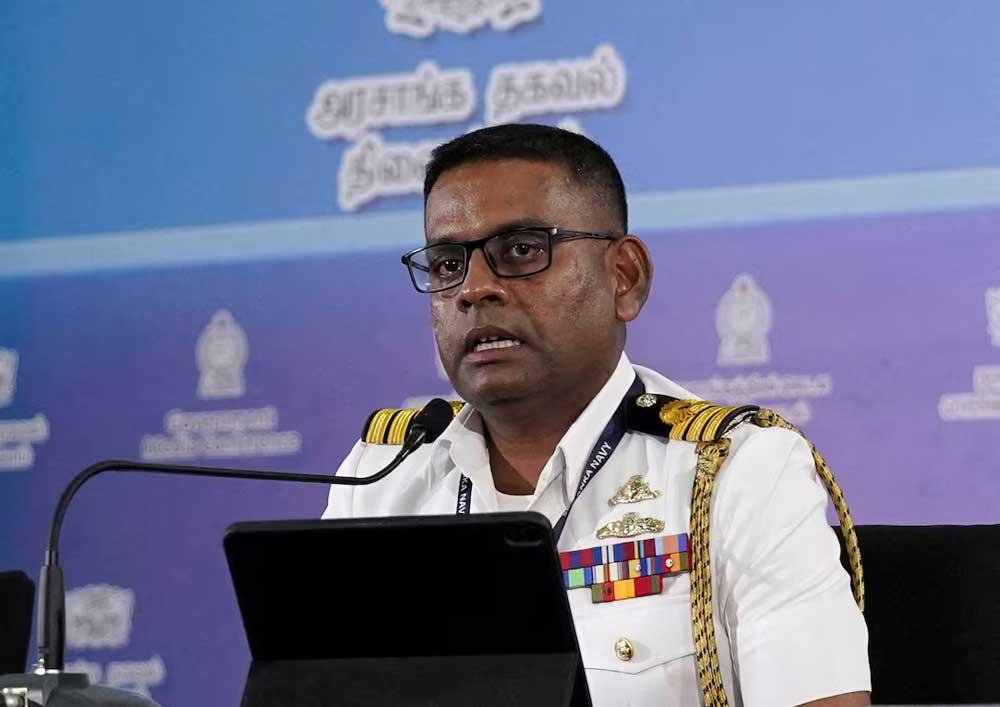
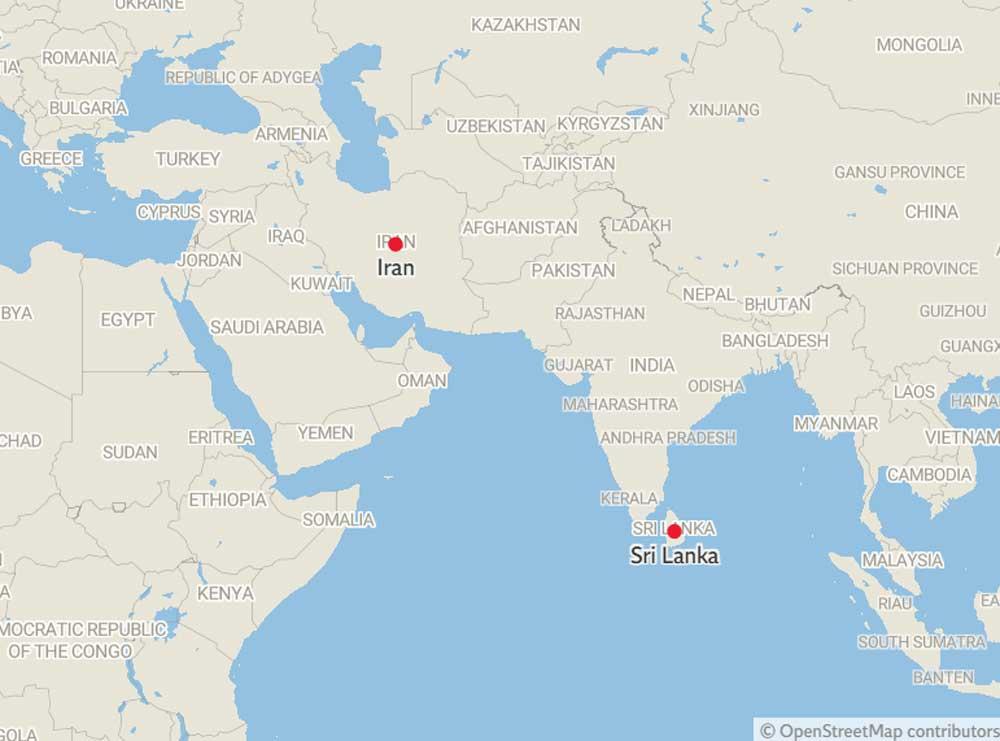
For Washington, the strike illustrated tactical precision amid lingering tensions in the region. For Sri Lanka, it exposed something far more unsettling. A warship was destroyed roughly forty nautical miles from our coastline. Sri Lanka became aware only after the distress signal and debris appeared. This was no accident, no misfire, no navigational error. It was a deliberate, calculated military strike in one of the world’s busiest shipping corridors, and it happened largely beyond our awareness.
Sri Lanka sits astride the East–West maritime highway linking the Middle East with Asia. Roughly sixty thousand vessels traverse these waters annually, carrying petroleum and goods essential to global commerce. Tankers, container ships, and naval fleets all pass just south of the island. This corridor is of immense strategic value. That is why global powers monitor it closely.
Yet a modern submarine can operate within forty nautical miles of our coast, track a warship, strike, and vanish without leaving a trace. Whether known quietly or not known at all, the reality remains the same: Sri Lanka lacked independent awareness of the strike. Rescue operations were swift and effective, but the challenge begins long before a distress call reaches shore. Maritime awareness starts much earlier.
Submarine warfare is one of the stealthiest forms of combat. Modern attack submarines can remain submerged for months, traverse thousands of kilometers silently, and launch precision weapons almost without warning. Detecting them demands layered, integrated systems: seabed sonar arrays, maritime patrol aircraft, satellites, and intelligence networks. Sri Lanka possesses fragments of this architecture but not the full system. Its navy excels at coastal defense. Offshore patrol vessels and fast attack craft intercept narcotics, smuggling, and illegal fishing with skill and determination. Deep-ocean surveillance is a different realm entirely. Without seabed arrays or long-range anti-submarine patrol aircraft, a submarine can strike from dozens of nautical miles offshore and vanish unseen.
This is not negligence; it is historical. For decades, Sri Lanka’s naval strategy was shaped by civil war. Priority: stopping the LTTE’s maritime operations. That meant fast craft, coastal intelligence, and rapid interdiction of smuggling. Deep-sea awareness of technologically advanced navies was irrelevant. The environment has changed. The Indian Ocean is no longer a quiet commercial corridor. It is a theatre where submarines, aircraft carriers, and long-range missiles operate openly. Multinational exercises occur frequently.
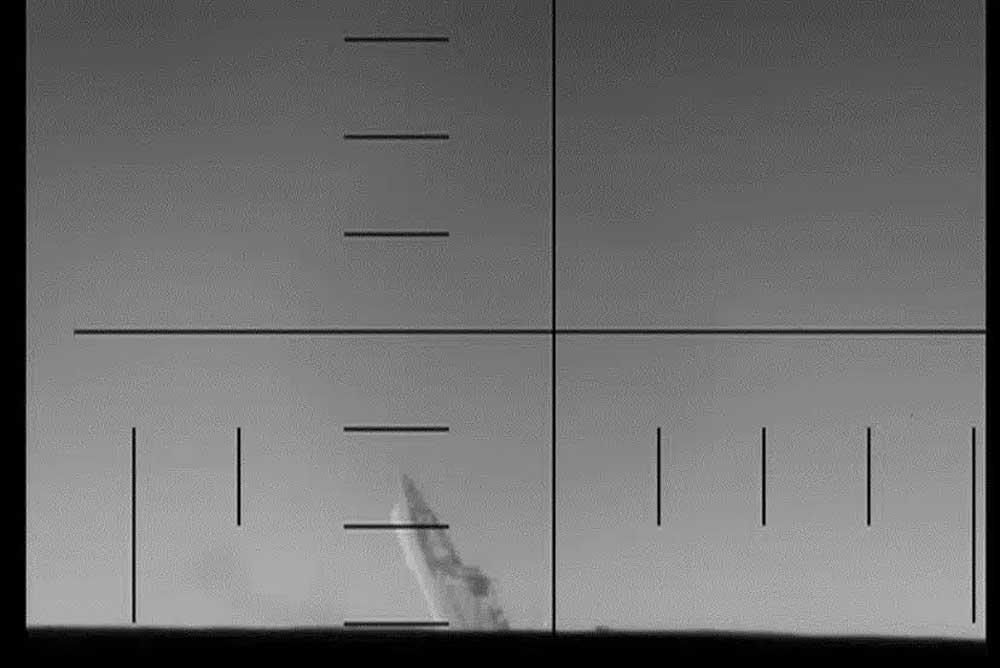
Diplomatic neutrality is a policy. It is not a technological shield. Submarines do not pause to check a country’s foreign-policy posture before entering nearby waters. Geography confers Sri Lanka immense strategic value and commensurate responsibility. Whether smaller states should have anticipated such a strike is almost irrelevant. The reality is stark: Sri Lanka’s maritime awareness was limited. The incident highlights how little monitoring capability smaller nations have over waters critical to global commerce and security. What if we had truly known? The strike was carried out by a state whose president became the first in history to bomb seven countries in a single year, openly sought the Nobel Prize, and yet struggled to explain the deaths of schoolchildren caused by those very strikes. In that context, the Sri Lankan president’s statement resonated profoundly as a declaration from a nation committed to neutrality and to the cause of global peace, But the optics of being caught off-guard within forty nautical miles did not reflect well on us.. From the perspective of global powers, Sri Lanka sits at the center of a critical maritime crossroads. Energy flows past its shores. Trade routes converge near its ports. Naval forces from several nations operate in close proximity. And yet our capacity to monitor these waters remains limited. We occupy the middle of a busy intersection and rely largely on the sound of approaching traffic. Coastal patrol vessels cannot substitute for persistent, layered surveillance. Maritime security in the twenty-first century is information warfare. Without awareness, neutrality becomes nothing more than hopeful distance from events we cannot see.
The IRIS Dena incident demonstrates that modern warfare has transcended visible battlefields. An advanced submarine tracked and destroyed a warship in a corridor vital to global commerce. Sri Lanka became aware only when the alarm sounded. The lesson is strategic, not political. Responding to disaster is necessary. Seeing it coming is invaluable. For a nation entirely surrounded by water, ignorance is no comfort.
The southern sea delivered a quiet but unmistakable warning. Maritime security is not peripheral. It is central to Sri Lanka’s survival and relevance. If a submarine can strike within forty nautical miles of our coast and vanish without a trace, the most troubling question is not who fired the torpedo. It is how little we knew before the alarm sounded.
The lessons from the IRIS Dena incident are not for the press but for decision-makers. Stepping back, the event exposes how Sri Lanka is perceived in practical terms. We have long branded ourselves as a resilient nation. Resilience when needed and the preparation required to ensure resilience are very different things. Being geographically valuable but lightly equipped means we can draw more attention than our capabilities suggest. The sinking of the IRIS Dena exposes a critical strategic blind spot in Sri Lanka’s maritime posture. An advanced submarine tracked and struck a warship in a corridor central to global commerce. We became aware only after the disaster had occurred. A nation surrounded by water cannot afford such limited awareness of the seas around it. The waves of the southern sea carry a clear signal. Maritime security is not peripheral. It is existential.