Thirteen Years, Falling Standards: Sri Lanka Cricket’s Decline and the Accountability Question.
By Amrith Perera
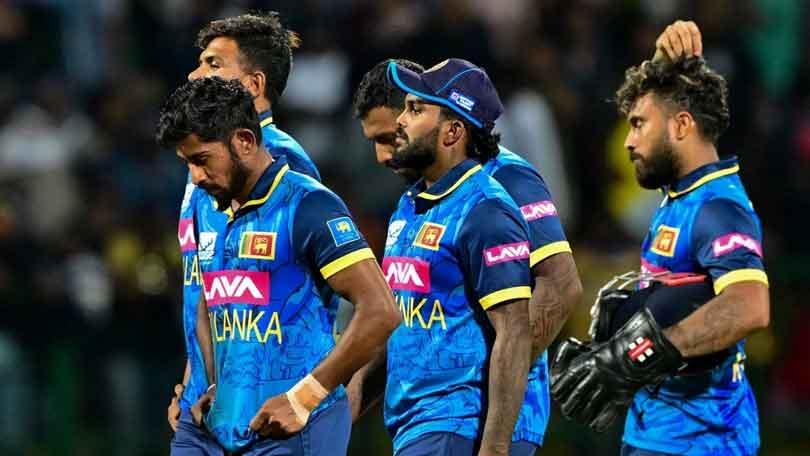
When Ashley De Silva stepped into the role of Sri Lanka Cricket’s chief executive in March 2013, first as acting CEO and later confirmed as permanent CEO, he inherited an organization that, on the field, still carried global credibility. At that point in time, Sri Lanka’s T20 side were not merely competitive; they were at the summit. Sri Lanka held the status of the world’s No. 1 ranked T20 International team during 2013. Today, the picture is vastly different. Sri Lanka now sit eighth in the ICC Men’s T20I rankings. For a country that once set the pace in limited-overs innovation and regularly reached the business end of global tournaments, this drop is not simply a dip; it represents a prolonged slide that has occurred almost entirely under one continuous executive tenure.
Performance and the CEO: A Standard That Applies Everywhere, Except Here?
In virtually every sector, the success of a chief executive is intrinsically linked to performance. Organisations can talk about strategy, process, and financial improvement, but the scoreboard in sport is ultimately unforgiving: wins, rankings, and tournament outcomes are the core product. Since 2015, Sri Lanka have failed to reach the knockout stages of a single ICC men’s tournament. Over the same period, Sports Ministers, Sri Lanka Cricket Presidents, head coaches, and captains have all changed, yet the CEO position has remained untouched.
An Unusually Long Tenure in World Cricket Administration
Across global cricket, executive turnover is normal. Even the International Cricket Council has seen multiple CEOs over the past three decades. Other full-member boards routinely refresh leadership in response to performance cycles. Against this backdrop, a 13-year uninterrupted tenure is highly unusual in modern sports administration.
What Sri Lanka Cricket Must Do to Change
- First, Sri Lanka Cricket must appoint a CEO with genuine private-sector experience, someone capable of driving accountability, reforming processes, and implementing real change rather than preserving the status quo.
- Second, the CEO must appoint an empowered Head of Cricket with complete autonomy to build Sri Lanka’s entire cricket ecosystem, from school cricket to domestic competitions and the national team.
- Third, the development pathway must be modernised. Sri Lanka’s school system still does not meaningfully incorporate T20 cricket, a glaring weakness in a world where T20 dominates global cricket and shapes modern skills.
- Finally, Sri Lanka Cricket must be structurally split into two independent verticals: a Cricket Division focused solely on performance, and a Corporate & Operations Division handling finance, marketing, governance, and logistics. This separation would enable accountability, professionalism, and clarity of purpose.
Thirteen years is not a rough patch; it is an era. Sri Lanka’s decline from global leaders to mid-tier performers has occurred with the same individual at the administrative helm. The question confronting Sri Lanka Cricket is no longer about tactics or team selection. It is about accountability. When will leadership take responsibility, and allow Sri Lanka Cricket to begin again?