Ayatollah Ali Khamenei: A Contested Legacy of Power, Repression, and Crisis in Iran
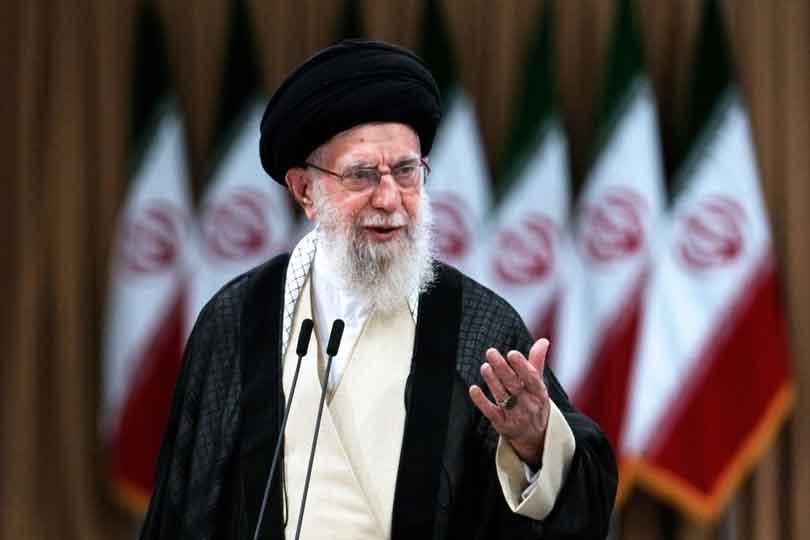
Ayatollah Ali Hosseini Khamenei, who led the Islamic Republic of Iran from 1989 until early 2026, was one of the most influential and controversial figures in the Middle East over the past three decades. As Iran’s Supreme Leader, he wielded ultimate authority over the country’s political, military, judicial, and ideological institutions. International observers and human rights organisations have repeatedly criticised the Iranian government’s record on civil liberties, treatment of women, and handling of dissent during his tenure. On the 28th of February 2026, Khamenei’s long rule entered a dramatic and uncertain new phase as United States and Israeli forces launched a major military offensive against Iran, with statements from President Donald J. Trump and Israeli leaders asserting that he was killed in the strikes. The accuracy of these claims remains contested amid ongoing conflict. This article examines Khamenei’s rise, the human rights issues that marked his rule, the systematic restrictions on women’s rights in Iran, the recent escalation in violence and political crisis, and the broader implications for the region.
From Revolutionary to Supreme Leader
Ayatollah Ali Khamenei was born in 1939 in the northeastern Iranian city of Mashhad. He became involved in political activism against the ruling monarchy of Shah Mohammad Reza Pahlavi during his youth and joined the growing network of clerical opposition. After the 1979 Iranian Revolution brought an end to the Shah’s rule and established the Islamic Republic, Khamenei rose rapidly within the new political hierarchy. He served as Iran’s president from 1981 until 1989, when he was appointed, Supreme Leader following the death of Ayatollah Ruhollah Khomeini, the founder of the Islamic Republic. As Supreme Leader, Khamenei became the highest authority in Iran, with control over the military, intelligence services, judiciary, state media, and major appointments including the commanders of the Islamic Revolutionary Guard Corps (IRGC) and key judicial and security officials. His role shaped Iran’s domestic policies, ideological direction, and foreign affairs, often setting the tone for the government’s confrontational stance toward the United States, Israel, and Western powers.
Crackdowns on Protest and Dissent
During Khamenei’s rule, waves of social unrest have periodically swept across Iran, triggered by economic hardship, political grievances, and demands for greater personal freedoms. In each case, security forces and the judiciary responded forcefully. Mass protests in 2009 ignited after a disputed presidential election, with demonstrators taking to the streets in Tehran and other cities. Security forces used live ammunition, mass arrests, and violent repression. The Green Movement was ultimately crushed, and many activists were imprisoned or forced into exile. Nationwide protests resurfaced in 2017 and 2018 in response to economic stagnation and corruption. In November 2019, demonstrations triggered by sudden increases in fuel prices prompted one of the most severe crackdowns in recent memory, including widespread internet shutdowns and lethal force against unarmed protesters. Most recently, beginning on the 28th of December 2025, mass demonstrations erupted across Iran over economic conditions and demands for political reform. Independent observers have reported thousands of deaths, although exact figures vary widely. Iran’s Interior Ministry later released an official death toll of just over 3,000, while activists and external monitoring groups reported significantly higher numbers, with some estimates reaching into the tens of thousands.
In response to these protests, tens of thousands of people, including students, journalists, lawyers, activists, and ordinary citizens, were arrested and detained. Many have been held without access to independent legal counsel, subjected to torture, coerced into forced confessions that were broadcast on state television, and in some cases sentenced to death after unfair trials. Human rights groups including Human Rights Watch and Amnesty International have documented enforced disappearances, torture, ill‑treatment, and death sentences without due process. The United Nations and human rights organisations have described the scale of repression as extreme and devastating. A resolution adopted by the United Nations Human Rights Council in January 2026 condemned the prolonged internet shutdown imposed by Iranian authorities as a violation of international human rights law and highlighted the lack of access to independent information, while reiterating calls for accountability and independent investigations into alleged violations.
The Suppression of Women’s Rights
One of the most internationally visible aspects of state policy under Khamenei’s leadership was the treatment of women and girls, particularly regarding personal freedoms and dress codes. Since the establishment of the Islamic Republic in 1979, Iran’s legal system has required women to follow strict rules regarding modesty and dress, including the compulsory wearing of the hijab in public. The enforcement of these rules, carried out by the Guidance Patrol or morality police, became a flashpoint for domestic and international criticism. The death in September 2022 of Mahsa Amini, a 22‑year‑old woman who fell into a coma and died after being detained by the morality police for allegedly violating hijab rules, sparked the nationwide “Woman, Life, Freedom” movement. Protests drew millions of Iranians, both women and men, demanding respect for basic rights, accountability for her death, and broader systemic reform. The government’s response included mass arrests, lethal force, and attempts to block and control information. Although Iranian state television described her death as resulting from health conditions, independent observers and a United Nations fact‑finding mission later reported that her death was the result of physical violence inflicted during her detention, concluding that the compulsory hijab laws itself violate international human rights standards by discriminating against women and girls. Beyond the compulsory dress code, Iranian law under Khamenei’s leadership continued to enforce gender‑discriminatory practices in areas such as inheritance, the testimony of women in court, family law, and child custody. Women’s rights advocates and United Nations investigations documented ongoing restrictions on freedom of movement, professional opportunities, and participation in public life for women and girls.
Legal Repression and the Death Penalty
Capital punishment has been widely used in Iran, often following prosecutions criticized by international observers as unfair and opaque. During the 2025‑2026 protest crackdown, courts rapidly sentenced dozens of detainees, including minors, to death on charges such as “enmity against God” and “corruption on earth,” legal categories widely criticized for their broad and vague application. Amnesty International reported that many of those sentenced to death had been denied access to independent lawyers, raising serious concerns about fairness and due process.
Amnesty International and other groups also documented patterns of torture, sexual violence, threats of summary executions, denial of adequate food and medical care, and deliberate omission of legal protections. These practices, coupled with mass arrests of peaceful protesters and their supporters, have led human rights groups to call for independent investigations and accountability for potential crimes against humanity.
International Condemnation and Calls for Accountability
Iran’s domestic policies and handling of dissent under Khamenei’s leadership drew regular criticism from global human rights institutions, Western governments, and international civil society. Reports by United Nations bodies, European Union statements, and independent human rights organisations condemned the use of disproportionate force against protesters, arbitrary detention, torture, and systemic discrimination against women and minorities. Many of these reports have explicitly called for accountability, monitoring access, and cessation of the death penalty against protest detainees. In Geneva in early 2026, the United Nations Human Rights Council adopted a resolution condemning Tehran’s action during the protests and its restrictions on fundamental freedoms, emphasizing the urgent need for unrestricted internet access and independent fact‑finding to determine the extent of abuses.
The 2026 Joint U.S.–Israeli Offensive and the Reported Death of Khamenei
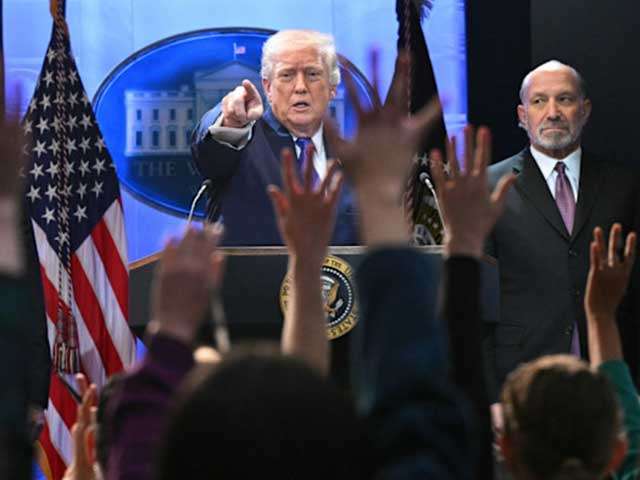
On the 28th of February 2026, a major military operation, often referred to by some sources as “Operation Epic Fury,” was launched by the United States and Israel against Iranian targets. The offensive included airstrikes on military infrastructure, leadership compounds, and strategic facilities across Iran. Israeli Prime Minister Benjamin Netanyahu stated there were “many signs” that Supreme Leader Ayatollah Ali Khamenei had been killed in the strikes, accusing him of decades of repression and of exporting violence across the region. President Donald J. Trump echoed these assertions and praised the outcome as justice for victims of Iranian actions. Iranian authorities, however, have provided conflicting accounts. Some reports, including from credible global news outlets, described strikes near Khamenei’s compound and extensive damage but did not immediately confirm his death. Iranian leaders condemned the attacks as violations of international law and warned of retaliation. The United Nations Security Council held emergency discussions urging restraint to prevent wider conflict as the situation continued to evolve.
Legacy and Implications
Ayatollah Ali Khamenei’s three‑and‑a‑half decades of leadership left a complex and deeply contested legacy. Supporters within Iran and allied networks saw him as a guardian of the Islamic Revolution, defending national sovereignty and resisting foreign influence. Critics, human rights advocates, and many ordinary Iranians saw his rule as characterised by authoritarian control, systemic suppression of basic freedoms, gender discrimination, and brutal repression of dissent. The recent military offensive and the reports surrounding Khamenei’s reported death represent a potential turning point in Iranian history and regional politics, but they also highlight the fragility and volatility surrounding long‑standing conflicts between Iran, the United States, Israel, and their respective allies. Whether these developments will produce lasting change within Iran or lead to prolonged instability and suffering remains uncertain.
What is clear from numerous independent investigations and human rights assessments is that the Iranian people have endured deep restrictions on freedom of expression, assembly, and personal autonomy, and that those restrictions have been carried out through coercive and violent policies under the leadership of Ayatollah Ali Khamenei for decades.