What Is Nano Banana by Gemini?
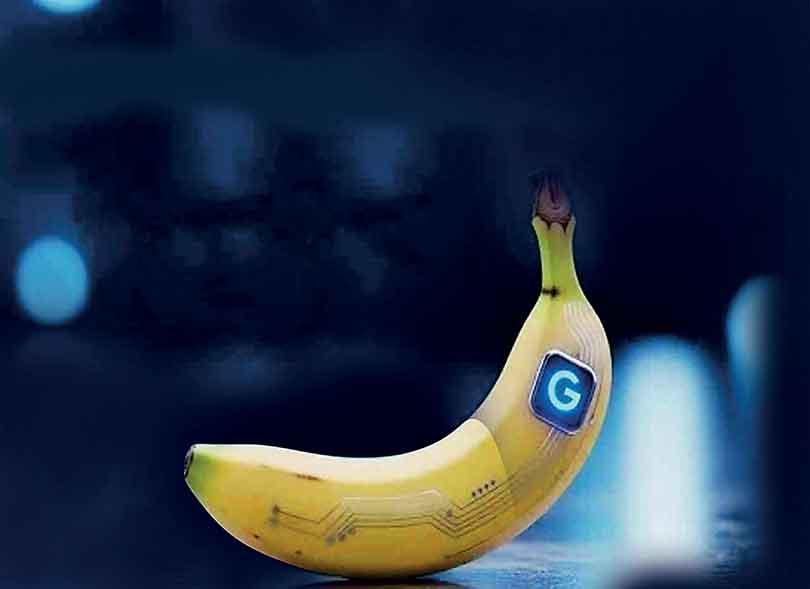
Nano Banana is an artificial intelligence image generation and editing model created by Google DeepMind and released through the Gemini ecosystem. It is the public name for the technology known internally as Gemini 2.5 Flash Image, which became available in August 2025. The model allows users to create entirely new images using written prompts or to transform existing photographs with simple instructions. Its arrival marked an important step in bringing advanced visual AI tools to mainstream audiences.
Nano Banana functions as a text to image and image to image engine. Users can describe a scene in natural language and receive a visual representation that matches the description. For example, if someone requests an image of a cat sleeping on a windowsill, Nano Banana can generate a realistic or stylised version of that scene. The model can also modify existing photographs. A user can upload a picture and ask the system to adjust lighting, change backgrounds or apply a particular visual theme. The ability to combine multiple images and maintain subject consistency across a series adds to its creative flexibility.
The simplicity of the interface helped Nano Banana become a cultural phenomenon shortly after its release. Social media platforms were quickly filled with stylised portraits, cartoon-like avatars and playful edits created using the model. One of the earliest viral trends involved turning selfies into three-dimensional figurine-style characters. Because the tool does not require any knowledge of professional design software, it attracted not only digital artists but also everyday users exploring creative expression for the first time.
While Nano Banana gained attention for casual experimentation, it soon evolved into a tool with professional value. Google DeepMind built upon the initial popularity by developing Nano Banana Pro, a more powerful version released in November 2025 and powered by the Gemini 3 Pro Image model. This edition offers higher resolution outputs suitable for printing, improved text rendering and greater accuracy in producing diagrams, posters and other graphic layouts. Professionals in advertising, marketing and media were quick to adopt the upgraded model for rapid visual prototyping and content production.
The strengths of Nano Banana lie in its accessibility and speed. Anyone with a smartphone or computer can generate images within seconds. The technology works across a wide range of creative needs, from social media posts to conceptual mock-ups. The Pro model’s enhanced rendering quality has made it increasingly common for creative teams, small businesses and content creators to use Nano Banana in place of more time-consuming design processes.
However, the model is not without limitations. Although its outputs are often striking, they can occasionally contain small imperfections or unnatural details. Generating highly realistic scenes sometimes requires very specific instructions. Users also need to consider ethical issues including responsible representation of real people, copyright concerns and the potential misuse of manipulated imagery. These matters have become more significant as AI-generated visuals become harder to distinguish from authentic photography.
Nano Banana represents a broader cultural and technological shift. For decades, producing high quality visual content required training in graphic design or photography. Tools like Nano Banana allow almost anyone to conceptualise and execute visual ideas through language alone.
This democratization of creativity is reshaping industries that depend heavily on imagery, from publishing to digital marketing. At the same time, it forces important discussions about artistic authenticity and the role of human creativity in an era of increasingly capable machines.
In summary, Nano Banana is a landmark development in consumer-level visual AI. What began as a fun tool for generating playful portraits has quickly matured into a versatile resource for both casual users and professionals. With the arrival of Nano Banana Pro and the rapid evolution of the Gemini ecosystem, the technology is set to influence how visual content is imagined, created and shared.