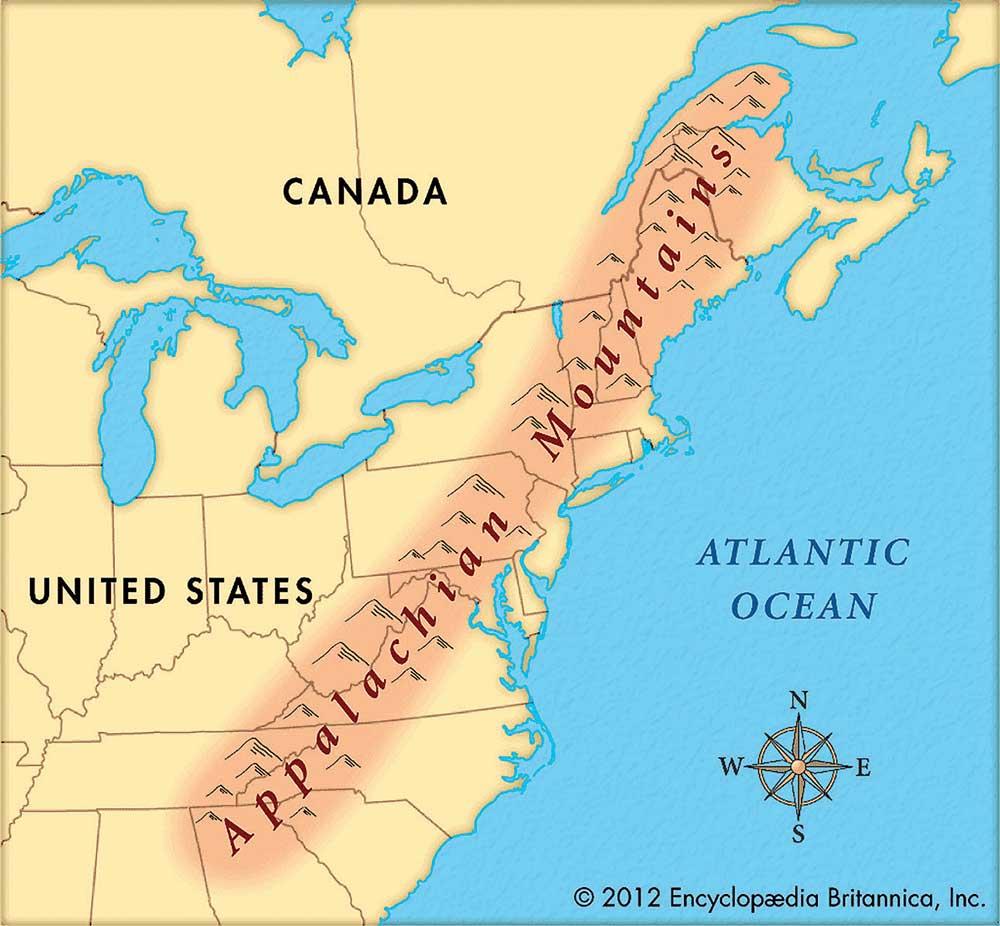
The History of the Appalachian Mountains
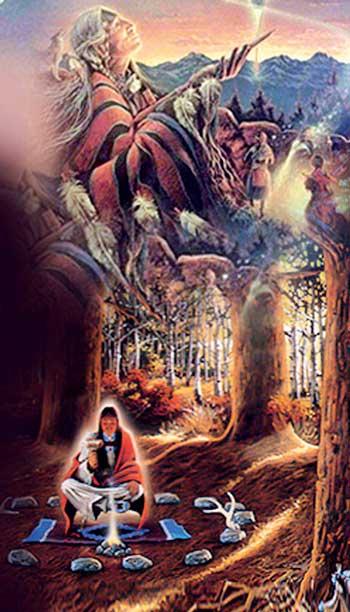 The Appalachian Mountains are among the oldest formations on Earth, shaped long before human memory. Their age is not only geological but experiential. The land feels layered, watchful and heavy with presence. Those who live in Appalachia often speak of the mountains as though they are conscious, not metaphorically but practically. You listen to them. Follow their rules. You do not assume safety simply because the trail is familiar. Long before European settlers arrived, Native American tribes such as the Cherokee lived within these mountains with deliberate caution and respect. The forest was understood to be alive, inhabited by forces that could not always be seen but were consistently felt. These beliefs were not superstition in the modern sense, they were more like systems of survival. Certain sounds were forbidden, certain hours of the day, especially night, belonged to something else.
Indigenous warnings and spirit beings
Cherokee traditions speak of spirit beings that exist between world, often described collectively rather than individually. These beings were known for imitation, copying voices, movements and even appearances. Elders warned that hearing a familiar voice in the woods did not mean safety, it often meant the opposite. Responding, following or even calling back was believed to place a person in danger by acknowledging something that should not be engaged.
One of the most respected figures in Cherokee belief is the Nunnehi, often described as spirit people who live inside the mountains or beneath the earth. Unlike many other entities later sensationalized in horror culture, the Nunnehi were not malevolent. They were protectors and guides, but only to those who respected the land. They did not reveal themselves freely and were said to vanish as quickly as they appeared, leaving behind the sense that the mountains themselves had intervened. These beliefs emphasize a central Appalachian idea that not everything unseen is hostile but everything unseen deserves caution.
‘Rules’ Of Appalachia
Few Appalachian rules are followed as strictly as the warning against whistling at night. This belief appears across indigenous traditions and settler communities alike, passed down with little explanation but absolute seriousness. Whistling is understood not as harmless sound but as a form of calling. At night, sound behaves differently in the mountains. It carries, bends and returns from impossible distances.
Whistling is said to attract attention from entities that listen rather than hunt, beings that respond by copying, circling or drawing closer. Many accounts describe whistles answered in the same time, as though something is learning the sound. The rule is quite simple really, if you hear whistling after dark, do not respond. Acknowledgment is thought to be an invitation.
 Things that imitate
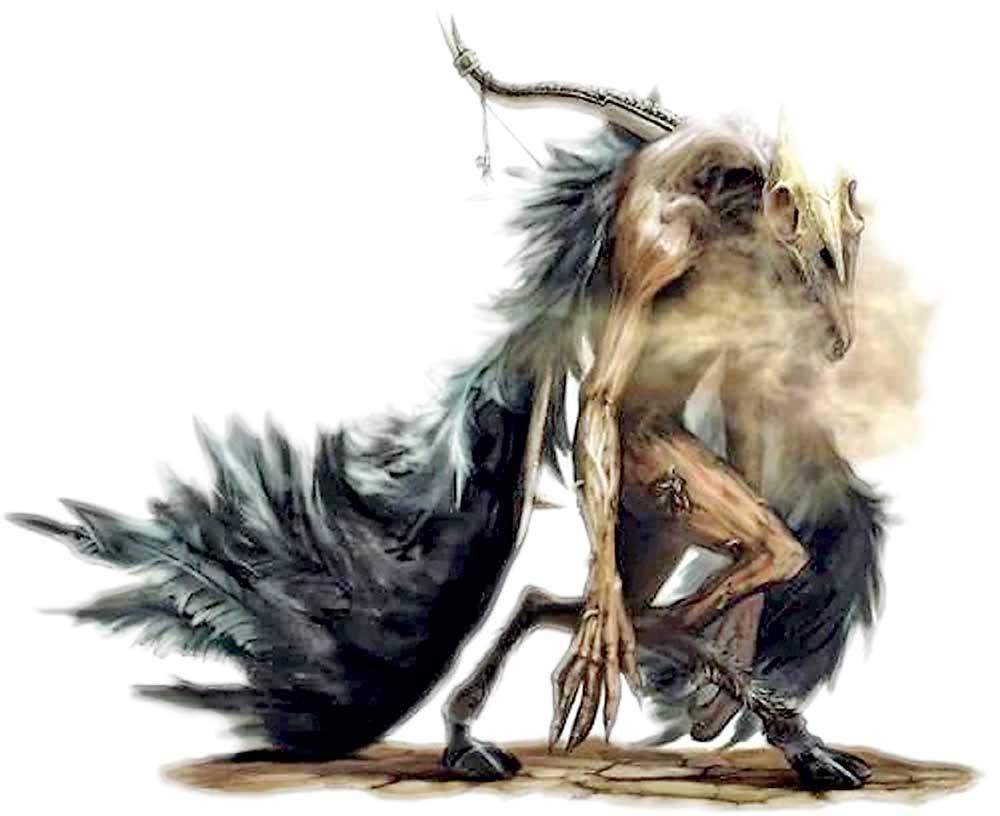
Modern Appalachian residents continue to report encounters that mirror centuries old warnings. Hunters, hikers, and park workers describe hearing their names spoken in familiar voices when no one is present. Others speak of footsteps that match their own pace precisely, stopping when they stop, resuming when they do. There are also repeated sightings of figures at the edges of tree lines, too tall, too still or shaped slightly wrong. Animals that move unnaturally. People who stand without breathing or blinking. Witnesses often report a sudden, overwhelming sense of dread before seeing anything at all, as though their body recognized danger before their mind did. While outsiders often label these stories as myths, locals rarely name what they see. Naming, like whistling, is believed to give attention.
Always watching
One of the most unsettling experiences described in the Appalachians is a sudden silence. When insects stop, birds disappear, and even the wind seems to pause, people know to leave. The silence feels deliberate, as if the forest itself is listening. Those who experience it describe the sensation of being watched, not by a predator but something assessing, something intelligent. Patient. The advice passed down through generations is to leave calmly, without panic and without speaking. Emotional reactions are believed to draw attention.
Not just stories
What separates Appalachian beliefs from typical folklore is its practicality. These stories are not told for entertainment. They are shared as warnings. Many people will say “I don’t know what it was, but I know I won’t go back” or “I grew up here, I know when something isn’t right”. The mountains’ extreme age contributes to this reverence. Time feels compressed in Appalachia, as though the past never fully left. Communities developed in isolation, preserving knowledge that continued to prove useful. When the same rules protect people for centuries, they become tradition, not just mere superstition. At its core, Appalachian beliefs are about respect. Respect for land that does not belong to you. Respect for forces we do not understand. Respect for warnings that survived because ignoring them had consequences.
The Appalachian Mountains do not require powerful belief, they only require acknowledgment and they are still, always watching.