The History of Halloween From Scary Spirits to Sexy Scares
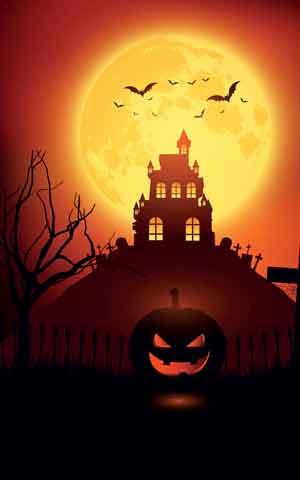 Every October, the world slips into the strange, dazzling chaos of Halloween, a night where ghosts, witches, and vampires rub shoulders with angels, fairies, and pop culture icons. It’s spooky season! But behind the pumpkin spiced lattes, “slutty” costumes, and Instagram-perfect décor lies a holiday with ancient roots, strange twists, and global interpretations that say a lot about how we humans deal with fear, fantasy, and fun. Let’s take a little trip into the hauntingly fascinating history of Halloween, how it has evolved, and why “scary” somehow became “sexy.”
The Ancient Origins
Halloween’s story begins not in America, but on the misty hills of ancient Celtic Ireland around 2,000 years ago. The Celts celebrated Samhain (pronounced “sow-in”), a festival marking the end of the harvest and the start of winter, the dark half of the year. They believed that on the night of October 31st, the boundary between the living and the dead blurred. Spirits could cross over, visiting their old homes or causing mischief. To ward them off, or sometimes welcome them, villagers lit bonfires, wore animal skin costumes, and made offerings of food. When Christianity spread through Europe, the church, in classic PR fashion, tried to rebrand pagan celebrations. They introduced All Saints’ Day, or All Hallows Day, on November 1st to honour saints and martyrs. The night before, All Hallows’ Eve, eventually became Halloween. By the 19th century, Irish and Scottish immigrants brought Halloween traditions to North America, where it transformed into the costume and candy carnival we know today.
 Trick or Treating
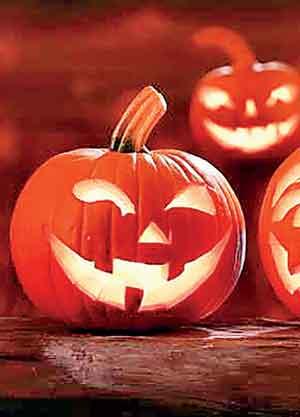
Early American Halloween looked very different, less “pumpkin patch photoshoot,” more “mischievous chaos.” Kids and teens would play pranks, vandalize property, and generally terrorize their neighbourhoods. It wasn’t until the 1930s to 1950s that communities began encouraging trick or treating as a safer, family friendly alternative. The idea came from customs like “souling” in medieval England, where the poor went door to door on All Hallows’ Eve, offering prayers for the dead in exchange for “soul cakes.” By the time the major candy companies caught on, Halloween was no longer a night for ghosts; it was a marketing goldmine. By the early 2000s, Halloween had become a multibillion-dollar industry, second only to Christmas in U.S. consumer spending. Today, it’s less about the afterlife and more about the aesthetic, a pop culture fusion of horror, humour, and hedonism.
Costumes Through the Ages
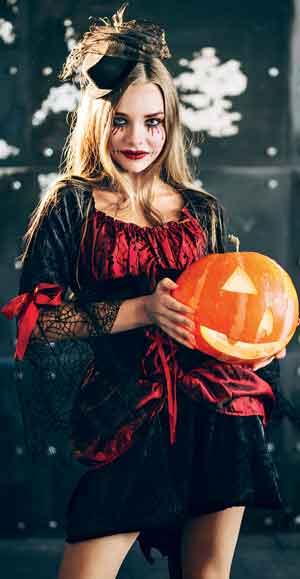
Originally, Halloween costumes had one job: to scare spirits away. People wore animal heads and skins or disguised themselves as ghosts to confuse the supernatural. But once Halloween went mainstream, costumes became a form of self-expression, a way to escape, to play, to perform. By the mid-twentieth century, mass produced costumes appeared, featuring Frankenstein, Dracula, skeletons, and witches. Then came pop culture, superheroes, movie characters, and meme-worthy getups. Somewhere along the way, especially from the late 1970s onward, costumes got a little hotter.
When Scary Became Sexy
You know the joke: every costume is “the sexy version.” Nurse? Sexy. Vampire? Sexy. Ghost? Sexy, somehow. But how did we get from bloodcurdling screams to fishnets and faux fangs? It all started with the sexual revolution of the 1960s and 1970s. As women gained more freedom over their bodies and self-expression, clothing became a form of empowerment and play. Halloween, with its theme of disguise and transformation, became the perfect space to experiment with identity, including sexuality. In the 1980s and 1990s, Hollywood helped cement the “sexy Halloween” trope. Slasher films like Halloween, Scream, and Friday the 13th often featured “final girls,” attractive, vulnerable yet strong female characters, and horror became entwined with erotic tension. By the time Mean Girls famously declared, “Halloween is the one night a year when a girl can dress like a total slut and no other girls can say anything about it,” the transformation was complete. It’s important to note, this isn’t just about objectification. For many, it’s also about liberation. Halloween lets people step outside their everyday identities. It’s a night where the rules loosen, taboos fade, and playfulness takes centre stage. Scary becomes sexy because Halloween isn’t just about fear, it’s about fantasy.
Halloween in Sri Lanka
Here in Sri Lanka, Halloween is not traditionally celebrated, but in recent years it has gained surprising popularity, especially among Gen Z and urban youth. The rise of social media, global entertainment, and Western cultural influence has brought spooky season to Colombo’s cafés, bars, and universities. Halloween parties, costume contests, and themed nights have become annual events in upscale restaurants and clubs. People show up as Harley Quinn, vampires, angels, or characters from The Purge and Wednesday. Even schools and tuition centres host mini celebrations. What’s fascinating is how people make it their own. Instead of focusing on the “spirit world,” it’s seen more as an aesthetic holiday, a reason to dress up, take pictures, and have fun. Local influences sneak in too. Makeup artists blend Western horror with traditional yakshas (demons) or bherunda mythology. Local bakers create “bloody” red velvet treats, and some even use Halloween as a platform for creative activism, tackling issues like gender norms, mental health, or body image through costume symbolism.
Still, there’s occasional pushback from conservative circles labelling Halloween as “foreign” or “unnecessary.” But for many young Sri Lankans, it’s less about cultural invasion and more about creative expression in a world that often feels rigid.
 The Deeper Meaning Beneath the Makeup
Strip away the makeup, costumes, and fake blood, and Halloween, at its core, is about our relationship with death and the unknown. It’s the one time of year when we collectively flirt with fear rather than avoiding it. The skulls, ghosts, and graveyard imagery aren’t morbid for the sake of it; they’re ancient symbols reminding us that death is a part of life. The laughter and candy are our way of saying we won’t be afraid, or at least we’ll try not to be. In a way, Halloween lets us do what humans have always done: take what scares us and turn it into a story, a party, or a joke. We dance with the darkness, safely and temporarily, and return to daylight knowing we survived the night.
A Night of Masks and Meaning
Halloween has shapeshifted through centuries, from Celtic bonfires to American suburbia to Colombo’s Instagram feeds. It has been holy, haunting, humorous, and a little raunchy. But maybe that’s the point. Halloween isn’t about being one thing, it’s about becoming. It’s about curiosity, creativity, and chaos. Whether you’re painting your face, donning a witch hat, or scrolling through TikTok costumes, you’re participating in a tradition that’s thousands of years old, celebrating the magic of transformation.
So this Halloween, light a candle for the spirits, or just your scented one from Bath and Body Works, eat the candy guilt free, and remember, whether you go scary, funny, or sexy, you’re part of a long and wild human ritual, one that’s been reminding us for eons that life is short, sometimes fear can be fun, and masks can often reveal more than they hide.