Thank you, you did great! Sri Lanka’s Week of Fury: Reflections on a Nation Under Water
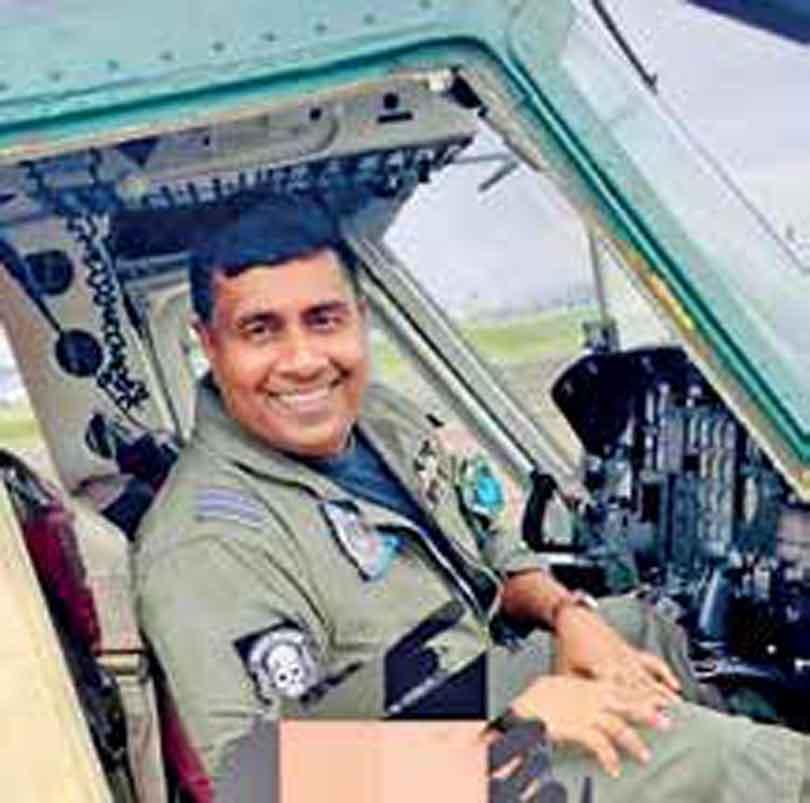
Wing Commander Nirmal Siyabalapitiya

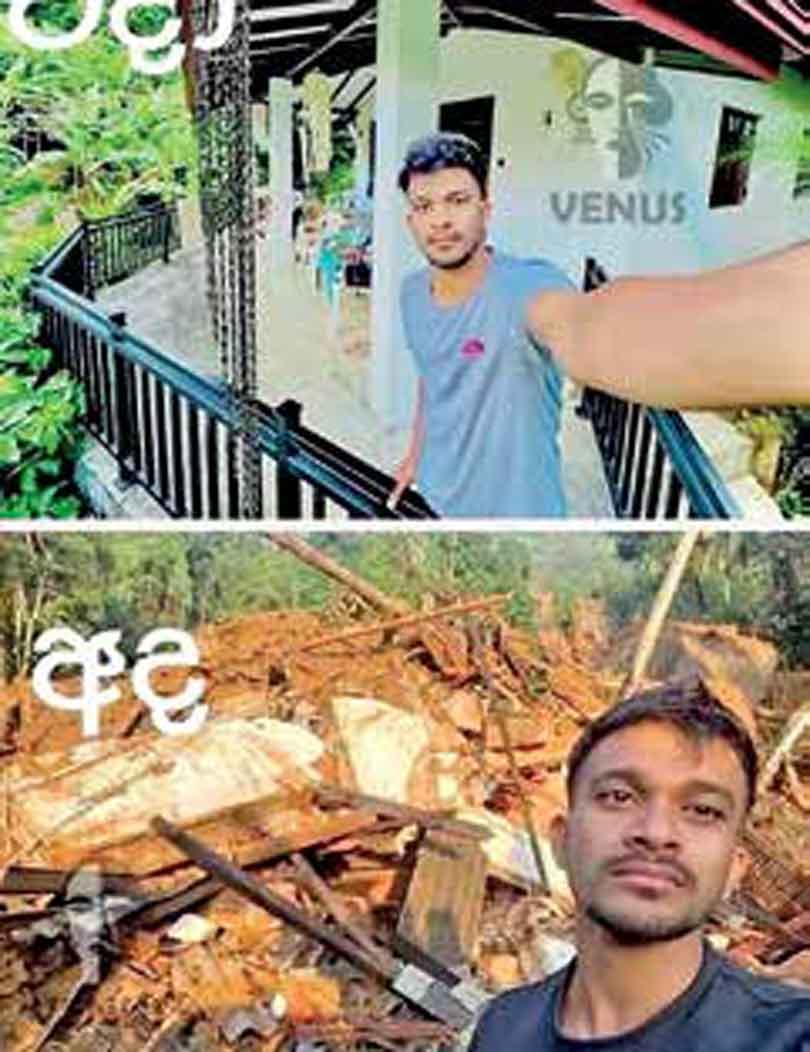
Line Technician Anuruddha Kumara
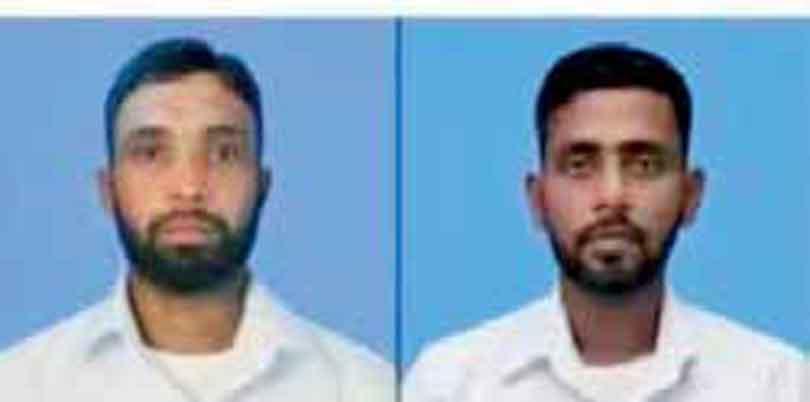
Five Sri Lanka Navy personnel involved in the mitigation operation in Chundikkulam
What began as scattered heavy showers across the island soon escalated into one of the most devastating weeks of extreme weather Sri Lanka has faced in recent years. Each day brought new tragedy, every report added more districts to the growing map of destruction, and the weight of the unfolding disaster felt heavier than the floodwaters that swallowed homes, roads, and entire communities. Cyclone Ditwah, gathering strength offshore, intensified the anxiety that had already settled over the nation.
The first warnings were small but alarming. Water levels were rising faster than usual, drains began to overflow, and winds strengthened in the Eastern Province. Then came the news from Sainthamaruthu. A car had toppled into a flooded canal, claiming the lives of three members of the same family. An elderly couple and their granddaughter, on an ordinary journey, were suddenly lost to the weather that had already begun to tighten its grip on the island. By that time, meteorologists were tracking a deep depression over the southeast. Within hours, it intensified. It hovered near Batticaloa, gathering force and threatening to evolve into a cyclonic storm as it moved north-northwest. The Indian Meteorological Department soon issued a pre-cyclone watch for Tamil Nadu and Andhra Pradesh, confirming that Cyclone Ditwah was forming over the Bay of Bengal. Its proximity to Sri Lanka deepened the anxiety that had already settled across the island.
In the central hills, the situation escalated rapidly. Kandy was the first district to declare an emergency. Landslides tore through Pathahewaheta and Udumbura, claiming five lives. Rescue teams sifted through mud and debris, hoping to find survivors. The famous eighteen hairpin bend road was closed, cutting off a major route. The railway line between Kandy and Matale was submerged, leaving the tracks unusable. Gangoda reported three more fatalities in another landslide. In Nuwara Eliya, soil instability caused six deaths and left three people missing.
With each update from the Disaster Management Centre, the numbers climbed. As of the latest assessment, the death toll had reached thirty-nine. Seventy-nine divisional secretariat divisions across seventeen districts were struggling under the impact. More than four thousand people had been affected. Families sought shelter with relatives or in temporary evacuation centers as their homes succumbed to floods and landslides.
Amid the grief, the government moved to support those affected. President Anura Kumara Dissanayake approved compensation of one million rupees per person for every life lost. The order, issued through the Presidential Fund, was intended to reach grieving families swiftly, though compensation could never replace what had been lost. This past week highlighted how quickly weather could turn violent and how vulnerable communities are when nature lashes out without warning. From the east to the central hills, the stories were the same. Families were uprooted, roads severed, towns isolated, and the nation braced itself for the possibility of a cyclone just beyond the coastline.
Yet amid the devastation, resilience emerged. Rescue teams continued their work tirelessly. Families sheltered strangers, and communities gathered to support those who had lost everything. One social media news aggregator posted, “When you think life is not worth living, our Air Force will get into a helicopter and fly to you in a cyclone. CEB will climb electricity poles to restore your lights. Thousands will line up to offer assistance.” These words captured the spirit of collective determination that sustained the nation.
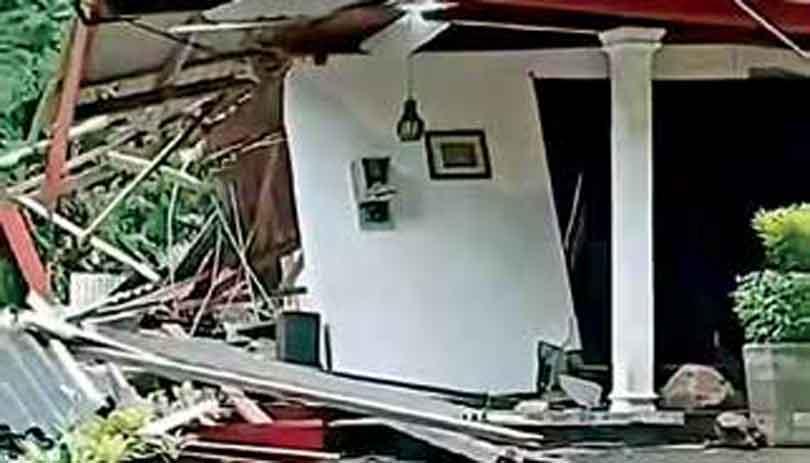
Reports from the central and Uva provinces painted a grim picture. In Pussellawa-Taldena in Badulla, an entire house was swept away by a landslide. Three people who had been inside were reported missing. Rescue teams searched through drenched ground and shifting soil, hoping for breakthroughs. Meanwhile, the Advanced Level examination period was underway, causing additional concern for students and parents. Flooded roads, inaccessible exam centers, and postponed papers created uncertainty. Prime Minister Harini Amarasuriya addressed the nation, assuring families that every effort would be made to ensure that no candidate would be left behind. Coordination between provincial authorities, the Disaster Management Centre, the Air Force, and the Meteorological Department was emphasized to maintain the examination system amid disruptions.
The Commissioner General of Examinations confirmed that papers scheduled for November 27, 28, and 29 would be rescheduled. Other examinations, including recruitment and efficiency bar exams, were postponed. Muslim schools were closed islandwide for two days. International schools followed with temporary closures to protect students. Special meetings at the Ministry of Education ensured that safety, practicality, and fairness were balanced during the crisis.
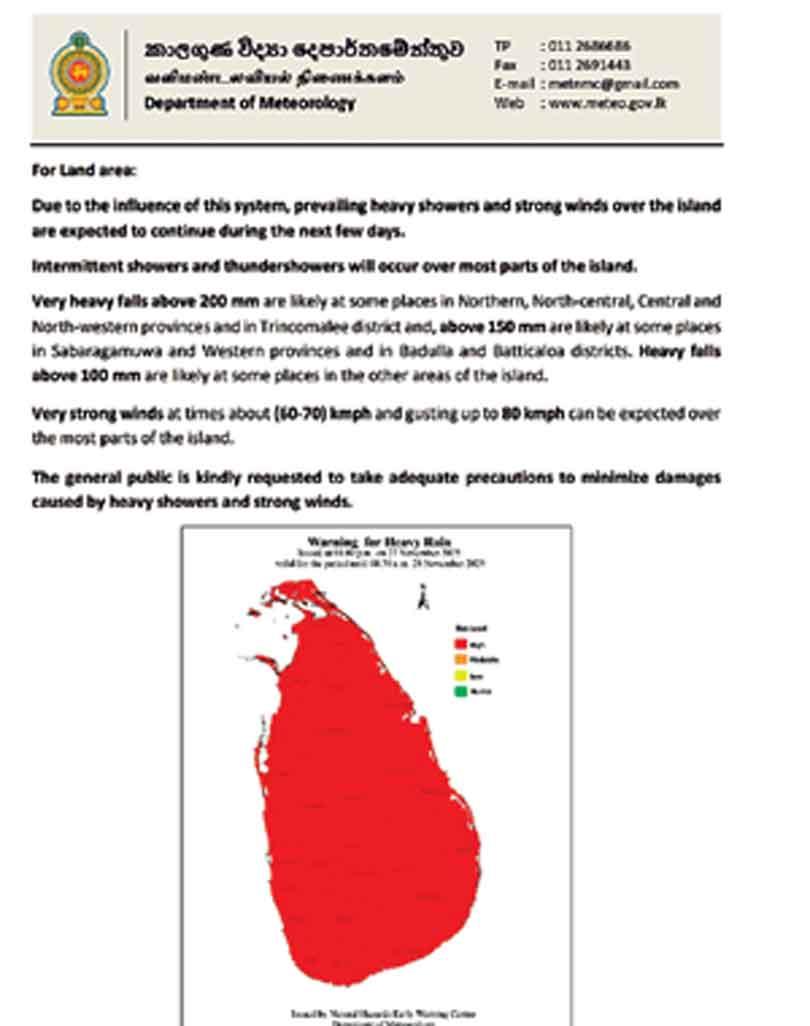
Warnings about Cyclone Ditwah intensified. A red alert was issued by the Natural Hazards Early Warning Centre, covering the period from the evening of November 27 to dawn on November 28. The threat was no longer distant and moved closer with each update.
In Colombo, preparations increased. New hotlines were introduced for the public to report emergencies. The 24-hour line 117 was reinforced with two additional numbers to coordinate disaster response. Elsewhere, the military intervened where roads were cut off. In Mahawa Ella, a Bell 212 helicopter from the Air Force rescued three people trapped on the upper floor of a flooded home after the Deduru Oya overflowed. They were airlifted to safety, providing a rare moment of relief in a day dominated by grim statistics.
By then, the Disaster Management Centre confirmed thirty deaths in just two days and forty lives lost since mid-November. Nineteen deaths were reported in Badulla alone. Landslides, floods, collapsing homes, and rising waters reshaped entire communities. More than 5,800 individuals were severely affected, and missing persons continued to rise.
The cascading crisis forced further closures and adjustments. All international schools were shut. Expressways became temporarily toll-free to expedite emergency travel. The government declared a special holiday for state institutions on November 28, with only essential services operating.
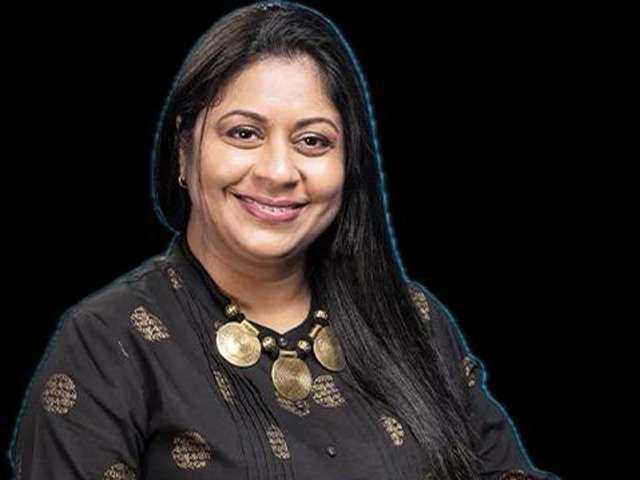
The human toll continued to rise, and the courage of first responders stood at the forefront. Sri Lanka Air Force Wing Commander Nirmal Siyambalapitiya, pilot of a Bell 212 helicopter, died in Wennappuwa while responding to flood emergencies. In a final act of bravery, he attempted an emergency landing to avoid hitting civilians on a crowded bridge, steering the aircraft into water to save others. His selfless sacrifice reminded the nation of the extreme risks faced by those who protect communities in times of crisis.
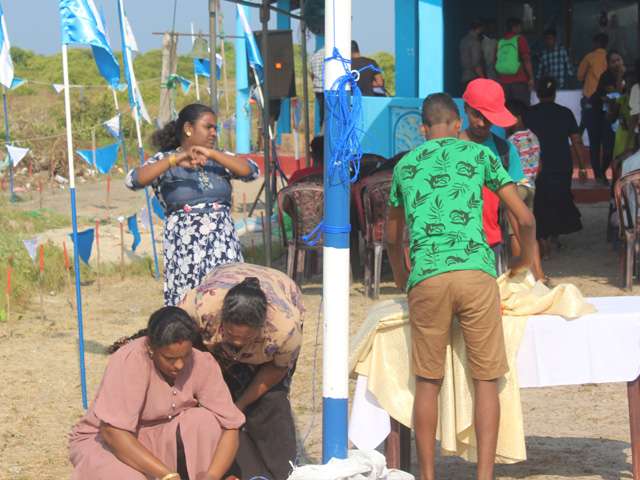
Tragedy also struck the Sri Lanka Navy. Five personnel lost their lives while widening a waterway in Chundikkulam, a vital task to prevent further flooding. Their work directly safeguarded nearby communities and prevented greater loss. These sacrifices underscored the courage, dedication, and selflessness of first responders, who risk their lives to save others during catastrophic events.
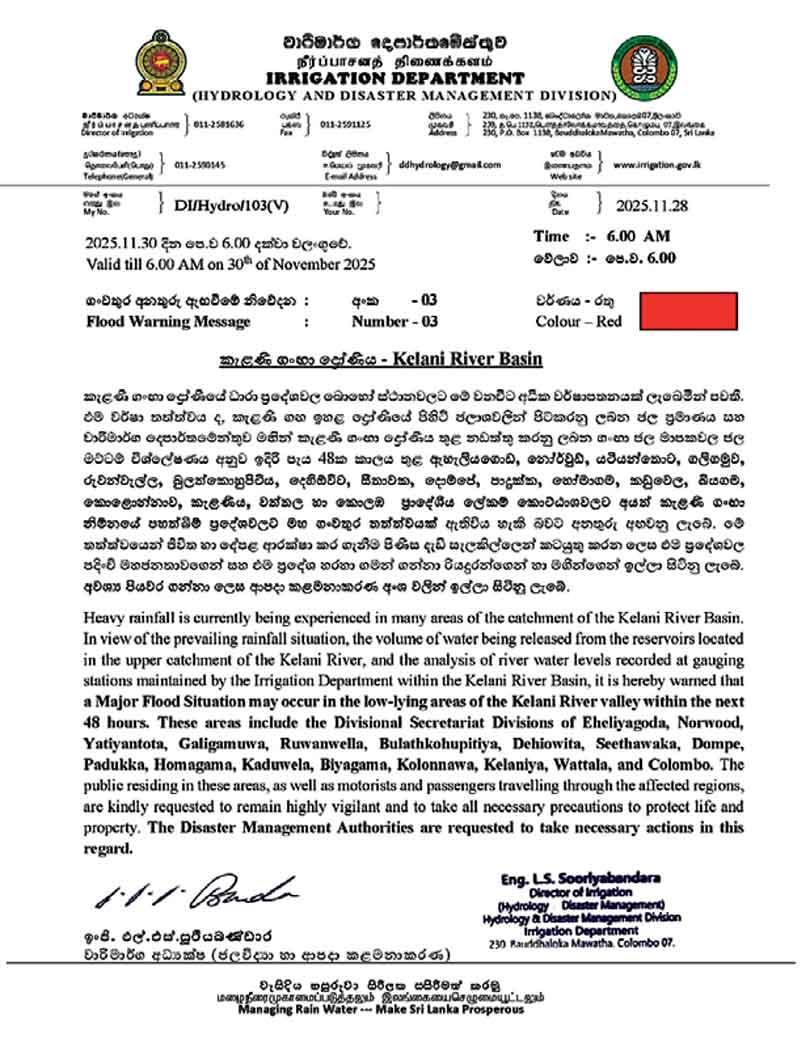
By November 28, the Disaster Management Centre confirmed fifty-six deaths, twenty-one missing persons, and over 43,000 individuals affected. Hundreds of homes were destroyed or damaged. Entire families were displaced amid the examination period. Flood alerts were issued for major rivers including Mahaweli, Deduru Oya, Kala Oya, Menik Ganga, and Kelani. Train operations islandwide were suspended. State institutions were closed, except for essential services. Rainfall continued to rise, with Matale recording 540 millimeters in twenty-four hours.
Rescue operations became the rhythm of daily life. Air Force helicopters lifted stranded families from rooftops, bridges, and even a lone individual clinging to a coconut tree in Anuradhapura. Navy teams trekked through blocked mountain roads in Hanguranketha to evacuate thirty-seven residents, including eighteen children. Each rescue underscored the speed and coordination required for survival.
The National Disaster Management Council met under the leadership of the President to prioritize urgent decisions. Protection of irrigation systems, acceleration of compensation, management of relief funds, misinformation control, tourist safety, and support for devastated farmlands were all addressed. Subsidies for fertilizer, seed paddy, and immediate support for farmers were organized. The Opposition Leader urged communication with foreign governments to ensure visitor safety.
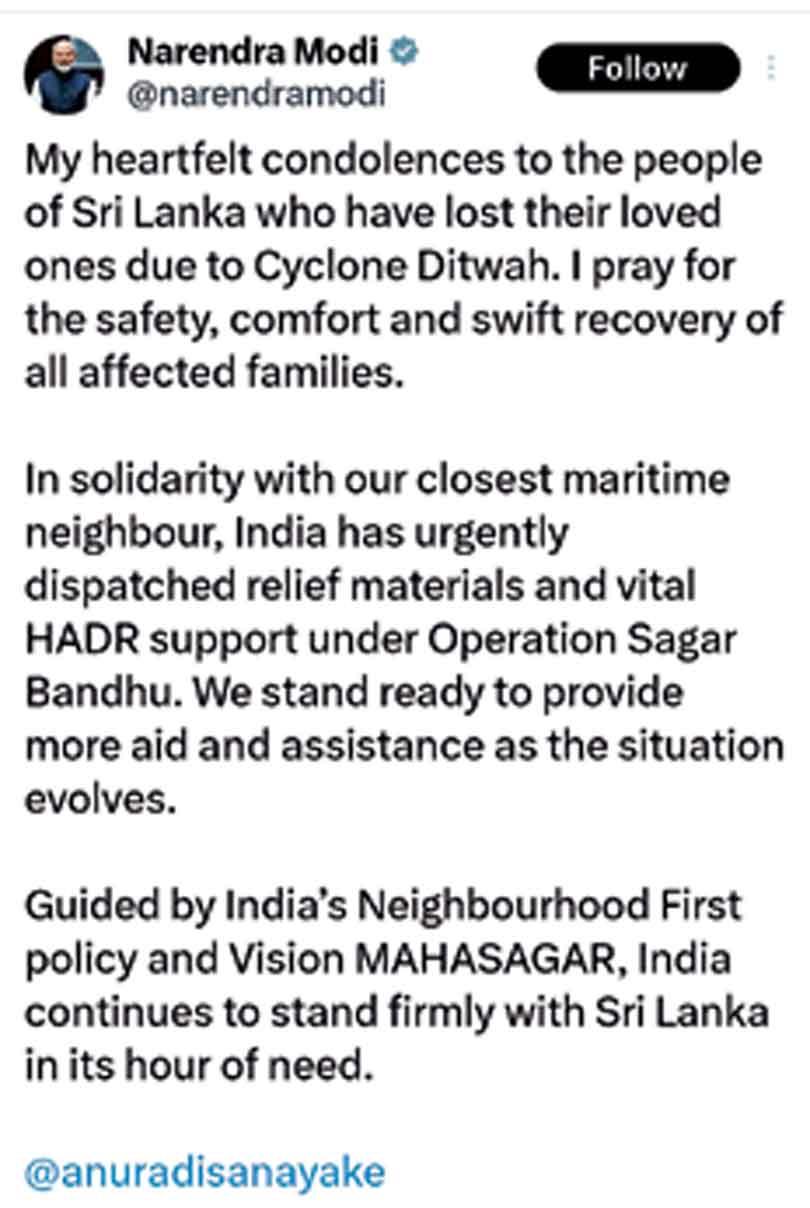
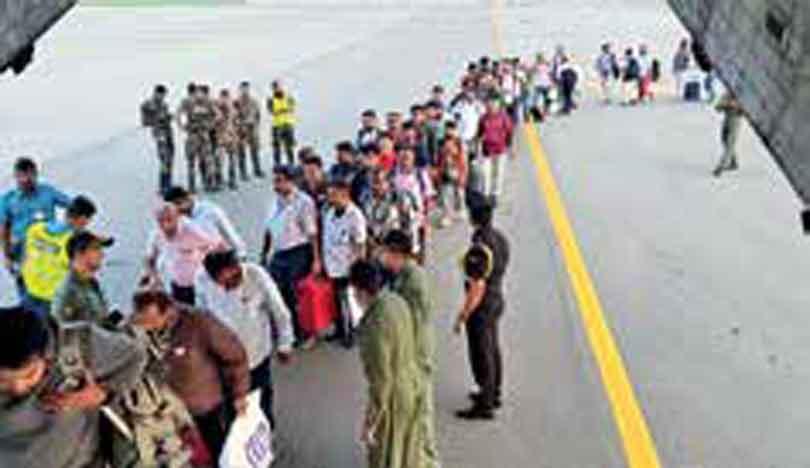
Sri Lanka sought assistance from India. Helicopters from the aircraft carrier INS Vikrant were deployed to assist search-and-rescue teams blocked by submerged roads, blocked mountain passes, and rising rivers. The President emphasized that funds would not be a barrier to saving lives. More than Rs. 30 billion was allocated in the 2025 Budget for emergencies, and Army control over relief centers ensured faster and coordinated care.
Communication networks collapsed across parts of the Central Province due to landslides and power losses. Telecom operators introduced emergency measures such as pausing disconnections, providing temporary credit, and offering free data to keep communities connected. Electricity was disrupted across provinces. Twenty-five to thirty percent of the national supply was affected, hydro plants shut down, and transmission lines were damaged.
By now, the death toll approached triple digits. Badulla reported thirty-five deaths, Kandy fifty deaths, and sixty-seven missing. Landslides in Hasalaka and Bulathkohupitiya added more missing persons. Sri Lanka’s national cricket team pledged their earnings from the Pakistan series to flood relief, and Head Coach Sanath Jayasuriya expressed sorrow for the suffering families.
By nightfall, confirmed deaths reached 132, with 171 missing. Rescue teams continued to comb submerged villages, landslide zones, and collapsed roads as Cyclone Ditwah’s rains persisted. The disaster footprint widened, with 334 deaths confirmed and 370 missing. Districts such as Kandy, Badulla, Nuwara Eliya, and Matale were hardest hit.
Authorities established 919 temporary shelters, housing over 122,000 people. Evacuations were urgent along flood-prone rivers. Around 100 families displaced by Upper Bomiriya floods were sheltered at Bomiriya Junior School. Prime Minister Harini Amarasuriya visited shelters to assess conditions, inspect food, sanitation, and medical provisions, and coordinate relief efforts.
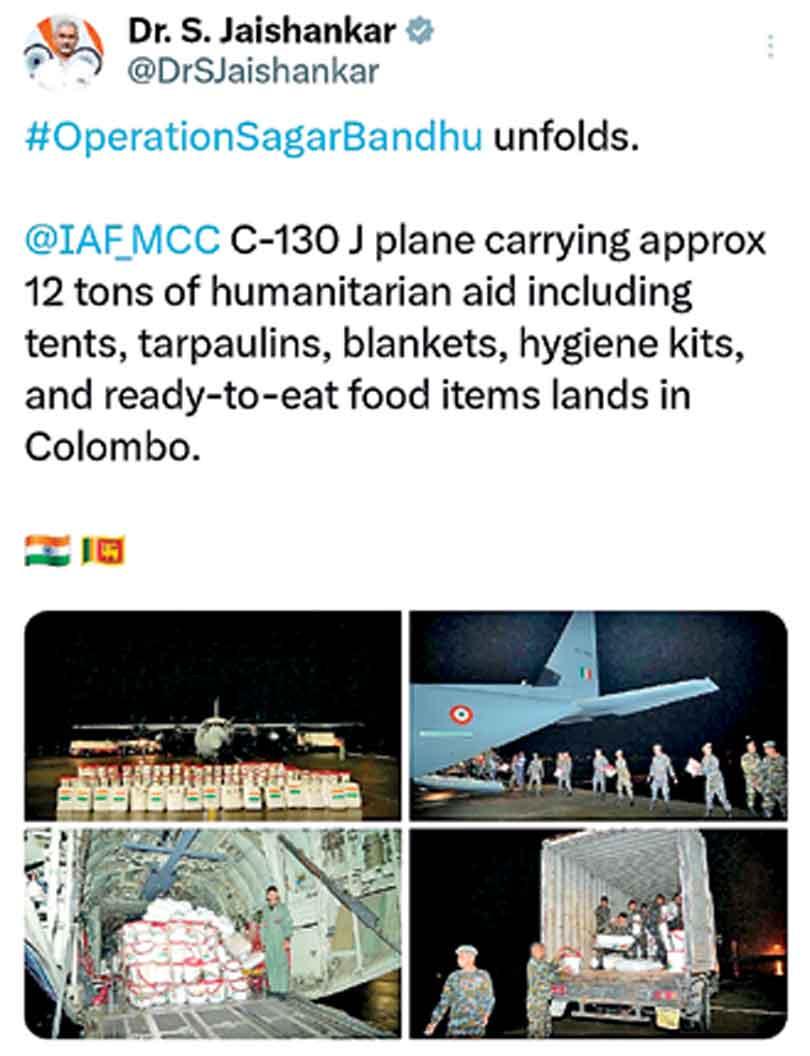
India, the Maldives, and the United States provided emergency support. Indian Navy helicopters rescued eight individuals in Pannala. Four helicopters from INS Vikrant continued rescue sorties. The Navy rescued forty passengers stranded on a bus on the Kala Oya bridge. The Air Force airlifted 121 residents trapped by Mavil Aru floods. Relief included tents, tarpaulins, blankets, hygiene kits, and ready-to-eat meals.
Mental health support became a critical aspect of recovery. Practitioners such as Ananda Galapatti offered guidance on coping with stress and anxiety caused by the floods. Platforms such as PFA4SriLanka provided practical advice on psychological first aid.
Amid all this, heroes emerged. Ranga Dayawansha, recognized as an unsung hero, created floodsupport.org, connecting victims with aid. The initiative was utilized by the government to reach those in need, saving countless lives through rapid action.
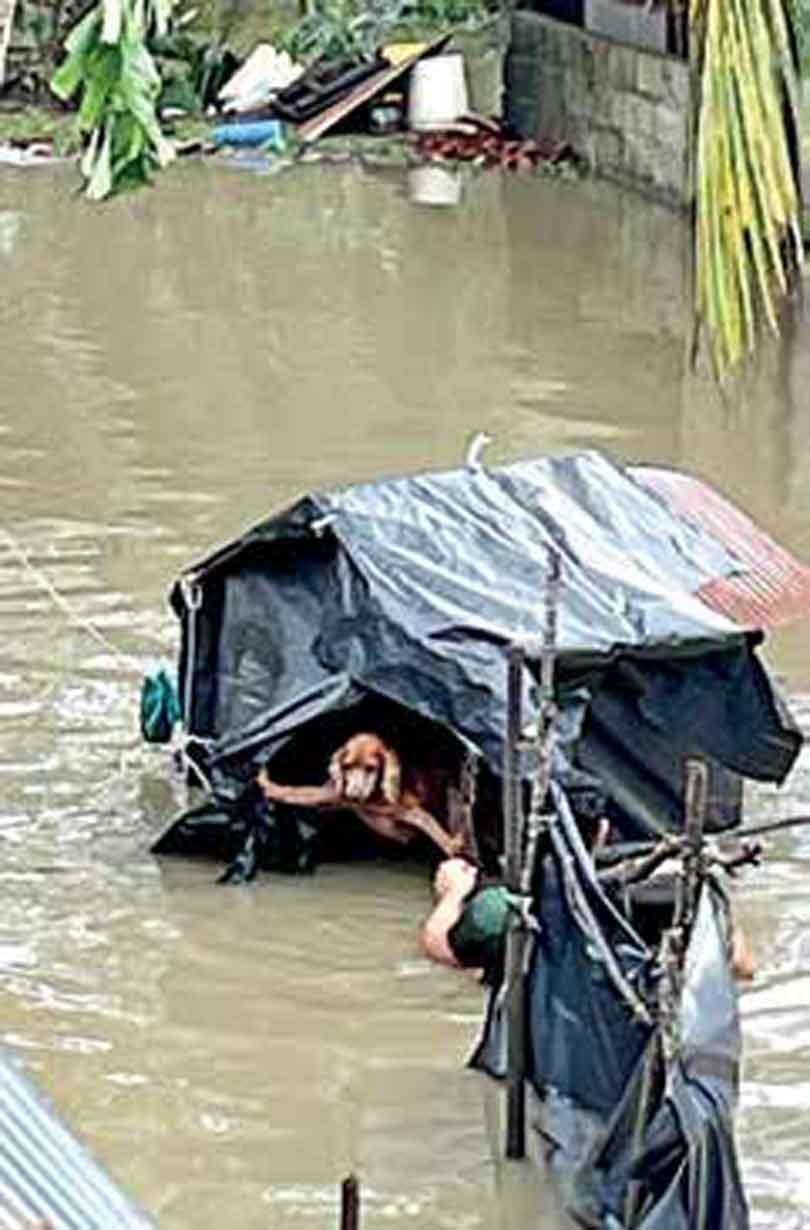
Amid power cuts, communication failures, and rising waters, my personal experience reflected the human scale of the crisis. My house remained relatively safe, but my vehicle was caught in floodwaters, forcing me to rescue myself. I assisted others, rescued dogs, and stayed informed through tireless efforts of news outlets and social media updates. Every shared post, every verified update, made a difference.
As the rain slowly receded in parts of the island, life resumed in small ways. In a quiet café, I observed a man, nearly thirty, playing video games while his single mother worried about providing food for the family. He had already spent money on himself and remained indifferent to their needs. This moment served as a reminder to help your family without selfishness. Compassion and responsibility toward those closest to us remain vital, even amid disaster.
Even amid devastation, Sri Lanka’s humanity remains unbroken. Families, neighbors, volunteers, and first responders continue to support one another. Those who stayed safe at home have done enough simply by being careful, remaining compassionate, and sharing verified updates.