Threads of Continuation: Yathra Jayawardene on Preserving and Reimagining Swanee
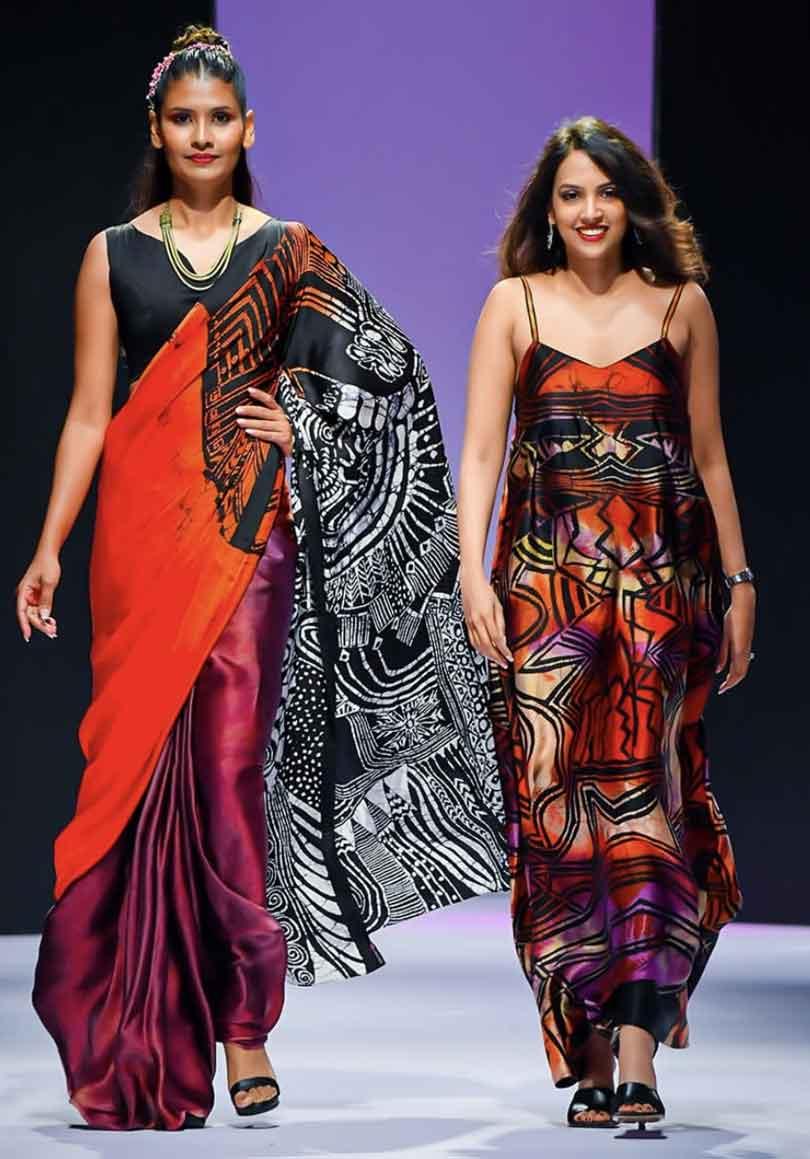
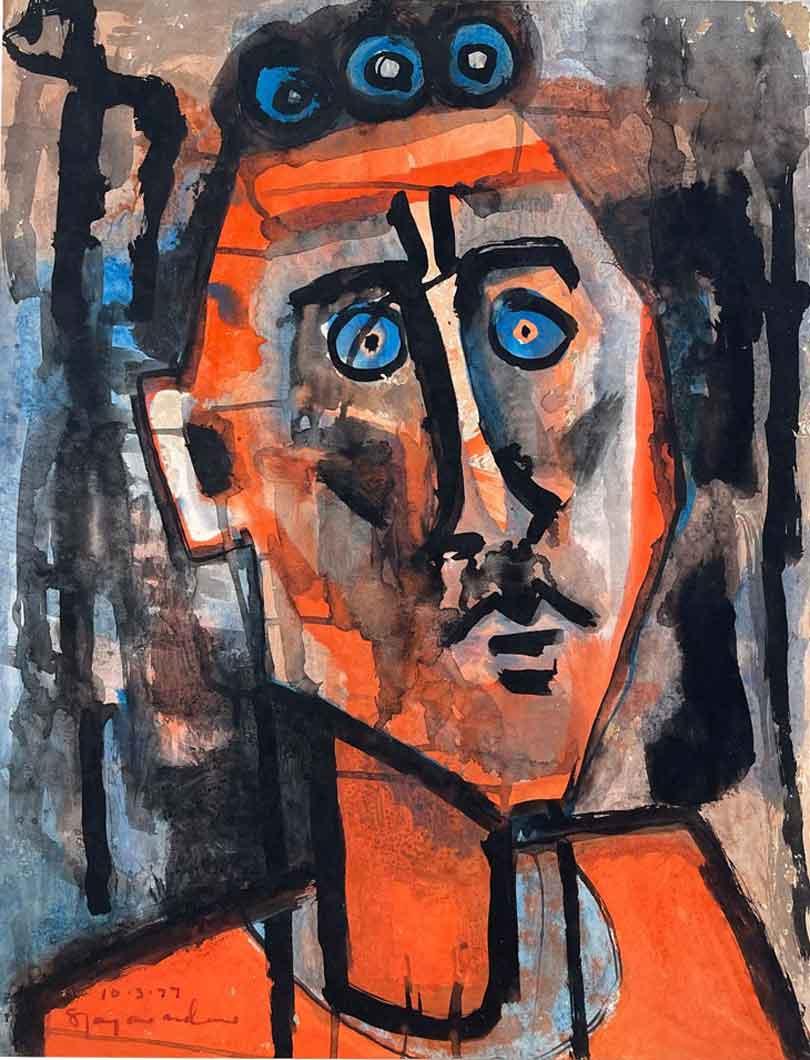
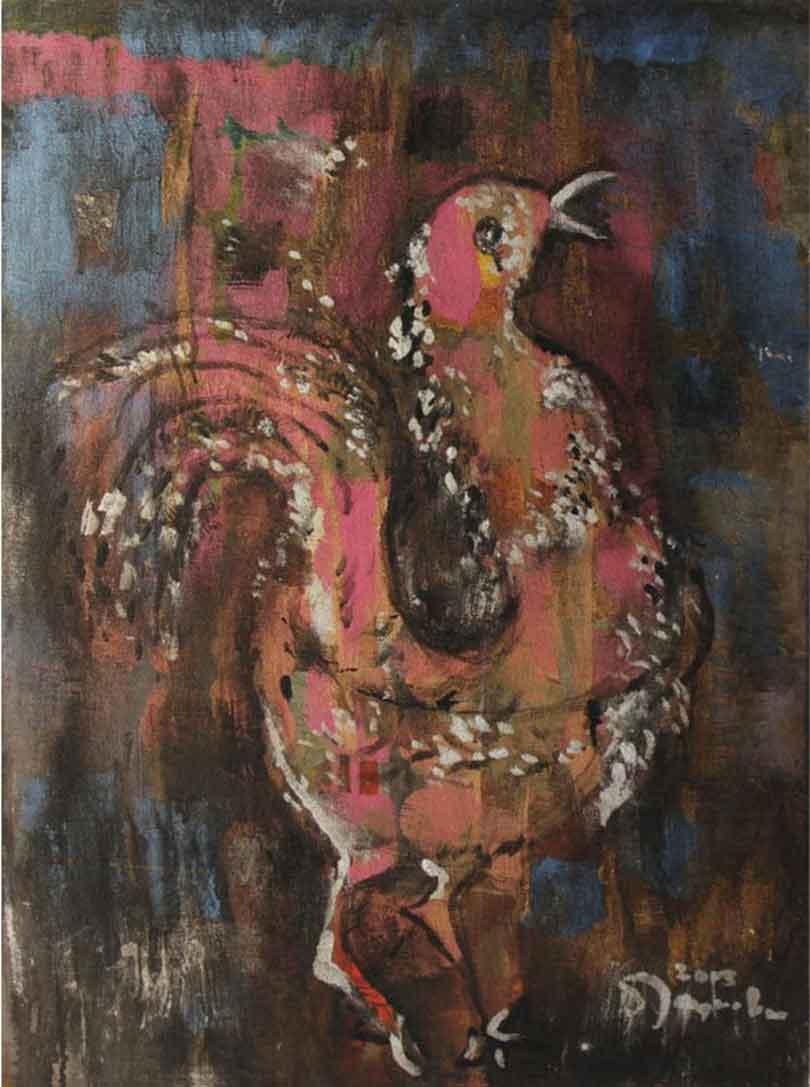
There are some legacies that arrive as something you grow up inside, without quite realizing where they begin or end. For Yathra Jayawardene, it is less about stepping into a role and more about learning how to stand beside it. The name she carries comes with history, but also with texture, fragments of memory, color, and a practice that has never sat neatly within one category. At the root of that inheritance is her grandmother, Swanee Jayawardene, whose work moved instinctively between art and textile, long before those boundaries became fashionable to blur. What she created was not simply batik, but something more experimental, more intuitive, resisting definition even now. Breaking norms before they were even identified. It is this spirit that still feels alive, still unfolding. When Yathra speaks about her work, there is a noticeable absence of spectacle. She does not romanticize the past, nor does she rush to modernize it for the sake of relevance. Instead, there is a sense of careful continuation. The recent collection and showcase feel less like a reinvention and more like a shift in language, always an elevation. A turning inward, where technique, form, and restraint begin to speak louder than color or trend. What emerges is a practice finding its own rhythm between what has been inherited and what is still being discovered. In that space, somewhere between memory and making, Yathra begins to define not just the legacy she carries, but the one she is slowly shaping for herself, and for the hands that will carry it forward.
1. Yathra, can you walk me through the new collection and the recent showcase? What was the vision, and what makes this moment significant for you and the brand?
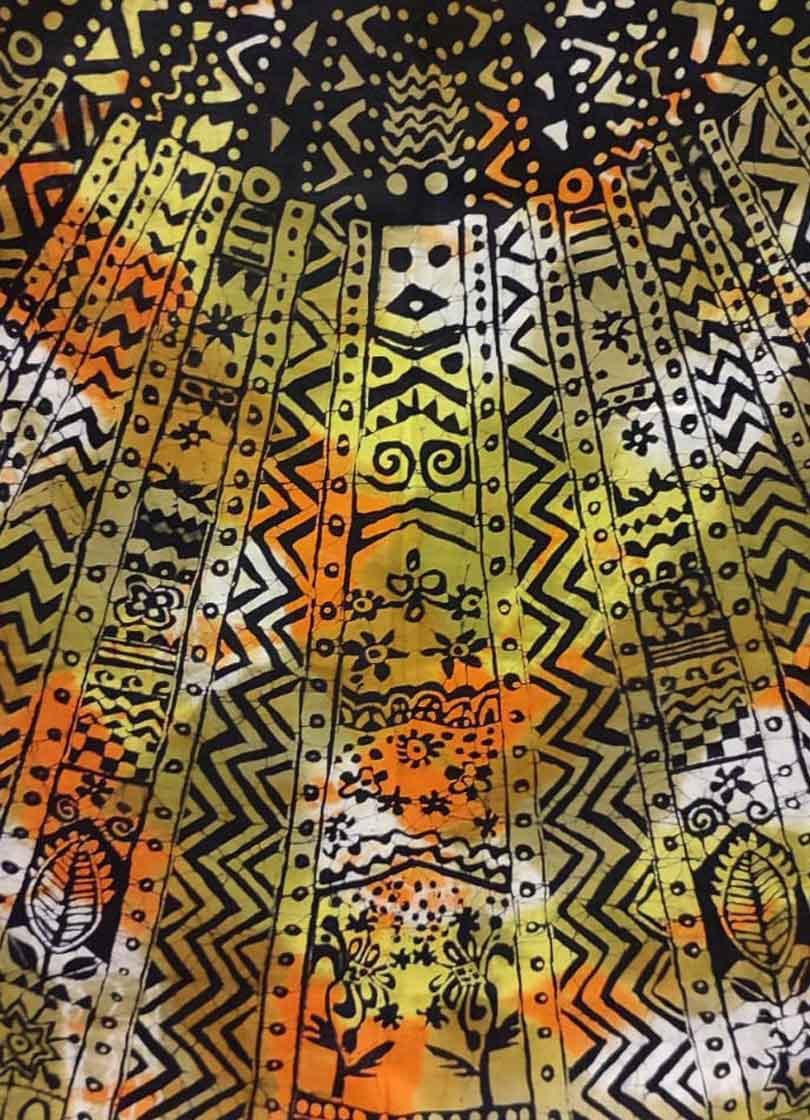
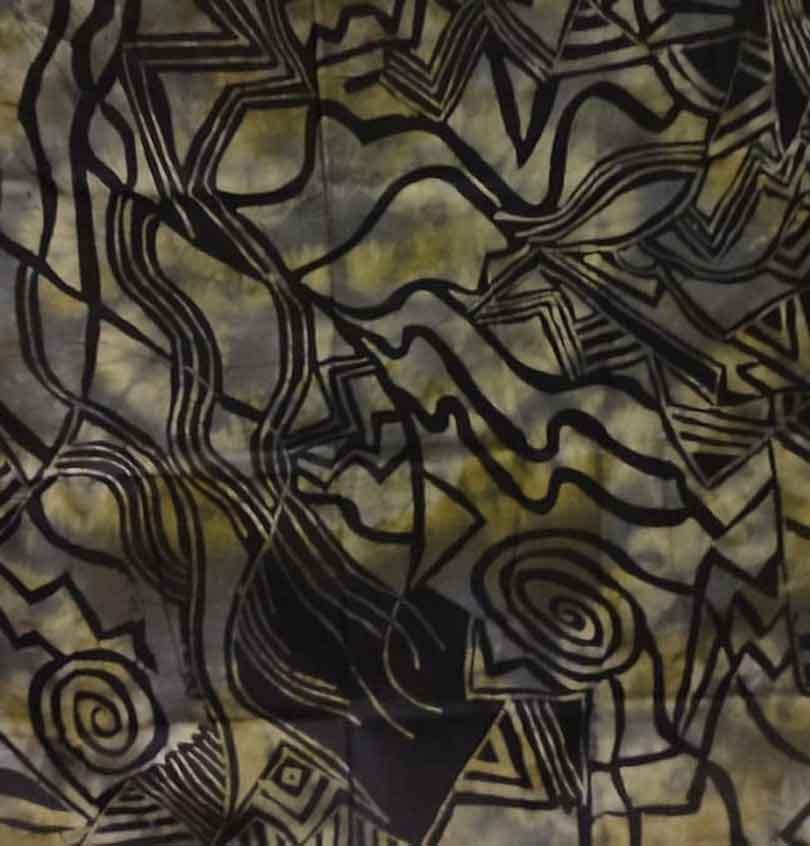
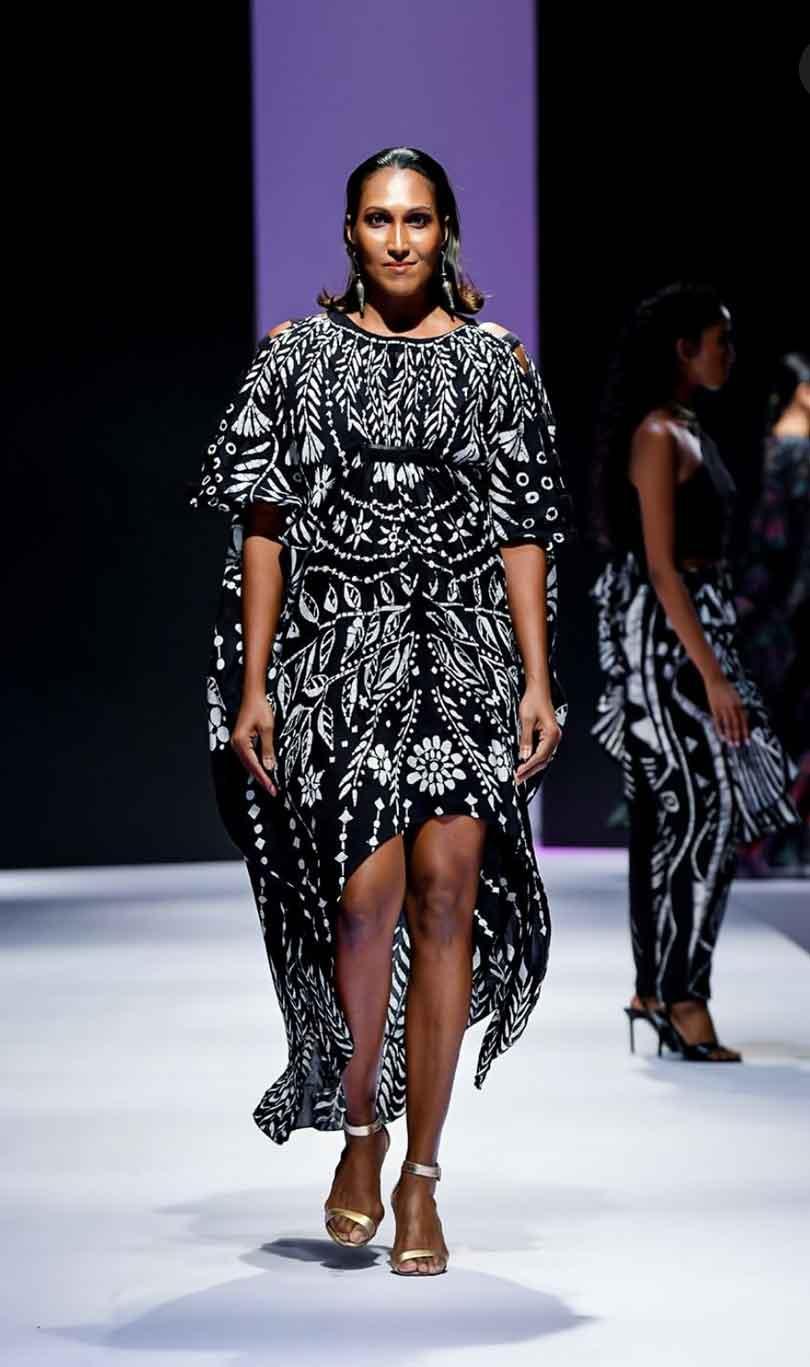
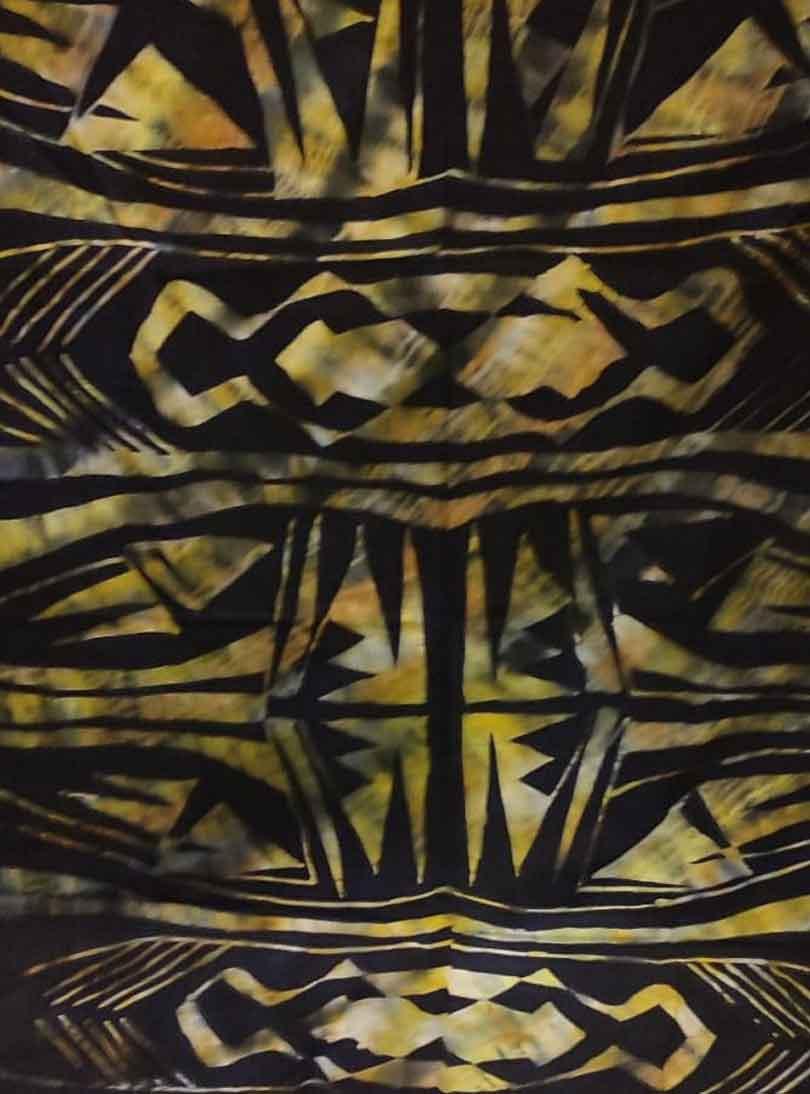
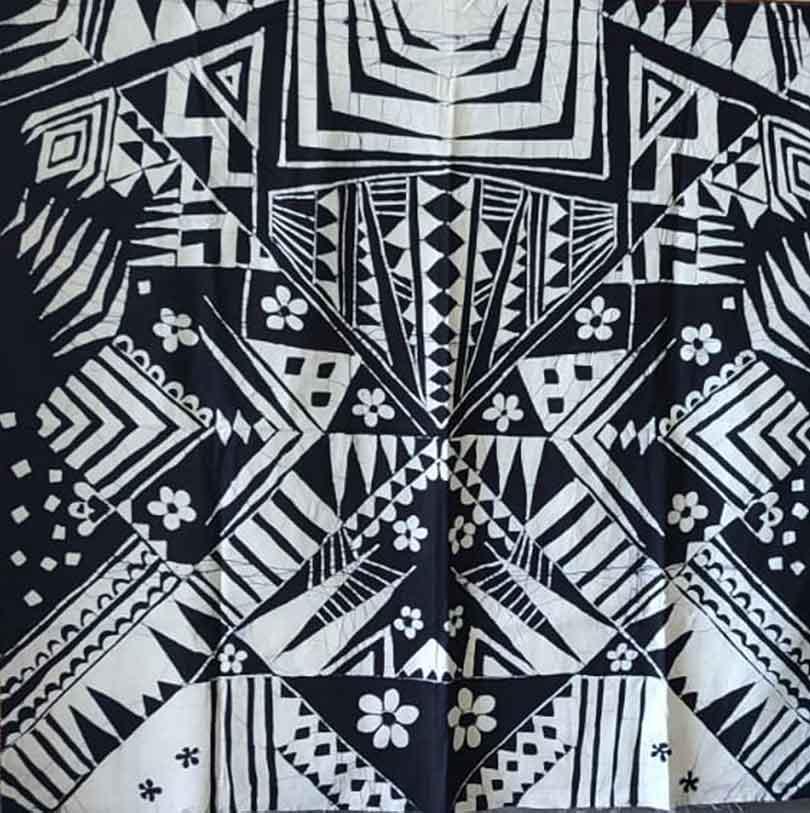
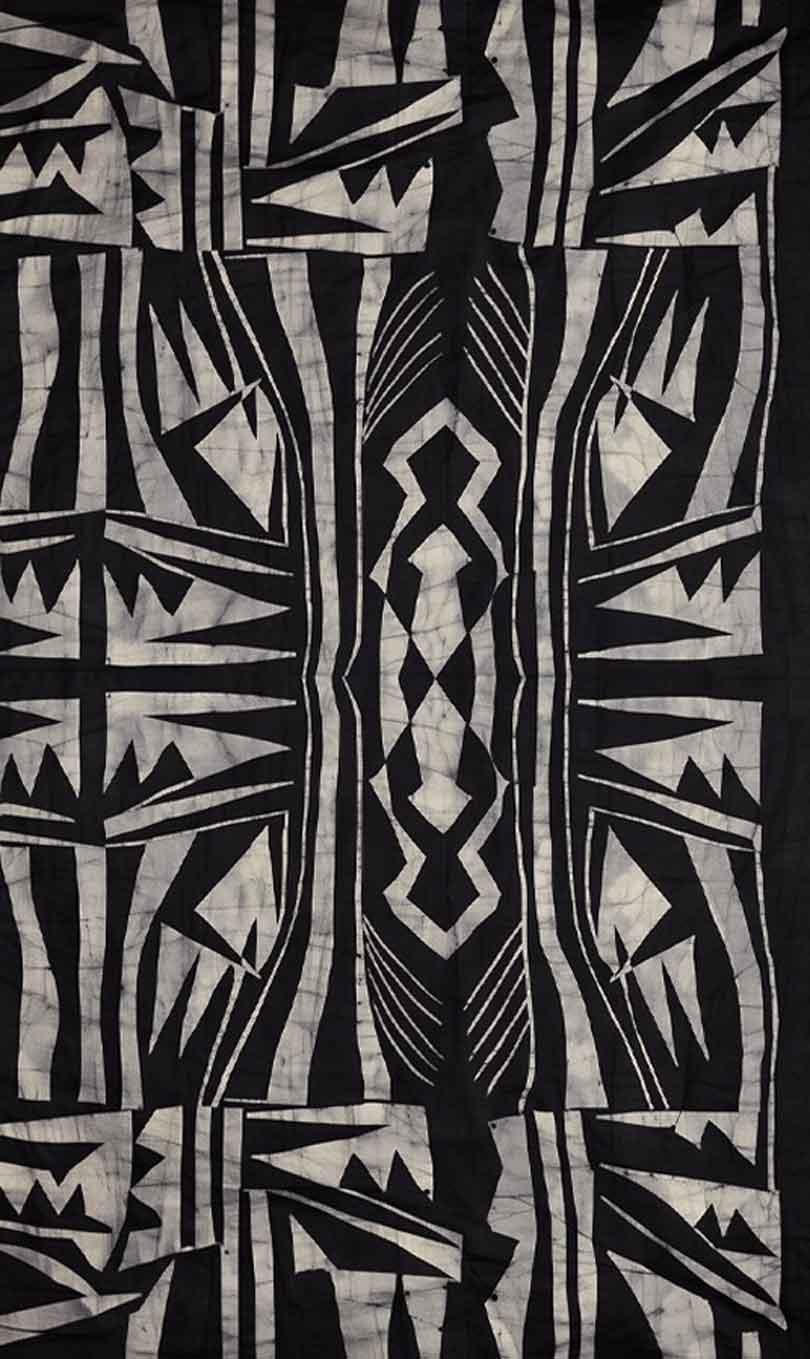
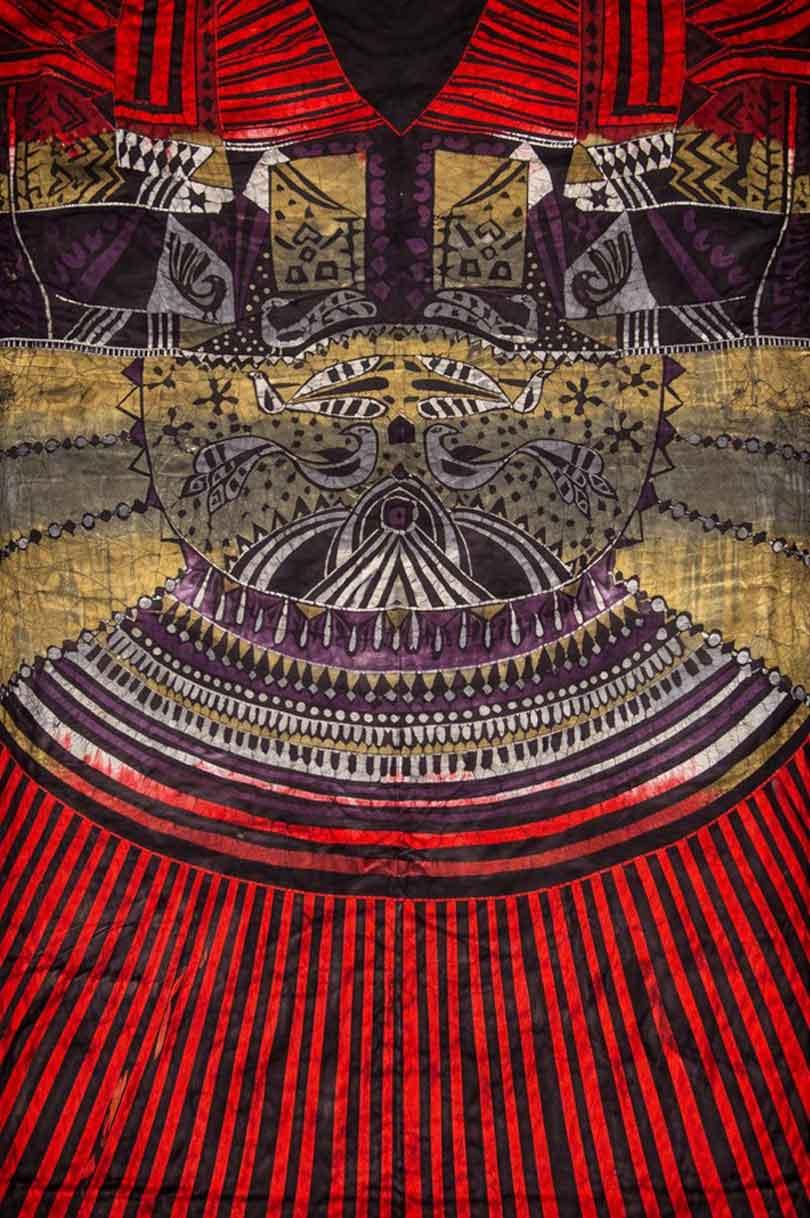
Swanee has always been defined by “explosion batik,” a marriage of abstract batik and experimental tie-dye. We are known for mastering harmonious yet complex color palettes. However, for this collection, I wanted to strip that back. By leaning into a primary black-and-white aesthetic, with only strategic “explosions” of color, I wanted to focus on the raw complexity of the batik print itself, without the distraction of a color palette.
2. You describe yourself as a “custodian” rather than a founder or designer. What does that word allow you to do, and what does it restrain you from doing?
Describing myself as a custodian rather than a founder or designer changes the way I approach everything. It immediately shifts the focus away from ownership and toward responsibility. Swanee was, first and foremost, a painter, and she treated textiles as an extension of her canvas rather than as a separate commercial pursuit. Understanding that has made me feel a deep responsibility to preserve and carry forward her contribution to Sri Lankan modernism in a way that is faithful to its origins. The word custodian allows me to stay anchored. It gives me permission to prioritise preservation over reinvention when necessary, and to think carefully about how the work is presented, interpreted, and evolved. It also removes the pressure of constantly needing to assert authorship in the traditional sense. Instead, the focus becomes about safeguarding a legacy and ensuring it is not diluted or lost over time.
At the same time, I once worried that this role might limit my own creative expression. I wondered whether being so closely tied to someone else’s body of work would restrain my ability to grow or define myself independently. Over time, however, I have come to see that the opposite is true. My identity and the brand are deeply intertwined in a way that feels natural rather than restrictive. Being a custodian does not mean standing still. It means engaging in a continuous dialogue with the work, understanding its history, and allowing that understanding to inform new interpretations. In that sense, preservation and creativity are not opposing forces but part of the same ongoing responsibility.
3. Growing up around Swanee Jayawardene’s work, was there ever a moment you resisted that inheritance before choosing to step into it?
Absolutely. Growing up in a family where everything, from music to styling, had to be intentional and artistic, felt like immense pressure. As a child, you feel like you can never quite catch up to that level of mastery. But with maturity, I realized that it’s not about having to “catch up,” but about continuing the journey.
4. How do you balance preservation with interpretation? At what point does honoring an archive risk freezing it?
Balancing preservation with interpretation requires a clear understanding that preservation should never mean stagnation. An archive is not a static object to be placed behind glass, but a living body of work that continues to evolve through how it is seen, understood, and applied. To truly honour Swanee’s spirit, I feel it is essential to interpret her work for the present moment rather than simply replicate it. What we aim to preserve is the soul of her practice. That includes her experimental approach to dye, her curiosity with batik and tie dye, and the sense of freedom that defined her process. These elements form the core of her artistic language and must remain intact. Without them, any reproduction would lose its meaning and become purely decorative. At the same time, interpretation allows the work to move forward. By adapting silhouettes, rethinking proportions, and considering contemporary styling, we are not altering the essence but translating it into a new context. This process ensures that the work continues to live and breathe within today’s visual and cultural landscape. The risk of over preservation is that an archive becomes frozen in time, admired but no longer engaged with. When that happens, it loses its relevance and slowly drifts into obscurity. Honouring an archive therefore requires a delicate balance. It is about maintaining fidelity to the original spirit while allowing space for evolution. In this sense, relevance is not the opposite of respect. It is its continuation. By keeping the work active and responsive to the present, we ensure that it remains meaningful, rather than simply remembered.
5. The “Explosion Batik” technique feels both deeply local and globally modernist. Do you think it was historically misunderstood because it sat between categories?
Perhaps. People often miss the individual intricacies of the craft because the modernist, abstract visual is so dominant. But we never aimed for mass appeal. Our goal was to elevate these crafts into a sophisticated form of expression that transcends mere decoration. It speaks to those who value the unique over the uniform.
6. Why do you think artists like Swanee were left at the margins of global modernism narratives for so long?
It was a double-edged sword. She was a woman breaking into abstract expressionism in Sri Lanka at a time when even the most celebrated male painters were still practicing a degree of color restraint. Her work in the mid-1900s was moving toward a bold, global style seen in Germany or America, which made her an outlier at home. She was simply ahead of her time.
7. When you re-present her work today, are you correcting history, or rewriting it?
Neither. I am continuing a conversation. The Swanee identity evolves organically with each generation. My predecessors brought their own colors and ideas, and I am doing the same. It’s not about changing what was but growing what is.
8. Swanee’s work blurred the line between art and textile long before that became fashionable. Do you think fashion has only recently “caught up” to what artists were already doing decades ago?
I don’t see it so much as fashion “catching up,” but rather as the industry finally embracing a multidisciplinary approach that artists like Swanee had already been practicing for decades. She never saw rigid boundaries between art, textile, architecture, or design. For her, these disciplines naturally informed one another, creating a richer and more expansive creative language. That way of thinking was not always widely recognized within fashion at the time, which often operated within more defined categories. What feels different today is an openness to that kind of cross pollination. Designers are increasingly drawing from multiple fields, understanding that creativity does not exist in isolation. When you engage with different disciplines, you develop a deeper sensitivity to form, structure, material, and narrative. It ultimately leads to more thoughtful and innovative work. The current interest in what is often called wearable art reflects this broader shift. It signals a growing appreciation for garments not just as functional or decorative objects, but as expressive, conceptual pieces that carry meaning. In many ways, this mindset echoes what Swanee, and her contemporaries were already exploring. They approached their work with a sense of curiosity and freedom, constantly testing the limits of their chosen mediums. So, rather than a delayed recognition, it feels like a rediscovery of values that were always there. The idea that creativity thrives when boundaries are challenged is not new, but it is being more widely embraced now. In that sense, the industry is aligning itself with a philosophy that artists like Swanee embodied long before it became part of the conversation.
9. You operate at the intersection of archive and retail. How do you protect artistic integrity in a space that ultimately requires selling?
Operating at the intersection of archive and retail is a delicate balance, but for me, protecting artistic integrity begins with a simple decision: not trying to sell to everyone. The moment you aim for universal appeal, you start to compromise. You soften edges, simplify ideas, and reshape the work to meet expectations rather than staying true to its original intent. That is where integrity begins to erode. I believe it is important to accept that not everyone will understand or connect with the work, and that is not a failure. In fact, it is often a sign that the work has remained honest. Much like a piece of music or a film, the most meaningful creations tend to resonate deeply with some rather than superficially with all. If something is made to please everyone, it often ends up losing its distinct voice and emotional impact. Working with an archive adds another layer of responsibility. There is a history, a context, and a creative lineage that must be respected. Each piece carries a story, and that story should not be altered simply to make it more marketable. Instead, the role of retail becomes one of translation rather than transformation, allowing people to engage with the work without diminishing its essence. Ultimately, integrity is protected through clarity of purpose. By staying committed to the original vision and trusting that the right audience will respond, it becomes possible to exist in both worlds without losing what makes the work meaningful in the first place.
10. Is there ever tension between making something culturally significant and making something desirable?
No, because we don’t set out to do either. Our cultural references, batik and tie-dye, are the medium, but the outcome is pure experimental art. Desirability is subjective; we focus on the integrity of the experiment, and the right audience finds that desirable.
11. You’ve had a strong corporate background. Do you think that structured way of thinking shapes how you approach something as intuitive as art?
Immensely. Growing up in a world of intuition, I found the discipline of the corporate world to be a strong anchor. It gave me the structure to see a vision through to completion. The mix of artistic “feeling” and corporate “discipline” is a helpful asset.
12. What does authorship look like for you in a legacy that isn’t entirely yours, but deeply personal?
For me, authorship is about adding your own chapter to the book.
13. Sustainability is often spoken about in fashion as a trend. In your case, it feels embedded in lineage. Do you think the industry is still approaching it too superficially?
It may still be a checkbox for some. However, I believe even superficial pressure is better than none at all. For me, sustainability isn’t a marketing buzzword; it’s about honesty in operations. If you are accountable for how you create, sustainability follows naturally.
14. You’re working between Sri Lanka and London. Do you find that the work is read differently depending on where it’s shown?
Yes. London has a deeper appreciation for abstract art but tends to favor muted tones for daily wear, likely a reflection of the climate and a preference for warmer, natural fibers. In Sri Lanka, there is a different connection to the craft. I find people in London often reserve our vibrant colors for resort and holiday wear.
15. There’s often a tendency to label South Asian work as “heritage” rather than “modern.” Have you encountered that, and how do you push back against it?
It’s a matter of education. A technique can be heritage, but the application can be modern. When you experiment with the process to create something entirely new, you are no longer just practicing a craft, you are contributing to modernism.
16. Is there a risk in globalizing this work that it becomes detached from its original context?
There is always a risk in bringing work to a global audience, but that risk depends on how the process is approached. The real danger lies in trying to cater too heavily to the global market. When you begin to dilute your voice in order to fit expectations or trends, you risk losing the very essence that made the work meaningful in the first place. Authenticity can quickly give way to compromise, and what remains may feel disconnected not only from its origins but also from its purpose. For me, the priority is to protect and preserve a distinct creative voice. The integrity of the work must come first, rooted in its original context, history, and intention. Rather than reshaping it to suit a broader audience, I believe in presenting it as it is, with honesty and clarity. This allows the work to retain its depth and cultural significance, rather than becoming a simplified or altered version of itself. At the same time, I trust that audiences are more perceptive than they are often given credit for. People who value authenticity and are curious about the origins and meaning behind what they encounter will naturally be drawn to it. They do not need the work to be altered in order to connect with it. In that sense, globalization does not have to mean detachment. It can instead become a way of sharing something genuine with a wider audience. Those who resonate with the original context and the ethos behind the work will find it, wherever they are in the world.
17. You once cited Edie Sedgwick as your muse. Does that still hold, or has your idea of inspiration shifted?
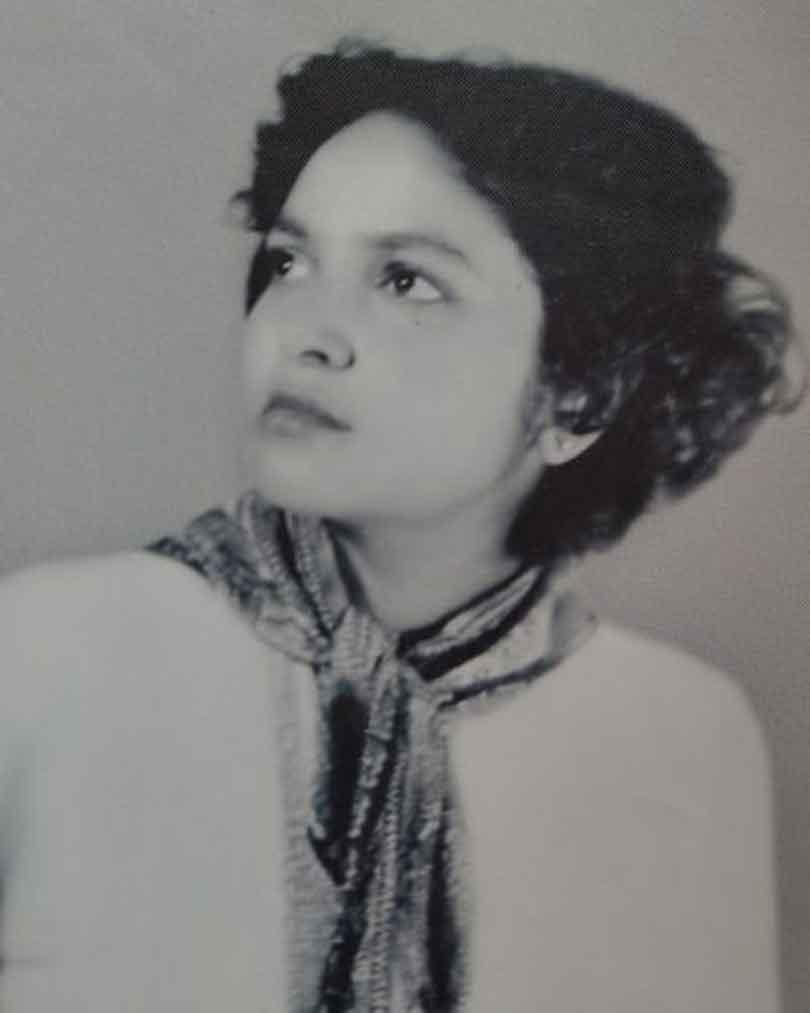
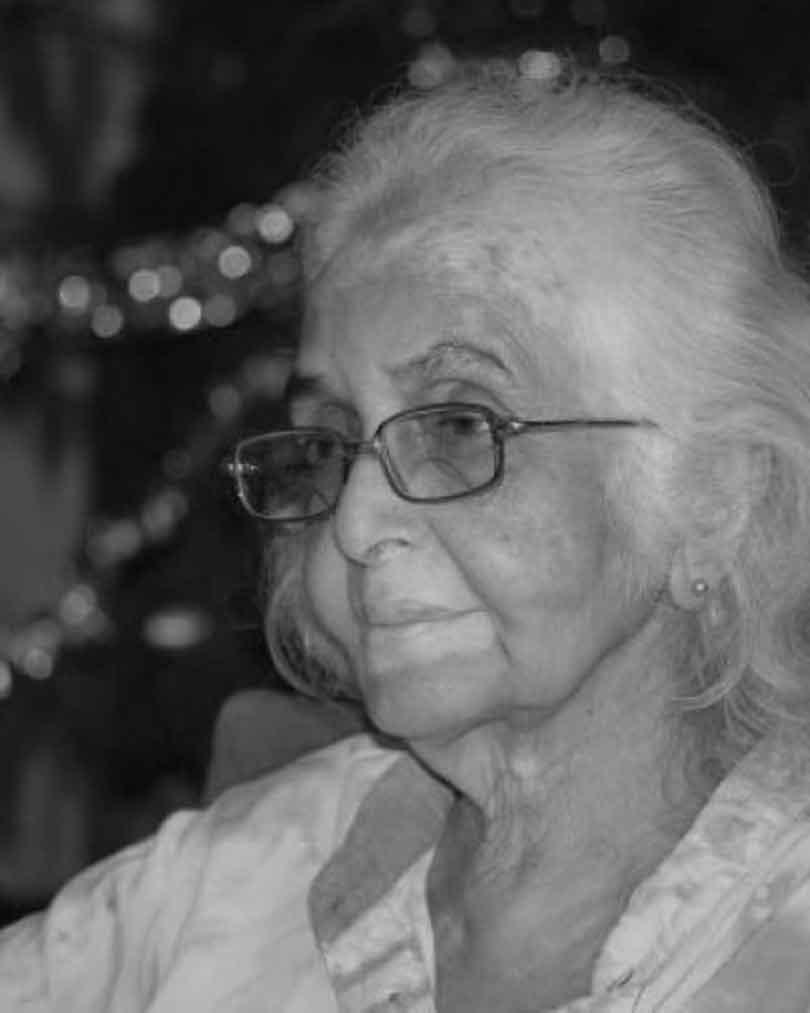
I once cited Edie Sedgwick as my muse, and at the time, that made perfect sense. She embodied a certain spirit; effortless, enigmatic, and deeply tied to a moment of cultural and artistic rebellion. But over time, my understanding of inspiration has shifted into something more personal, more grounded, and ultimately more enduring. Today, Swanee herself has become my muse. As a child, I saw her differently. She was this petite, quiet presence, often absorbed in her own world, standing before a massive canvas or immersed in dense, serious books. There was something intimidating about her focus and discipline, something I couldn’t quite understand then. She wasn’t outwardly expressive or performative in the way I once associated with creative influence. Instead, she worked steadily, almost privately, with a kind of quiet intensity. Coming back to her work as an adult has been a revelation. I’ve come to appreciate not just her technical skill, but the depth of her commitment and the authenticity of her voice. There’s a quiet confidence in the way she moved through her world, creating without seeking validation, exploring without needing attention. What’s most striking is that even without our personal connection, I believe I would still be drawn to her. Her work speaks with a clarity and sincerity that transcends familiarity. In many ways, my idea of a muse has matured, from something external and iconic to something deeply rooted in respect, understanding, and genuine admiration.
18. What feels overdone in fashion right now, but people are too polite to say?
The “old money” aesthetic and the over-reliance on beige and muted tones. It’s boring. I want people to play with color theory and learn how to balance unusual shades.
19. When people encounter Swanee’s work today, what do you hope they feel first, before they even begin to understand it?
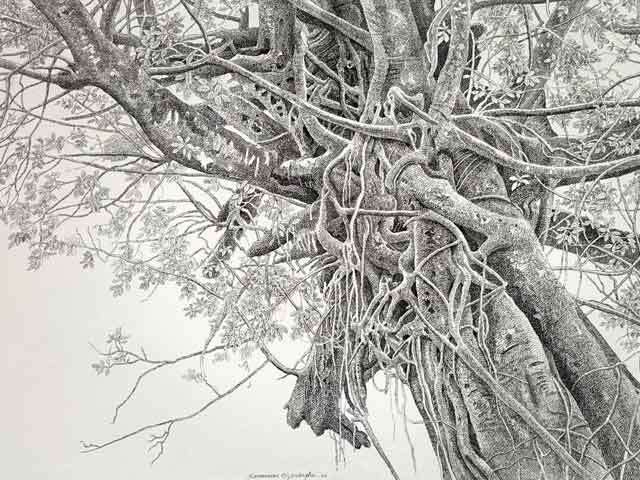
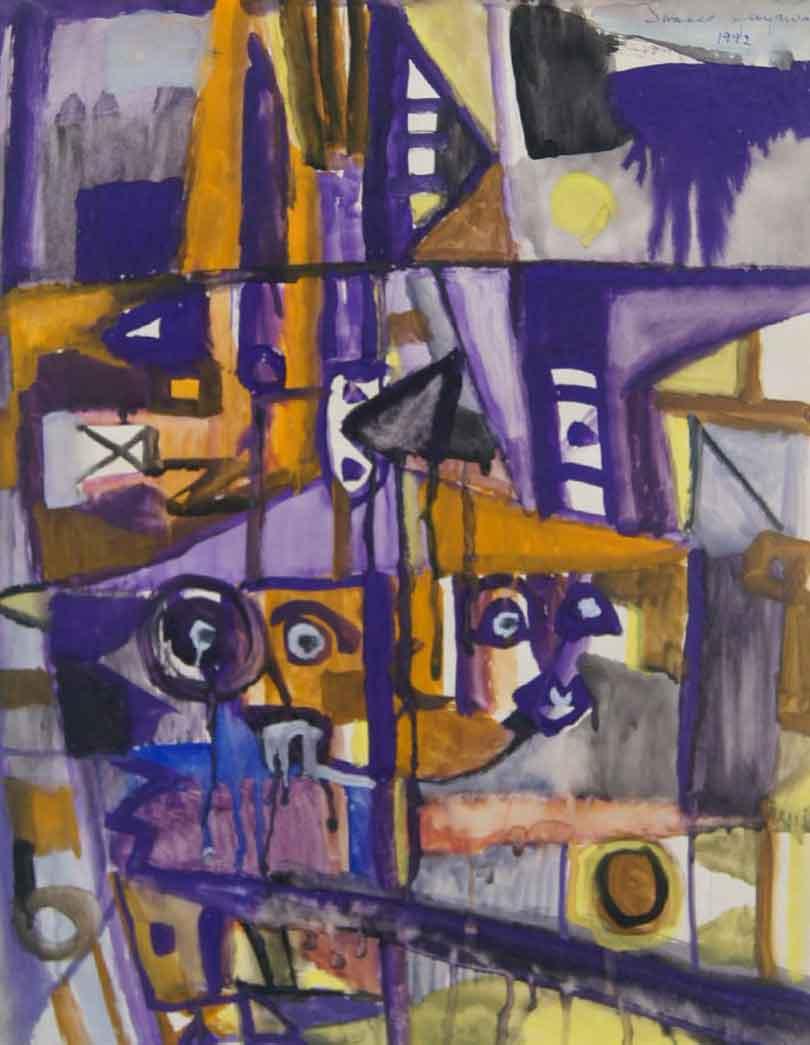
When people encounter Swanee’s work today, I hope their first response is not analysis, but feeling, specifically, a sense of the bold, liberating power of experimentation. Before they try to interpret meaning or place her within an artistic tradition, I want them to sense the courage behind the work. Swanee was guided and trained by remarkable artists such as Cora Abraham, Stanley Abeysinghe, and Harry Pieris, all of whom shaped her technical foundation. Yet what truly defines her legacy is not just her training, but her willingness to step beyond it. She chose not to remain confined within established methods or expectations; instead, she embraced abstraction at a time when it required both conviction and risk. Her relationship with batik and tie-dye was not driven by recognition or the pursuit of fame. It was deeply personal; an exploration fuelled by curiosity and an attraction to the limitless possibilities these mediums offered. She experimented not because she had to, but because she wanted to discover what could be created when boundaries were pushed aside. In that sense, her work carries an energy that goes beyond visual appreciation. It reflects a mindset; one that values exploration over certainty, process over perfection.
If viewers can feel even a fraction of that fearless curiosity when they first encounter her work, then they are already connecting with its essence. More than anything, I hope her art inspires people to take risks, to trust their instincts, and to pursue their own creative paths with the same sense of openness and courage.