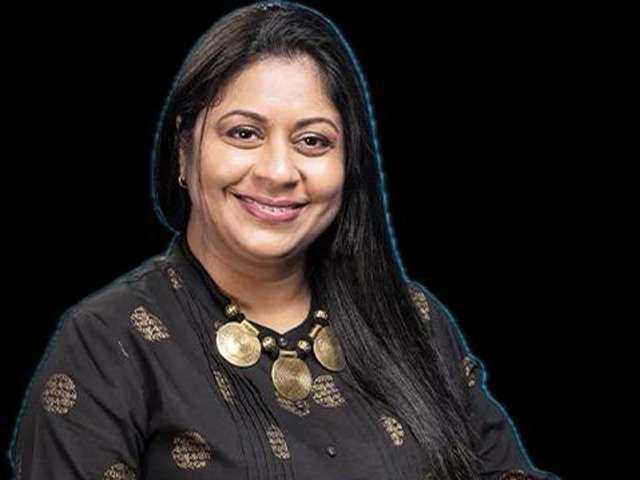
Legacy Builders featuring Anika Williamson Non-Executive Director – JAT Holdings PLC
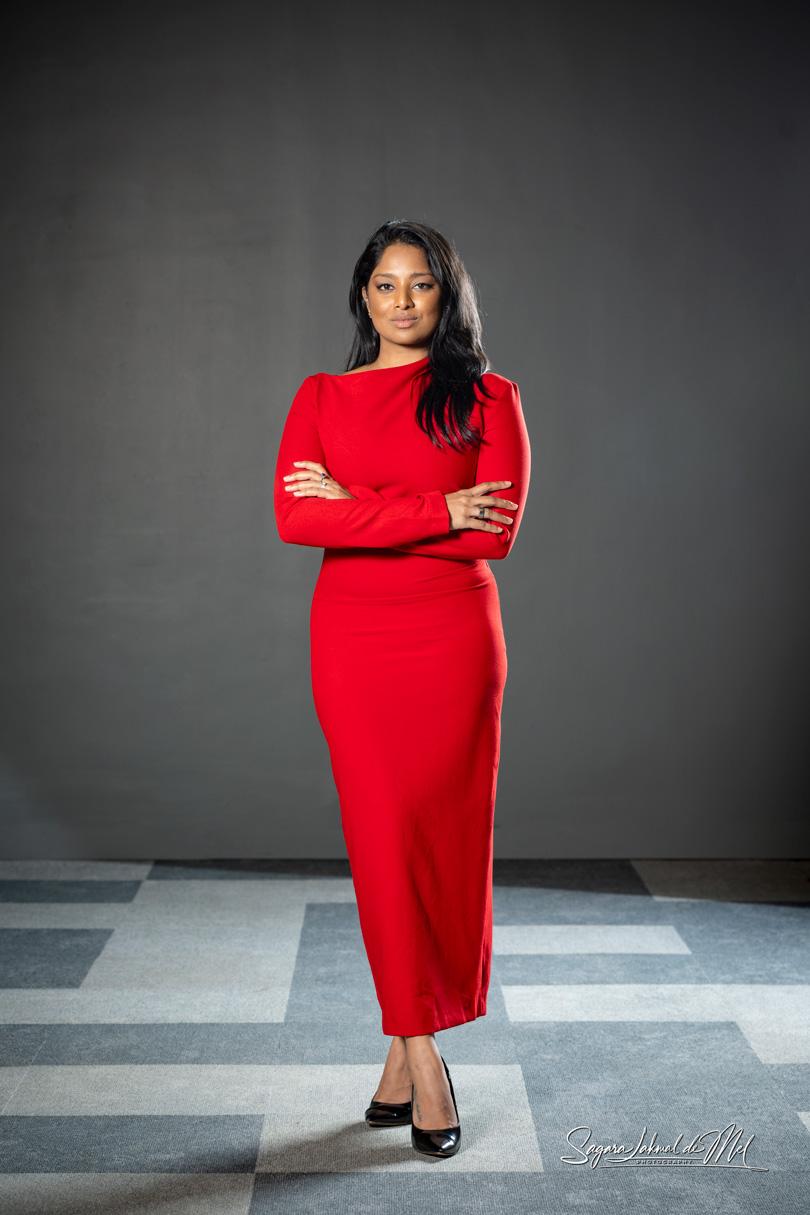
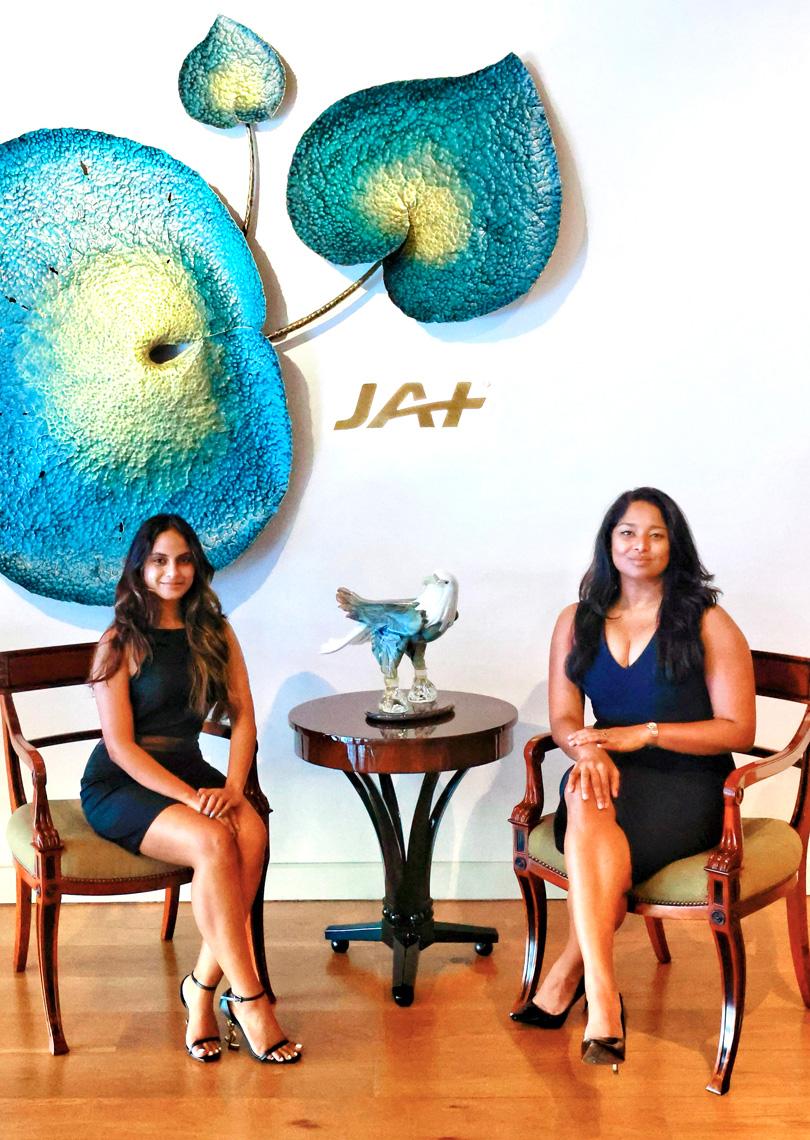
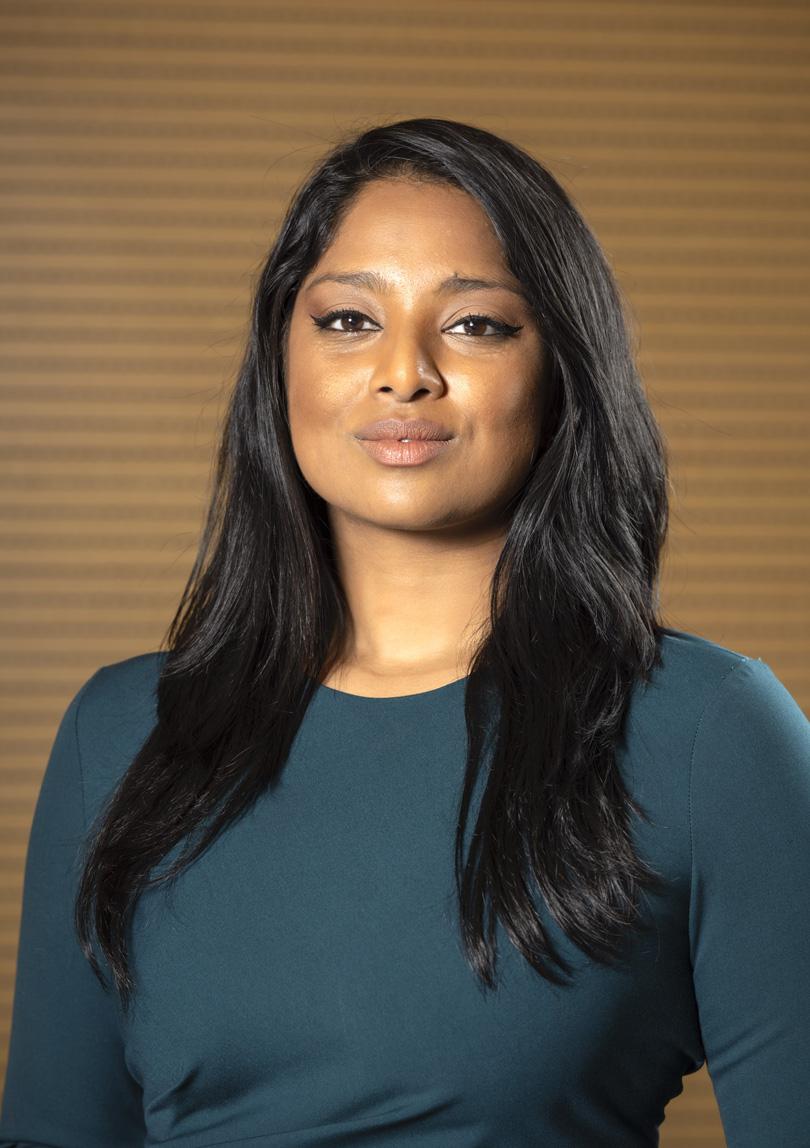
In boardrooms where strategy meets stewardship, Anika Williamson represents a generation of leaders shaped equally by legacy and global perspective. A Non-Executive (Non-Independent) Director of JAT Holdings PLC, Anika has played a pivotal role in guiding the organization through its evolution from a family-founded enterprise to a publicly listed multinational operating across South Asia, Africa, Southeast Asia and Australia.
With over a decade of experience spanning finance, banking, import–export operations and property development, she brings a rare blend of commercial discipline and entrepreneurial agility. A Double Degree holder in Accounting and Entrepreneurship from Curtin University, and a member of the Pro Vice Chancellor’s Chapter, Anika combines analytical precision with strategic foresight.
Her leadership journey reflects both transformation and continuity in honouring the founding ethos established by her father, Aelian Gunawardene and transformation in driving international expansion, strengthening governance structures, and positioning the Group for sustainable global growth. Beyond corporate milestones, she is also a vocal advocate for inclusive leadership and emerging industries, recently spearheading initiatives into new sectors such as medicinal cannabis exports.
For Legacy Builders, Anika embodies what it truly means to build beyond balance sheets and to create a forward-looking impact.
1. As part of the second generation within JAT Holdings PLC, how do you honour the founding vision while also asserting your own strategic direction?
It's a balance I think about quite consciously. My father and the founders-built JAT on a commitment to quality, integrity, and constant innovation, values that are not just part of the company's history but are genuinely embedded in how we operate. I hold those close too. At the same time, I believe every generation has a responsibility to ensure the business remains relevant and resilient for the future. I am extremely grateful that our founder is forward-thinking and always open to suggestions. This makes it easy to honour his vision. For me, asserting a strategic direction is about extending the founding vision into new contexts. Whether that's driving internationalisation, strengthening governance structures, or investing in talent and systems that position JAT for scale, the intention is always to build on what was started, not to rewrite it. The founding spirit guides the 'why'; the evolving strategy shapes the 'how.' This is especially true in the world of AI where the pace of change is accelerated.
2. You assumed significant responsibilities during the height of the pandemic. How did that period redefine your tolerance for uncertainty and risk?
That period was genuinely formative. When the pandemic hit, there was no playbook. Supply chains were disrupted, markets were unpredictable, and the human dimension, our people and their wellbeing required constant attention. What I learned quite quickly was that waiting for certainty before making decisions is in itself a decision, and often the wrong one. You have to become comfortable operating in ambiguity while still being deliberate and measured. My tolerance for uncertainty didn't just increase, it became more sophisticated. I learned to distinguish between risks that are worth taking because they are informed and calculated, and risks that are simply unexamined. That distinction matters enormously. The pandemic taught me that resilience is not about having all the answers; it's about remaining clear-headed, keeping the team anchored, and making the best possible call with the information you have.
During the pandemic, I took up a role in our property development business. Put in charge of completing a 48-apartment building, given the task to ensure that the project stayed on track and within budget. There were days when I came back home beyond exhausted. Not only was I learning a new industry, but I had to get accustomed to speaking in Sinhala again after being away for over 10 years. It was the steepest learning curve I have experienced, but I look back at that project and I am so incredibly proud of what I achieved. This taught me that my ability to handle uncertainty and risk was far greater than I thought. I look at it almost like a muscle you can train. We never quite know what we are capable of until we are faced with extreme situations and have no choice but to bring ourselves out of it.
3. What distinguishes a family-run enterprise from a professionally institutionalised organisation, and where do you see JAT today on that spectrum?
Family enterprises offer a deep sense of purpose, long-term commitment, and a culture of trust. However, without proper structures they can face challenges in governance and decision-making. Professionally institutionalized organizations bring rigor, accountability, and clear processes, though they can sometimes lose the agility and values that make a business distinctive.
At JAT, we see ourselves as a professional institution that still holds true to our founding values. We have strengthened governance, leadership structures, and processes while preserving our culture. Our goal is to combine the discipline of an institution with the soul of a family business even continuing certain traditions stated at the inception of the company.
4. As a Non-Executive Director, how do you ensure your contributions remain objective, strategic, and governance-focused rather than operational?
It requires a real discipline of role clarity, which is something I'm quite intentional about. The temptation particularly when you care deeply about a business and have been close to its operations is to wade into the detail. But the value of a Non-Executive Director lies precisely in the independence of perspective you bring. My contribution is most useful when I'm asking the right questions, constructively challenging assumptions, and helping ensure that we are focused on the right long-term priorities. I stay close enough to understand the business thoroughly, but I'm deliberate about not substituting my judgement for that of the executive team on operational matters. Good governance means supporting management to lead effectively, not leading in their place.
5. How would you describe the evolution of your leadership identity over the last decade?
It's been a real journey. Early on, I think I was driven by a desire to prove myself to demonstrate capability, to show I belonged in the room. Over time, that shifted toward something more settled. I became less focused on how I was perceived and more focused on how I could genuinely contribute. My leadership identity today is much more about enabling others than directing them. I care deeply about creating environments where talented people can do their best work, where they feel trusted and supported, and where the culture encourages honest conversation. I've also become more comfortable with what I don't know asking for input, seeking perspectives I haven't considered, and being willing to change course when the evidence suggests I should.
6. In an era where corporate reputation can shift rapidly, how do you view the responsibility of directors in safeguarding institutional credibility?
I think it's one of the most critical and often underestimated responsibilities that directors carry. Reputation is a governance function. It is built through consistent decision-making, through how a company treats its people, its customers, its suppliers, and its communities, and through the standards it upholds even when no one is watching. Directors have a responsibility to ask hard questions about culture and conduct, not just financial performance. They need to ensure that the values articulated in strategy and in public positioning are actually lived internally. In a world where trust can be eroded very quickly through a single public misstep, through systemic failures in culture, or through a gap between what a company says and what it does the board's role in setting and holding the standard for integrity is indispensable. I take that responsibility very seriously.
7. During your school years, were there particular mentors, teachers, or experiences that significantly influenced your confidence or intellectual direction?
My confidence as a young person was built largely on the basketball court at St. Bridget’s. I struggled academically at the time, but sport taught me leadership, discipline, teamwork, and responsibility and the lessons I still carry with me. I remain grateful to my coaches and family for believing in me.
The real academic turning point came at Curtin University, where two professors reshaped how I saw myself as a thinker. I went from believing I wasn’t “book smart” to graduating in the top two percent of my year. That transformation marked a shift from self-doubt to quiet, earned conviction, one that continues to shape my leadership journey today.
8. For young professionals striving for ambitious careers, what advice would you offer about sustaining ambition without compromising personal wellbeing?
Young professionals should remember that sustaining wellbeing is not the enemy of ambition, it is its foundation. Meaningful careers are built over decades through consistent effort and curiosity. Wellbeing allows ambition to endure. Defining success on your own terms early ensures that your goals remain purposeful, rather than simply driven by external expectations.
9. In a role that spans board-level responsibilities and international expansion, how do you consciously protect space for your personal life and wellbeing?
Balance, for me, begins with intention. It doesn’t happen by default; you have to practice it deliberately. I start by being clear about boundaries, both with myself and with others, and protecting certain times and spaces without apology. I’ve also learned that being fully present whether in a boardroom or with family is far more valuable than being physically available but mentally elsewhere. Switching between these contexts is something I’ve had to consciously cultivate. I take breaks when needed, spend time with friends to disconnect, turn off phone notifications and working out three times a week. These are some of the small changes that have made a meaningful difference to my wellbeing.
10. Finally, what does 'legacy' mean to you personally and professionally?
Legacy, for me, is about the people you influence and the culture you leave behind, not the transactions you complete or the titles you hold. Professionally, I hope to help build an organization that outlasts my involvement. One grounded in strong values, talented people, and governance that supports sound decisions over time. Personally, I hope to invest meaningfully in others: family, colleagues, and the next generation of leaders. I am especially passionate about expanding opportunities for women in the workforce and increasing their participation in the stock market, and I would like to be remembered as someone who helped pave the way for younger women to rise.