Kasturi Chellaraja on Leadership, Resilience, and Wellness
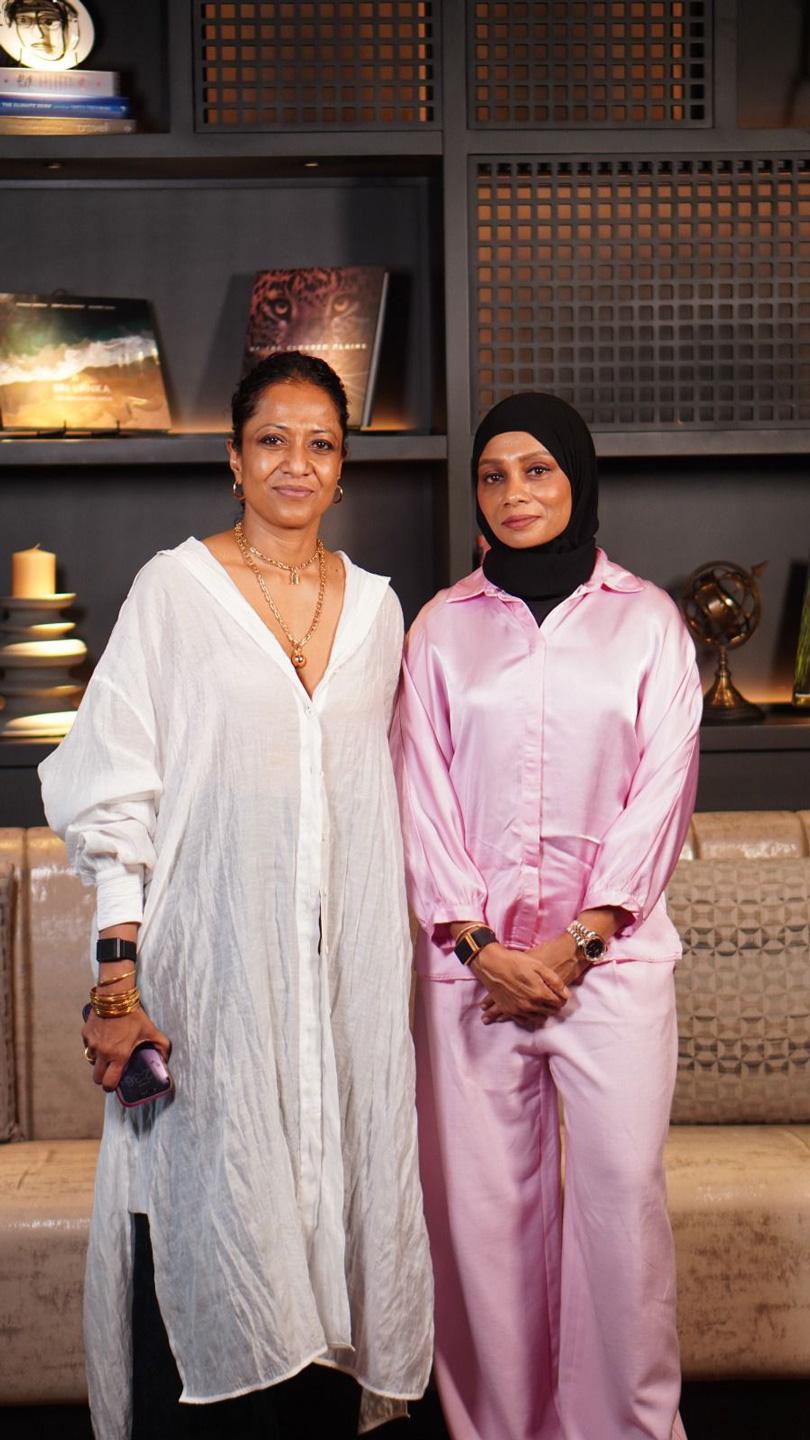
Kasturi Chellaraja is a trailblazing corporate leader whose journey spans national sports and global business leadership. She is the former Group CEO of Hemas Holdings and currently serves as the Chief Operating Officer of 5-Hour International Corporation in Singapore and Head of APAC. Throughout her career, she has consistently broken barriers in traditionally male-dominated corporate spaces, setting an example for women everywhere. From representing Sri Lanka as a national basketball and netball captain to leading multinational teams in high-pressure environments, she has shown that leadership, resilience, and wellness are inseparable. In this exclusive Raise The Bar – Built to Inspire interview, Kasturi opens up about her journey, sharing candid insights on work-life imbalance, the lessons sport imparts, and the power of prioritizing health at every stage of life.
You operate at a very senior corporate level while maintaining a strong commitment to fitness and wellbeing. What does work-life balance truly mean to you, and how have you learned to define it on your own terms?
“There is no work-life balance. What exists is imbalance,” Kasturi explains. “Every day, you have to choose what is the priority, and that imbalance becomes your balance for the day because you have prioritized what matters most. If you make the choice consciously, you end the day feeling happy and fulfilled.” She reflects on her younger years, when she juggled three sports while schooling. “I prioritized sports because it made me happy. I would wake up early, train, go to school, and later, when I started working, wake up even earlier, finish my training, head to work, and then continue studying to get my professional qualifications. At that stage in life, those were my priorities. Later, when I had children, I prioritized being present with them. When I returned to work, I had to decide every day which part of my life I needed to focus on. Some days, it was work, some days, family. Through all this, training and sports remained a priority. I would schedule time for it so I could be the best version of myself. That time alone, working on myself, was my happy place. When I came out of that, I could give the best of myself to my children. There is no perfect balance, only the perfect imbalance, the conscious choice of what matters most at that time.”
There’s a growing pattern of female executives who were once athletes. What do you believe sports teaches women that prepares them for C-suite leadership?
“Sports teach you character,” Kasturi says. “They teach you that you cannot parachute into a leadership role, you have to start from the bottom and build yourself up. I started my career as an audit clerk earning just Rs. 200. Sports teach you that repeated effort, micro improvements, commitment, consistency, and focus are the pathways to success. You win, you lose, and through that, you develop resilience. Team sports, in particular, teach you how to function as part of a team. You need support from coaches, teammates, and family. Playing on national teams, I learned to appreciate diversity, players with different skills, backgrounds, and experiences. To win, we had to embrace those differences and work together toward a shared goal. That lesson translates directly into the corporate world, helping you build cultures of support where everyone can perform at their best.” She emphasizes that leadership is defined by the journey, not the title. “It’s about character and the joy of building a successful team. How you face challenges and crises is shaped by sport. In team sports, you constantly face challenges, you have opponents, unpredictable situations, and pressures that must be managed collaboratively. You learn to focus on what you can control, take decisive action, and adapt to circumstances in real time.
I remember a panel discussion where Mahela Jayawardena explained how he makes a decision on a shot in one second. He can’t overthink; he works only with what is within his control. Sports instils that discipline of decision-making under pressure.”
When girls play sports, they don’t just build strong bodies—they build leadership mindsets. How do you hope to inspire more women to prioritize their health?
“When girls play sports, they develop resilience and leadership qualities that carry into every area of life,” she says. “Sport teaches mental strength. Waking up at four in the morning to train as a thirteen- or fourteen-year-old requires determination, belief, and a strong mind. Balancing school, practice, and travel builds discipline and resilience. Being fit is a by-product; confidence, courage, and mental toughness are the real benefits.”
Kasturi recalls her experience growing up in Sri Lanka. “I was never defined by body image or by being a girl. I practiced alongside boys at high levels, and this normalized equality. It built my confidence to speak up and assert my thoughts in later years. In the corporate world, unconscious biases often exist. Women who participate in sports are less intimidated; they speak up and persist. Sports teach you to take measured risks and approach challenges head-on. They also help you manage failure gracefully and push past it, a quality every leader needs.”
You often talk about fitness as part of your lifestyle. How do you manage consistent training despite work and travel commitments?
“I’ve learned to listen to my body,” Kasturi says. “I wear a device that tracks my biological signals. It tells me if I am broken or need rest. If I haven’t slept enough or overexerted, I adjust accordingly. When traveling, I pack my workout gear and schedule training around flights. Red-eye flights might mean I skip a day, but I return to my routine the next day. Over the years, my training evolved. In my youth, I focused on cardio and endurance. Now, I emphasize strength and balance exercises essential for independence and mobility. Carrying luggage, navigating airports, even daily activities require functional strength. This preparation allows me to remain active, mobile, and independent, regardless of age.”
She recounts a vivid example: “Four years ago, I tore my ACL while serving as CEO. I faced uncertainty about whether I could exercise again. I allowed myself 24 hours of despair and then committed to physiotherapy and training daily at 5:15 a.m., even while balancing the CEO schedule, meetings, and evening events. It was non-negotiable because my wellness mattered. If something is important, you find time; otherwise, excuses will always emerge.”
With corporate pressures and desk-bound routines being so common, what advice do you have for those who claim they don’t have time to exercise?
“Busy is an excuse,” she says firmly. “Prioritize your health. Movement creates motivation, not the other way around. Once you start, momentum flows, your mood improves, and your performance enhances across all areas. Health is foundational; without it, everything else suffers. Exercise should not be considered optional or reactive, it must be a lifestyle.”
You’ve raised two sons while climbing the corporate ladder. What has this taught you about resilience, discipline, and self-belief?
“You learn to balance life by choosing priorities daily,” she explains. “Some days, family needs you more; other days, work does. There is no perfect balance, there is perfect imbalance.
Find a space for yourself, whether through sports, a hobby, or personal development. This allows you to feel accomplished and energized. You cannot pour from an empty cup. Prioritizing wellness shapes your life, making you a stronger leader, caregiver, and role model.”
How do you view the role of organizations in promoting corporate wellness?
“A healthy workforce is a productive workforce,” Kasturi emphasizes. “At Hemas, wellness became part of the culture, from exercise programs and nutrition guidance to health monitoring and friendly competitions. Initially, some employees were sceptical, but over time, we witnessed measurable improvements, reductions in cholesterol, diabetes, and hypertension. Corporate wellness is a long-term investment, requiring commitment from leadership, but it is essential for sustainable engagement and productivity.”
If you could start over as a young professional, would you do anything differently?
“I honestly wouldn’t change anything,” she reflects. “Life and career are intertwined. Career is a tool to achieve life goals. Money and experiences allowed me to support my children, my parents, and build a life I am proud of. Maybe I would have been more patient, less hasty, and worried less about the future. But every decision I took shaped who I am today. My advice to the younger generation is to focus on what you can do today, be great at it, and enjoy the journey.”
Finally, what is one powerful piece of advice you would leave with our readers?
“Life has phases, and each phase has its purpose,” Kasturi says. “When my children were young, my purpose was to be there for them. Later, it was to excel in my career, support my mother, or give back through charitable work. Now, my purpose is to find joy and make an impact where I can. Take life one phase at a time, enjoy it as it comes, and prioritize your health and happiness. No one else will take care of you, it is your responsibility, and it is non-negotiable.”
Through decades of sport, corporate leadership, and personal growth, Kasturi Chellaraja exemplifies a life built on resilience, discipline, and conscious choice. Her story reminds us that strength is cultivated through action, mindset, and consistent care for oneself, and that this strength radiates far beyond individual achievement, inspiring those around us to raise their own bar.