Ramadhan: The Ultimate Discipline Reset-Strengthening Body, Mind & Spirit
Introduction
During the month of Ramadhan, Muslims abstain from eating and drinking from dawn until dusk. Depending on geographical location and season, fasting hours vary significantly from one country to another, with some fasting for as little as 6 hours in extreme polar regions during winter, and others fasting up to 20 hours or more during long summer days. While exact durations differ, the physiological and spiritual principles remain consistent. Fasting is a way to reset and cleanse the human body from within. When we think of the body as a machine constantly operating, we must ask: how long can a machine run at full capacity without servicing? Servicing allows it to perform optimally. The same principle applies to our bodies. Constant eating, digestion, and metabolic processing place ongoing demands on our systems. Fasting offers a structured period of rest, recalibration, and repair. However, achieving these benefits depends entirely on how we nourish ourselves outside fasting hours. Poor dietary habits after breaking the fast can reverse gains or cause unwanted side effects. Ramadhan is not simply about abstinence; it is about intentional discipline.
What Happens to the Body During Fasting?
When you eat a meal, surplus glucose (sugar) is stored in the liver and muscles as glycogen. In the early stages of fasting, the body uses these glycogen stores for energy. As these stores deplete, the body transitions into fat metabolism, breaking down stored fat to create alternative energy. In prolonged fasting scenarios, the body may eventually break down muscle protein to create glucose. However, during Ramadhan, this stage is highly unlikely because fasting is broken daily at Iftar and replenished at Suhoor.

Over 30 days, several important physiological adaptations occur:
- Detoxification processes increase
- Inflammation levels decrease
- Insulin sensitivity improves
- Cellular repair mechanisms activate
One of the most significant processes stimulated during fasting is autophagy; the body’s cellular “cleanup” mechanism. Research by Japanese biologist Yoshinori Ohsumi, winner of the 2016 Nobel Prize in Physiology or Medicine, demonstrated how autophagy contributes to cell regeneration and improved immune function. When fasting is followed by a balanced diet, metabolic efficiency improves significantly. The benefits, however, are only realised when nutrition remains controlled and intentional.

Key Scientific Phases During Ramadhan
Stage 1: Days 1–7 (Detoxification & Glucose Burn)
During the first week:
- Blood sugar levels drop
- Blood pressure may reduce
- The body uses stored glycogen for energy
Initial symptoms such as headaches, dizziness, fatigue, or irritability may occur. These are part of the body adjusting to metabolic changes and toxin clearance.
Stage 2: Days 8–15 (Fat Burning & Healing)
The body adapts and becomes more efficient at using stored fat for energy. The digestive system rests, allowing energy to be redirected toward cellular repair and reduced inflammation.
Stage 3: Days 16–30 (Maximum Efficiency)
By the final phase:
- Autophagy increases
- Metabolic efficiency improves
- Energy levels often stabilise
- Mental clarity and focus improve
Many individuals report heightened awareness, emotional regulation, and sharper cognition during this phase.
Key Physiological Benefits
Metabolism & Body Composition
Reduced calorie intake combined with fat utilisation can result in decreased body weight and fat mass, particularly in physically active individuals. However, research shows that changes can be transient if old eating habits resume post-Ramadhan.

Heart Health
Fasting has been shown to:
- Lower triglycerides
- Reduce LDL (“bad”) cholesterol
- Improve blood pressure
- Lower resting heart rate
These collectively reduce cardiovascular risk factors.
Brain Health
Studies indicate increased production of brain-derived neurotrophic factor (BDNF), a protein that supports cognitive function, memory, and resilience. A 2021 study published in the Journal of Neuroscience highlighted fasting’s role in enhancing neuroprotective mechanisms and reducing the risk of neurodegenerative diseases.
Immune System Support
Fasting stimulates white blood cell production and enhances immune efficiency. Chronic inflammation levels decrease, contributing to improved systemic health.
Mental and Spiritual Gains Ramadhan is not solely physical.
Psychologically, fasting:
- Strengthens self-discipline
- Improves habit control
- Reduces impulsivity
- Enhances emotional regulation
- Lowers cortisol (stress hormone) levels
Spiritually, it encourages:
- Self-reflection
- Gratitude
- Patience
- Mindfulness
- Re-evaluation of personal habits
The discipline cultivated during fasting often carries into other areas of life, productivity, relationships, financial habits, and long-term goal setting.
Ramadhan becomes behavioural training for success.
Important Considerations
Hydration
Dehydration is a significant risk, particularly in hot climates.
Between Iftar and Suhoor:
- Drink water consistently rather than in large quantities at once
- Include electrolyte-rich fluids
- Limit excessive caffeine
- Avoid sugary beverages
Hydration determines energy, focus, strength output, and recovery.
Dietary Choices
Consuming excessive fried, fatty, or sugary foods at Iftar can negate benefits.
The fast is not broken with indulgence, it is broken with intention.
How to Maximise the Health Benefits of Ramadhan
Suhoor (Pre-Dawn Meal)
Focus on:
- Complex carbohydrates (oats, quinoa, brown rice) for sustained energy
- Lean proteins (eggs, poultry, fish, dairy) for muscle preservation
- Healthy fats (nuts, seeds, avocado, olive oil) for satiety
- Adequate hydration
Avoid:
- Refined sugars
- Excessively salty foods
- Heavy fried items
Iftar (Breaking the Fast)
Start gently:
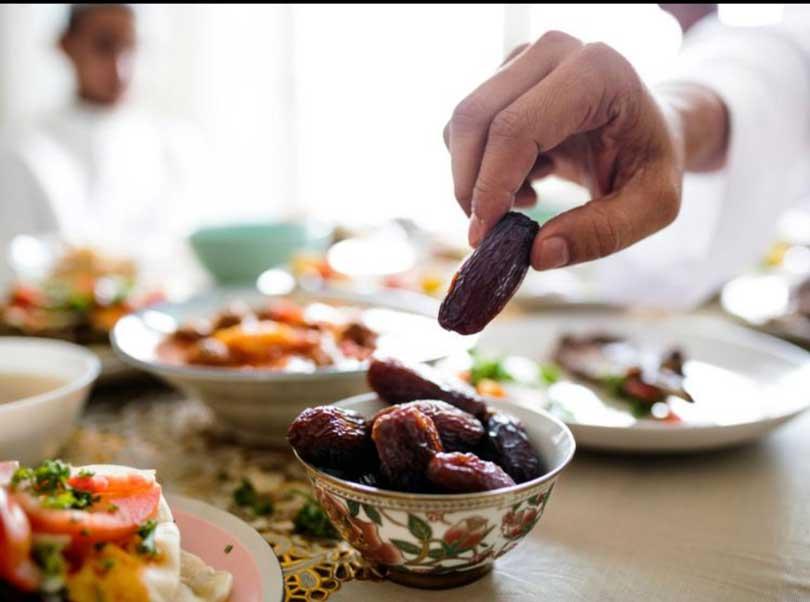
- Dates and water
- Water-rich fruits (watermelon, cucumber)
Then include:
- Lean proteins (chicken, fish, tofu)
- Complex carbohydrates (sweet potatoes, brown rice, whole wheat bread)
- Healthy fats
- Colourful vegetables for micronutrients and antioxidants
Balanced nutrition maximises metabolic repair.
Training During Ramadhan
Physical activity enhances the benefits of fasting. Research consistently shows stronger improvements in body composition among physically active individuals who fast.
Timing
- 30–60 minutes before Iftar (light to moderate training)
- 1–2 hours after Iftar (strength-focused sessions)
- Light mobility or recovery sessions post-Suhoor
Intensity and Volume
- Maintain intensity
- Slightly reduce volume
- Focus on preservation rather than progression
- Prioritise recovery
Ramadhan is not the month to chase personal records, it is the month to refine discipline.
The Long-Term Impact
When fasting is combined with:
- Balanced nutrition
- Hydration
- Physical activity
- Sleep management
The body undergoes meaningful metabolic recalibration.
- Insulin sensitivity improves.
- Inflammation decreases.
- Cellular repair increases.
- Cognitive clarity sharpens.
But perhaps more importantly, Ramadhan trains the mind.
- It strengthens willpower.
- It enhances delayed gratification.
- It builds patience under discomfort.
Those habits extend far beyond 30 days when practiced intentionally.
Final Reflection
Ramadhan is often perceived as restriction. In reality, it is structured liberation.
- It liberates us from constant consumption.
- It resets our biological systems.
- It disciplines our impulses.
- It sharpens mental resilience.
Whether fasting for 10 hours or 18, the blueprint remains universal:
- Hydrate strategically.
- Nourish intentionally.
- Train intelligently.
- Rest sufficiently.
- Reflect deeply.
When approached with awareness, Ramadhan becomes one of the most powerful periods of transformation - physically, mentally, and spiritually. At Raise The Bar, we speak about resilience, consistency, and intentional living. Ramadhan embodies all three. It is not simply a month of fasting. It is a month of becoming stronger, from the inside out. May this Ramadhan be blessed, meaningful, and deeply self-reflective. May it strengthen your body, sharpen your mind, and anchor your spirit in gratitude and purpose.