Dubai Influencers and the Social Media Wave Promoting Safety Amid Regional Conflict.
By: Giselle Gunewardene
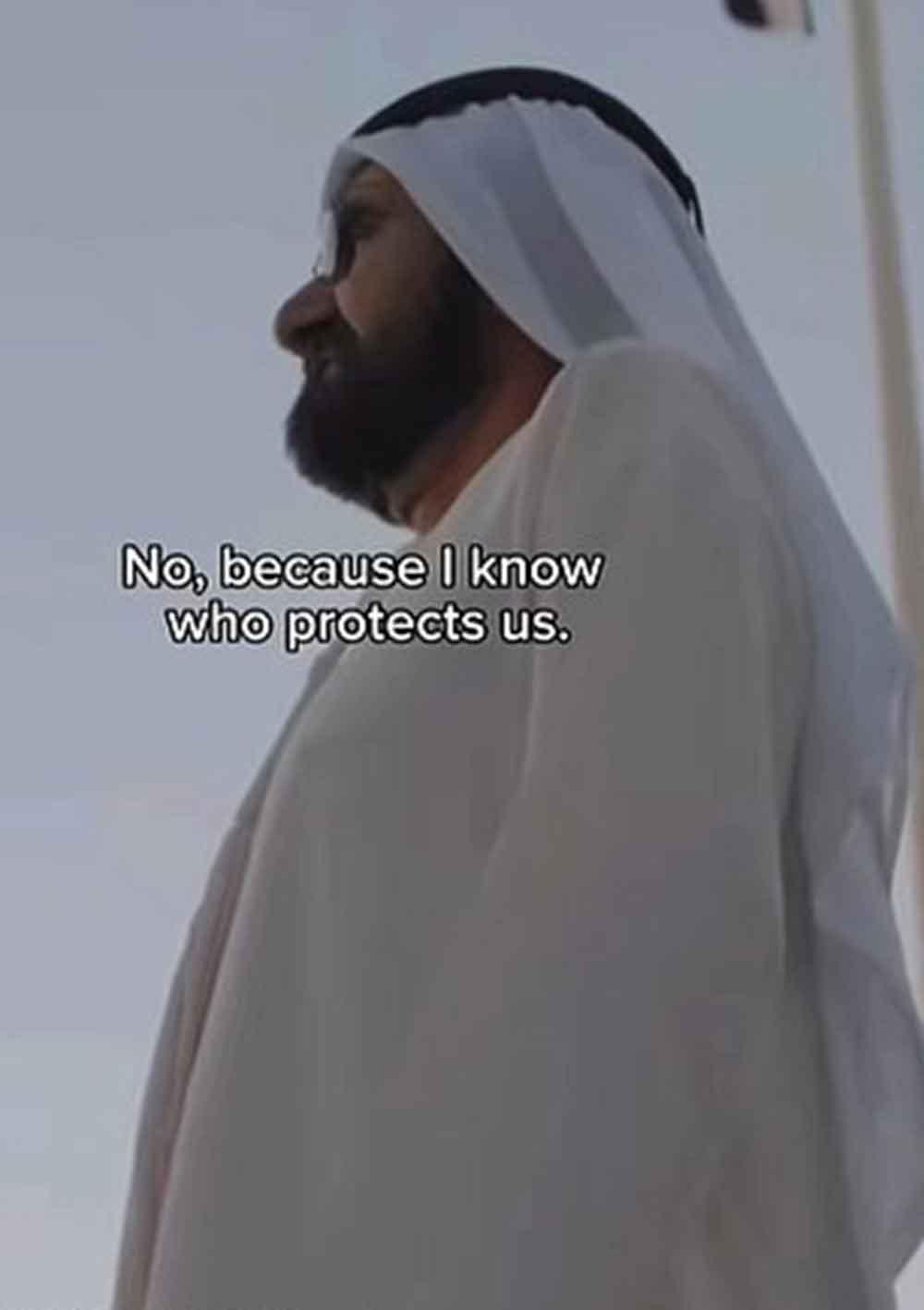
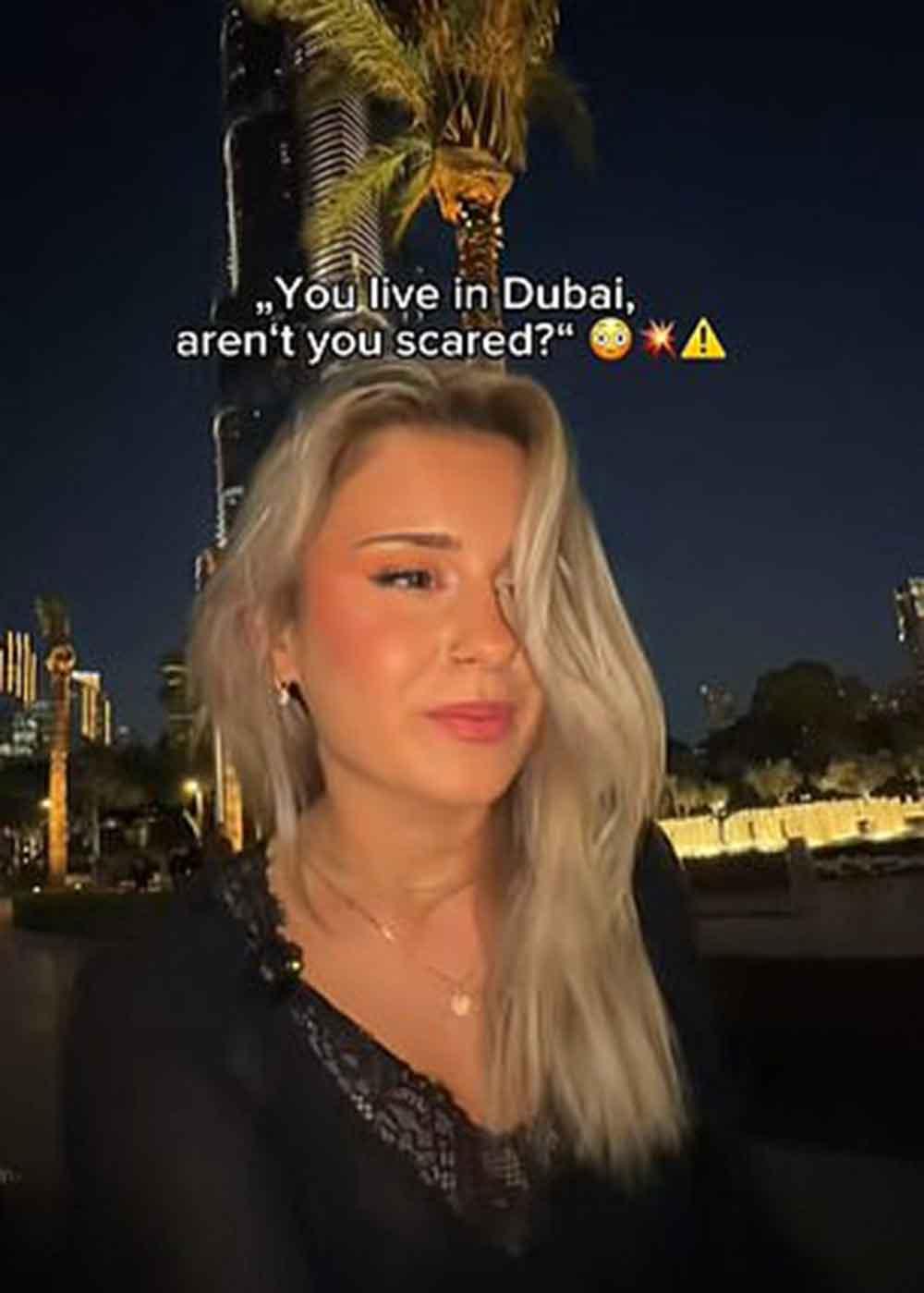
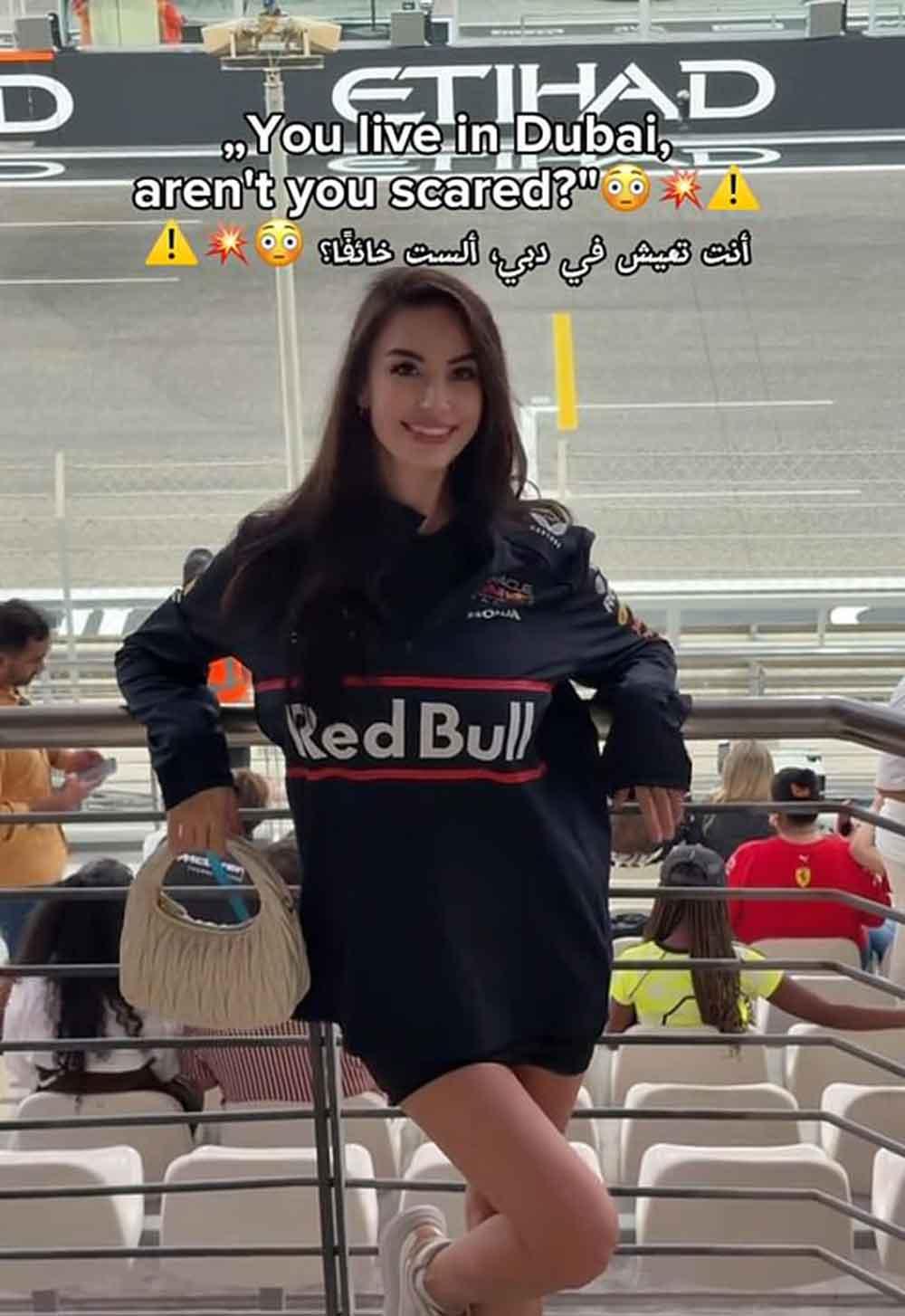
Since the recent escalation of conflict in the Middle East, Dubai has become a surprising focal point of social media content. Influencers living in the city have been posting a wave of videos across TikTok and Instagram reassuring viewers that life in Dubai remains safe and normal. These posts have drawn attention for their striking similarity in script, music, and messaging, prompting widespread discussion online about whether the trend is organic or orchestrated. Many observers have noticed that the videos often follow the same structure. They typically begin with a statement reflecting the questions followers frequently ask about safety in Dubai. Influencers respond with a reassuring message that life is continuing as usual. They showcase everyday activities such as dining at luxury restaurants, enjoying city parks, visiting shopping malls, or showing off views of the skyline. Background music is nearly identical across multiple videos, often drawn from the same two songs, creating a sense of uniformity that has led some viewers to suggest the trend is coordinated. The scripts used by the influencers also closely mirror one another, with repeated phrases emphasizing the city as safe and calm. The timing of the posts further contributes to this perception, with many videos appearing within a short window following the escalation of the regional conflict.
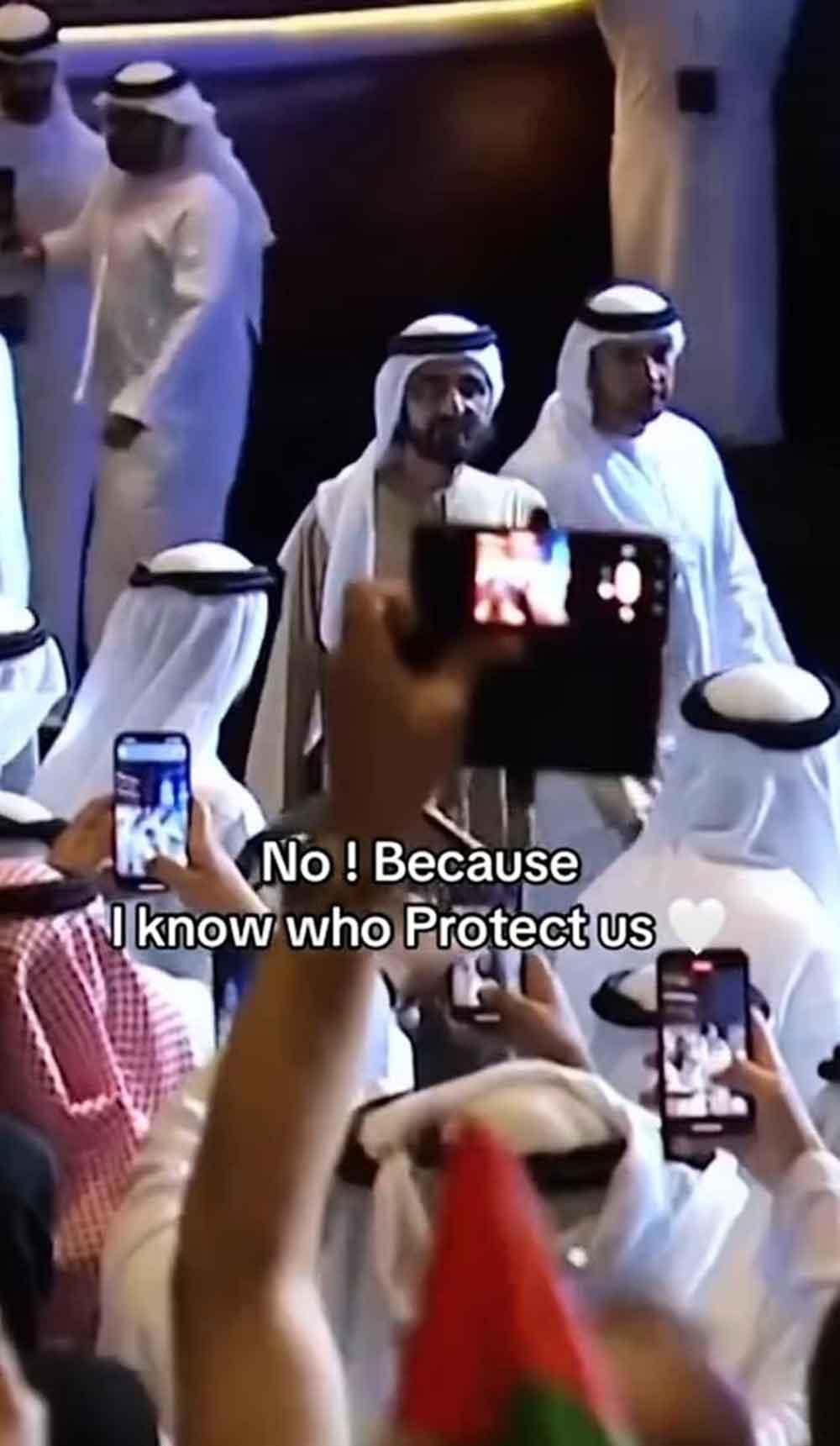
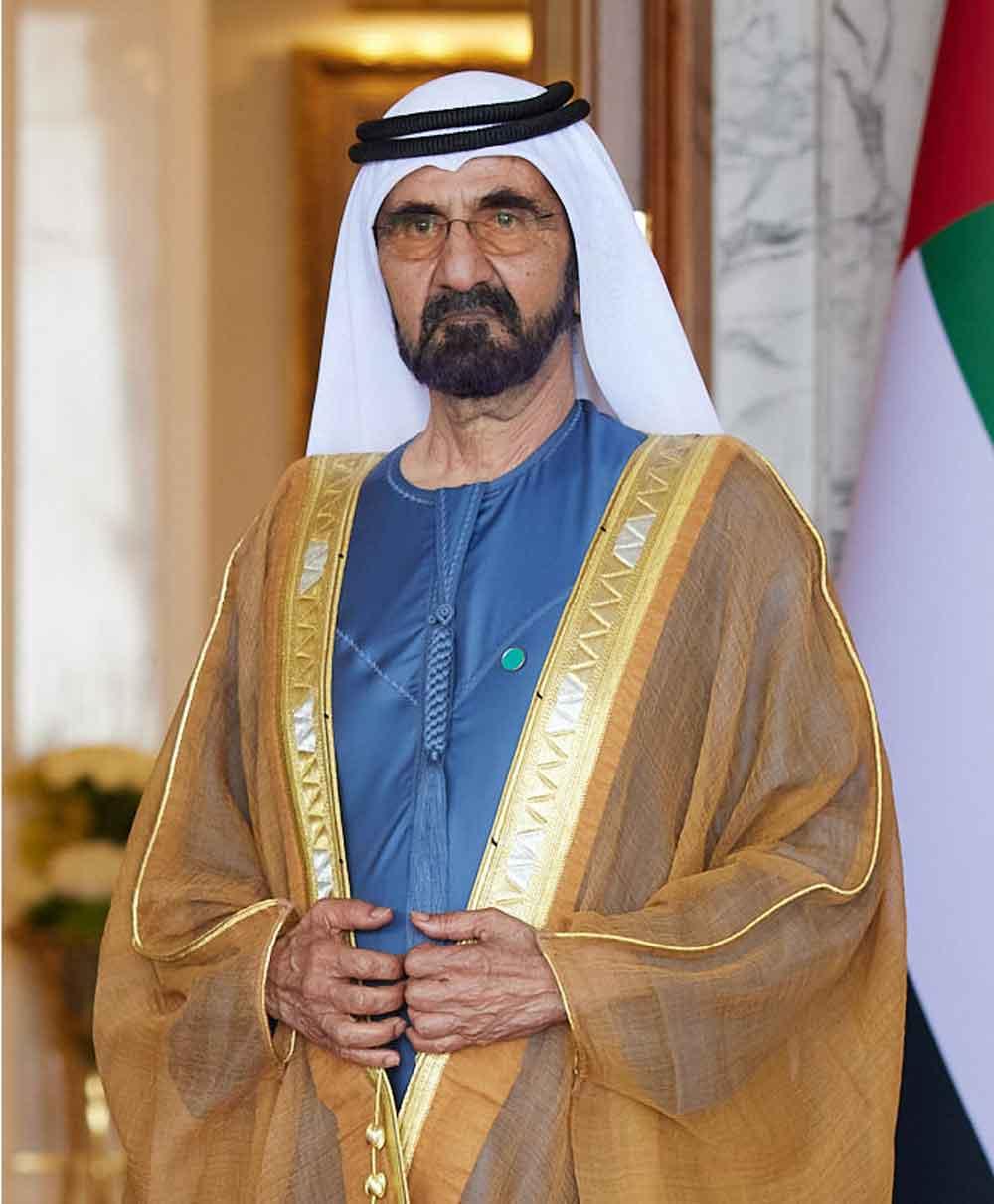
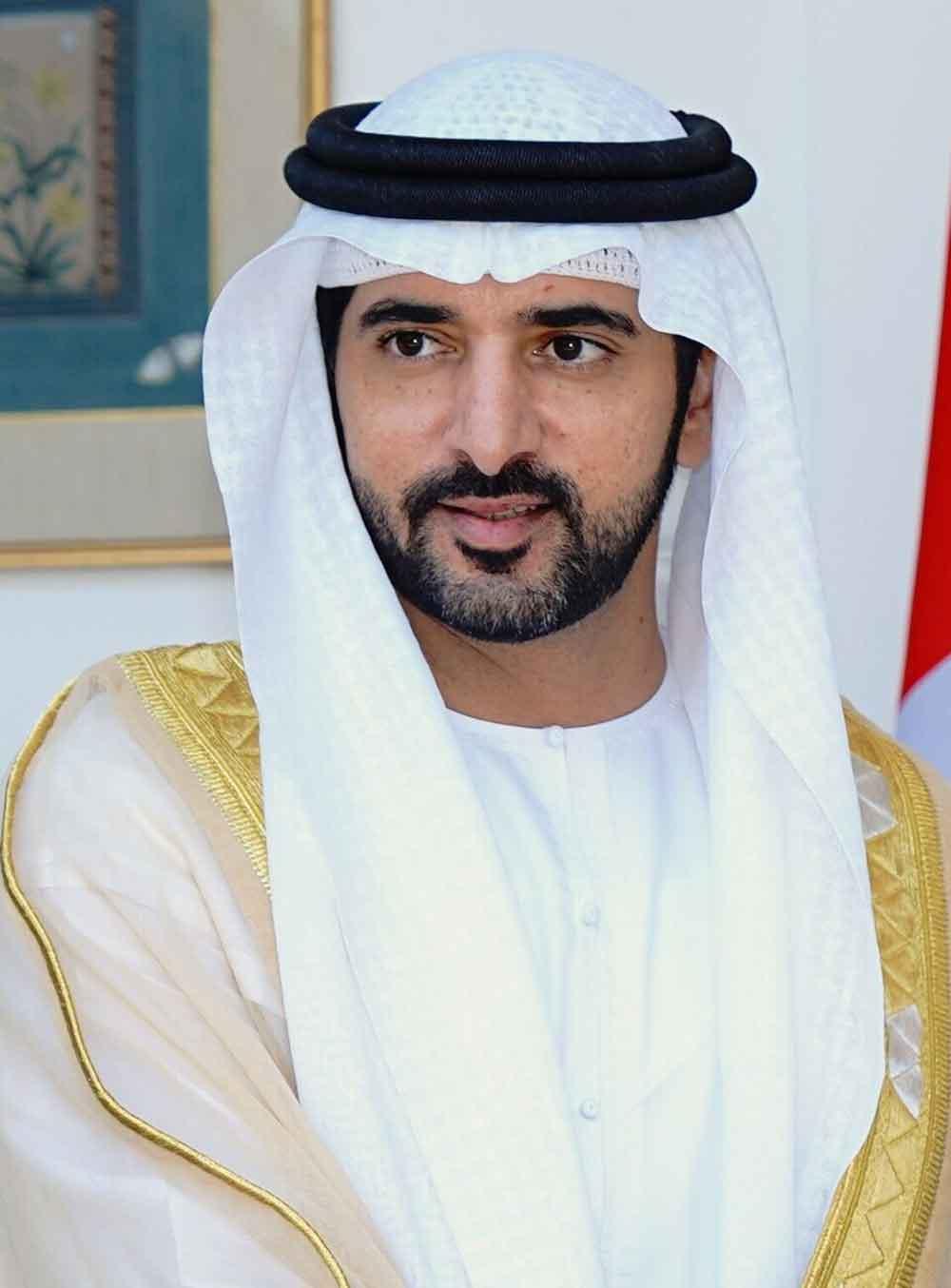
The pattern is so consistent that critics have characterized it as a form of social media propaganda. While there is no confirmed evidence that the government directly instructed influencers to create these posts, the resemblance of the content across accounts suggests at least indirect pressure or a shared understanding among content creators about the message they should convey. Observers have also noted that some influencers explicitly reference or highlight members of the Dubai ruling family, particularly Sheikh Mohammed bin Rashid Al Maktoum and his son, Sheikh Hamdan bin Mohammed Al Maktoum. Featuring the ruling family in posts serves as a symbol of stability and authority, signalling that the government is in control and ensuring security. This element enhances the overall message of safety, providing reassurance not only to residents but also to international audiences who might be concerned about visiting or living in the city.
The UAE is known for having strict regulations regarding online content. Posts deemed to spread misinformation or damage the country’s reputation can lead to legal repercussions. This creates a strong incentive for influencers to avoid controversial topics, particularly those that might touch on conflict or security issues. In this context, emphasizing the safety and normalcy of Dubai becomes a strategy to comply with regulations while continuing to engage with audiences. It also protects influencers from potential legal issues while aligning with cultural expectations regarding respect for the ruling family and government institutions.
Financial incentives further drive the consistency of these posts. Dubai has long attracted international influencers because of its favourable tax policies, luxury lifestyle offerings, and opportunities for brand partnerships. Influencers living in Dubai often rely on tourism-related content for revenue and portraying the city as safe and desirable is central to maintaining this income stream. Highlighting safety reassures potential visitors and sponsors, helping sustain Dubai’s image as a premier destination for tourism, business, and luxury living. Any perception that the city is unsafe could negatively impact influencer revenue and the broader tourism industry. It is therefore understandable that content creators emphasize calm and normalcy, as their livelihoods are closely tied to Dubai’s image.
The recent wave of posts also illustrates the growing role of social media in shaping public perception during times of conflict. In the past, news of regional tensions would primarily reach audiences through traditional news outlets. Now influencers, often with millions of followers, have significant power to shape narratives quickly and visually. Their posts reach audiences who might not otherwise engage with traditional media, and the combination of luxury visuals, familiar music, and scripted reassurances is highly effective in reinforcing a specific message. By creating a sense of continuity and calm, these videos serve as both marketing content for Dubai and as reassurance for followers concerned about safety. Critics of the trend have expressed scepticism about the authenticity of the posts. They point out that the repeated use of the same music and scripts creates a manufactured feel. Observers online have compiled side-by-side comparisons showing the similarities in phrasing, music, and imagery. This has led to discussions about the thin line between genuine influencer content and coordinated messaging, highlighting the unique dynamics of social media in politically sensitive environments. Even when the posts are not officially sponsored, the social and legal pressures on influencers create a natural incentive to convey the same reassuring narrative.
Highlighting members of the ruling family reinforces this narrative by presenting Dubai as a city under strong leadership. Posts featuring Sheikh Mohammed bin Rashid Al Maktoum and his son, Sheikh Hamdan bin Mohammed Al Maktoum, signal to viewers that the city’s administration is attentive and that safety measures are being actively overseen. For international audiences, seeing familiar landmarks or events associated with the royal family provides a sense of stability. The use of these figures in social media posts is not merely a marketing tool but a culturally resonant way to communicate authority and control, which is particularly significant during times of regional instability. The economic context of Dubai also plays a role in shaping influencer content. Tourism, real estate, and luxury lifestyle industries are central to the city’s economy. Any perception of instability could threaten these sectors. By promoting Dubai as safe, influencers indirectly support economic stability while continuing to benefit from their presence in the city. The coordinated appearance of posts, whether intentional or driven by shared incentives, reflects the intertwining of personal, economic, and national interests in social media messaging.
Despite the criticisms, many influencers claim their posts are simply personal reflections of their daily lives. They emphasize that they are sharing authentic experiences rather than following a directive. However, the overwhelming similarity in content, timing, and presentation raises questions about how much choice is involved when operating in a highly regulated and economically sensitive environment. The result is a body of content that is strikingly uniform and has become a talking point across social media platforms, attracting commentary from journalists, analysts, and general users alike. In addition to videos about safety, some influencers have also posted cryptic messages or subtle references to the ongoing conflict, often accompanied by reassurances about Dubai. These posts serve as a balance between acknowledging regional tensions and maintaining the overall message that life in the city is unaffected. The selective approach to content illustrates a nuanced understanding of audience expectations, legal considerations, and the economic stakes involved in influencer marketing within Dubai.
The phenomenon is part of a larger trend in which social media has become an important channel for shaping perceptions of geopolitical events. Influencers are increasingly acting as intermediaries between governments, audiences, and the global media narrative. Their reach and influence can shape opinions quickly and visually, often in ways that traditional reporting cannot. In Dubai, this has resulted in a wave of highly consistent messaging that reinforces the city’s image as a secure and desirable place to live, work, and visit, despite regional instability.
In conclusion, the recent surge of influencer content promoting Dubai’s safety illustrates the complex intersection of social media, economics, culture, and politics. The near-identical scripts, recurring music choices, and highlighting of the ruling family create a coordinated narrative that reassures both residents and international audiences. Legal pressures, financial incentives, and cultural norms all contribute to the uniformity of the messaging. While critics have questioned the authenticity of these posts, the phenomenon provides a clear example of how social media can be used to shape perceptions and maintain a city’s global image in times of regional uncertainty. The Dubai influencer trend is not just a reflection of daily life in the city; it is a strategic and highly visible demonstration of stability, authority, and continuity, underscoring the growing power of influencers in the modern media landscape.