Why Women Feel Like Four Different People Every Month
 By Dewmi Dodhani
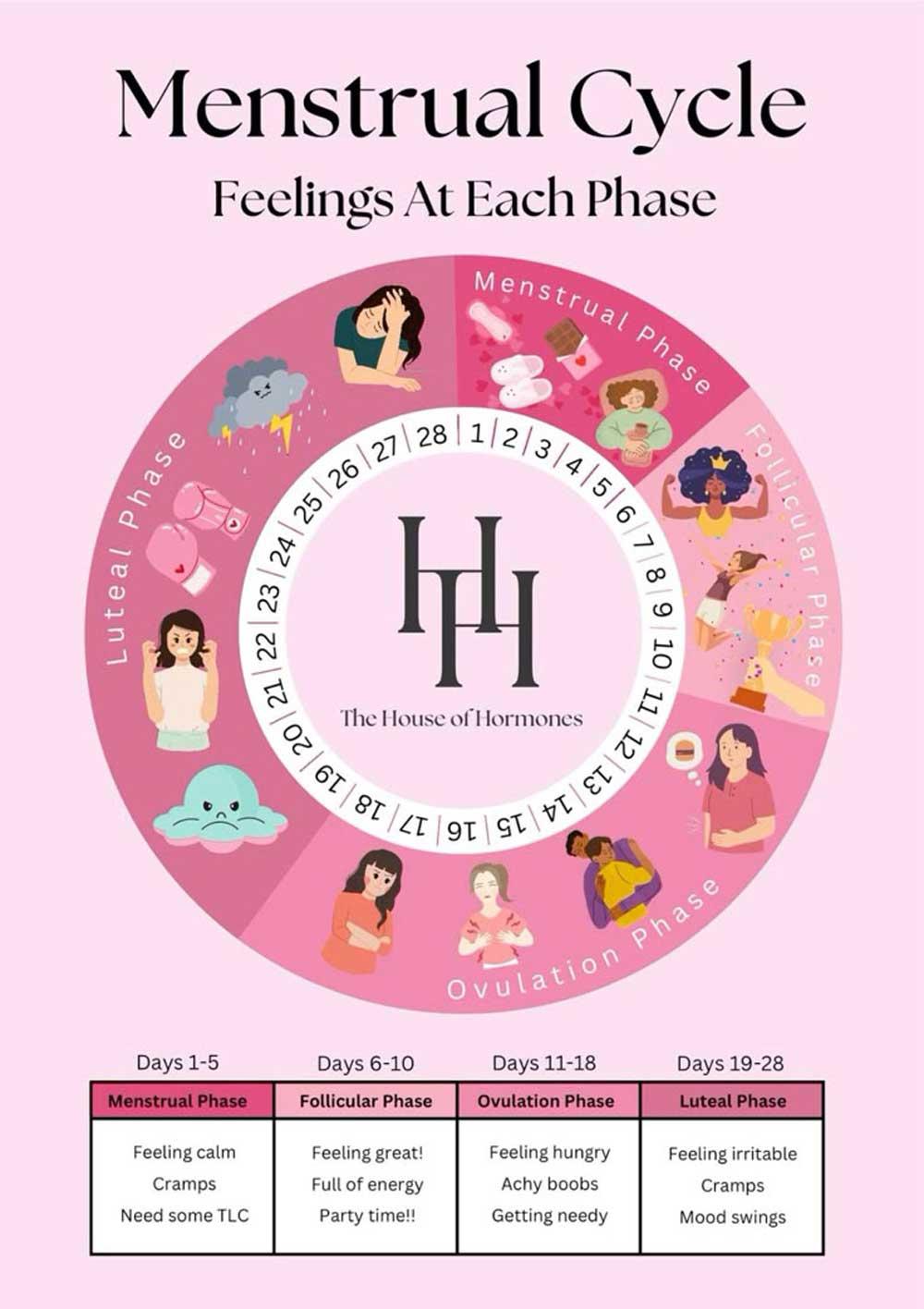
For many women, the menstrual cycle is often reduced to just one event, the period. But in reality, the cycle is a complex hormonal journey that affects far more than just the body. It can influence mood, energy levels, confidence, focus, appetite, and even how a woman interacts with the world around her. Scientists now say that throughout a typical menstrual cycle, hormonal changes can make women feel like completely different versions of themselves from week to week. While everyone’s experience is unique, the cycle generally moves through four phases, each bringing noticeable physical and emotional changes. Understanding these phases can help explain why some days feel productive and powerful, while others feel exhausting or emotionally overwhelming.
Week One: The Menstrual Phase
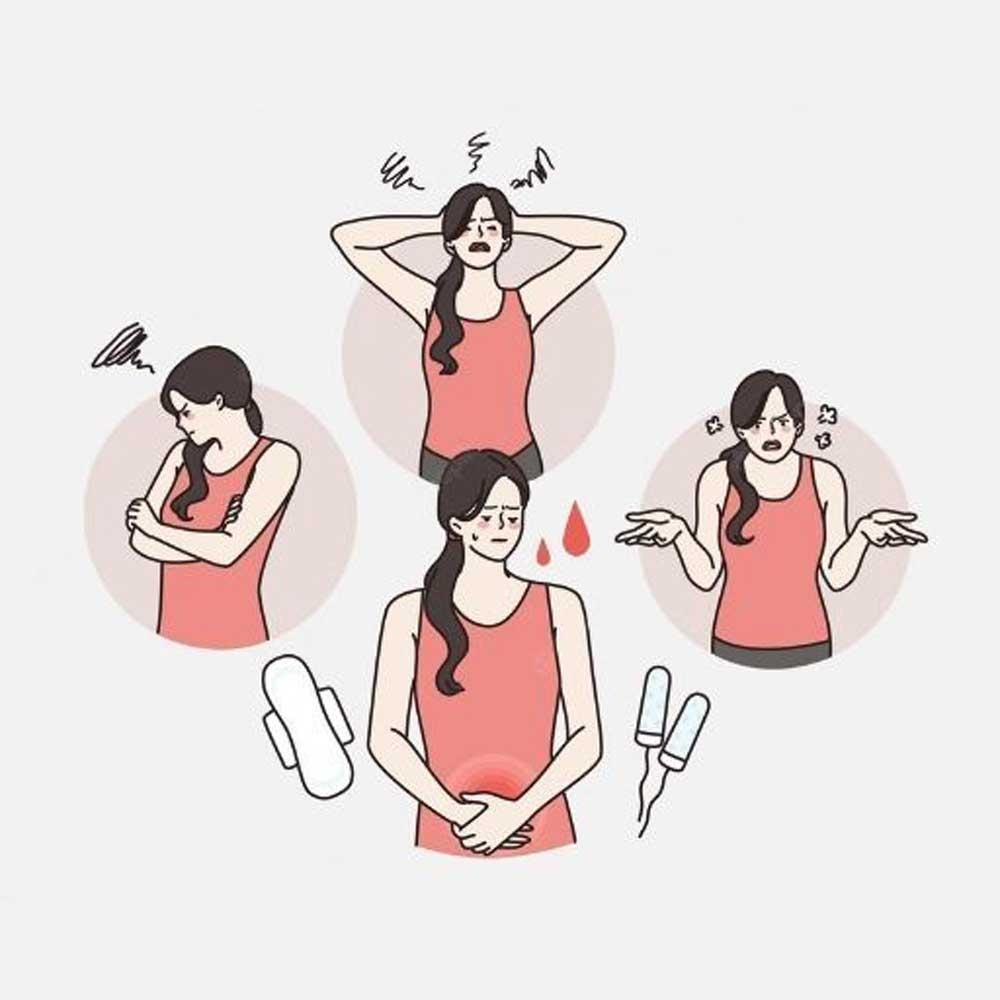
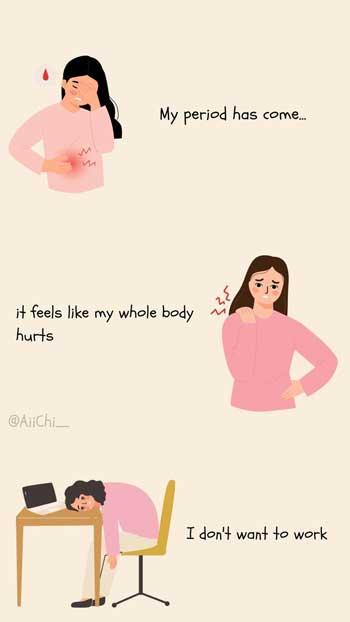
The menstrual phase begins on the first day of bleeding. During this time, levels of the hormones estrogen and progesterone are at their lowest. This hormonal drop is what triggers the shedding of the uterine lining, which is the bleeding that occurs during a period. Because hormone levels are low, many women feel physically tired or emotionally sensitive during this phase. Cramps, headaches, and fatigue are common as the body works through the process. Energy levels often dip, and many women feel a strong urge to rest. Social plans or demanding work can feel overwhelming. While this phase is often associated with discomfort, it is also a time when the body resets and prepares to start a new cycle. Some experts suggest that this period is naturally suited for slower routines, reflection, and recovery rather than high-pressure activities.
Week Two: The Follicular Phase
Once menstruation ends, the body begins the follicular phase. Estrogen levels gradually rise, stimulating the development of follicles in the ovaries and preparing the body for ovulation. As estrogen increases, many women begin to notice an improvement in mood and energy. Mental clarity may sharpen, creativity can increase, and motivation often returns. This phase is sometimes described as a time of renewal. Women may feel more optimistic, productive, and focused. Tasks that require planning, learning, or problem-solving can feel easier during this time. Socially, women may also feel more outgoing and open to new experiences as their energy levels begin to rise again.
Week Three: The Ovulatory Phase
Ovulation is the midpoint of the cycle and often the peak of hormonal energy. Estrogen reaches its highest levels just before an egg is released from the ovary. During this phase, many women report feeling their most confident and energetic. Communication skills often feel sharper, and social interactions may feel easier and more enjoyable.
Research has even suggested that some women may feel more attractive and self-assured during ovulation due to subtle hormonal changes. Increased energy levels can make it a time when physical activity, presentations, or social events feel more manageable. However, this phase is relatively short, typically lasting only a few days.
Week Four: The Luteal Phase
After ovulation, the body enters the luteal phase. Progesterone becomes the dominant hormone as the body prepares for a possible pregnancy. For some women, this phase can bring noticeable emotional and physical changes. If pregnancy does not occur, hormone levels begin to drop toward the end of this phase, which can lead to symptoms commonly associated with premenstrual syndrome (PMS). These symptoms can include irritability, mood swings, bloating, fatigue, food cravings, and difficulty concentrating. Some women also experience increased anxiety or emotional sensitivity during this time. Although these changes can feel frustrating, they are part of the body’s natural hormonal rhythm.
The Science Behind the Changes
The menstrual cycle is controlled by a complex interaction between hormones produced by the brain and the ovaries. Estrogen, progesterone, follicle-stimulating hormone (FSH), and luteinizing hormone (LH) all work together to regulate the cycle. These hormones do more than control reproduction. They also interact with brain chemicals such as serotonin and dopamine, which play major roles in mood and emotional regulation. This connection helps explain why hormonal shifts can influence how women feel mentally and emotionally throughout the month.
Understanding the Cycle
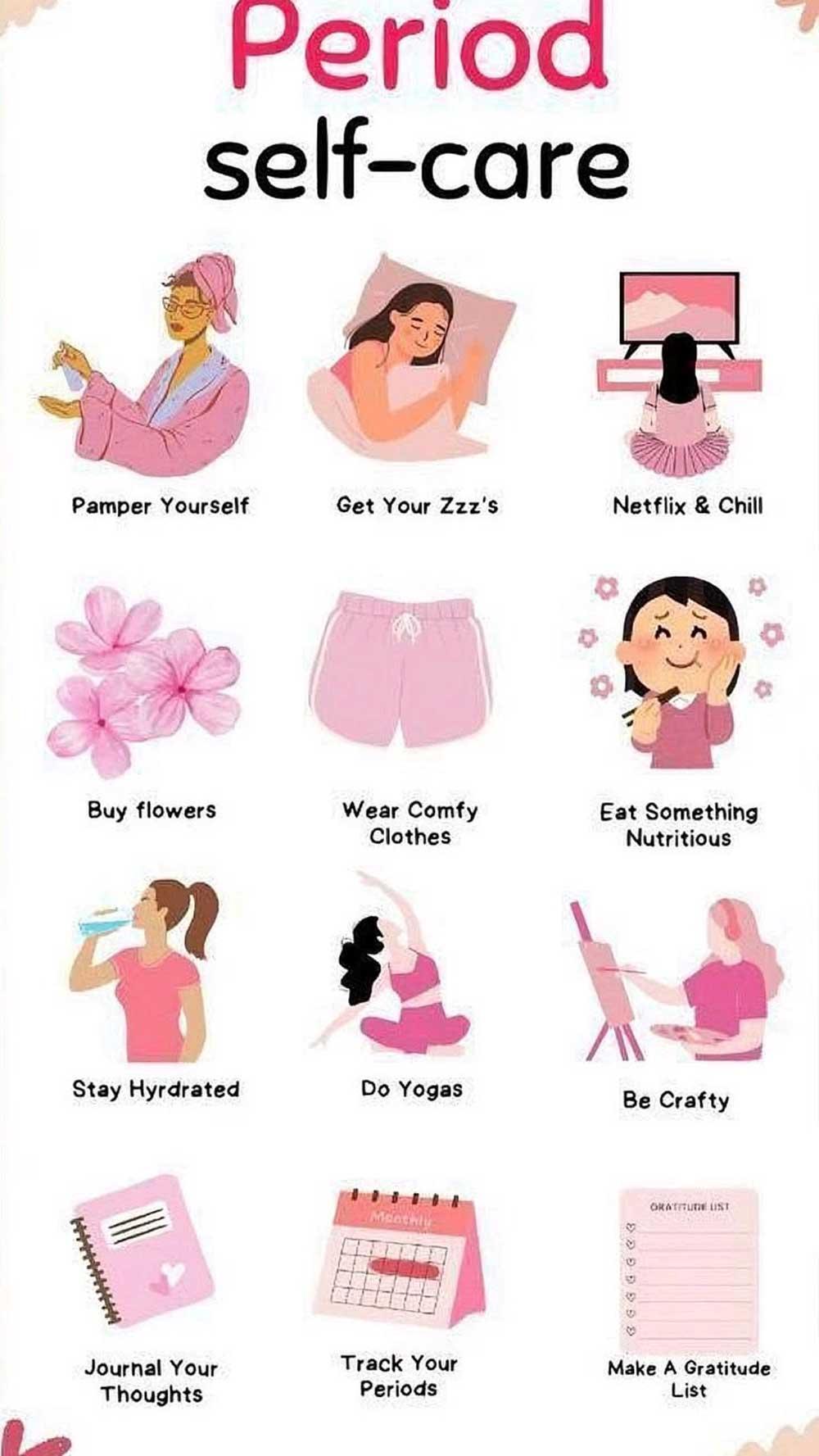
In recent years, awareness of menstrual health has grown significantly. Many women are beginning to track their cycles more closely using mobile apps or journals to better understand their own patterns. By recognizing how each phase of the cycle affects mood and energy, some women find it easier to plan demanding tasks, social events, or self-care activities at times that feel more natural for their bodies. For example, creative work or presentations may feel easier during the follicular or ovulatory phases, while the luteal and menstrual phases may be better suited for rest, reflection, and lighter responsibilities.
A Natural Rhythm
While society often expects people to perform at the same level every day, the menstrual cycle shows that the body naturally operates in rhythms rather than constant highs. For women, these hormonal shifts are not signs of weakness or instability. Instead, they are part of a powerful biological system that prepares the body for reproduction and influences overall health. Understanding these patterns can help women feel more in tune with their bodies rather than frustrated by changes they cannot control. Because when it comes to the menstrual cycle, feeling like four different people each month may simply be the body following its natural rhythm.