An Evening of Poise and Precision At the Russian School of Ballet Awards 2026
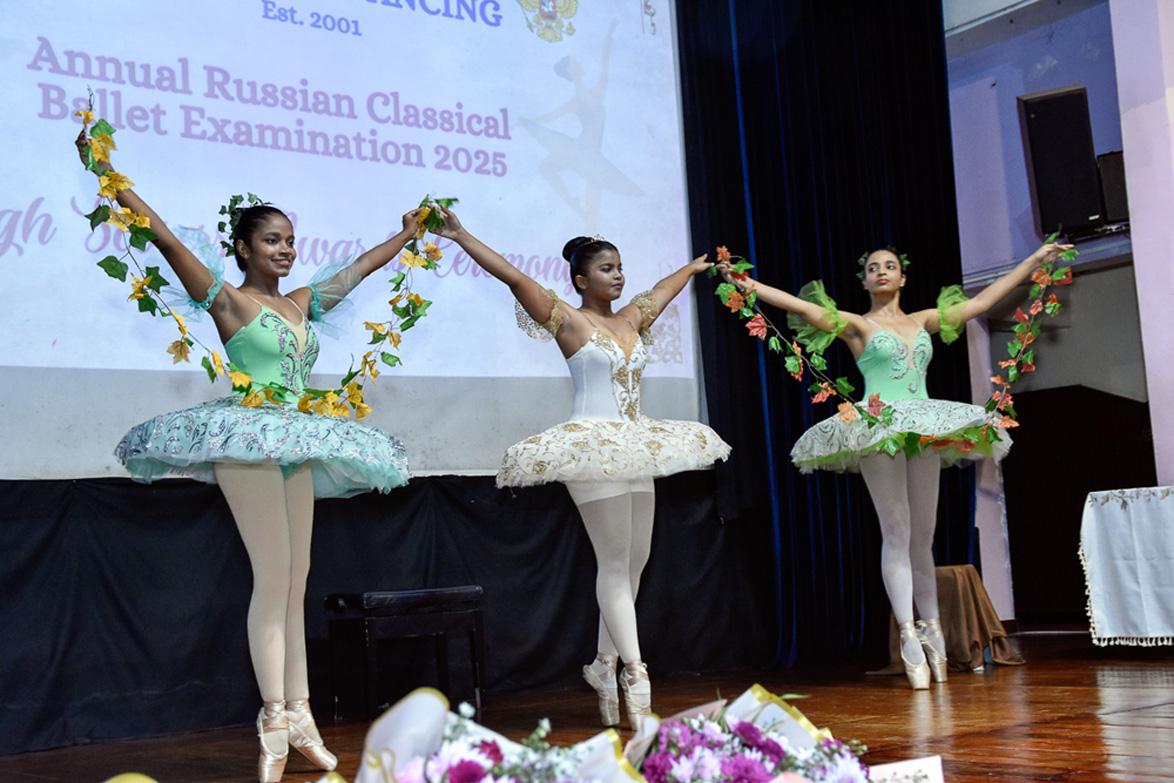
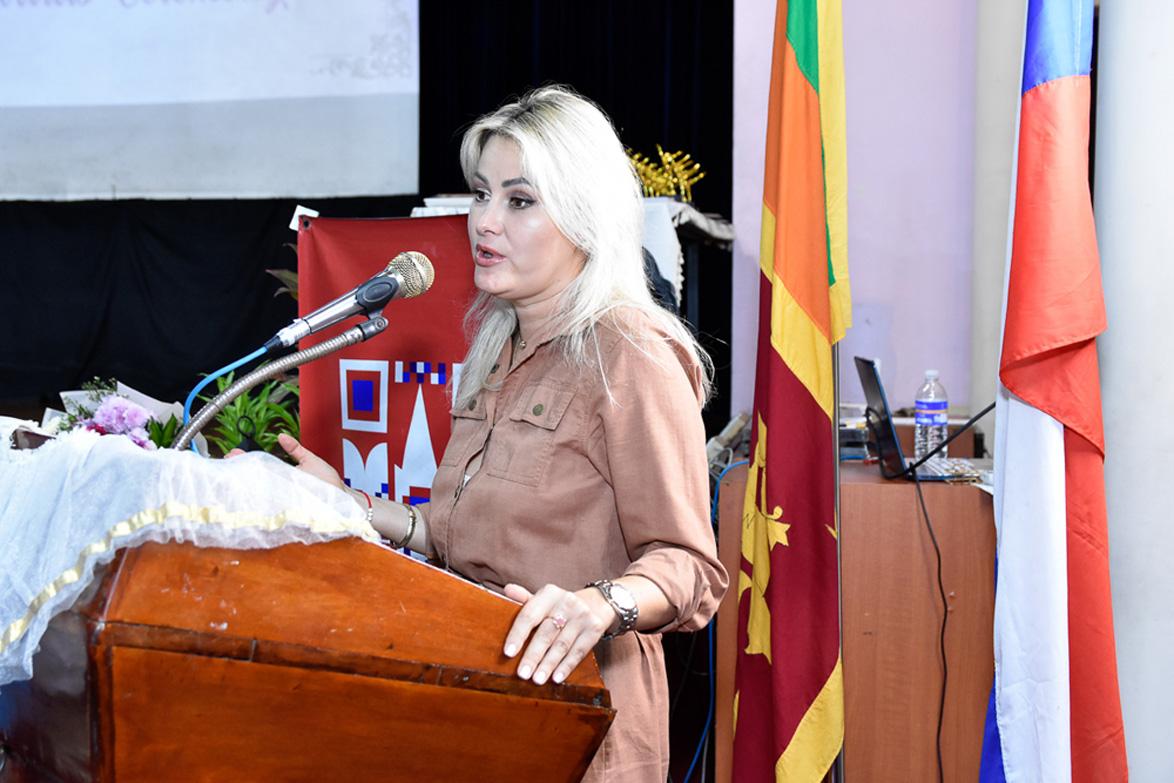
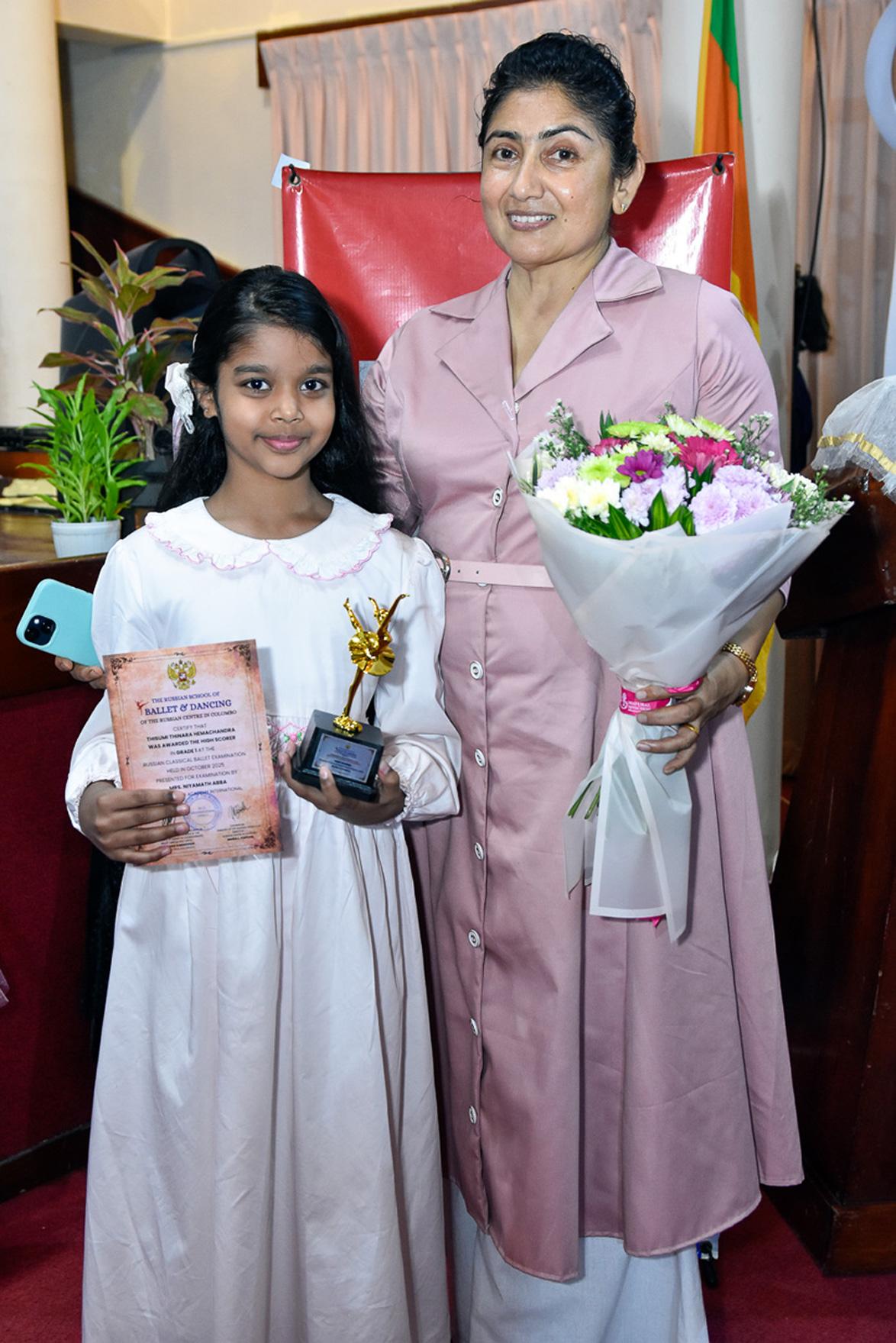
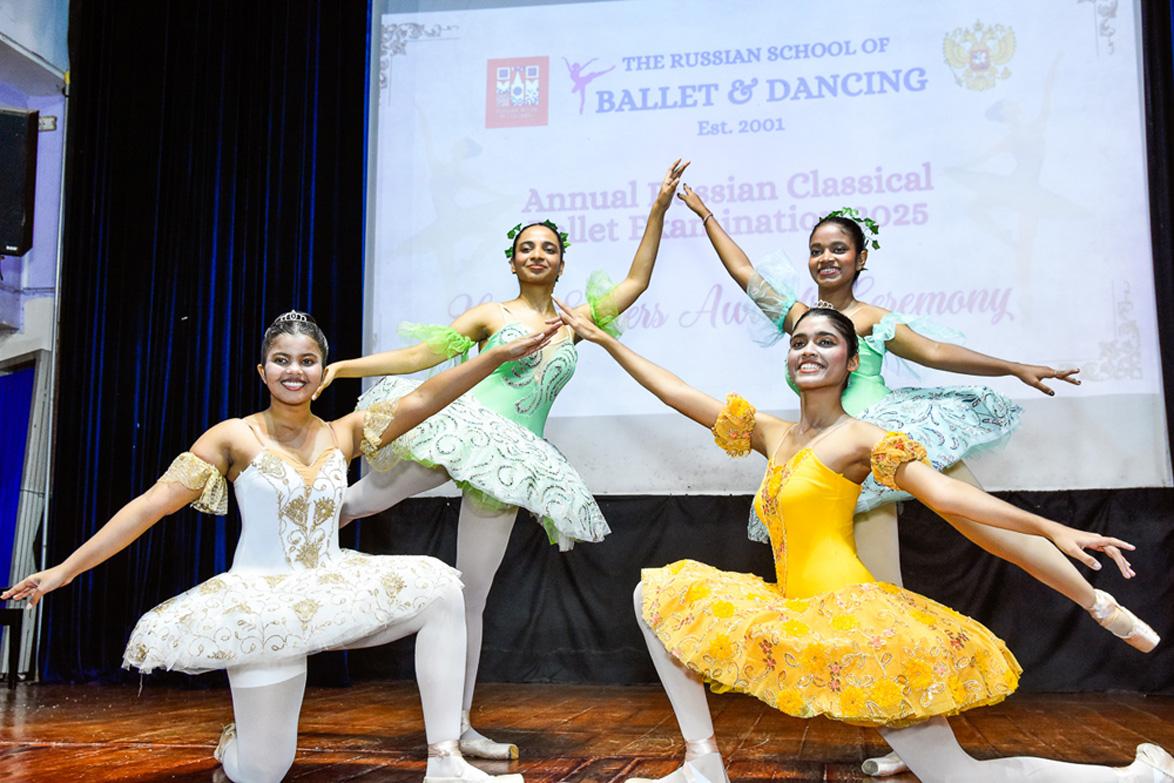
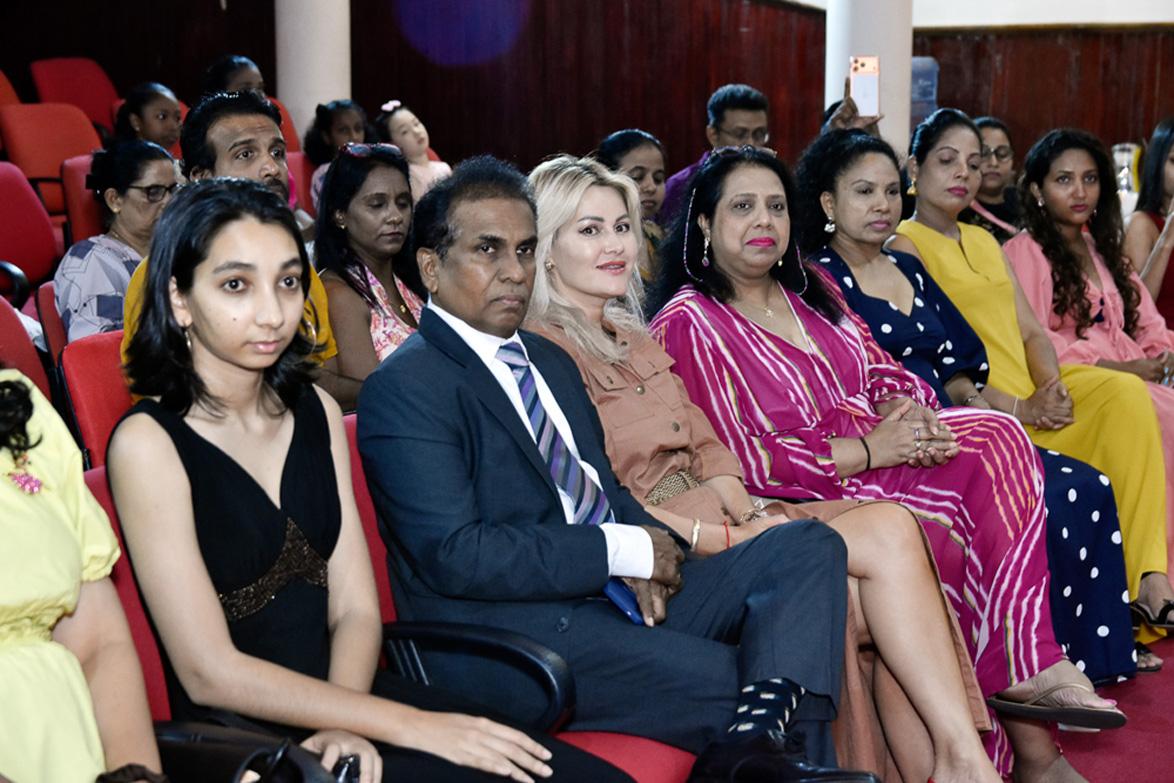
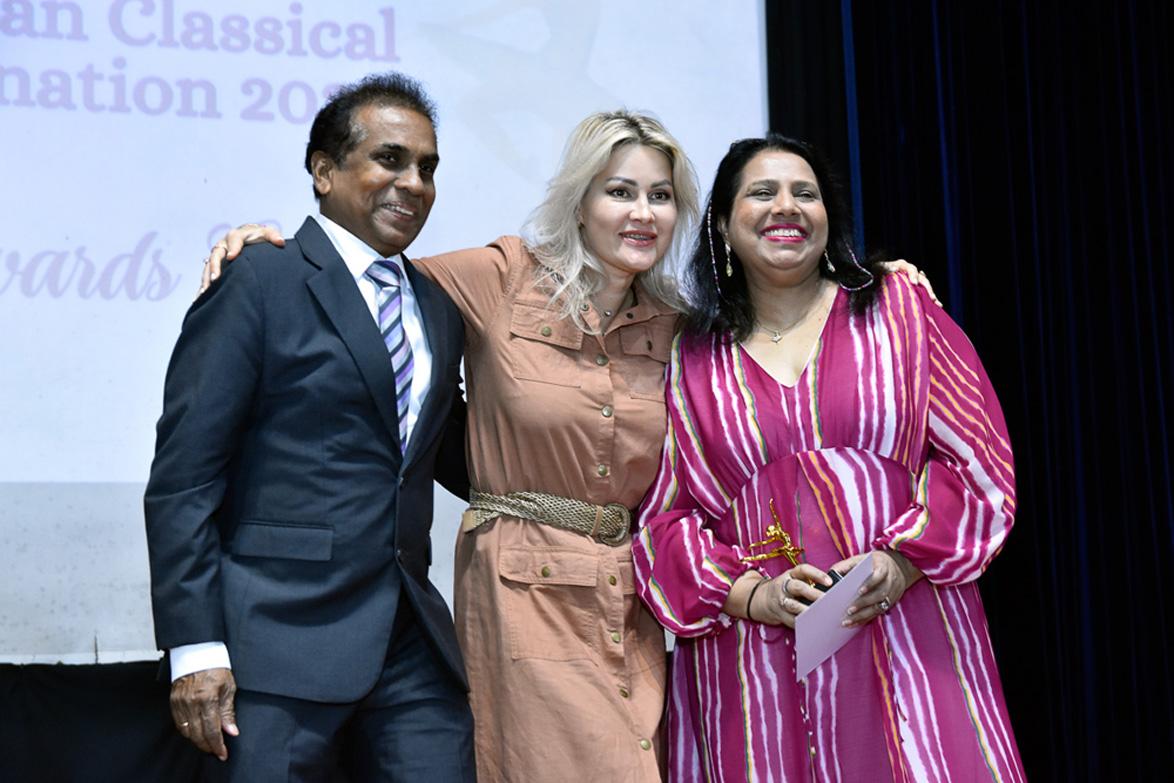
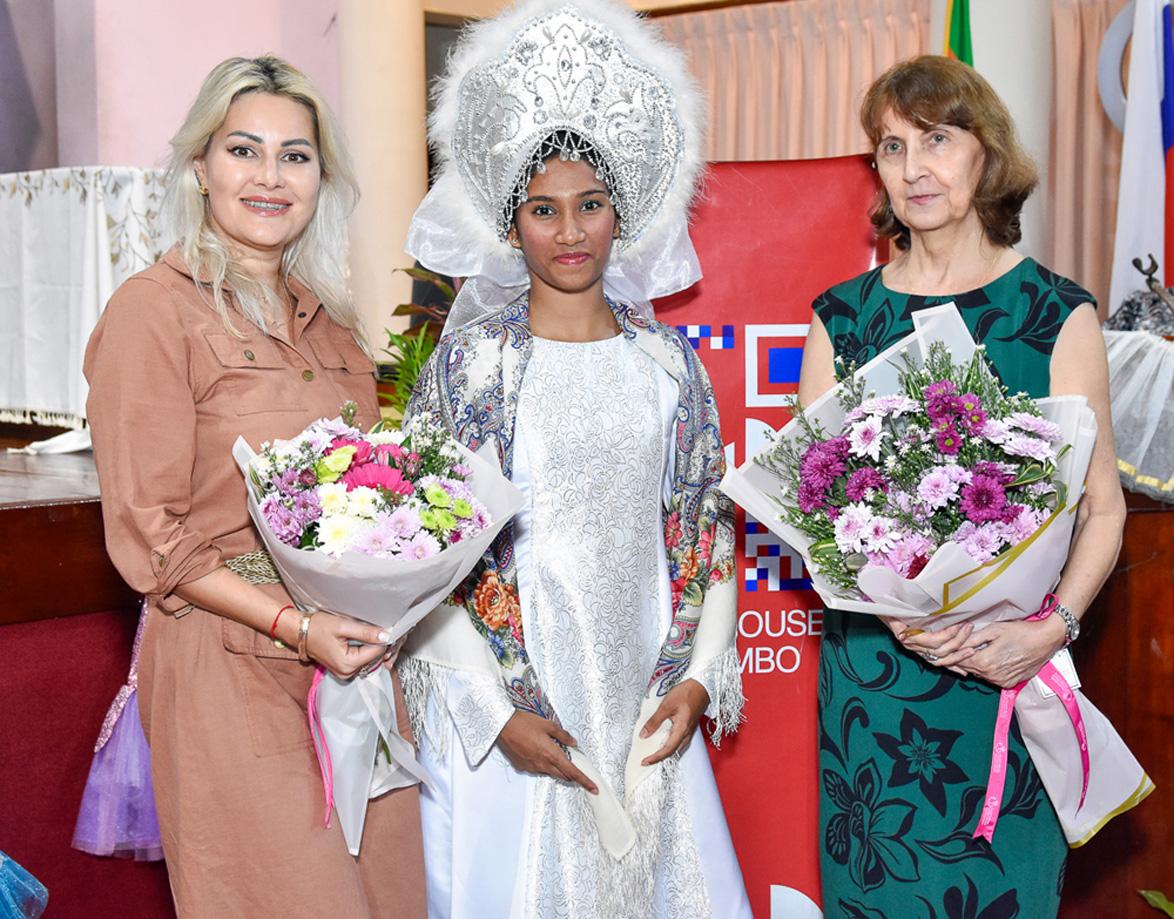
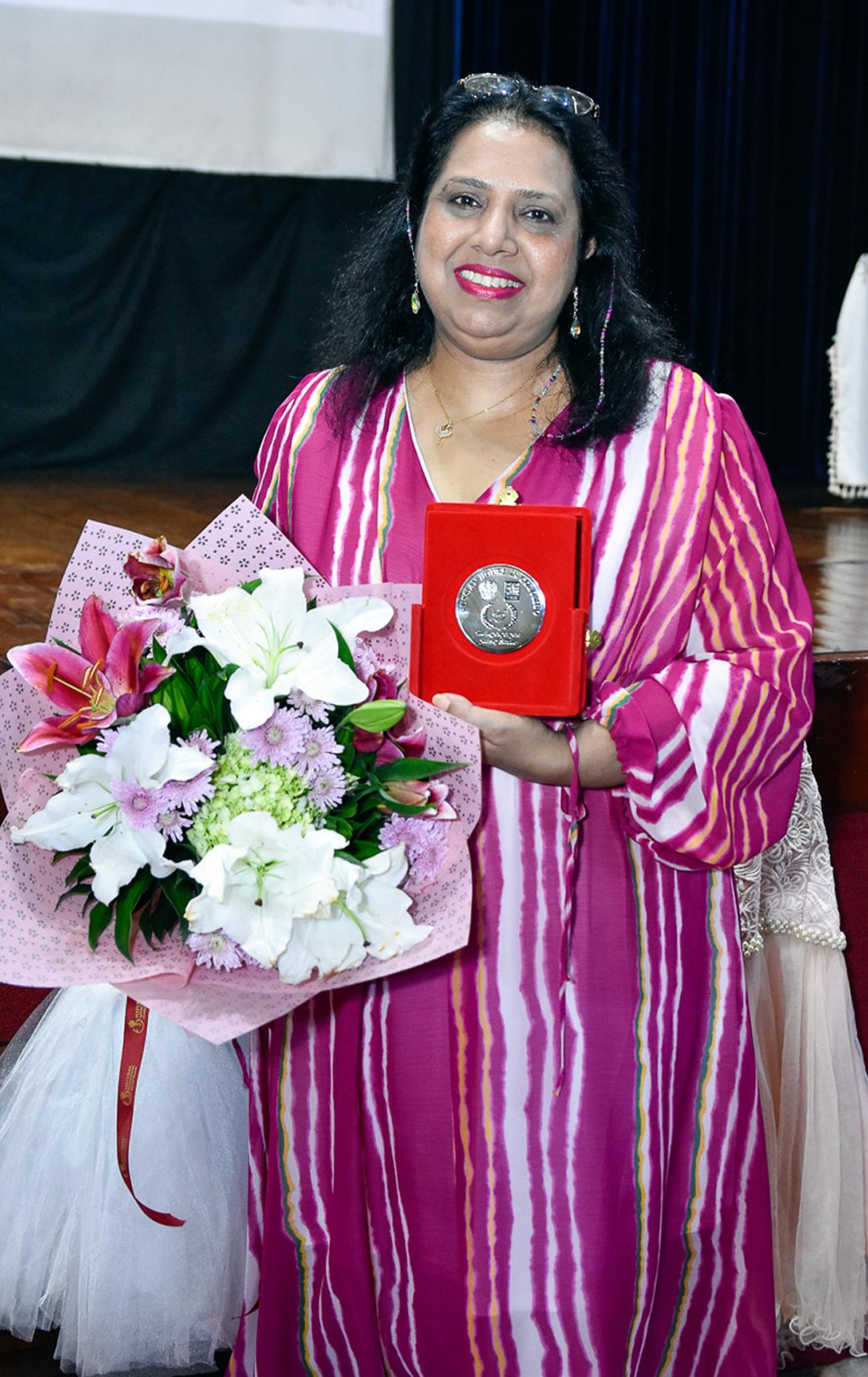
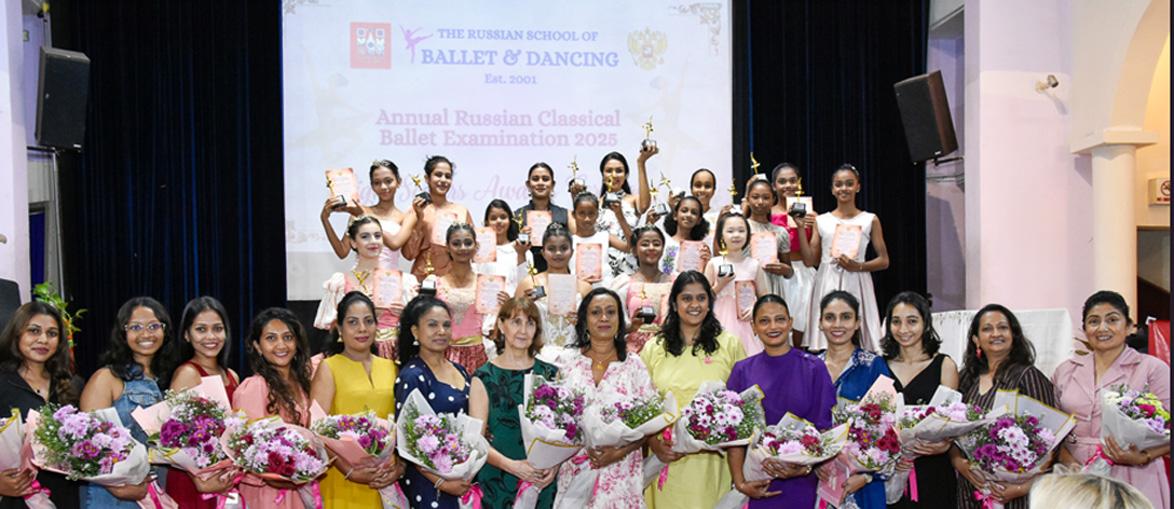
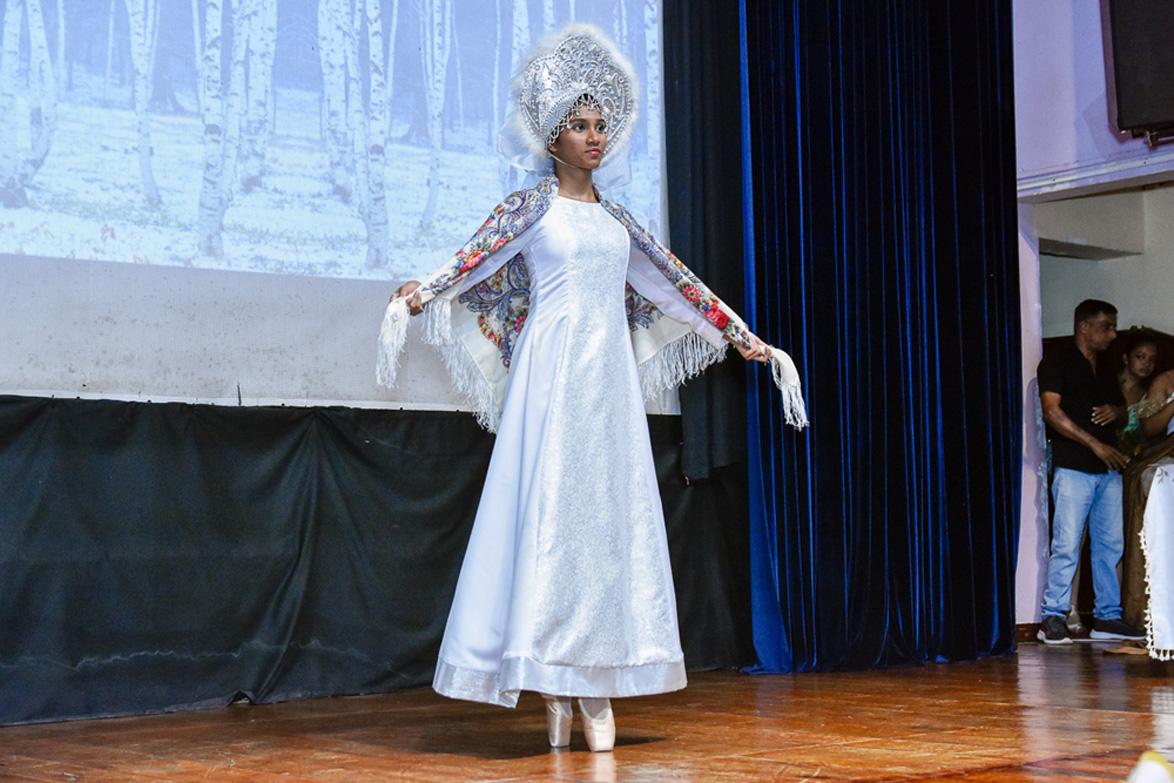
On a warm February evening, the auditorium of the Russian House in Colombo carried a quiet elegance. Satin ribbons were adjusted with care. Parents leaned forward as names were read aloud, each one a testament to months and sometimes years of patient effort. The 2026 High Scorers Awards Ceremony of the Russian School of Ballet and Dancing was more than the distribution of certificates. It was a public acknowledgment of discipline, continuity, and a cultural tradition preserved far from its place of origin.
Classical ballet in Colombo has always held a gentle improbability. It is an art shaped in European courts and refined in Imperial Russia, carried forward through centuries of codified technique. Yet within the walls of the Russian House, young Sri Lankan dancers rehearse the same foundational exercises that form the backbone of classical training worldwide. The barre work is deliberate. Corrections are precise. The focus is not on display but on structure.
The school was established with the support of the Russian House in Colombo under the leadership of Mikhail Ustinov, then Director, and Buddhapriya Ramanayake, Chief Executive Officer. Galina Pleshakova served as the founding instructor, setting the technical and artistic tone of the institution. In 2001, Cultural Officer Chandi Aluvihare developed and standardized the school’s academic framework, shaping a structured programme aligned with Russian methodology.
Training follows the Vaganova method, created by the Russian pedagogue Agrippina Vaganova. The approach gradually builds strength, insists on clarity of line, and cultivates coordination between the upper and lower body. It demands attentiveness from students and patience from teachers. Its results are not immediate, but when they emerge, they are unmistakable.
Annual examinations are conducted under the supervision of Oxana Karnovich of the Moscow State Academy of Choreography, an institution synonymous with classical excellence. Students are assessed not only on technical precision but also on musicality, posture, balance, control, and interpretative sensitivity. Achieving recognition under such rigorous evaluation is a mark of sustained dedication.
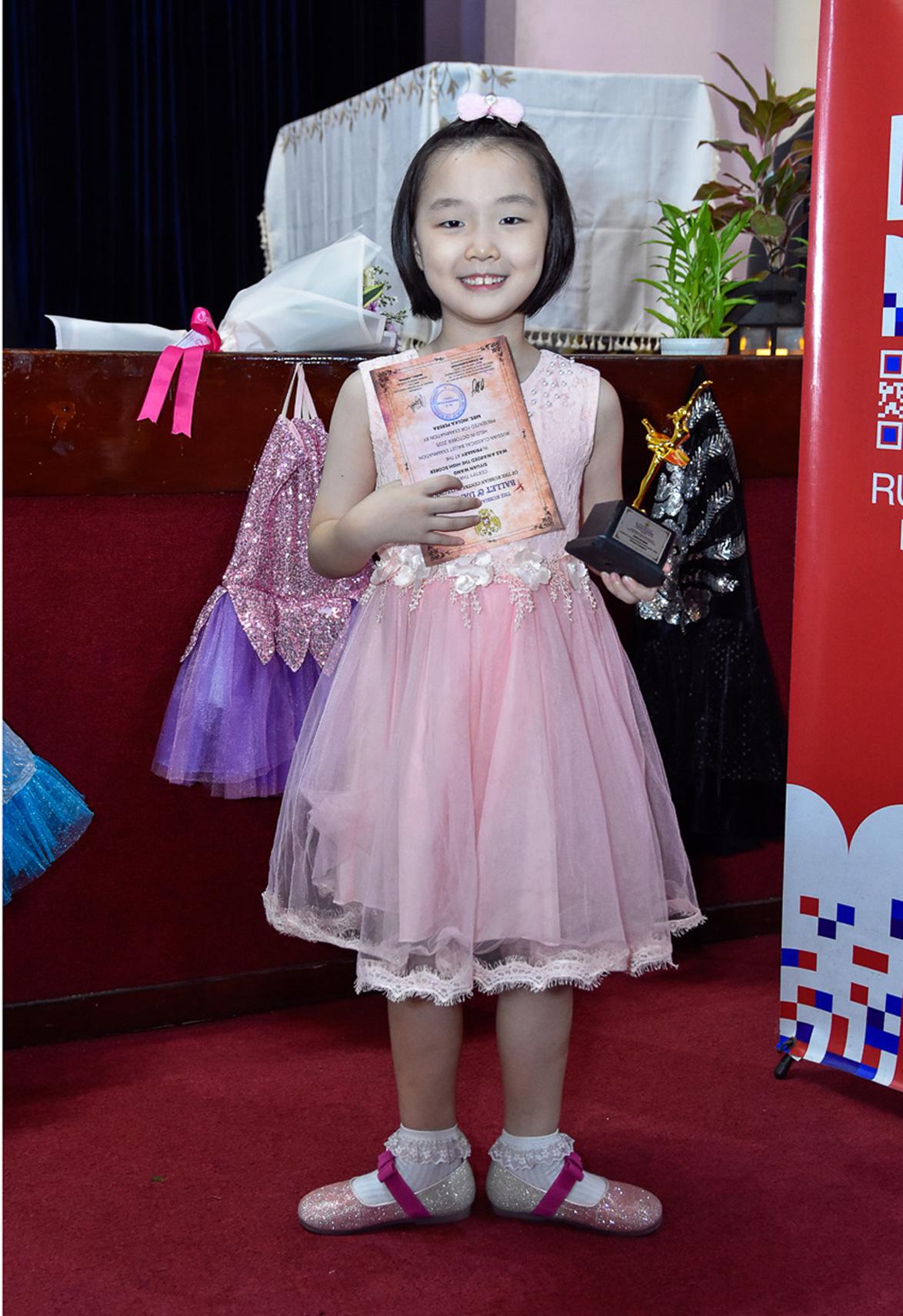
This year’s high scorers reflect years of persistent effort and careful guidance. In the Primary category, Sivuan Wang, Riseli Lavanya Lokulunuvilage, W. S. Diandra De Silva, and Karasnagoda Kankanamalage Adeesha Sadamini earned distinctions. At Pre Grade level, W. M. Thinthi Yethara Wanasinghe received distinction. In Grade 1, Saheli Pathirana, Thisumi Thinara Hemachandra, and K. R. Tharundi Nipuluma Ranathunga were recognised for their achievements. Grade 2 distinctions went to Madri Jayasekera and K. A. Ashini Madhumali Perera, while in Grade 3, Dulandi Muthumina Rajapaksha and P. B. Vinudi Vishara Wickramasinghe were acknowledged.
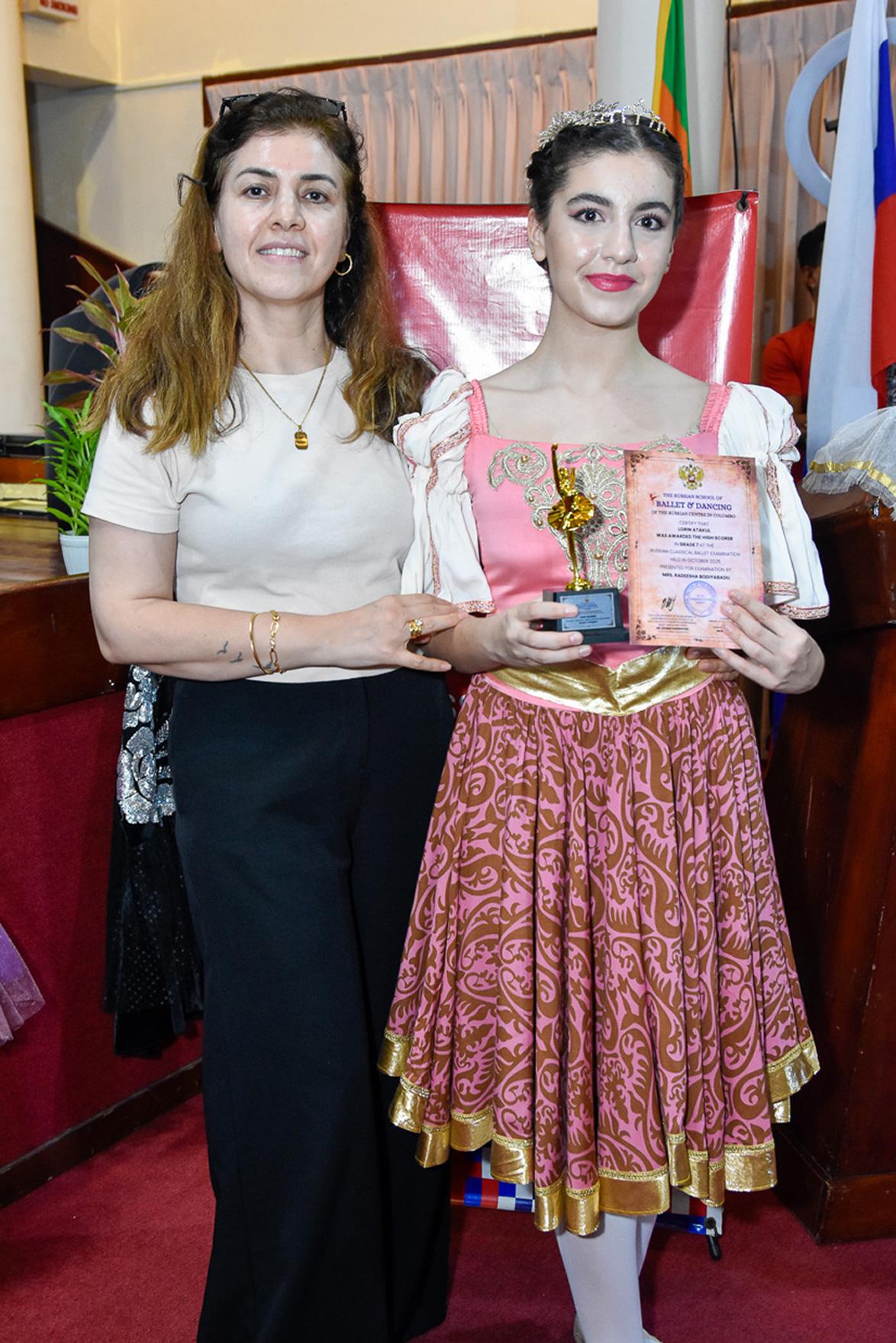
In Grade 4, P. L. K. Esara Sumindi Pussewela stood out with distinction, followed by Sandria Niroshan in Grade 5. Upper grades saw continued excellence with S. H. Kalani Apsara Hennadige in Grade 6, Lorin Atakul in Grade 7, and U. P. Nesandi Yehansa Pethiaramba earning distinction in both Grade 8 and Grade 9. At Grade 10, R. D. Kavishka Gayathri Premathilaka and Sahani Angelica Weerasinghe received distinctions, meeting the heightened technical and expressive expectations of senior training.
Behind every student’s success is a committed faculty whose work often goes unseen. Galina Pleshakova laid the earliest foundations of discipline and artistic seriousness. Samantha Samararathne guided upper-level students, shaping technical refinement with consistency. Niluka Madurawela strengthened foundational precision, while Radeesha Bodiyabadu mentored dancers through progressively challenging levels. Niyamath Abba ensured young students built confidence without compromising technique. Swetlana Sergeeva continues to reinforce stylistic authenticity and classical nuance.
Together, this faculty embodies continuity. Ballet training is cumulative. It requires repetition that can feel relentless and correction that can seem minute. Teachers must notice what others overlook, insisting gently and repeatedly on alignment, turnout, carriage, and timing. The applause at an awards ceremony belongs not only to the students but also to those who stood beside the mirror, guiding them class after class.
It was an evening defined less by spectacle than by poise. In a city shaped by diverse cultural influences, the Russian School of Ballet and Dancing continues to preserve and transmit a classical art form with seriousness and care.
The 2026 high scorers left the stage with certificates in hand. What they carried more quietly was something less tangible: the discipline of daily practice, the resilience built through correction, and the understanding that excellence in ballet is never accidental. It is constructed, patiently, within the studio walls of an institution committed to tradition and guided by teachers who know that artistry begins with structure.