When “Till Death Do Us Part” Becomes Literal: Misogyny, Murder, and the Silence We Keep

Fancy flowers. Dreamlike suits and flowing white dresses. Teary eyes with happy smiles. Sacred vows whispered beneath chandeliers or open skies. For generations, marriage has been framed as a lifelong journey, sealed by the universal oath, “Till death do us part.” However, it is not a secret that this phrase, which used to hold sentimental value with emphasised meaning, has now become much more chilling and questionable over time. In a world where accountability is often deflected and blame is casually redirected, violence within intimate relationships continues to rise with alarming normalcy. Last year, a woman named Nirodha Kalpani was brutally murdered by her husband at South Morgan Place in the Riverside area of Cardiff, UK. Her husband, Thisara Weragalage, recently made headlines after being sentenced to life imprisonment. Feminicide has been making headlines as just another incident, which leaves us in shock, but for some, it is just another incident, or maybe even a celebration of getting rid of a “headache”. That normalisation is perhaps the most disturbing part.
The Silence around Domestic Femicide
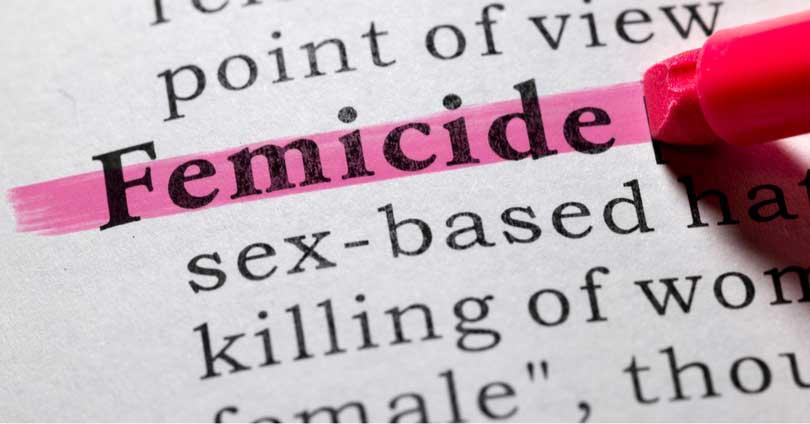
The terms “Femicide/Feminicide” have been defined “as gender-related killing (killing of a woman because she is a woman) in political, societal, criminal, sexual and interpersonal contexts” by the European Institute for Gender Studies. According to UNICEF, women and girls are disproportionately killed by someone they know, often by intimate partners or family members. Globally, a woman is killed approximately every ten minutes, which snapped me into the reality of knowing that somewhere in the world, a woman is likely losing her life at the hands of someone she once loved and trusted. One of the common things that women get asked is, “Who would protect you from danger if a man isn’t there?” Even then, my question, “Protect us from who?” stands firmly against the uncertainties.
The Digital Applause of Violence
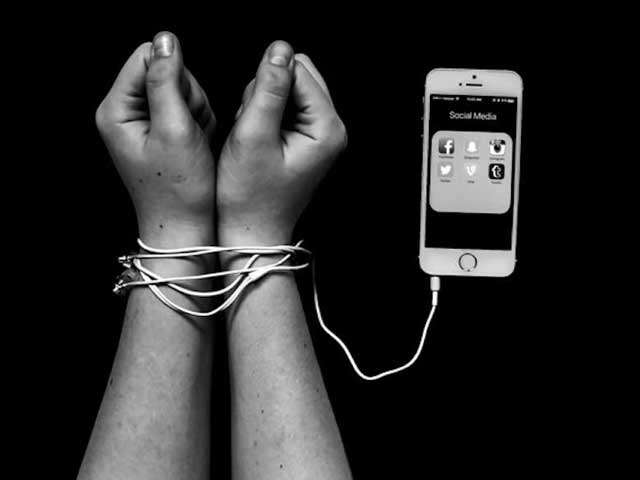
Recently, while reading comments under a news post shared on TikTok, a platform widely used mainly by Generation Z and Generation Alpha, I was not so shocked but severely disgusted by comments that were deeply disconcerting. It was even more unsettling to realise that we live in a society that celebrates and idolises murderers and killing instead of expressing grief or condemnation. These were not isolated remarks but very confident perspectives normalising misogyny. In a country that claims to be led by religious beliefs that guide a person spiritually, it is a shame to observe how violence against women becomes entertainment, mockery, or an ideological triumph that questions our basic human values.
Patriarchy and the Inheritance of Harm
The senior generations have often internalised rigid patriarchal norms and belief systems that position men as authority figures and discriminate against women due to deeply rooted normalcies within social institutions. Within such frameworks, femininity has been seen as sacred but weak, not strong enough to be celebrated.
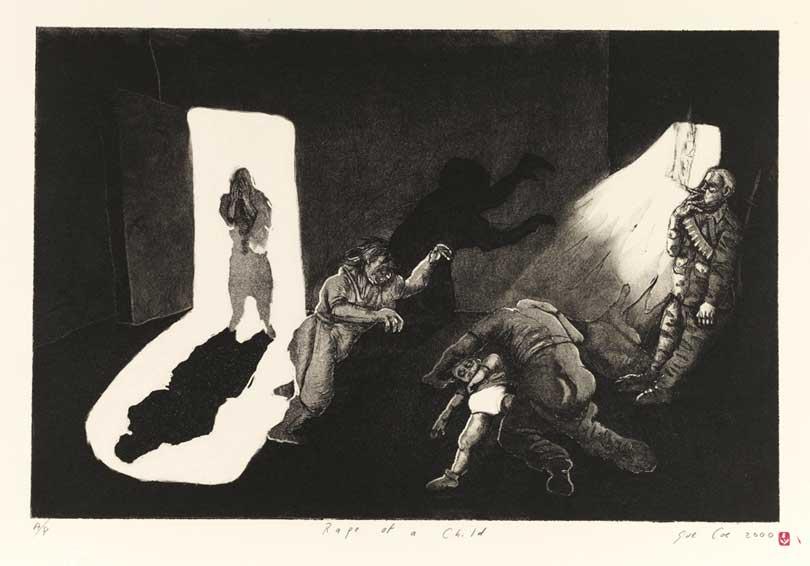
The sleek jokes wrapped around sexism, rape and assault that men make against women to make their pals laugh, to gain “The Man” status among others, and talking in favour of another woman by putting someone down, show how patriarchy appears sneakily even without physical violence. Especially the justifications that have been deeply rooted in the minds of some women who see these traits as normal and believe women should bear everything, particularly in situations like victim-blaming, act as subtle reinforcement of the idea that women are weaker, less rational, or naturally subordinate. These inherited beliefs keep evolving, rebranding and resurfacing even among younger generations who embrace modernity.
Power, Corruption, and the Broader Pattern
In recent days, public discussions have been dominated by conversations centring on the Epstein Files and the revelations tied to powerful figures sheltered by wealth and influence. The exposure of systemic and large-scale exploitation has sparked worldwide outrage. But while society focuses on high-profile scandals, countless acts of violence remain hidden within ordinary households. Why are we quicker to condemn crimes linked to elite networks than those happening next door? Why do we examine international scandals closely but view domestic abuse as an unfortunate part of life? The family is often seen as the basic unit of society, a place meant to offer protection, love and stability. Yet for many women, it turns into the most dangerous place. The contradiction is painful.
The Root Causes: Misogyny and Social Conditioning
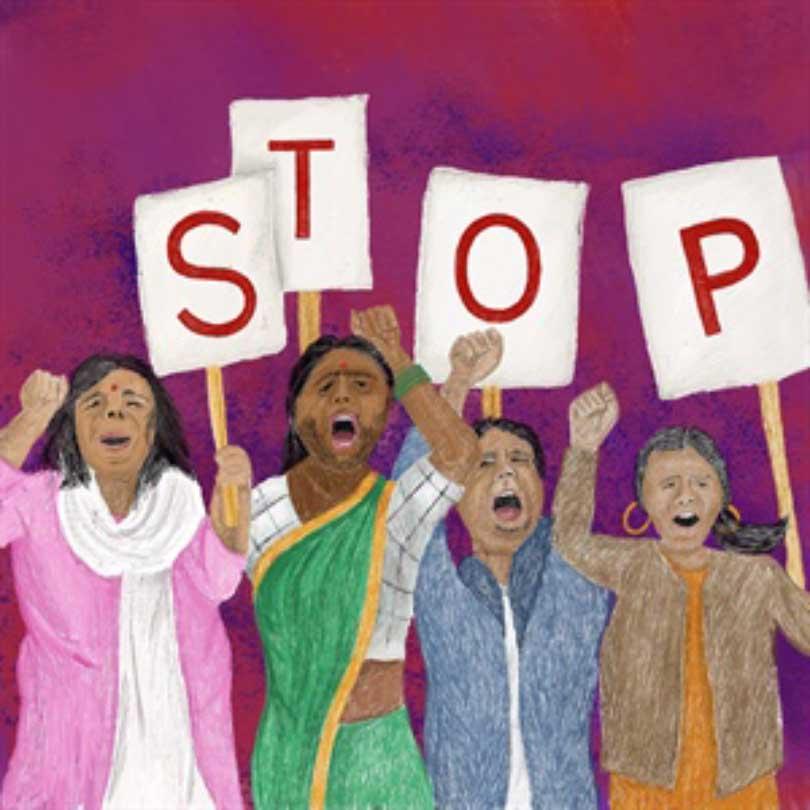
The misogyny, due to power imbalances fuelled by a lack of empathy and understanding, consistently proves that most women who are murdered are killed by someone close to them who culturally believe and portray women as possessions, property or extensions of male identity, and it has become dangerously structural. Societal norms and certain interpretations of religious or cultural traditions further promote harmful ideologies. Common ascriptions such as “women cannot lead”, “women are too emotional”, or “a man must control his household” may seem outdated to some, yet they continue to shape behaviour across communities. When boys grow up internalising dominance as masculinity and entitlement as strength, relationships become battlegrounds rather than partnerships that end up killing the other. When girls grow up internalising submission as virtue and silence as safety, abuse and injustice remain unheard.
The Casual Blame Game
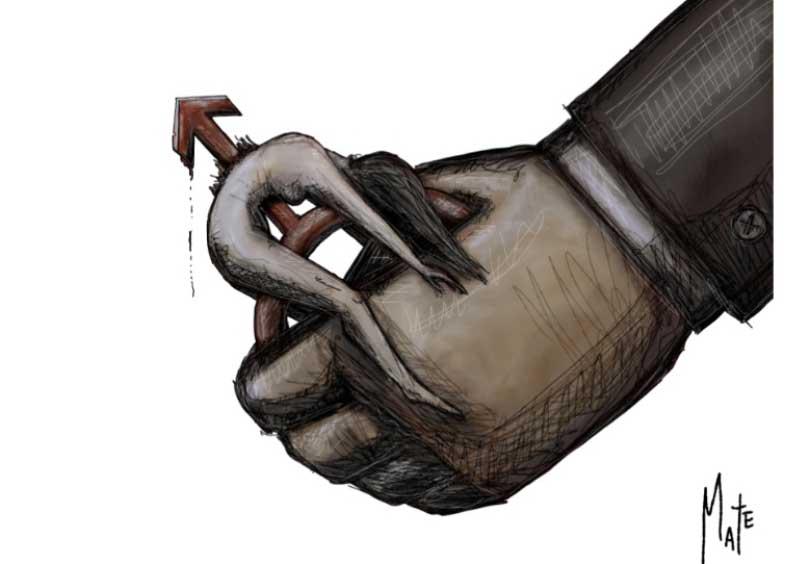
The Grade 11 Health and Physical Education textbook, recently printed in 2021, has shaped generations by reinforcing a victim-blaming mindset. “Rape is a cause of unwanted pregnancy. Perpetrators of rape can be mentally ill or behave very irresponsibly. However, irresponsible behaviour of victims too can play a role in some instances.” Questions such as:
- “What did she do?”
- “What was she wearing?”
- “Why didn’t she leave?”
- “Was she disrespectful?”
- “Did she provoke him?”
Questions like these shift the accountability of the offender onto the women, girls or infants whose lives were taken. They reveal the underlying assumptions in many circumstances where a murder is rationalised. The fear of retaliation entraps women in invisible cages with the burdens of financial dependency, emotional manipulation, threats and cultural stigma.
The Psychological Cost on Society
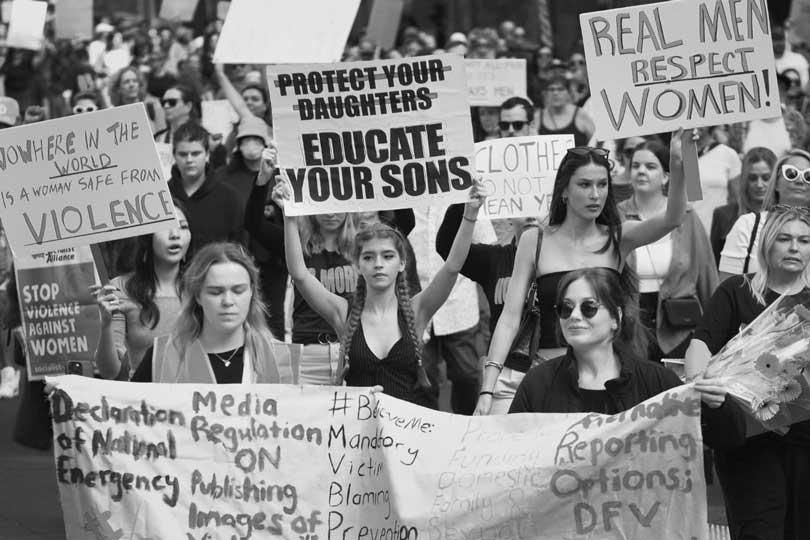
Believe it or not, society is basically built on womanhood, and society suffers collectively when women are subjected to violence. Children who grow up witnessing abuse often internalise distorted models of love and authority. Communities become desensitised. Institutions fail to intervene decisively due to deeply rooted cultural ethics. Moreover, online misogyny shapes public consciousness in subtle but powerful ways. Young boys exposed to content that mocks, sexualises or dehumanises women begin to see such attitudes as normal. Young girls too start seeking male validation through social media by diminishing their self-worth and adapting to unhealthy lifestyles through negative perspectives to seek attention and power, like Pam Bondi and many women who use other women as bait to succeed in male dominated fields.
The Question We Must Ask:
Why?
Why do we normalise domestic violence as an unfortunate inevitability and as something meant to be? Why do we consume tragedies as content rather than confront them as collective failures? The murder of Nirodha Kalpani is not just a singular tragedy. It is part of a broader pattern that stretches across continents, cultures and socioeconomic classes. And the solution cannot be limited to harsher sentences alone. While accountability is essential, prevention requires cultural transformation.
What Needs to Change
- Education on Healthy Relationships
Emotional intelligence, conflict resolution and respect must be taught early as core competencies.
- Understanding the patterns and being empathetic through common sense.
- Challenging Toxic Masculinity Norms
Strength must be redefined. Vulnerability should not be equated with weakness. Dominance should not be equated with manhood.
- Stronger Institutional Support
Accessible shelters, legal protection, counselling services and responsive law enforcement are crucial.
- Responsible Digital Spaces
Social media platforms must actively moderate content that glorifies violence and misogyny.
- Community Accountability
Silence protects abusers. Speaking up protects potential victims.
Beyond Headlines
The vow “Till death do us part” should not be limited to a day, nor should loving someone be taken for granted. A commitment to another person is meant to symbolise enduring love, not fatal possession. A relationship should represent partnership, not ownership. Protection, not control. If we are to honour the lives lost to patriarchy, we must refuse to let their stories dissolve into scrolling timelines.