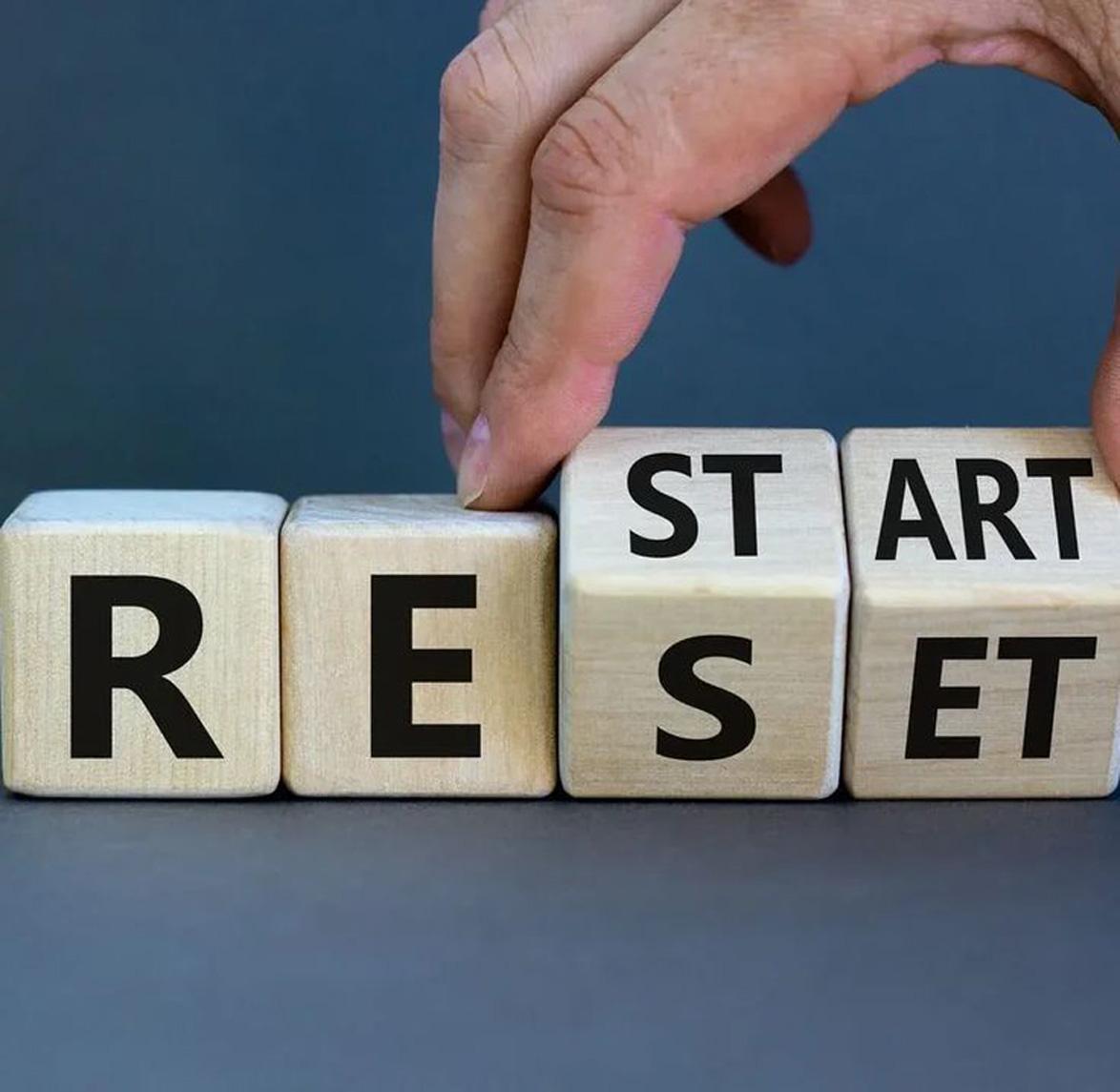
Starting Over Strong: Reinventing Your Career at 40 or 50

Restarting your career at 40 or 50 can feel like standing at the edge of a vast and uncertain landscape. For many, this stage of life was once imagined as a time of stability, of reaping the rewards of decades of work. Yet for a growing number of people, it has become a moment of reinvention. Whether prompted by redundancy, burnout, a desire for meaning, or simply the realization that there are still many working years ahead, the decision to start again is both daunting and deeply empowering.
 The idea that careers should follow a single, linear path is becoming increasingly outdated. Longer life expectancy, shifting industries, and changing personal priorities have all contributed to a new reality in which reinvention is not only possible but often necessary. At 40 or 50, you are not starting from scratch. You are starting from experience.
One of the greatest advantages of restarting your career later in life is the depth of knowledge you bring with you. Decades of work have likely equipped you with transferable skills such as communication, leadership, problem solving, and resilience. These are qualities that cannot be easily taught and are highly valued across industries. While you may need to learn new technical skills or adapt to a different environment, your foundation is already strong. That said, the emotional challenge should not be underestimated. Leaving behind a familiar role or identity can trigger self-doubt. It is common to question whether you are too old, too specialized, or too far removed from emerging trends. These concerns are real, but they are not insurmountable. In fact, many employers are increasingly recognizing the benefits of hiring experienced professionals who bring maturity, reliability, and perspective.
A key step in restarting your career is reflection. Before rushing into something new, it is worth taking the time to understand what you truly want. What aspects of your previous work did you enjoy, and which did you find draining. What values matter most to you now. For some, the goal may be financial stability. For others, it may be flexibility, creativity, or a sense of purpose. Clarity at this stage can help guide your decisions and prevent you from jumping into another unsatisfying role. Once you have a clearer sense of direction, the next step is to explore your options. This might involve researching industries that interest you, speaking to people who are already working in those fields, or even trying out new activities on a small scale. Volunteering, freelancing, or taking on short term projects can provide valuable insights without requiring a full commitment. These experiences can also help rebuild confidence and demonstrate your willingness to learn.
Education often plays a role in career transitions, but it does not necessarily mean returning to full time study. There are now countless ways to acquire new skills, from online courses to part time programs and professional certifications. The key is to focus on what is relevant and practical. Employers are generally more interested in what you can do than in how you learned it. Networking is another crucial element. While the term can sometimes feel intimidating, it is essentially about building and maintaining relationships. At this stage in your life, you likely already have a network, even if you do not think of it that way. Former colleagues, friends, acquaintances, and community contacts can all be valuable sources of information and opportunity. Letting people know that you are exploring new directions can open unexpected doors.
One of the biggest barriers to restarting a career later in life is financial concern. Changing direction may involve a temporary reduction in income, which can be challenging, especially if you have ongoing responsibilities such as a mortgage or family support. Planning is essential. This might include building a financial cushion, reducing expenses, or transitioning gradually rather than making an abrupt change. In some cases, a hybrid approach that combines your existing skills with new interests can provide both stability and growth. Technology is often cited as a hurdle for those returning to the workforce or changing careers, but it is also a powerful enabler. Digital tools can make it easier to learn, connect, and even create new opportunities. Whether it is setting up a professional profile, taking part in online communities, or learning industry specific software, embracing technology can significantly expand your possibilities.
It is also important to challenge the narrative around age. While ageism does exist, it is not the whole story. Many organizations are actively seeking to build diverse teams that include a range of perspectives and experiences. Moreover, there are industries where maturity is a distinct advantage, such as consulting, education, healthcare, and leadership roles. Self-perception plays a significant role here. If you view your age as a limitation, it can affect how you present yourself. If you see it as an asset, others are more likely to do the same. Another aspect to consider is the possibility of creating your own path. Entrepreneurship and self-employment are increasingly viable options, particularly with the rise of digital platforms. Starting a business, offering consultancy services, or developing a portfolio career can provide greater control and flexibility. While this route carries its own risks, it also allows you to leverage your experience in a way that aligns closely with your goals. Support systems can make a significant difference during this transition. This might include family, friends, mentors, or professional coaches. Sharing your plans and challenges with others can provide encouragement, accountability, and practical advice. It can also help to connect with others who are going through similar experiences. Knowing that you are not alone can be incredibly reassuring. Resilience is perhaps the most important quality to cultivate during a career restart. There will likely be setbacks, whether in the form of rejected applications, difficult learning curves, or moments of doubt. These are not signs of failure but part of the process. Each step, even the challenging ones, contributes to your growth and brings you closer to your goal.
 It is also worth recognizing that success may look different the second time around. At 40 or 50, your priorities may have shifted. You may value balance over ambition or meaning over status. This is not a compromise but an evolution. A successful career is not defined by a single standard but by how well it aligns with your life. Stories of people who have successfully restarted their careers later in life are becoming more common. Some have moved from corporate roles into creative fields. Others have transitioned into entirely new industries such as technology, healthcare, or education. There are those who have turned hobbies into businesses or pursued long held passions that were previously set aside. These examples serve as a reminder that it is never too late to change direction. Ultimately, restarting your career at 40 or 50 is not about erasing the past but building on it. It is about recognizing that your experience has value and that your future is still open. While the journey may require courage, effort, and patience, it also offers the opportunity for renewal and fulfilment. In a world that is constantly evolving, the ability to adapt is one of the most valuable skills you can have. Restarting your career is a powerful expression of that adaptability. It is a decision to take control of your path, to seek out new possibilities, and to redefine what success means to you. For anyone standing at that crossroads, the message is clear. You are not too late. You are right on time.