Why Nostalgia Is So Strong Right Now
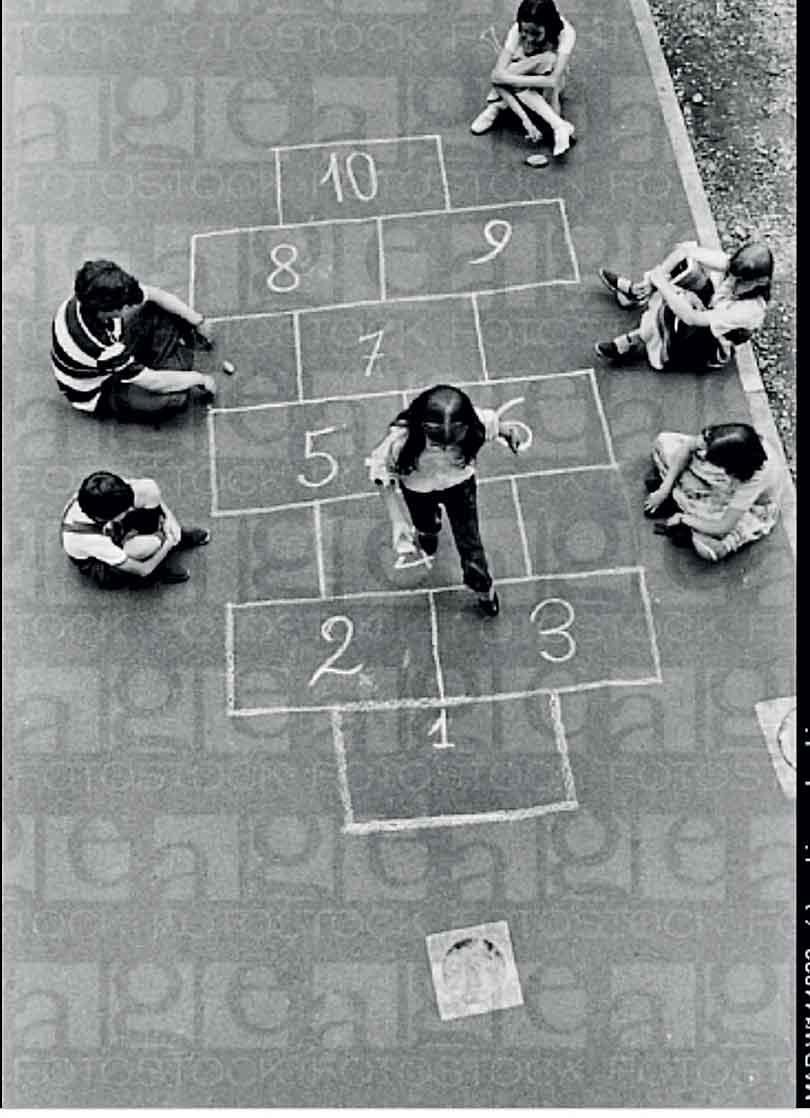


 Lately, there is a noticeable pull toward the past. Old songs are finding their way back into playlists. Childhood television shows are being streamed again late at night. Photographs from years ago resurface on social media, often paired with captions that speak of longing and escape. Phrases like take me back or life was easier then appear again and again, almost as if they belong to a shared emotional language. Nostalgia no longer feels like an occasional emotion. It feels constant, woven into everyday life.
This growing attachment to the past is not really about fashion trends, outdated technology, or the charm of older music. At its core, nostalgia is about comfort. In a world that feels increasingly unpredictable, comfort has become something people are actively searching for. When stability feels scarce, the mind naturally gravitates toward moments that once felt safe, familiar, and contained.
For many people, especially younger generations, the present feels unsettled. Careers are less linear than they once were, relationships evolve quickly, and long-term plans feel fragile. Even traditional milestones such as settling down, buying a home, or feeling financially secure seem postponed or uncertain. When the future no longer feels guaranteed, the past becomes a refuge. It is a place where outcomes are already known, where uncertainty has already been resolved, and where the fear of what comes next does not exist.
Memory itself plays an important role in this longing. Nostalgia has a way of softening the past, editing it gently. We rarely remember the anxiety of exams, the awkwardness of growing up, or the emotional confusion of earlier years. Instead, we remember laughter, routines, familiar faces, and moments that felt warm and secure. Childhood and adolescence feel comforting not because they were perfect, but because they came with fewer responsibilities. Decisions were made by someone else. The weight of the future did not rest on our shoulders in the same way it does now.
Another reason nostalgia feels so powerful today is the speed at which modern life moves. Everything feels accelerated. News cycles refresh constantly. Trends appear and disappear within weeks. Relationships often move quickly, sometimes without depth or pause. There is little time to sit with one phase of life before being pushed into the next. Against this backdrop, the past feels slower. It feels as though there was time to talk, to be bored, to exist without constantly chasing productivity or self-improvement. That slower rhythm becomes deeply appealing in contrast to the constant motion of the present.
Technology has also intensified our relationship with memory. Old photographs appear unprompted in memory features. Conversations from years ago resurface with a simple search. Songs, videos, and moments from the past are always within reach. The past is no longer distant or faded. It is constantly reintroduced into the present. This easy access makes it harder to let go and easier to remain emotionally attached to earlier versions of ourselves.
There is also a quieter emotion embedded within nostalgia, one that is not always acknowledged. Grief. Nostalgia is not just about missing a time. It is about missing people, relationships, and ways of being that no longer exist in the same form. Friends who drifted apart. Family members who once felt closer. Versions of relationships that were simpler or more innocent. Moments that will never happen in quite the same way again. Nostalgia becomes a gentle way of mourning without openly naming the loss.
In times of uncertainty, nostalgia offers reassurance. It reminds us that we have felt safe before. That joy has existed in our lives. That life was not always this complicated. It tells us that even if the present feels heavy, lighter days were real and meaningful. In that sense, nostalgia is not just about the past. It is about hope. The idea that if things were once manageable, they might be again.
However, nostalgia is not meant to keep us anchored in what has already passed. Its purpose is grounding, not escape. Looking back can help us remember who we were, what mattered to us, and what values shaped us. It can offer clarity about the kind of life we want to build moving forward. The problem arises when longing replaces living, when memory becomes a substitute for engagement with the present.
Missing the past does not mean failing at the present. It simply reflects the human desire for stability in a world that feels constantly in flux. That may be why nostalgia feels particularly strong right now. Not because the past was flawless, but because it feels steady at a time when very little else does.
Periods of collective uncertainty tend to amplify this emotional pull. On a global scale, people are navigating overlapping crises. Economic pressure, political instability, climate anxiety, and rapid social change create an underlying sense of unease. Even when these issues do not affect daily life in obvious ways, the constant awareness of them creates emotional exhaustion. In that state, the past becomes a place where the world feels simpler and more understandable.
There is also a generational dimension to this longing. Many young adults grew up with expectations of stability and opportunity that now feel delayed or unreachable. Careers that once promised security feel precarious. Financial independence feels harder to achieve. Home ownership and long-term planning feel like distant goals rather than natural progressions. Nostalgia fills the emotional gap created by these unmet expectations. It recalls a time before pressure intensified, before life felt like a continuous race toward milestones that keep moving further away.
At the same time, nostalgia allows people to reconnect with parts of themselves that feel lost or buried. Old hobbies, early dreams, and past passions resurface through memory. These recollections remind us that identity is not fixed or linear. Who we were still exists within who we are becoming. Looking back is not always about resisting growth. Sometimes it is about remembering what deserves to be carried forward.
Nostalgia can also reveal what we are missing in the present. The longing for slower days may point to a need for rest. The pull toward old friendships may highlight a desire for deeper connection. The comfort found in familiar routines may signal a craving for stability. In this way, nostalgia becomes a quiet guide. It shows us what matters, even if we cannot recreate it exactly as it once was.
Ultimately, the past cannot be relived, and it was never as simple as memory makes it seem. But the feelings it evokes are real and valid. Nostalgia reminds us that we are shaped by where we have been. It reassures us that joy, safety, and meaning are not abstract ideas, but experiences we have already known.
In a world that feels uncertain and fast moving, it is natural to look backward. The challenge is not to reject nostalgia, but to use it wisely. To let it inform rather than consume. To allow it to ground us without preventing us from fully inhabiting the present. Because while the past may feel steady, life continues forward. And within that forward movement, there is still space to build new moments that one day may be remembered with the same warmth.