The Rise of Aesthetic Activism in Fashion How romantic filters, pastel feeds, and quiet tones became a silent language of protest, or distraction.




Scroll through Instagram or TikTok today, and you’re met not just with pretty pictures, but with worlds, curated micro-realities, each tied to a way of living, dressing, and thinking. Cottagecore girls bake sourdough in soft linen dresses, coquette aesthetics frame femininity with pastel bows and floral corsets, while quiet luxury devotees dress like the wealthy without saying it out loud. These aren’t just moods or fashion trends; they’re starting to function as cultural statements. They soothe, signal, protest, or sometimes distract. Welcome to the world of aesthetic activism, where social media aesthetics become a soft but powerful language for ethics, politics, identity, and resistance.
What Exactly Is Aesthetic Activism?
It’s not protest signs, speeches, or policy. It’s subtler. Aesthetic activism is the use of visual style and curated imagery to express, critique, or align with social, political, or environmental issues. It’s activism not shouted but styled. But that’s the paradox, while some aesthetics unpack deeper reflections on identity and power, others sugarcoat reality, turning complex issues into consumable trends.
Cottagecore: Resistance or Escapism?
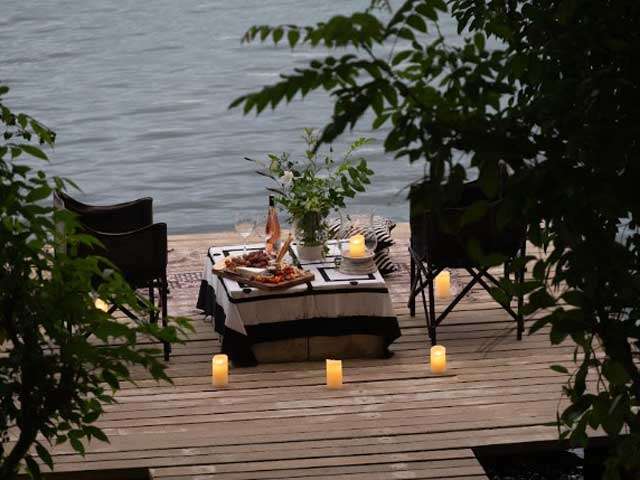
Cottagecore, an aesthetic drenched in pastoral nostalgia, homemade bread, and flower-filled meadows, exploded during the pandemic. At first glance, it’s romantic escapism. But scratch the surface, and cottagecore can be deeply political.
- Anti-capitalist undertones: It rejects hustle culture and industrialization, celebrating slowness, self-sufficiency, gardening, mending, and handmade craft.
- Queer reclamation: For many LGBTQ+ creators, this aesthetic became a vision of safe, alternative living, far from judgment, patriarchy, or urban heteronormativity.
- A return to roots: Some see it as reconnecting with ancestral ways of living, growing your food, stitching your clothes, honoring land.
Yet, cottagecore is also guilty of sanitizing history. Country life wasn’t always gentle, especially for people of color, farmers, or colonized communities. Land does not exist without labor. Pastoral nostalgia often erases who worked that land. So, is cottagecore a rejection of capitalism, or just a romantic filter over privilege?
Quiet Luxury: The Aesthetic of Power or Rebellion Against Excess?
Then came quiet luxury. No logos, no hype. Just camel coats, cashmere sweaters, well-tailored trousers in neutral tones. Think Succession. Think old money that never needs to announce itself. On one side, quiet luxury rejects fast fashion’s loudness, its logos, glitter, and throwaway culture. It promotes quality over quantity. Slow. Minimal. Timeless. But here’s the tension:
Quiet luxury is both an aesthetic and a performance of class. It functions as a whisper of superiority, “If you know, you know.” It excludes as much as it inspires. To dress like this, you need access to privilege, tailoring, natural fibers, generational wealth.
But there’s a twist. On TikTok, young creators reinterpreted it with thrifted blazers, vintage trousers, and second-hand Burberry. For them, quiet luxury became aspirational activism, a way to reject trend cycles without needing money. A protest against fashion’s addiction to newness. So, is quiet luxury a silent critique of consumerism, or a soft flex of wealth?
Coquette and The Performance of Fragile Femininity
Ribbons, lace, pearl chokers, ballet flats, blush cheeks. The coquette aesthetic romanticizes girlhood, delicate, dreamy, and dangerously close to infantilization. At first glance, it’s sugary, pretty, harmless. But deeper? It is both a rebellion and a trap.
- Rebellion: In a world that glorifies toughness, hustle, and minimalism, coquette says, “Softness is power.” It embraces femininity unapologetically. Lace is no longer weakness; it is armor.
- Critique of patriarchy: Some use it to reclaim girlhood stolen by trauma, fast growth, or societal pressure. It says: We can be powerful and wear bows.
- But also… fantasy consumption: The aesthetic often borrows from Lolita subculture, Victorian imagery, and hyper-idealized fragility. It tiptoes near the fetishization of youth.
So, is coquette feminism, or is it commodified fragility?
When Aesthetic Becomes Surface-Level Activism
The danger lies when activism is aestheticized without substance. Pretty protests. Infographics in beige and sage green. “Save the planet” slogans on sweatshirts made in sweatshops.
It’s called performative activism, and fashion brands are experts at it:
- Selling “eco-conscious” collections made of recycled polyester but still producing millions of garments.
- Posting a black square for Black Lives Matter, without paying workers of color fair wages.
- Using diverse models, while exploiting garment workers in Bangladesh.
Social media makes it easy to rebrand ethics as moods. You don’t need to change systems, just change your color palette.
But Aesthetic Activism Can Also Reveal Truths
Not all aesthetics are empty. Some are deeply political, when creators use them intentionally, not commercially.
Here’s how aesthetics can become activism:
- Visibility for the overlooked: Hijabi fashion, Indigenous regalia, African hair braiding aesthetics; these aren’t trends; they’re identity, heritage, survival.
- Decolonizing narratives: Creators from Global South cultures use fashion aesthetics to rewrite stories about craft, spice routes, silk roads, handloom, and colonization; showing history from the side rarely seen.
- Climate grief turned visual: Dark academia romanticizes libraries and literature, but lately, it’s also about eco-anxiety, the end of civilization, and the decay of human ambition.
Aesthetic becomes activism when it does more than look meaningful, it invites reflection, change, community.
Why Are We So Drawn to These Aesthetics?
Because aesthetics are gentle. They comfort. They do not scream. In a world heavy with crisis—economic, ecological, existential, we find healing in images that promise slowness, softness, order.
- Cottagecore: a world where time stops.
- Quiet luxury: a world where chaos never touches you.
- Coquette: a world where innocence is restored.
Maybe aesthetic activism isn’t always about changing the world. Sometimes it’s about coping with it.
Where Do We Go from Here?
So, how do we write, create, or wear aesthetics without falling into hypocrisy? Maybe we start by asking:
- Am I using this aesthetic to express something real, or to avoid it?
- Does it respect history, or erase it?
- Does it build community, or create exclusivity?
- Does it inspire action, or just engagement?
Fashion has always been a language. But social media has turned it into a dialect of symbols, colors, hashtags. It can either numb us, or wake us.
Not every pretty picture is empty. Not every ribbon is rebellion. But behind every aesthetic lies a question: What are we really trying to say? Or hide? Aesthetic activism is powerful because it lives in the in-between, the lace and the land, the softness and the system, the silence and the scream. The question is, are we just scrolling through it? Or are we willing to see the truth wrapped in the beauty?