How What We Wear Shapes Our Minds

We wear clothes every day, yet most of us rarely stop to consider how these everyday choices influence our inner world. Clothing isn’t just textiles stitched together; it interacts with our psychology in intricate ways, affecting how we think, feel, and behave. Emerging research from fashion psychology and cognitive science shows that what we wear can play an active role in our mental health, influencing mood, confidence, identity, social interaction, and even cognitive performance. Today, at Beyond the Seams, we explore how clothing affects mental well‑being, why those effects matter in a world grappling with rising stress and anxiety, and how mindful dressing can become a tool for psychological self‑care.
1. The Science: Clothing Isn’t Superficial. It’s Psychological.
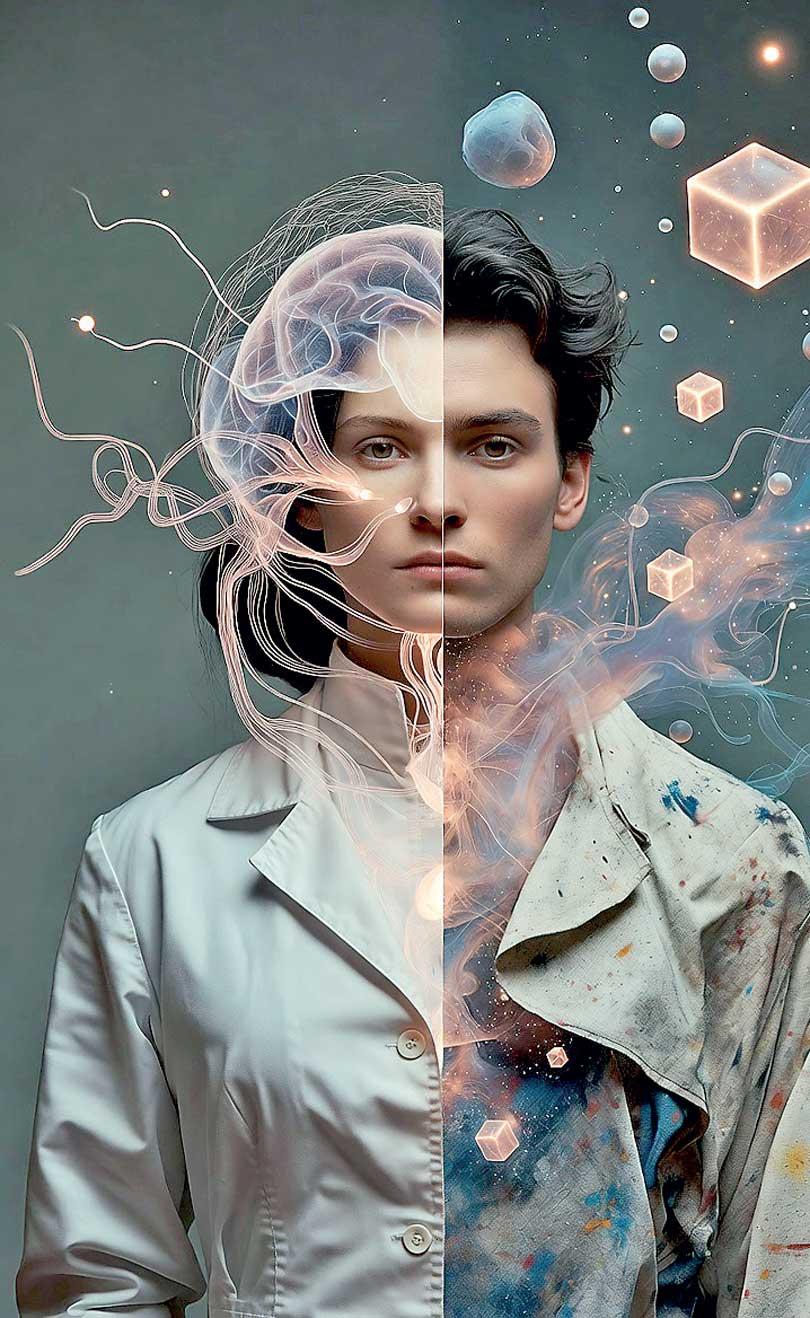
One of the most powerful concepts in this field is enclothed cognition: the idea that clothing influences the wearer’s psychological processes through its symbolic meaning. First coined by psychologists Hajo Adam and Adam Galinsky, this theory shows that clothes carry mental associations, like professionalism, confidence, or comfort, and these associations get activated when we wear them. In a classic experimental setup, participants who wore a white lab coat described as a doctor’s coat performed better on attention‑demanding tasks than those who wore the same coat described as a painter’s coat. This suggests that clothing isn’t just decorative, it alters cognition. Research extending this insight shows that when individuals dress in ways that align with their self‑identity, or with the psychological state they want to cultivate, they experience measurable improvements in self‑esteem, mood, and social confidence. Conversely, clothing that conflicts with a person’s self‑concept can trigger anxiety and discomfort.
2. Clothing and Mood: A Two‑Way Street
Clothing impacts emotional states, not just appearances. Multiple surveys and studies find strong correlations between what people wear and how they feel emotionally, before social interactions, before work, and even during casual days at home. A comprehensive survey revealed that nearly all respondents experienced shifts in mood depending on clothing choices. Bright colours and favourite outfits were linked to higher positive emotions, while simple, comfortable fabrics reduced stress. Key mechanisms include:
- Symbolic meaning: Clothes can convey personal narratives, strength, calm, joy, or authority, sending psychological signals to the brain that influence mood.
- Physical comfort: Soft, well‑fitted clothes reduce sensory tension and bodily stress, creating a more positive emotional baseline.
- Colour effects: Colours exert psychological influence: red and yellow are associated with energy and optimism; blues and greens with calmness and trust, a principle rooted in colour psychology.
This interplay makes clothing a subtle but effective mood regulation tool, not a cure‑all but a supportive strategy alongside evidence‑based mental health care.
3. Identity, Confidence, and Body Image
Clothing acts as a bridge between internal self‑concept and external presentation. When outfits match how we see ourselves, or how we want to be perceived, a state of clothing‑identity congruence occurs, enhancing self‑esteem and emotional harmony. Conversely, when clothing feels inauthentic, because of societal pressure, rigid dress codes, or internalized norms, individuals can experience clothing‑identity dissonance, linked to anxiety, self‑consciousness, and diminished performance. Body image is also deeply tied to clothing psychology. Clothing choices can either reinforce self‑acceptance or amplify negative body perceptions. Wearing well‑fitted, personally meaningful attire sends positive signals to the brain about one’s body, supporting a healthier self‑image. When clothing is chosen to hide, conform, or mask, it may unintentionally reinforce self‑criticism. Mindful dressing that honors body shape and comfort can mitigate these effects.
4. Social Interaction, First Impressions and Mental Health
Clothing communicates before we speak, psychologists describe it as a form of non‑verbal communication that shapes first impressions, social evaluation, and interpersonal dynamics. Studies show that observers form judgments about a person’s personality, competence, and trustworthiness within seconds of seeing their outfit. This rapid appraisal impacts social confidence and stress: when someone feels appropriately dressed for a setting, social anxiety diminishes, and engagement improves. Moreover, clothing can either signal belonging or difference. Navigating this “social signalling”, balancing conformity with individuality, affects mental well‑being. Striking this balance through thoughtful dress reduces social anxiety and fosters psychological safety.
5. Beyond Fashion: Practical Insights for Mental Well‑Being
Given the research, how can individuals use clothing mindfully to support mental health?
a. Mindful Dressing Over Mindless Trends
Mindful dressing involves selecting clothes with intention, not merely following trends but choosing pieces that reflect identity, values, and comfort. This practice fosters self‑alignment and psychological stability. Ask:
- Does this outfit make me feel like myself?
- Does it support how I want to show up today?
- Does it feel comfortable and authentic?
These questions shift the act of dressing from routine to meaningful.
b. Harness Colour Psychology
Colour isn’t just aesthetic, it’s emotional. Warm colours (red, orange) are energizing; cool hues (blue, green) promote calm. Thoughtful colour choice can support emotional regulation, whether reducing anxiety or reinforcing confidence.
c. Comfort as Strategy
Comfortable clothes aren’t laziness, they’re neuro‑physiological supports. Fabrics that feel good to the touch reduce stress responses and allow the nervous system to stay regulated.
d. Use Clothing as Ritual
For individuals struggling with motivation or depression, the simple act of getting dressed can provide structure and agency. Establishing a morning dressing ritual can create a sense of rhythm and purpose, anchoring the day.
6. Cautions and Cultural Considerations
While clothing can support mental health, it’s not a replacement for professional care. Severe conditions such as clinical depression, trauma, or anxiety disorders require qualified mental health interventions.
Moreover, cultural norms around dress vary widely. What signals confidence or respect in one culture may have different connotations elsewhere. Mindful dressing must respect personal and cultural contexts rather than enforcing external norms.
An Untapped Tool in Mental Well‑Being
Clothing is far more than fabric on skin. It is a psychological interface between identity, social context, and emotional experience. The research on enclothed cognition, colour psychology, comfort effects, and social signalling shows that intentional wardrobe choices can influence mood, boost confidence, support emotional regulation, and shape social interaction. In a world where mental health challenges are increasingly common, recognizing clothing as part of our mental ecosystem is empowering. Mindful dressing doesn’t promise miracles, but it does offer a practical, accessible strategy for supporting emotional well‑being in everyday life. Next time you choose your outfit, remember, you’re not just choosing clothes, you’re choosing a psychological statement about who you are, how you want to feel, and how you want to show up in the world.