What Yesterday’s Craft Can Teach Tomorrow’s Fashion

 The fashion industry often frames sustainability as a new frontier, a recent innovation born from climate anxiety, consumer pressure and glossy brand campaigns. But sustainability in fashion is not new. It is ancient, embedded in cultural knowledge systems, craftsmanship and ways of living that existed long before sustainability became a marketing buzzword. Across centuries and continents, communities have designed clothing rooted in longevity, minimal waste and respect for natural resources. These practices were not labelled “sustainable.” They were simply common sense, shaped by resourcefulness, environmental awareness and deep cultural values around care and preservation. Today’s industry narratives often overlook these traditions, positioning sustainability as a modern Western discovery rather than acknowledging that many cultures never abandoned slow, circular design principles in the first place.
Zero-Waste Design Is Older Than Modern Fashion
Consider the traditional sari from India, a garment that embodies zero-waste construction long before the term existed. Typically, six yards of uncut cloth, the sari requires no cutting or stitching. Its versatility allows for countless draping styles, generational inheritance and repurposing into quilts, home textiles or children’s garments when worn thin. Waste is virtually nonexistent because the design anticipates longevity from the outset. Similarly, the kimono in Japan follows a zero-waste philosophy through its use of a single bolt of fabric. Panels are cut in straight lines to maximize textile efficiency, and garments are often disassembled and resewn over time. Traditionally crafted from natural fibers such as silk, hemp and cotton, the kimono’s construction reflects a mindset where garments are investments meant to last decades rather than disposable trends. These garments were not conceptualized as eco-conscious statements. They were the result of cultures that valued textiles as precious resources, an approach modern fashion is only beginning to rediscover.
Slow Craftsmanship as Cultural Practice
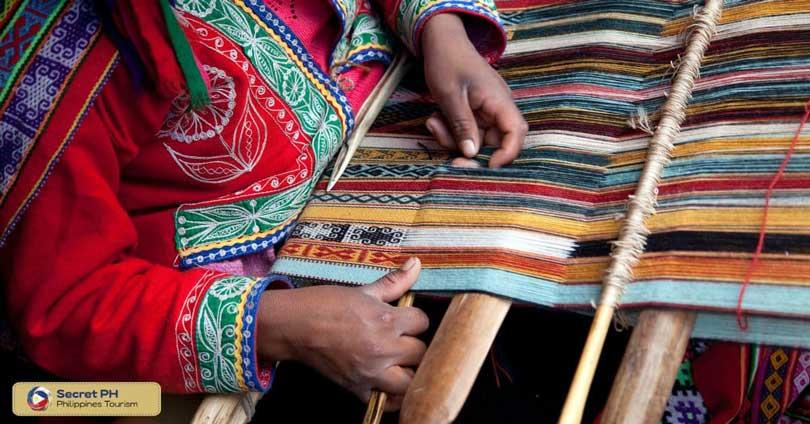
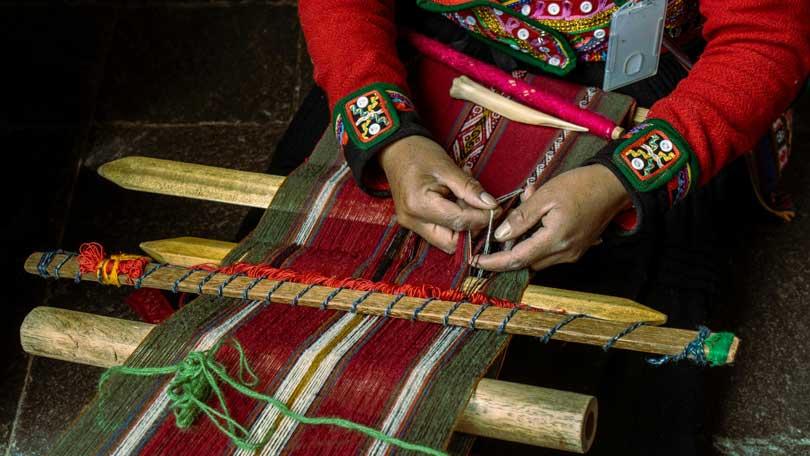
Beyond construction methods, sustainable fashion has long been embedded in artisanal traditions. The huipil blouse worn by Indigenous communities in Mexico and across Central America is handwoven using backstrap looms, a meticulous process that can take weeks or months. Traditionally made from cotton or agave fibers and dyed using local natural pigments, each piece is deeply personal and culturally significant. Production speed is intentionally slow, reflecting a respect for craft rather than an obsession with output. In West Africa, Kente weaving from Ghana represents another powerful example of sustainability embedded in tradition. Narrow strips of silk or cotton are handwoven and stitched together to form vibrant ceremonial cloth.
The process uses minimal energy and often incorporates plant-based dyes and leftover yarns. The resulting textiles are treasured for generations, heirlooms rather than seasonal commodities. These practices demonstrate that sustainability has historically been about relationships, between maker and material, garment and wearer, craft and community.
Sri Lankan Traditions and Living Sustainability
Here in Sri Lanka, sustainable textile traditions also run deep. Dumbara weaving, originating from rural craft communities, is characterized by handloom production, geometric storytelling patterns and the use of natural fibers. Historically created with minimal mechanization and local materials, these textiles embody principles of low environmental impact and cultural continuity. Repairing, reusing and passing down garments have long been part of Sri Lankan culture as well, practices that today’s sustainability movement frames as innovative but which have existed for generations as everyday habits. In many households, clothing was altered, patched and transformed rather than discarded. These traditions remind us that sustainability is not merely a technical solution; it is a cultural mindset.
Sustainability as a Social Fabric
In many parts of the world, sustainability is not a niche lifestyle choice or a luxury marketing category. It is woven into daily life. Resourcefulness, durability and repair are normal practices rather than aspirational behaviors. Clothing historically held emotional and economic value. Textiles were expensive to produce and difficult to replace, encouraging a culture of care. Garments were repaired repeatedly, resized for new generations and repurposed into entirely new objects when they reached the end of their wearable life. This contrasts sharply with the modern fast-fashion system that promotes disposability and relentless consumption cycles. Today’s sustainability movement often focuses on new materials or technological solutions, yet many communities have long practiced sustainability through behavioural and cultural norms rather than innovation alone.
Before Mass Production, Slow Fashion Was Universal
Even in Western societies, fashion was once inherently slow. Prior to the Industrial Revolution, clothing in regions such as the United Kingdom was produced locally by skilled dressmakers and tailors. Garments were made to measure using durable materials sourced close to home. Production cycles were dictated by seasonality and craftsmanship rather than quarterly profit targets. Clothing ownership was limited but meaningful. A single garment might be worn for years, carefully maintained and eventually handed down. This approach aligned closely with what we now call “slow fashion,” yet it was simply the standard practice of the time.
The Industrial Shift Toward Disposability
The Industrial Revolution fundamentally reshaped the fashion system. Mechanized production enabled mass manufacturing, drastically lowering costs and accelerating production timelines. As output increased, quality often declined, and fashion became increasingly trend-driven rather than longevity-focused. Synthetic fibers, introduced later, further transformed the industry by offering cheaper alternatives to natural materials. While these innovations expanded access to clothing, they also introduced environmental challenges, from microplastic pollution to excessive waste generated by overproduction. The shift was not purely technological; it was cultural. Fashion moved from a system centered on durability and craft to one driven by speed, novelty and profit margins. However, it is important to recognize that this transformation was not universal. Many communities around the world continued practicing slow, circular production methods, preserving traditional craftsmanship despite the rise of industrialization.
The Modern Sustainability Narrative Problem
Today, the Global North often leads conversations about sustainability frameworks, certifications and terminology. Conferences, panels and marketing campaigns frequently debate definitions and metrics. While these discussions have value, they sometimes overlook the lived realities of communities that have practiced sustainable fashion for generations without formal labels. There is a risk in positioning sustainability as a modern innovation rather than acknowledging it as inherited wisdom. Doing so can erase the contributions of Indigenous artisans, craft communities and cultures that never abandoned low-impact practices. Moreover, sustainability narratives that focus solely on new technologies or “green” products may inadvertently ignore behavioural shifts, buying less, repairing more and valuing garments deeply, which historically formed the backbone of sustainable fashion.
Reframing the Future Through the Past
If sustainability is not new, what does this mean for the future of fashion? First, it requires a shift in perspective. Rather than constantly searching for the next innovation, the industry could learn from existing traditions rooted in zero-waste construction, natural materials and slow production cycles. Second, it calls for cultural humility. Recognising that many regions have long practiced sustainable fashion challenges the dominant narrative that solutions must come from modern Western systems. Finally, it reminds us that sustainability is not just about materials or certifications; it is about values. Longevity, craftsmanship, intentional consumption and respect for resources are principles that transcend time and geography.
Returning to What Fashion Once Knew
Sustainable fashion is not a new invention waiting to be perfected. It is a rediscovery of practices that humanity has known for centuries, practices born from necessity, respect and deep connection to the environment. As we navigate climate challenges and reimagine the fashion system, perhaps the most radical step forward is also the most ancient: to slow down, value craftsmanship and recognize that sustainability has always existed, not as a trend but as a way of life. The future of fashion may not lie in inventing entirely new systems, but in remembering the wisdom woven into the garments and cultures that came long before us, and honouring the communities that never forgot how to make fashion responsibly in the first place.