The Forgotten Flavours of Sri Lanka
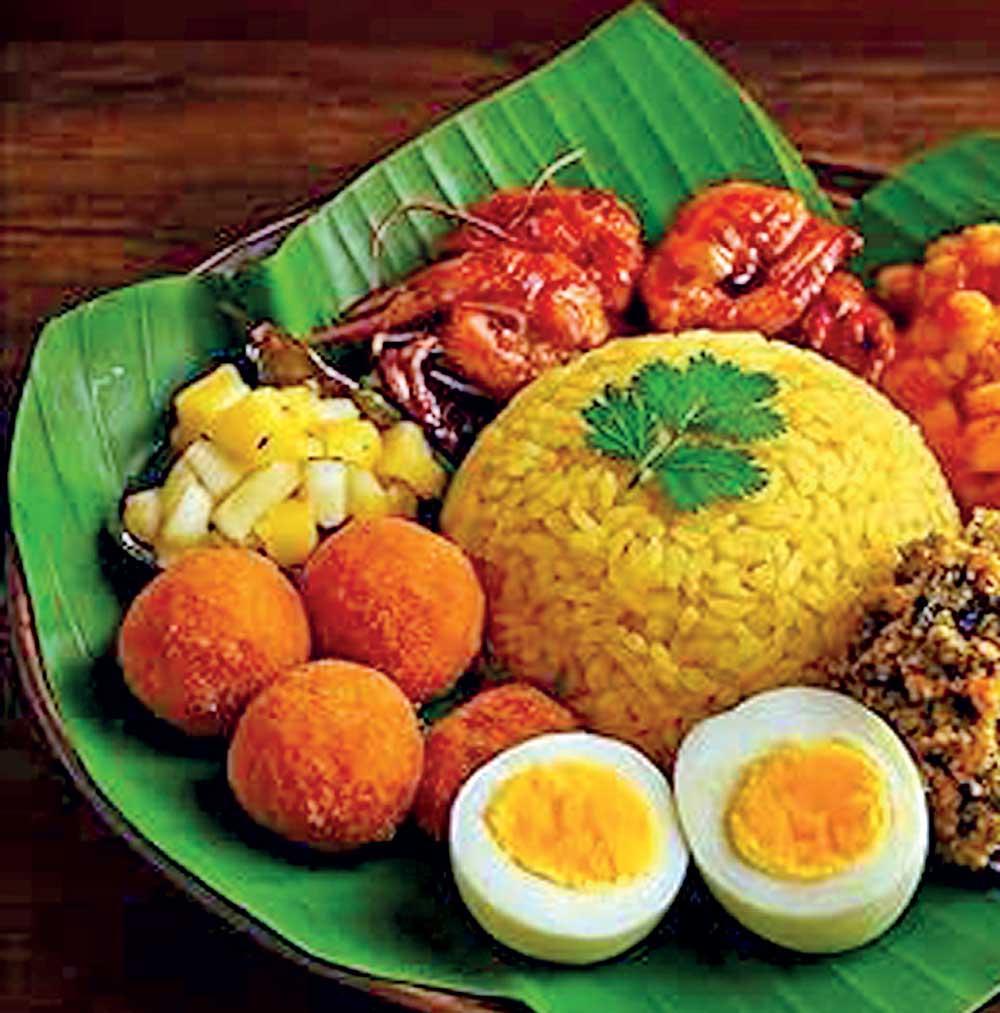
 There is a quiet power in food that few other things possess. A single aroma can pull you back decades, to a childhood kitchen heavy with steam, to a grandmother’s hands moving instinctively over a clay pot, or to a roadside stall glowing under a flickering bulb on a rainy evening. Food is memory made edible. Yet in Sri Lanka today, many of these memories are slowly slipping away. The flavours that once defined our everyday lives are being edged out by instant meals, fast food chains, and the promise of modern convenience. With each forgotten recipe, we lose more than a taste. We lose a fragment of our cultural identity.
Sri Lankan cuisine has always been deeply personal. It was never just about feeding the body; it was about nurturing relationships, preserving tradition, and expressing care. Meals were not rushed affairs. They were rituals shaped by time, patience, and intuition. Yet as lifestyles change and the pace of life accelerates, these rituals are becoming rarer, replaced by efficiency and familiarity.
For many Sri Lankans, childhood is inseparable from food. It lives in the scent of dhal curry gently bubbling on the stove, in the crackle of mustard seeds meeting hot oil, and in the unmistakable aroma of freshly grated coconut being mixed into pol sambol. These were not dishes prepared from recipe books. They were learnt by watching, tasting, adjusting, and remembering. Every household had its own variations, its own secrets, passed down quietly from one generation to the next.
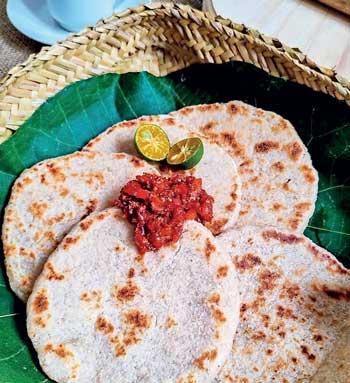 Today, that intimate relationship with food is weakening. Younger generations often grow up without learning how to cook the dishes their parents and grandparents once made instinctively. Ready-made spice mixes, frozen meals, and food delivery apps have replaced the slow rhythm of home cooking. Many children can recognize international fast-food brands more easily than the flavours of traditional Sri Lankan curries. The result is not just a change in diet, but a growing disconnect from the tastes that once shaped daily life.
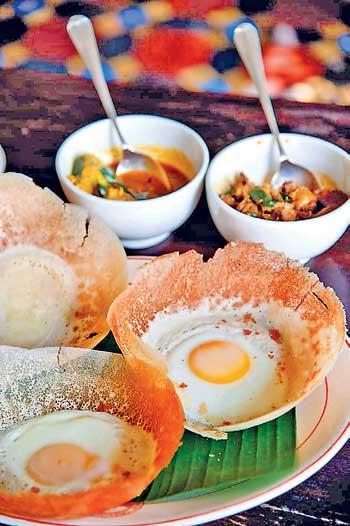
For some, the memory of these foods now exists only in fragments. A forgotten curry tasted once at a relative’s home. A crisp hopper eaten at dawn during a family trip. A sambol whose exact balance of heat and acidity can no longer be recreated. These are flavours that linger in the mind but rarely appear on the plate.
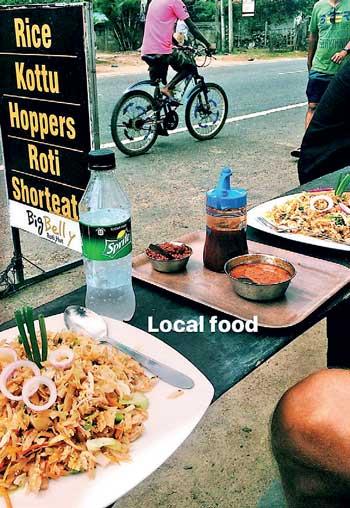
Beyond the home, Sri Lanka’s streets have long told their own culinary stories. Street food has always been a reflection of the island’s creativity and resilience. From the rhythmic chopping of kottu on Colombo pavements to the irresistible pull of isso wade at Galle Face, street food was never just about hunger. It was about community, accessibility, and shared experience. These foods belonged to everyone. They crossed social boundaries and brought people together, standing shoulder to shoulder around carts and stalls.
Each street snack carried with it a story. Recipes refined over decades, techniques learnt through trial and error, and livelihoods built on little more than skill, dedication, and hope. For many families, street food vending was not just a business but a legacy, passed down through generations.
 Yet these flavours too are under threat. Rising rents, stricter regulations, and competition from modern fast-food outlets have made it increasingly difficult for small vendors to survive. Traditional stalls are disappearing, replaced by uniform chains that offer consistency but little character. As these vendors vanish, so do the tastes that once defined entire neighbourhoods. A city without its street food is a city that has lost part of its soul.
The disappearance of flavours is often blamed on laziness or changing preferences, but the truth is far more complex. Urbanisation has altered the way people live and eat. Long working hours leave little time for cooking. Ingredients that were once readily available are harder to source in cities. Globalisation has introduced new tastes that slowly edge out local ones. Over time, what is convenient becomes normal, and what is traditional becomes occasional or even obsolete.
Social media has also played its part. Platforms flooded with images of trendy cafes, elaborate desserts, and fusion dishes often present traditional food as old fashioned or unexciting. A simple plate of rice and curry struggles to compete visually with towering milkshakes or colourful brunch spreads. In chasing novelty, we risk overlooking the depth, complexity, and richness of our own cuisine.
Yet, amid this quiet erosion, signs of revival are emerging. Across Sri Lanka, a growing number of chefs, home cooks, and food enthusiasts are rediscovering forgotten recipes and giving them new life. Social media, which once sidelined traditional food, is now also becoming a powerful tool for preservation. YouTube channels document old cooking methods. Instagram pages celebrate heirloom recipes. Pop up dining experiences bring back dishes rarely seen on modern menus.
In many homes, there is also a renewed effort to pass knowledge down. Parents and grandparents are beginning to teach children not just how to cook, but why these recipes matter. They explain the stories behind the dishes, the festivals they were made for, and the memories they carry. Through this, food once again becomes a bridge between generations.
These efforts matter deeply because food is not just sustenance. It is history. Each recipe tells a story of geography, trade, climate, and culture. The spices in Sri Lankan cooking reflect centuries of exchange and influence. The techniques reveal how people adapted to their environment and made the most of what they had. When a recipe disappears, that story is lost forever.
Preserving Sri Lanka’s culinary heritage is also about dignity and pride. For Sri Lankans living abroad, the longing for home often expresses itself through food. A simple plate of rice and curry cooked the way a mother made it can carry more emotional weight than any photograph. This longing is not mere nostalgia. It is proof of how deeply rooted these flavours are in identity.
 Sharing Sri Lankan food with the world is equally important. When our cuisine is preserved and celebrated, it creates global appreciation and demand. It tells the world that Sri Lankan food is not just spicy or exotic, but nuanced, diverse, and deeply meaningful. In doing so, we protect it from being diluted or forgotten.
Remembering these flavours does not require grand gestures. It begins with small acts. Choosing to cook a traditional meal instead of ordering in. Supporting a local street vendor instead of a chain. Asking an elder how a dish was made. Writing down a recipe before it disappears. These acts may seem insignificant, but together they form a powerful resistance against forgetting.
The next time you walk past a modest food stall or notice an elderly neighbour preparing a traditional dish, pause for a moment. Taste if you can. Ask questions. Listen. What you are witnessing is living history. These flavours carry the weight of generations, shaped by hands that cooked not for recognition, but for love and survival.
Sri Lanka’s forgotten flavours can return, but only if we choose to remember them. Each meal cooked, shared, and passed on keeps a part of our heritage alive. In reviving these tastes, we do more than preserve food. We preserve memory, identity, and belonging. And in every familiar bite, we rediscover not just flavour, but home.