The Films Everyone Was Talking About in 2025
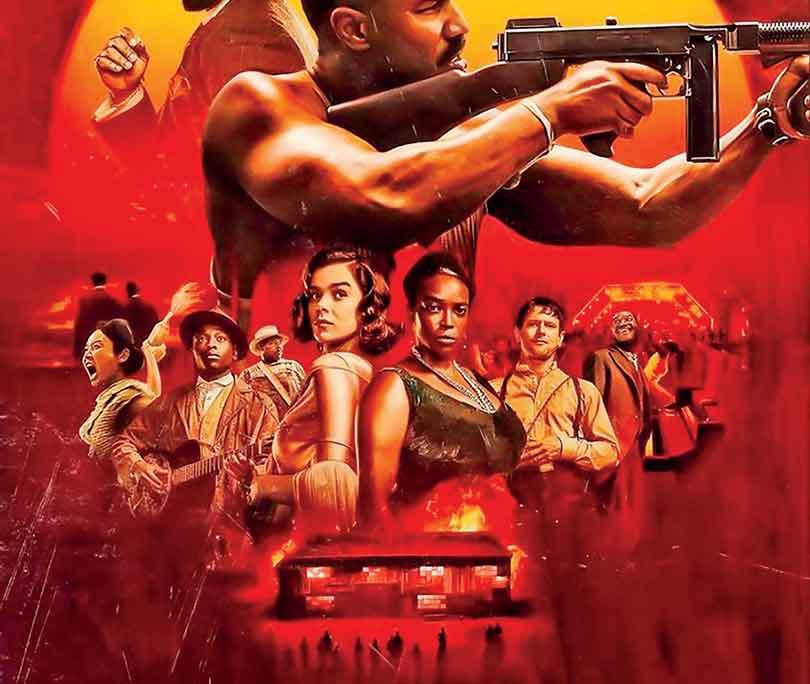
Cinema in 2025 proved that audiences are still deeply drawn to powerful storytelling; stories that challenge, comfort, provoke, and linger long after the credits roll. From intimate family dramas to politically charged thrillers and genre-bending spectacles, this year’s most loved films reflected a global appetite for cinema that feels both personal and urgent. These standout titles weren’t just box-office successes or festival favourites; they became cultural conversations, resonating with viewers across borders and generations.
One Battle After Another
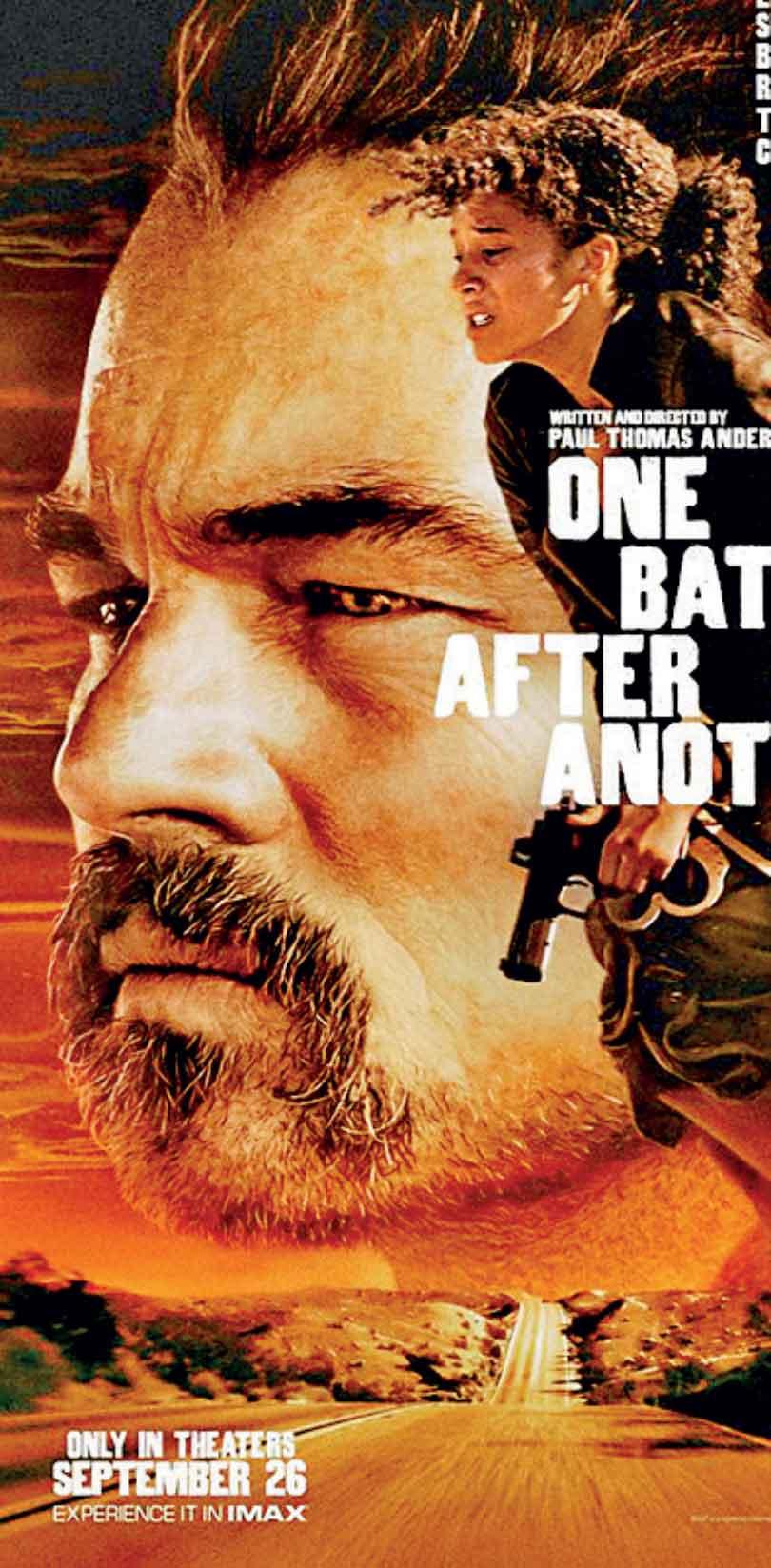
Paul Thomas Anderson returned in striking form with One Battle After Another, a black comedy action thriller that blended political commentary with raw emotional stakes. Inspired by Thomas Pynchon’s Vineland, the film follows an ex-revolutionary forced back into a life he thought he had escaped when a corrupt military officer resurfaces after 16 years. As the threat closes in on his daughter, a group of former comrades reunite, proving that past battles are never truly over.
Leonardo DiCaprio delivers a deeply layered performance, supported by an impressive ensemble including Sean Penn and Benicio del Toro. What audiences loved most was the film’s balance, its sharp humour offsetting moments of real danger and moral reckoning. It was action with substance, and satire with soul.
Nouvelle Vague
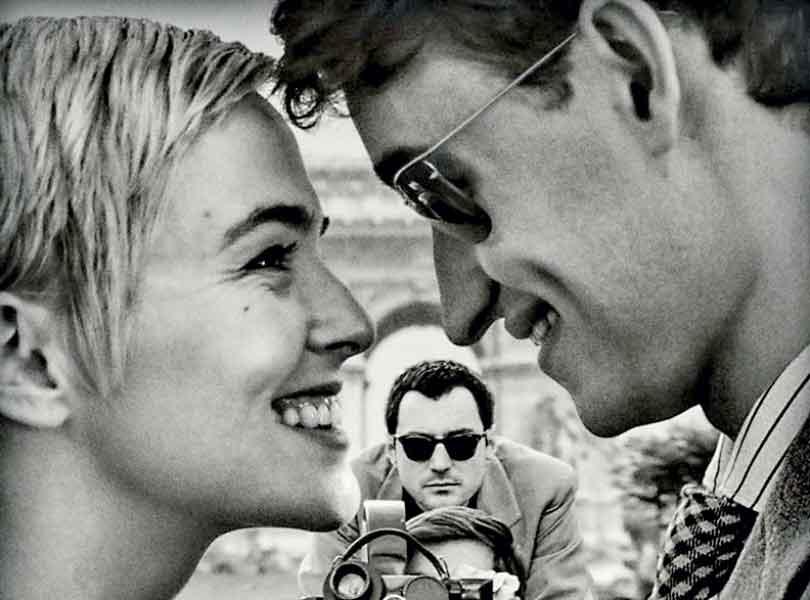
Richard Linklater’s Nouvelle Vague was a love letter to cinema itself. Set during the making of Jean-Luc Godard’s Breathless (1960), the film pulls viewers behind the scenes of one of the most influential movements in film history, the French New Wave. Guillaume Marbeck’s portrayal of Godard, alongside Zoey Deutch as Jean Seberg, captured the creative chaos and youthful rebellion that reshaped filmmaking forever.
Audiences, especially cinephiles, embraced Nouvelle Vague for its warmth, wit, and nostalgic charm. Rather than mythologising its subjects, the film humanised them, reminding viewers that cinematic revolutions often begin with uncertainty, passion, and bold experimentation.
Sinners
Ryan Coogler’s Sinners stood out as one of the year’s most ambitious genre films. Set in 1932 Mississippi, the epic vampire tale starred Michael B. Jordan in dual roles as twin brothers attempting to escape their criminal past. Their return home, however, leads them straight into a far greater supernatural evil.
What made Sinners so compelling was its fusion of horror, history, and social commentary. Coogler used the vampire myth to explore guilt, legacy, and systemic darkness, grounding the supernatural in emotional realism. Audiences praised its atmosphere, performances, and bold reimagining of a familiar genre.
Hamnet
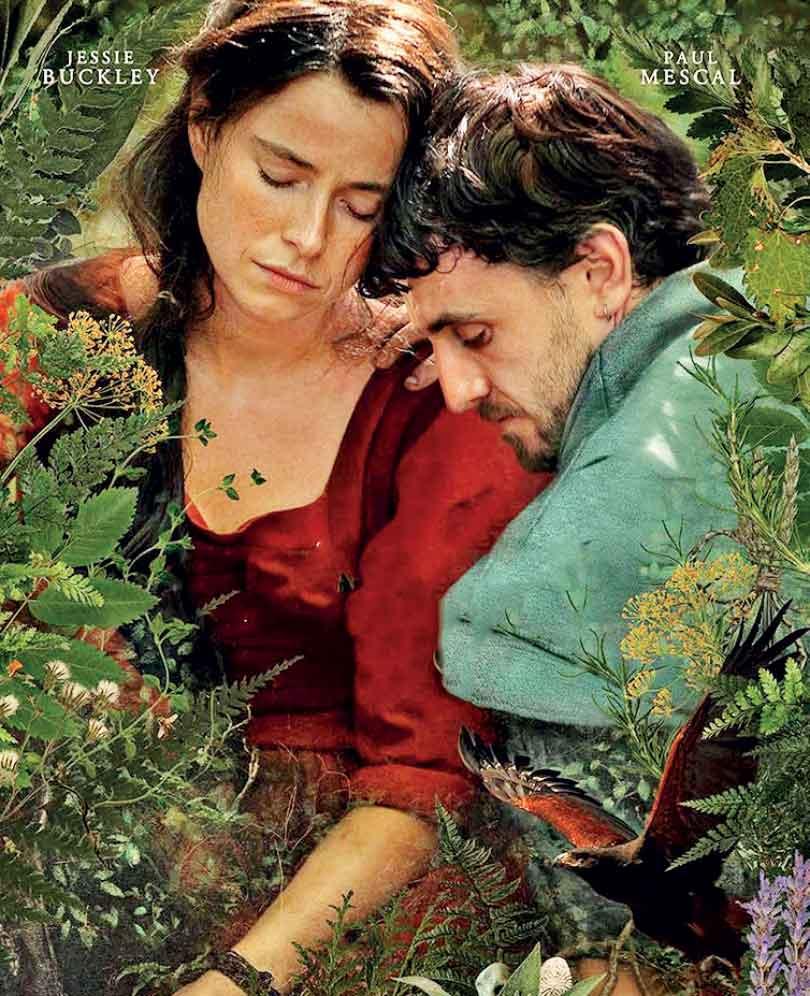
Few films in 2025 were as quietly devastating as Hamnet, directed by Chloé Zhao. Based on Maggie O’Farrell’s novel, the film explores the grief experienced by William Shakespeare and his wife Agnes after the death of their 11-year-old son. Rather than focusing on literary legacy, Hamnet centres on loss, motherhood, and the fragility of life in 16th-century England.
Jessie Buckley and Paul Mescal delivered deeply moving performances, and Zhao’s restrained direction allowed grief to unfold naturally. Audiences connected strongly with the film’s emotional honesty, finding beauty in its stillness and compassion in its portrayal of mourning.
Sentimental Value
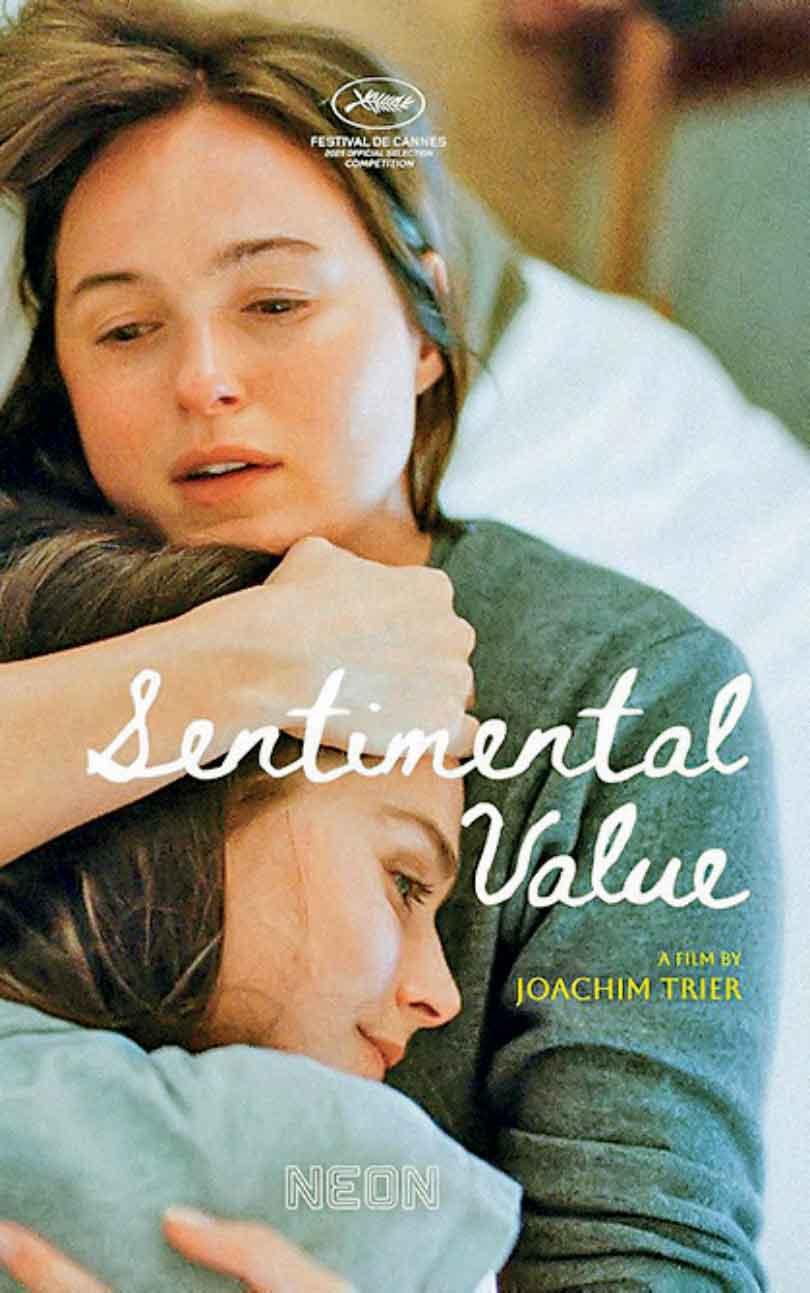
Joachim Trier’s Sentimental Value offered one of the year’s most intimate explorations of family and memory. The film follows an acclaimed director attempting to reconnect with his estranged daughters by making a personal film about their shared past. Instead of healing wounds, the project forces unresolved tensions to the surface.
Starring Renate Reinsve and Stellan Skarsgård, the film resonated with audiences for its authenticity. Many saw their own family dynamics reflected in its quiet confrontations and tender moments. At its core, Sentimental Value asked whether art can truly mend broken relationships, or simply expose them.
The Secret Agent
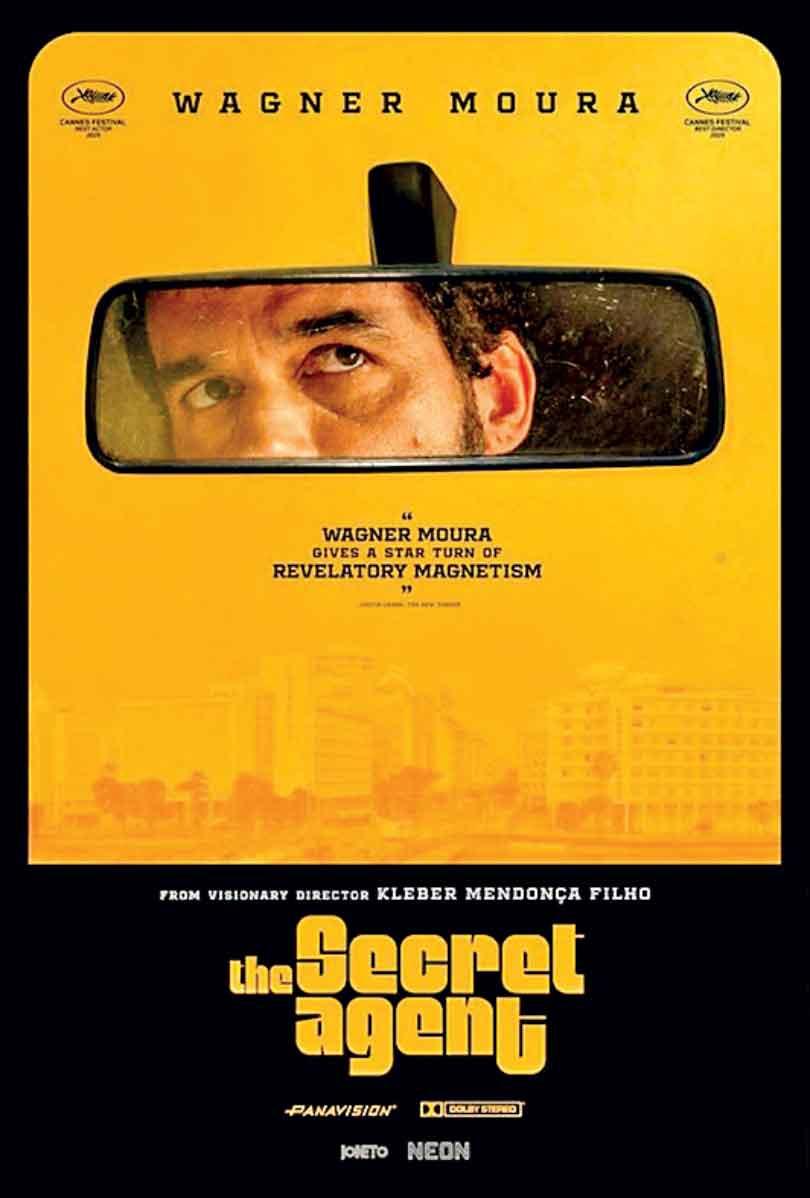
Kleber Mendonça Filho’s The Secret Agent was one of 2025’s most politically resonant films. Set during the final years of Brazil’s military dictatorship, the neo-noir thriller follows Armando, a former professor caught in a web of persecution and deception as he attempts to escape an authoritarian regime.
Wagner Moura’s performance anchored the film with intensity and vulnerability. Audiences appreciated the film’s refusal to simplify history, instead portraying resistance as messy, dangerous, and deeply human. Its themes of surveillance, fear, and courage felt strikingly relevant to modern viewers.
Sorry, Baby
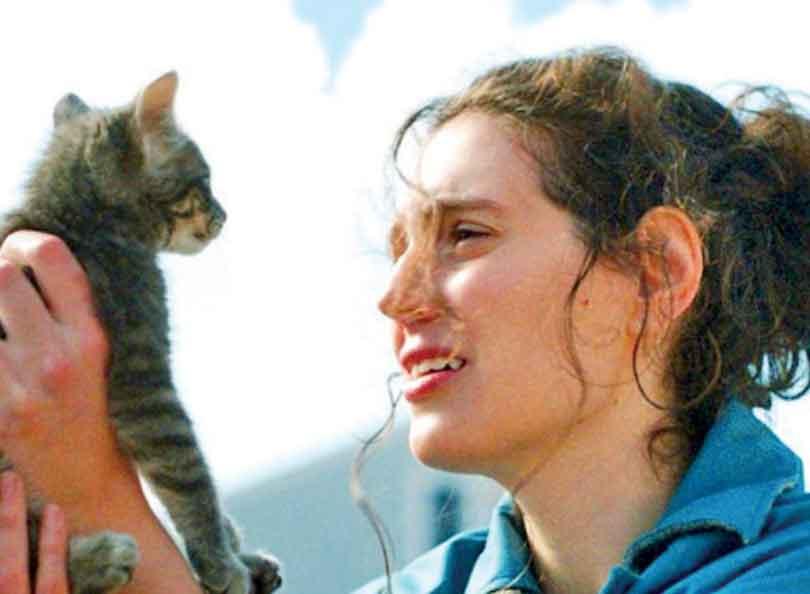
Eva Victor’s directorial debut, Sorry, Baby, stood out for its sensitivity and emotional intelligence. The black comedy-drama follows a reclusive literature professor struggling to rebuild her life after a traumatic experience, while the world around her moves on as if nothing has changed.
Audiences responded to the film’s honesty and restraint. Rather than relying on melodrama, Sorry, Baby focused on the quiet, often invisible aftermath of trauma. Its humour, though subtle, offered moments of relief without undermining the seriousness of its subject.
It Was Just an Accident
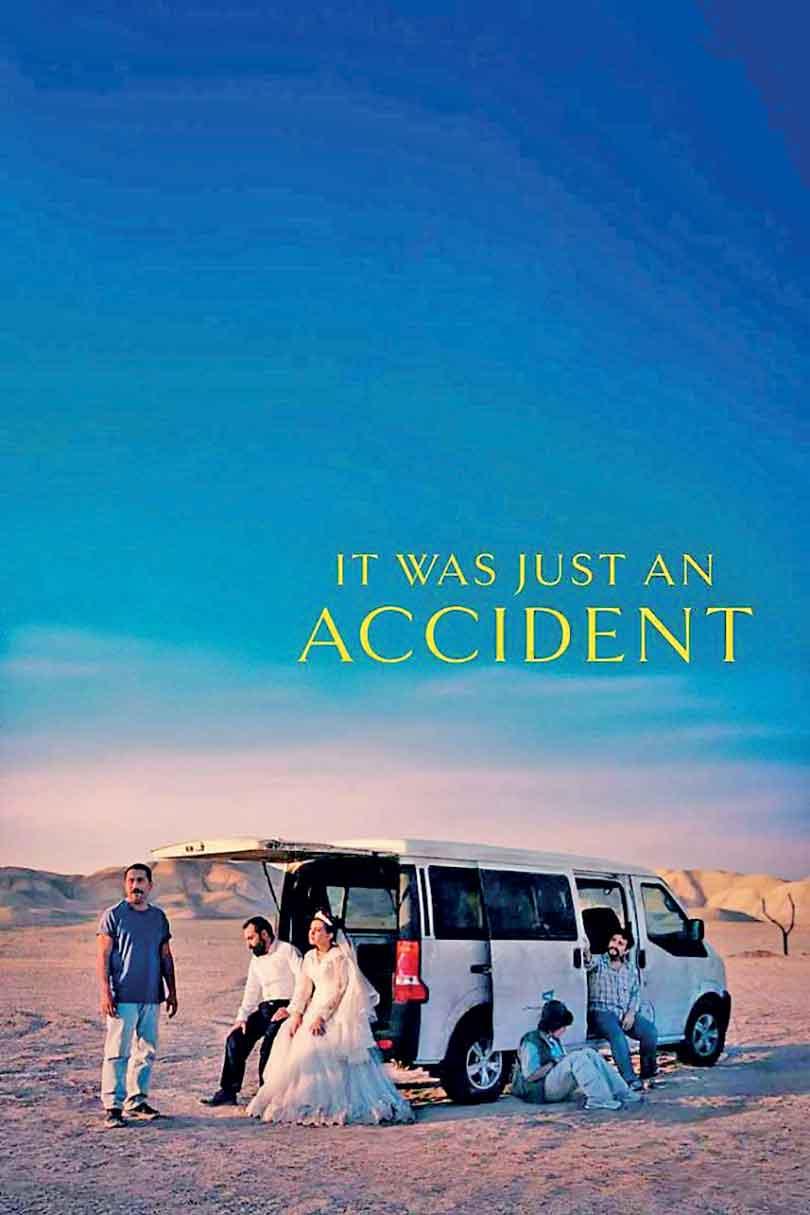
Jafar Panahi’s It Was Just an Accident carried immense weight, both cinematically and politically. Made without official permission, the thriller follows former political prisoners confronted with a man they believe was their tormentor. The film wrestles with questions of revenge, justice, and moral responsibility.
Audiences admired the film’s courage and moral complexity. Instead of offering easy answers, Panahi forced viewers to sit with discomfort, making the film one of the year’s most thought-provoking experiences.
The Perfect Neighbor
Among fiction films, The Perfect Neighbor stood apart as a powerful documentary. Directed by Geeta Gandbhir, the film examines the fatal shooting of Ajike Owens through police body-cam footage and interviews, questioning the real-world impact of “stand your ground” laws in the United States.
Audiences were deeply affected by its clear-eyed storytelling. The film sparked important conversations about race, justice, and accountability, proving that documentaries can be just as emotionally gripping, and culturally vital, as narrative cinema.
What united these most-loved films of 2025 was their courage. They didn’t shy away from difficult themes or complex emotions. Instead, they trusted audiences to engage deeply, to feel uncomfortable, and to reflect. In a year filled with cinematic variety, these films reminded us why stories matter, and why the power of cinema continues to endure.