Life Is Just a Game of UNO, You Play the Cards You’re Dealt
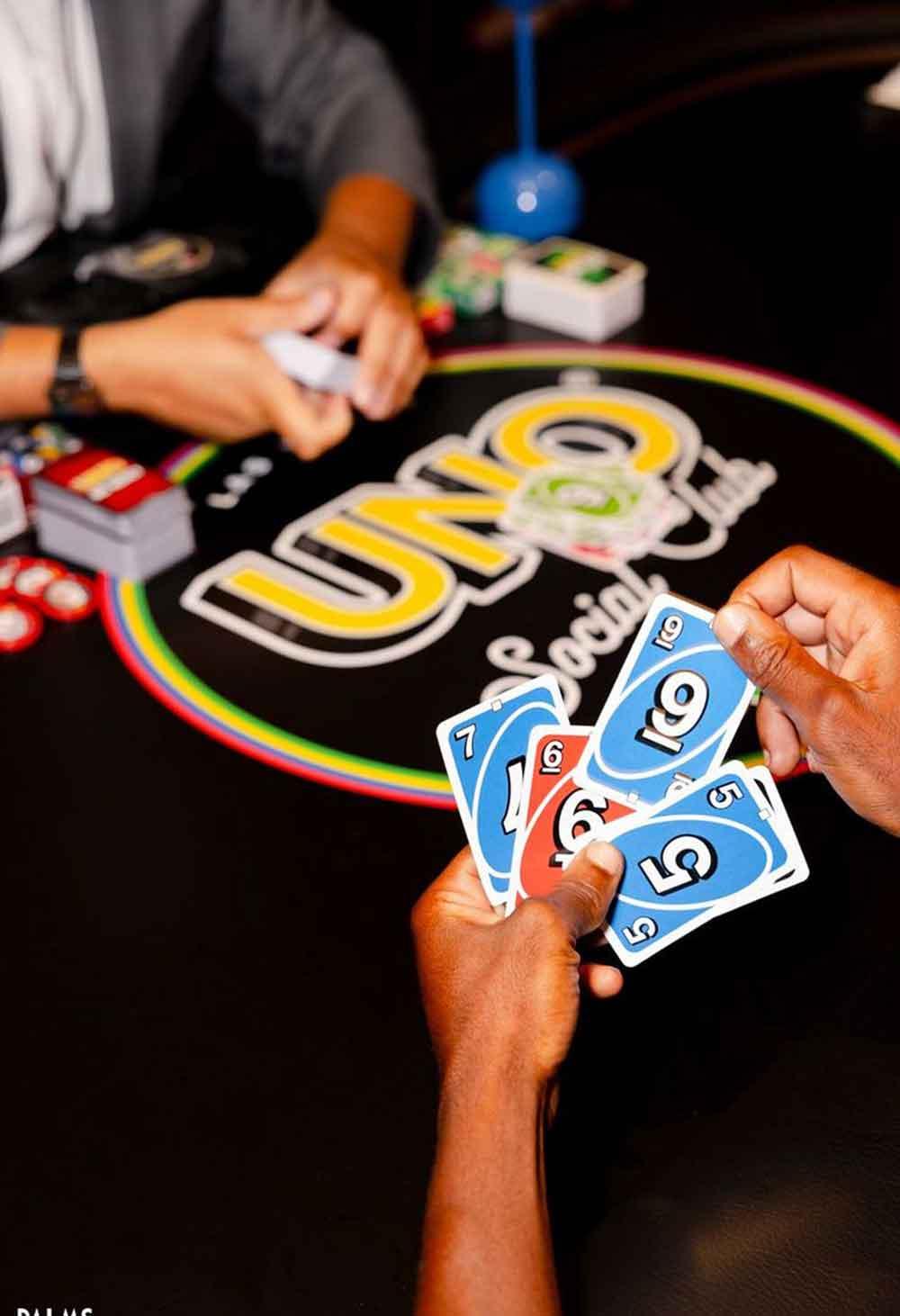
Life rarely comes with instructions. Much like a game of UNO, you are handed a set of cards you did not choose and expected to play them wisely. You are often questioned when things do not go according to plan. On the surface, UNO seems simple: match colours, match numbers, and try to get rid of your cards. But anyone who has played it more than once knows that beneath its simplicity lies unpredictability, sudden reversals, and lessons that feel surprisingly familiar. Every match carries the potential for surprises, strategy, and moments that test patience, awareness, and adaptability. In many ways, the way we navigate life mirrors the way we navigate this seemingly simple card game.
In UNO, you never choose your starting hand. Some players are dealt powerful cards, while others begin at a disadvantage. Life works the same way. None of us decide where we are born, the environment we grow up in, or the challenges we face early on. These circumstances are given to us without consultation. Yet success is never defined by the hand itself. It is defined by how we play it. Some people move forward with patience, strategy, and adaptability. Others struggle despite having every advantage because they play without awareness or intention. Life, like UNO, rewards those who can adjust, anticipate, and act with mindfulness, even when the cards feel unfair.
Timing is another critical element in both UNO and life. Using the right card at the wrong moment can change the outcome entirely. Playing a Wild card too early may leave you vulnerable later. Holding on to it for too long might mean losing control of the game. Life mirrors this perfectly. Opportunities do not always arrive when we feel ready. Acting too fast or waiting too long can make the difference between progress and regret. Timing is not about control but about understanding the moment and responding thoughtfully to it. Recognizing when to act, when to wait, and when to pivot is a skill that grows with experience. Just as in UNO, life often tests patience and strategic thinking in equal measure.
No matter how carefully you plan, UNO constantly reminds you that not everything is in your hands. Someone else can change the colour, reverse the direction, or play an unexpected card just when you feel close to winning. Life behaves the same way. You can work hard, stay focused, and still face sudden setbacks. Plans fall apart, people leave, and paths change without warning. The game does not pause to explain itself. It simply moves forward, leaving you to either adjust or fall behind. Learning to accept unpredictability is a key skill. Resistance only prolongs frustration, while adaptability allows you to turn challenges into opportunities.
There are moments when life feels like a reverse card. What you thought was the end becomes a beginning. What initially seems like failure slowly turns into redirection. Careers change, relationships end, and dreams are delayed. Yet these reversals often place us where we truly belong. UNO teaches that a change in direction does not mean the game is over. It simply means the journey has taken a different route. Recognizing that setbacks often carry hidden lessons can transform disappointment into growth. Life rewards perspective, patience, and the ability to see opportunity in every detour.
Not everyone moves at the same pace. In UNO, some players are skipped while others continue playing. Life reflects this imbalance clearly. Some achieve milestones early, while others are forced to wait longer than seems fair. Watching others move ahead while you feel stuck can be painful. Being skipped does not mean you are out of the game. It only means your turn has not arrived yet. Life unfolds in its own rhythm, and comparison only distracts from the process of playing your own cards well. Learning to respect your own timing is a form of quiet strength.
Then there are moments that feel like being hit with a Draw Four. Unexpected responsibilities, sudden losses, or overwhelming challenges appear without warning. You do not ask for them, yet you must carry the weight anyway. UNO does not allow players to refuse these cards, and life does not either. Strength is built not by avoiding difficulty but by continuing to play even when the deck feels heavy. Challenges reveal character, sharpen resilience, and teach lessons that cannot be learned in comfort. The ability to persevere through unexpected hardship often determines long-term success more than the cards you were initially dealt.
Every UNO group plays by slightly different rules. Some allow stacking while others refuse it completely. Life is guided by similar unspoken rules shaped by society, culture, and expectations. What works in one environment may not work in another. Learning the rules helps you survive but blindly following them does not guarantee success. Sometimes the most important skill is knowing when to follow convention and when to chart your own course. Creativity, insight, and courage allow you to make the most of your situation even when the standard rules feel limiting.
Forgetting to say UNO often comes with consequences. Not because you lost the game, but because you failed to stay aware in the moment. Life demands the same attentiveness. Recognizing when you are close to burnout, on the brink of change, or nearing a personal breakthrough can prevent unnecessary setbacks. Ignoring the signs often leads to penalties we could have avoided. Awareness is a form of power. It allows you to act intentionally rather than reactively and ensures that the moves you make align with your goals and values.
Winning is not always the point. UNO does not end friendships; it tests them. The laughter, arguments, and shared memories often matter more than who wins. Life works the same way. The people you journey with, the lessons you learn, and the moments you share remain long after the game ends. Relationships, mentorship, and community provide context and meaning to the moves we make. The ultimate measure of a life well-lived is not simply achievement, but the depth of connection and growth we experience along the way.
Even when the deck feels unfair and the rules confusing, the game continues. Life does not pause for frustration or disappointment. You play, adapt, learn, and keep going. Just like UNO, life is not about having the best cards. It is about staying in the game long enough to make the cards you have count. Persistence, adaptability, and awareness become your greatest assets. Small, consistent actions compound over time, and every choice, no matter how minor it seems, shapes the trajectory of your life. Life also teaches that luck is only one part of the story. In UNO, a lucky draw may help you for a moment, but strategy, patience, and timing determine how far you go. The same principle applies to life. Circumstances may give you advantages or obstacles, but long-term success depends on your ability to make deliberate, thoughtful decisions and to respond effectively to whatever comes your way. It is in your approach, not simply the hand, that true mastery lies.
Ultimately, UNO is a reminder that unpredictability is not the enemy. Challenges, surprises, and reversals are part of the game. Life rewards those who remain engaged, who learn from mistakes, and who continue to play thoughtfully even when the outcome is uncertain. Each card, each moment, each decision carries the potential for growth, connection, and insight. Understanding that you cannot control everything allows you to focus your energy on what truly matters: the way you play your hand and the attitude you bring to the game.
Life is a game, but it is also a journey of self-discovery. Every card represents an opportunity to learn, adapt, and grow. The hand you are dealt is only the beginning. How you respond, how you maintain awareness, and how you navigate unpredictability define the richness of your experience. Just as UNO teaches patience, strategy, and resilience, life demands engagement, presence, and intention. Those who embrace the game fully, who respect both the challenges and the joys, discover that the true victory lies not in reaching the end first, but in playing well, learning deeply, and savouring every move along the way.