IN CONVERSATION | SASKIA FERNANDO
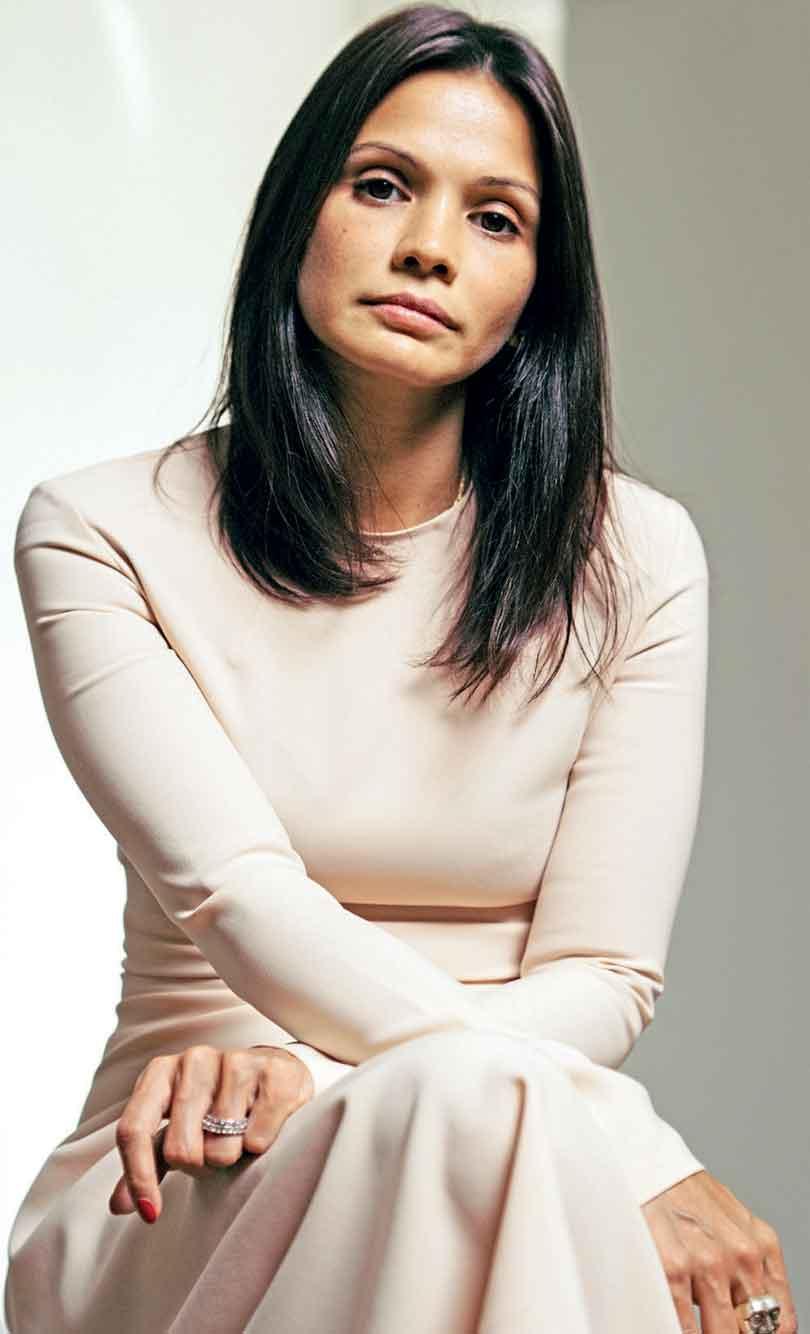
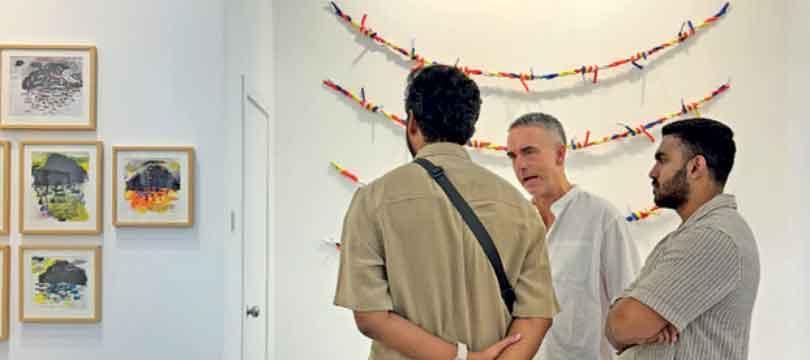
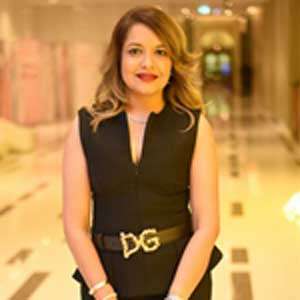
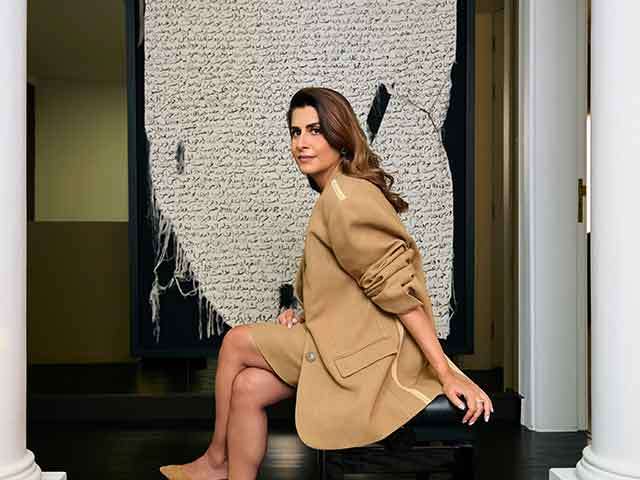
As the Founder and CEO of Saskia Fernando Gallery, Saskia Fernando has spent more than sixteen years shaping the trajectory of Sri Lankan contemporary art both locally and internationally. Establishing the gallery at a time when the country’s art landscape was largely focused on decorative practices and modernist traditions, she made a decisive shift toward nurturing contemporary voices. Her long-term investment in artist development, institutional engagement, and regional collaboration has positioned the gallery as Sri Lanka’s most internationally visible contemporary art space. Through presentations at Frieze London, Art Dubai, the India Art Fair, and most recently Art Mumbai, she has built pathways for Sri Lankan artists to engage with global audiences and curatorial networks. Her work has been central to reshaping global perceptions of Sri Lankan art, advocating for a professionalized ecosystem, and ensuring that the country’s contemporary practices are increasingly recognised within museums, biennales, and international art dialogues.
How has sustained visibility at major international fairs shaped the global perception of Sri Lankan contemporary art?
Consistent participation in the world’s leading art fairs, where galleries are selected by expert advisory boards, has had a transformative impact on global perceptions of Sri Lankan contemporary art. These repeat presentations have established credibility for the artists we represent and have prompted collectors, curators, and institutions to pay attention to the energy emerging from Sri Lanka. The visibility has led to tangible outcomes such as features in international publications and collaborations with major galleries.
What does participating in Art Mumbai represent for Sri Lanka within the wider South Asian art ecosystem?
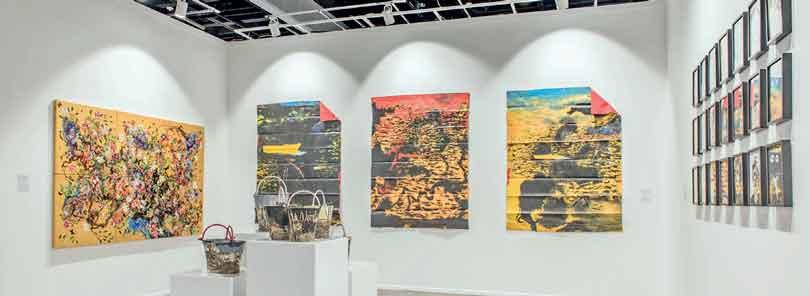
Mumbai is a significant cultural hub in the region, and many of our collectors are based there. Art Mumbai allowed us to reach new audiences, and our prominent booth placement ensured strong visibility for Sri Lankan contemporary art. Participation in the fair creates opportunities for our artists to engage with regional peers and curators, positioning Sri Lanka as an active contributor to South Asian artistic dialogue. Alongside our longstanding presence at India Art Fair, it reinforces our commitment to meaningful regional engagement.
This year’s fair saw many works selling out. What drove such strong collector interest?
Collector interest has grown steadily, but recent international recognition has accelerated this shift. The success at the fair reflects sixteen years of investment in building networks with curators, institutions, and collectors. It also reflects our long-term commitment to positioning artists beyond local markets. The results at the fair demonstrate how these relationships and strategic efforts are now coming to fruition.
What has been your long-term strategy behind consistent regional engagement?
When I founded the gallery in 2009, the local market largely favoured decorative art. I therefore looked beyond Sri Lanka to find collectors who were ready to engage with contemporary practices.
Years of regional collaborations and international presentations have helped cultivate a local community that increasingly values contemporary art. My long-term strategy focuses on building a professional ecosystem that supports artists’ careers over time. Developing a regional presence gives us the space to educate audiences locally and strengthen the overall art infrastructure.
What do ongoing institutional acquisitions of Sri Lankan artists’ work mean for global recognition?
International museums have been collecting Sri Lankan art for decades, including the Tate, LACMA, the Fukuoka Museum, and more recently the Queensland Gallery of Modern Art. What is significant about recent acquisitions, which are yet to be publicly announced, is that they include works by living contemporary artists. This recognition reflects many years of research, archiving, and institutional engagement. I am proud that the gallery has played a role in securing these opportunities for Sri Lankan artists who are actively practicing today.
Is Sri Lankan art overshadowed by larger regional markets, or does it offer something unique internationally?
I would not say Sri Lankan art is overshadowed. The primary challenge is the lack of a sufficiently strong local arts ecosystem. Art is often approached from a charitable rather than professional perspective. Strengthening institutions and shifting attitudes is essential. Once these foundations are established, the international visibility will naturally increase. Although competition exists during this moment of growth, I believe the sector will mature into a more collaborative and professional landscape over time.
How has your long-term artist representation model shaped the careers of the artists you work with?
Representation allows us to support artists beyond individual exhibitions. We work closely with them on career development, securing commissions, facilitating residencies, and connecting them with curators, collectors, and institutions. This structure provides stability and allows artists to focus on their practice while we manage logistics and strategy. Over time, this approach has helped our artists achieve international recognition and build sustainable careers.
How important is mentorship for emerging Sri Lankan artists navigating international spaces?
Mentorship is essential. The local education system does not adequately prepare artists for professional careers. Through KALĀ and the A4A Production Grant, we support four artists each year with mentorship from our team and international advisors. Seeing the growth of the artists we have supported over the years confirms how vital these programmes are.
What role can public institutions play in positioning Sri Lankan artists globally?
Our work with the University of Visual and Performing Arts showed us how committed local institutions are to nurturing new generations. However, meaningful change requires foundational steps. Reopening the National Art Gallery, which houses essential historical collections, is a critical first move. Without the proper institutional infrastructure, broader policy development and funding cannot progress effectively.
What challenges do Sri Lankan artists face when entering global markets, and how does the gallery help?
Challenges include navigating unfamiliar industry structures and managing practical issues such as shipping, customs, and documentation. We help by providing logistical support, curatorial guidance, and strategic positioning. A recent example is our collaboration with Grosvenor Gallery in London, where we presented works by H. A. Karunaratne, Chandraguptha Thenuwara, and Jagath Weerasinghe.
How has the collector base evolved locally and internationally?
Locally, the collector base is growing but still leans toward decorative art and trends. Building deeper understanding will take time, though younger collectors are emerging with genuine interest. Internationally, particularly in India, collectors recognize the value and accessibility of Sri Lankan artists. With global attention increasing, it is an excellent time to invest.
Is Sri Lankan contemporary art entering a moment of heightened global attention?
Yes. Years of consistent investment in artists, regional engagement, and thoughtful international presentations are converging. This moment reflects long-term work coming into focus on the global stage.
What does it take for a Sri Lankan gallery to participate in leading art fairs year after year?
Participation requires meticulous planning, strong curation, and long-term investment in the artists we represent. We prioritise conceptually strong and visually compelling work that resonates across contexts. Success also relies on years of maintaining trust, professionalism, and meaningful relationships within the global art world.
How do you choose which artists and works best represent Sri Lanka internationally?
Selections are based on quality, conceptual clarity, and the ability of the work to communicate across diverse audiences. Each presentation is curated as a cohesive narrative that reflects the breadth of contemporary Sri Lankan practice.
How is increased regional cultural exchange influencing artistic dialogue?
These exchanges broaden perspectives, encourage experimentation, and create opportunities for collaboration. Shared histories and cultural links, particularly with India and the Middle East, make these engagements especially valuable. Renewed energy within these networks strengthens long-term pathways for artistic growth.
What role does storytelling play in the international appeal of Sri Lankan artists?
Storytelling is central to the appeal of Sri Lankan artists. International audiences are drawn to work that carries a distinctive voice and a sense of lived experience. When narrative depth is paired with strong formal experimentation, the work resonates on intellectual, emotional, and visual levels.
After nine international fairs, what have been defining moments for SFG?
Highlights include Chandraguptha Thenuwara’s solo presentation at Frieze London and the debut of H. A. Karunaratne’s work at the India Art Fair. Both were pivotal in introducing Sri Lankan contemporary art to wider global audiences.
How do you balance commercial pressures with nurturing long-term artistic practice?
We prioritise the artist’s vision. Commercial success is important, but it must not compromise artistic integrity or long-term development. We take responsibility for managing logistics and commercial aspects so artists can focus on their practice. Each fair is planned to contribute to long-term growth rather than short-term sales.
What is your vision for Sri Lankan art within global institutions over the next decade?
We envision Sri Lankan art being consistently represented in major museums and biennales as part of the ongoing international conversation. We aim to ensure that both contemporary practices and historical legacies gain lasting visibility and recognition.
What do you hope international audiences understand about Sri Lanka through the artists you represent?
I hope they see a country rich in cultural depth, resilience, and creativity. The artists we work with reflect a nation deeply connected to its histories while actively engaging with global conversations. Their work offers a nuanced, vibrant, and compelling view of Sri Lanka’s artistic landscape.