IN CONVERSATION WITH DR. SIRIMAL DILMIKA
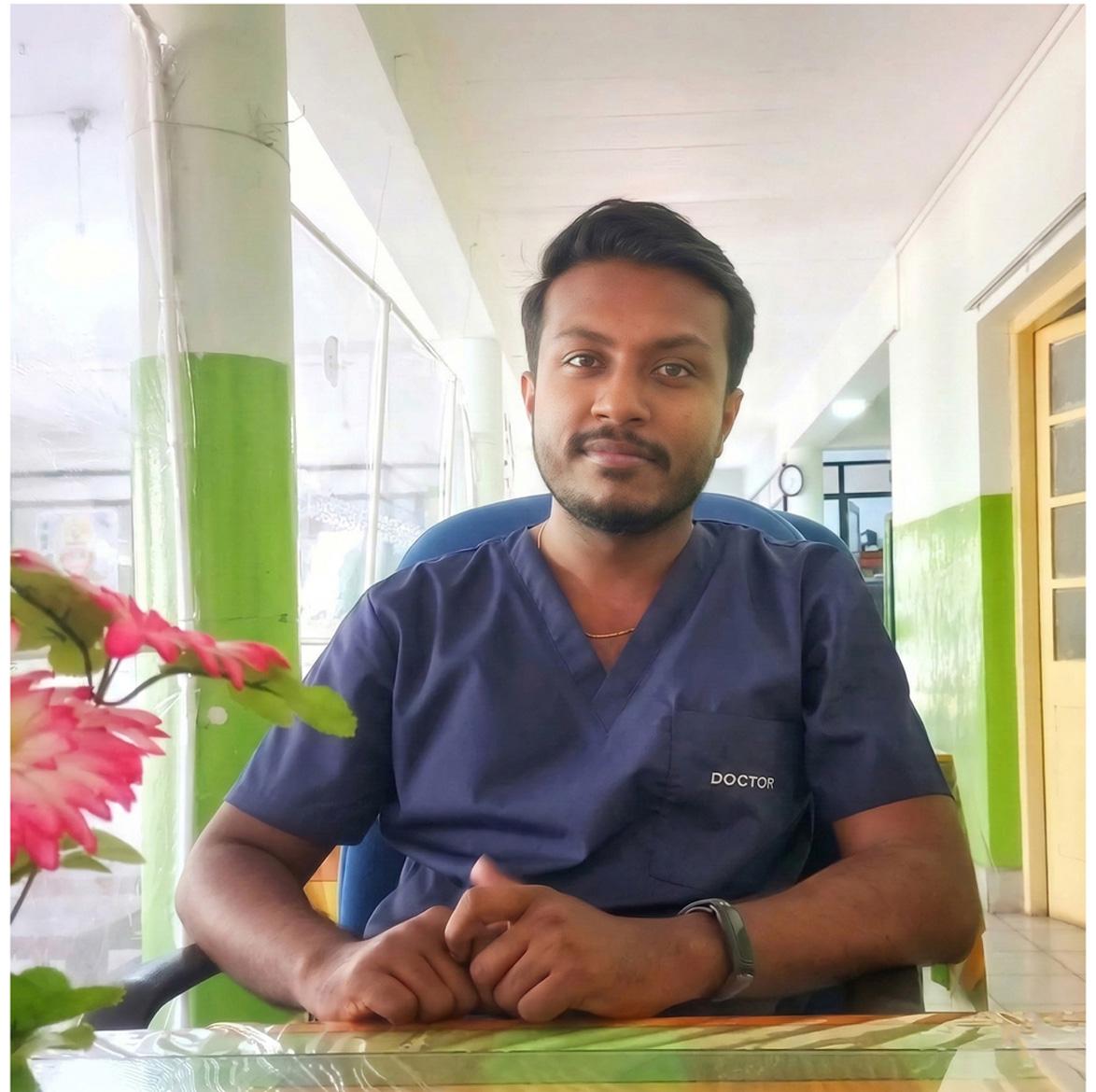
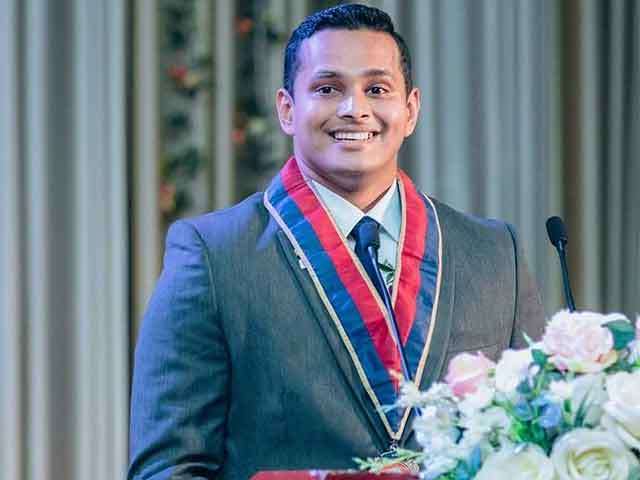
The story of Dr. Srimal Dilmika is one of resilience, transformation, and purpose. Growing up in Hambantota, Sri Lanka, his childhood was profoundly shaped by the devastating 2004 Indian Ocean tsunami, which destroyed homes, livelihoods, and left entire communities struggling to rebuild. Like many others from coastal villages, his family faced immense hardship, particularly as his father, a fisherman, was injured during the disaster. Yet, amid loss and uncertainty, a strong determination began to take shape within the young boy who refused to let tragedy define his future. Supported by his parents and guided by an unwavering commitment to education, Dr. Dilmika pursued academic excellence and eventually entered the University of Colombo to study Ayurveda. Today, he serves as Chief Medical Officer at Fadna Group of Companies, balancing clinical practice, research, and global product innovation while working to modernize indigenous medicine for the international stage.
As a child,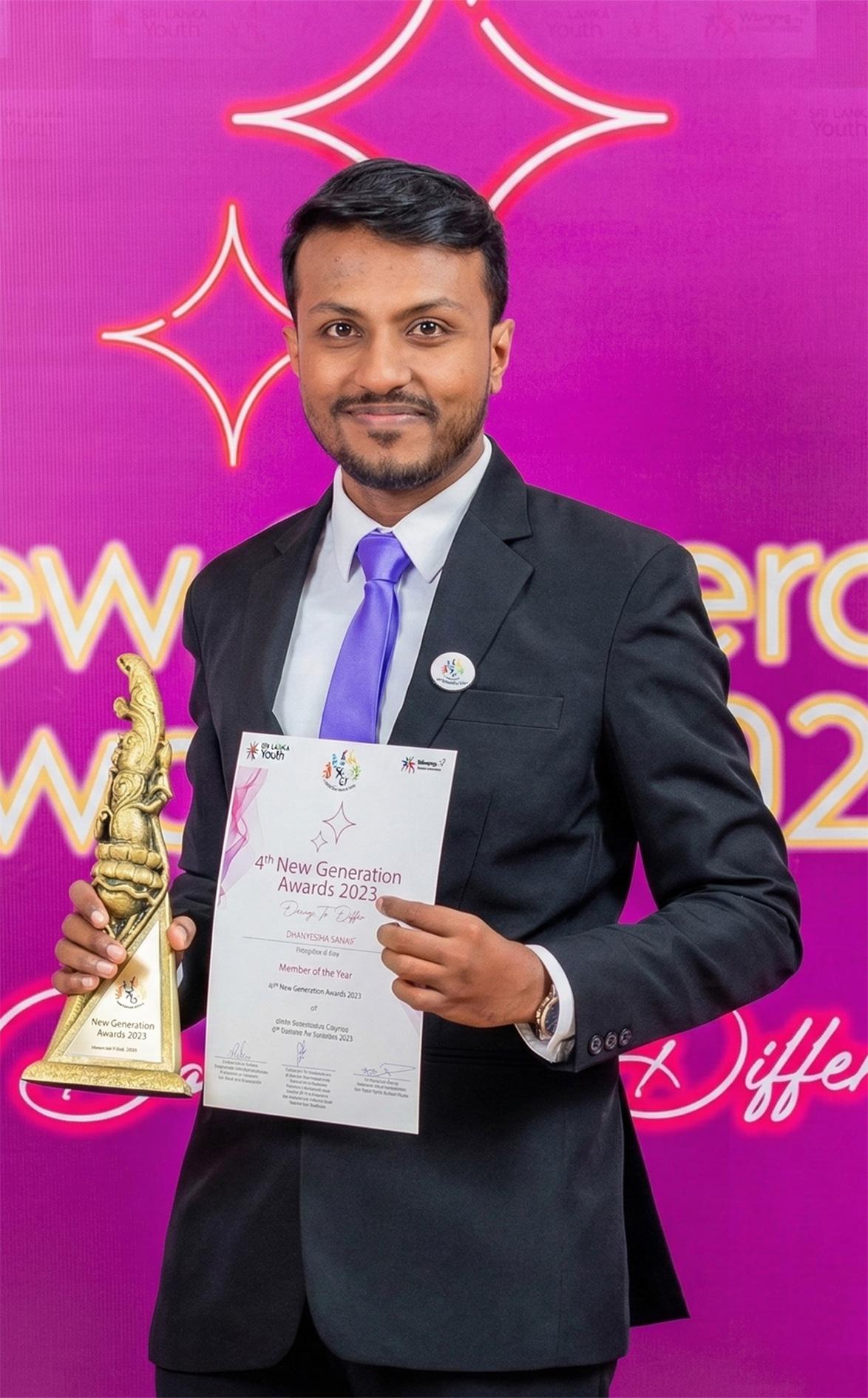 you lost everything in the tsunami, yet you entered Colombo University and are now an Ayurvedic doctor. Can you share what your journey has been like?
The tsunami was a life-changing experience for me. As a child growing up in a coastal community, I witnessed immense destruction and saw many families lose their loved ones, homes, and livelihoods. It was an extremely difficult time for everyone. My father, who worked as a fisherman, was also injured during the disaster, which made life even more challenging for our family. Despite these hardships, my parents continuously encouraged me to focus on my education. Their support, along with the help and compassion shown by many people who assisted our community during recovery, gave me the strength to move forward. Those experiences helped me develop resilience, courage, and determination from a young age. I worked hard in my studies, achieving good results in my O/L and A/L examinations while also engaging in extracurricular activities. Eventually, I entered the University of Colombo to study Ayurveda and, after five years of training and internship, graduated as an Ayurvedic doctor.
You began your journey as an Ayurveda physician after graduating from the University of Colombo. What inspired you to pursue Indigenous Medicine?
Becoming a doctor had always been my childhood dream, and my family often recalls how determined I was even at a young age. Initially, I hoped to become an allopathic doctor, but life guided me toward Indigenous Medicine. During my first year at university, adapting to Ayurveda was challenging. Studying Sanskrit shlokas and understanding its holistic philosophy was very different from the conventional scientific approach I was used to. However, as my studies progressed, I began to appreciate its depth and wisdom. Interacting with patients and applying Ayurvedic principles brought me great satisfaction, and their gratitude strengthened my commitment to continue learning and growing as a physician.
What challenges and experiences did you face as a young boy from Hambantota adapting to Colombo’s city life and culture?
Moving from Hambantota to Colombo was a major transition in my life. At the time, the six-hour journey to the capital felt like a long trip. Hambantota had fewer resources, limited technology, and fewer opportunities compared to Colombo, where people had access to many professional paths beyond academics. Adjusting to the busy city lifestyle, crowded transport, and fast pace was challenging after growing up in a peaceful environment. I also missed my family deeply, as I had lived closely with my parents for nearly twenty years. However, living independently helped me develop discipline, adaptability, and resilience, shaping both my personal growth and professional development.
As Chief Medical Officer of Fadna Group of Companies, you balance clinical practice, research, and product innovation. How do you manage these diverse responsibilities while maintaining excellence?
My journey with Fadna Group began immediately after completing my internship, when I joined as a trainee focusing mainly on clinical practice. I was also involved in the Research and Development department, contributing to product development and research that required high standards of quality and consistency. With time and experience, I grew more confident in applying my expertise. I am especially grateful to my supervisor, a former university senior, for his guidance and mentorship. I later expanded my role into research, product development, and export operations. Today, I serve as Assistant Manager – International Business and Health Affairs, balancing clinical, research, and business responsibilities.
You are actively involved in herbal product development, cosmeceuticals, and nutraceuticals. How important is scientific validation in modernizing Ayurveda for global markets?
Ayurveda has always been a powerful and effective system of medicine. However, in today’s world, many people come from scientific backgrounds and expect evidence and data to understand how treatments work. Therefore, scientific validation is essential, not to prove the value of Ayurveda, but to explain it in a way that modern audiences can understand and trust. In areas such as herbal product development, cosmeceuticals, and nutraceuticals, rigorous testing, clinical studies, and standardization are crucial. These processes ensure the safety, efficacy, and quality of products for global consumers. Scientific validation complements traditional knowledge rather than replacing it. By combining ancient wisdom with modern research methods, we can present Ayurveda in a credible and globally accepted manner. This approach allows Ayurveda to reach wider audiences while preserving its core principles.
Your work bridges traditional Ayurvedic wisdom with evidence-based research. How do you see the future of Ayurveda evolving in an increasingly scientific and competitive healthcare environment?
I believe the future of Ayurveda lies in integration and innovation. Traditional Ayurvedic wisdom carries immense value, and when it is supported by evidence-based research, it can thrive even within a highly scientific and competitive healthcare landscape. Through my work in international markets, I have observed that authenticity has evolved into creating innovative and easy-to-use formulations rather than strictly following traditional preparation methods. In many countries, there is a growing interest in naturopathy and indigenous medical systems. Modernizing Ayurveda through research, clinical trials, and technological tools can significantly improve its efficacy, safety, and accessibility. This will help Ayurveda gain wider global acceptance while maintaining its philosophical foundations. Ultimately, I see Ayurveda playing a meaningful role in bridging natural healing with modern science for holistic well-being.
State university graduates often seek careers in the public sector. What drew you to the private sector instead?
To be honest, the indigenous medical sector in Sri Lanka often presents limitations for practitioners. Instead of becoming frustrated or focusing on the constraints, I decided to create my own path. Like many graduates from state universities, I initially dreamed of making an impact within the healthcare system. However, the private sector attracted me because it offered diverse opportunities, faster learning experiences, and greater flexibility for innovation. In the private sector, I was able to engage in clinical practice while also participating in research, product development, and international business activities. This environment allowed me to apply my knowledge in practical ways and see tangible results from my work. It also provided the freedom to explore new ideas, develop wellness products, and contribute to the modernization of Ayurveda for a broader audience.
With a growing gap between qualifications and practical skills, what steps do you think Sri Lanka should take to help young people become more employable?
I strongly believe that Sri Lanka needs to focus on bridging the gap between academic qualifications and practical skills. Young people should be exposed to hands-on training, internships, and real-world experiences alongside formal education. Collaboration between universities, industries, and professional organizations can create valuable opportunities for skill development, mentorship, and career guidance. Educational reforms should also align more closely with industry needs and global standards. Unfortunately, Sri Lanka often lags behind emerging trends by nearly a decade. Therefore, our youth must be prepared to compete with the global workforce rather than simply adapting to a delayed system. Encouraging entrepreneurship, cross-functional learning, and innovation will help young people become more adaptable and employable. Combining practical exposure with strong academic foundations is key to preparing the next generation for meaningful and sustainable careers.
From your experience, what should corporates and leaders know about the potential and needs of Sri Lanka’s youth?
Sri Lanka’s youth are talented, ambitious, and eager to contribute to society. However, they need proper guidance, opportunities, and support to fully realize their potential. Corporates and leaders should understand that young people thrive when they are provided with mentorship, skill development programs, and practical exposure alongside academic learning.
Today’s Generation Z also seeks technology-driven, fast-paced, and diverse experiences. They are eager to innovate, think creatively, and approach problems in new ways. Investing in youth development is not only beneficial for individuals but also essential for the long-term sustainability of organizations. As older generations gradually transition out of the workforce, Gen Z will play a significant role in shaping the future of businesses and society. Supporting them today means building a stronger and more innovative tomorrow.

• One word that defines your leadership style? Determined.
• Ayurveda, modern science or both? Both!
• A daily habit that keeps you productive? Prioritizing tasks while doing Yoga
• Conference stage or clinical setting? I prefer both one is my passion and other is my satisfaction
• One book or mentor that influenced your growth? My mentor Dr. Himalee was the one who changed my vision
• Local impact or global expansion? Start local and think global
• Advice to your younger self in one sentence? Embrace every challenge, for it shapes who you are; trust your journey, remain resilient, and never stop learning!