Engineering Opportunity: How Bonfire Is Turning South Asian Talent into Global Reach
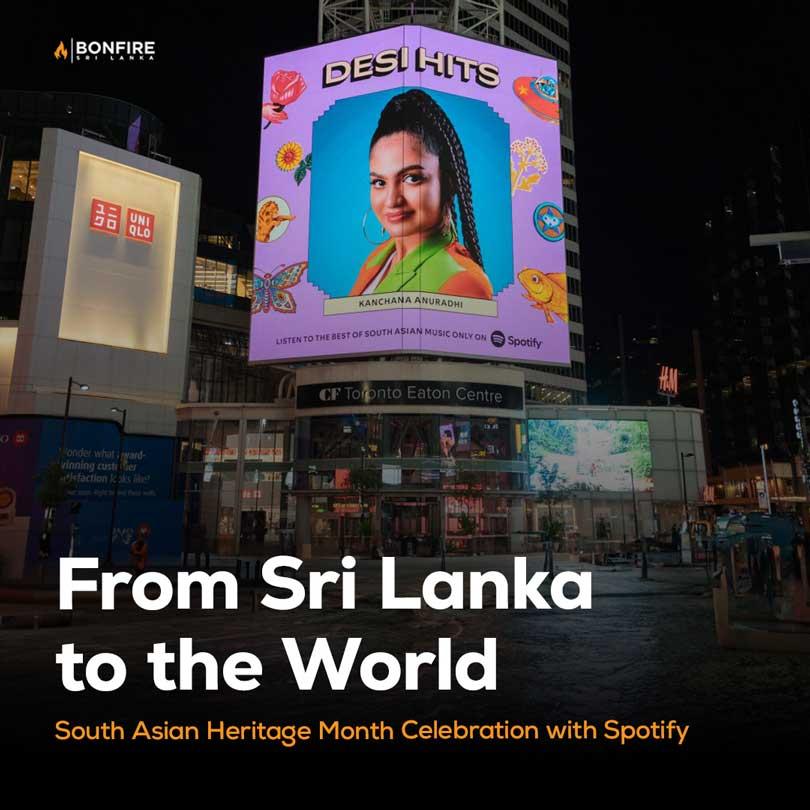

There was a time when making music in Sri Lanka meant accepting certain invisible ceilings. You could build a loyal audience at home. You could trend on local radio. You might even go viral for a week. But beyond that, the pathways thinned. Royalty statements arrived late or not at all. Global platforms felt distant and algorithmic. The business side of music remained opaque, spoken about in half-understood industry terms that rarely translated into stable income.
In recent years, that ceiling has begun to crack.
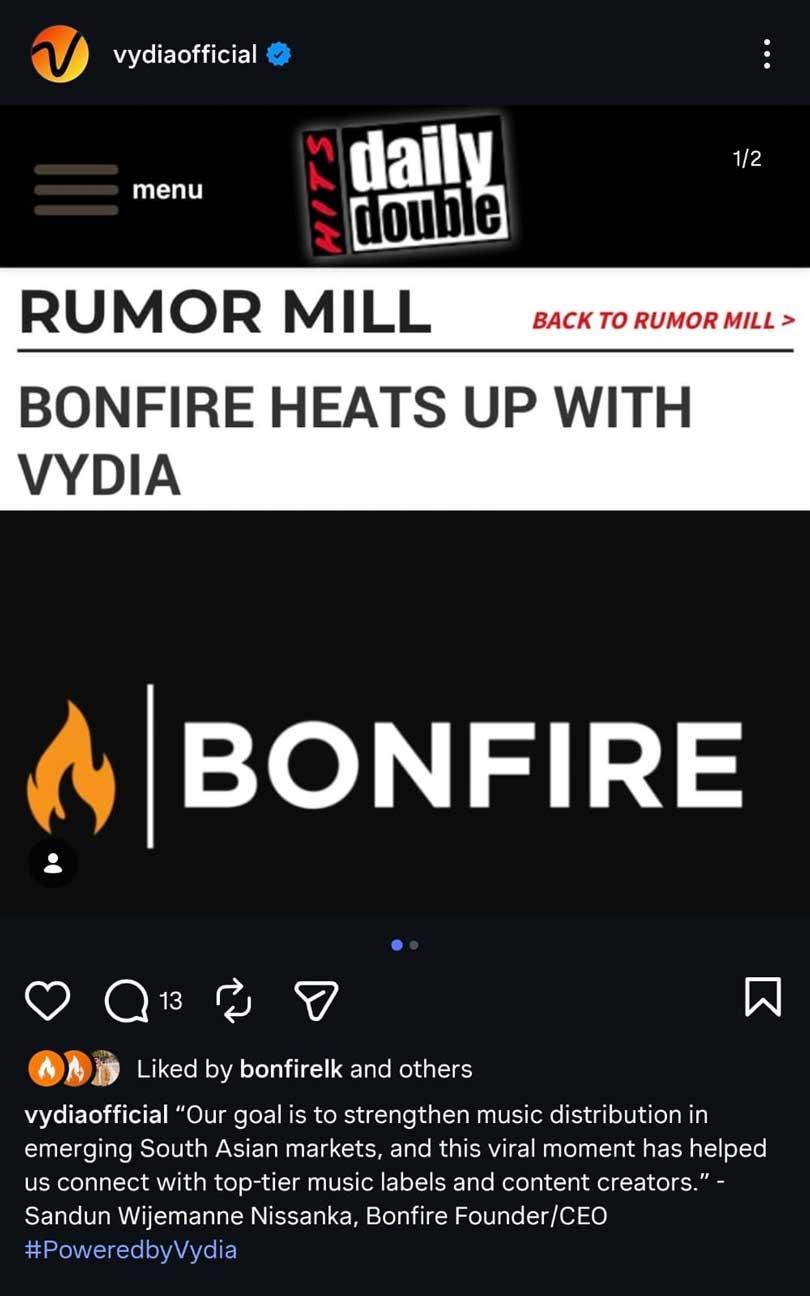
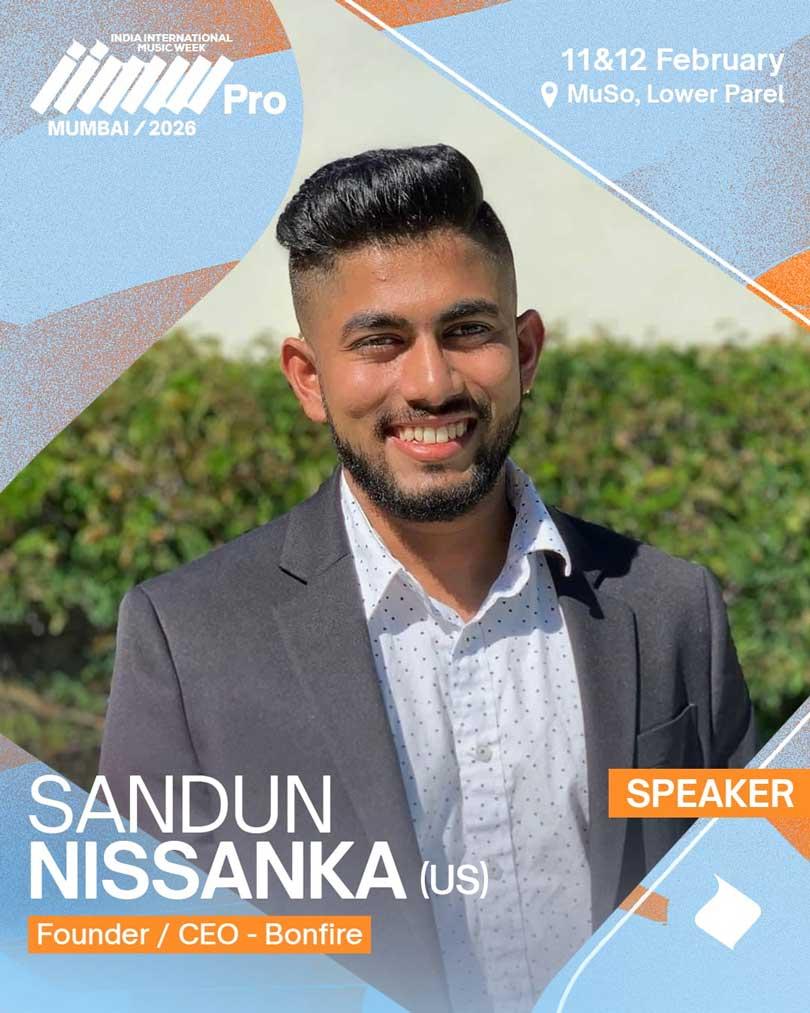
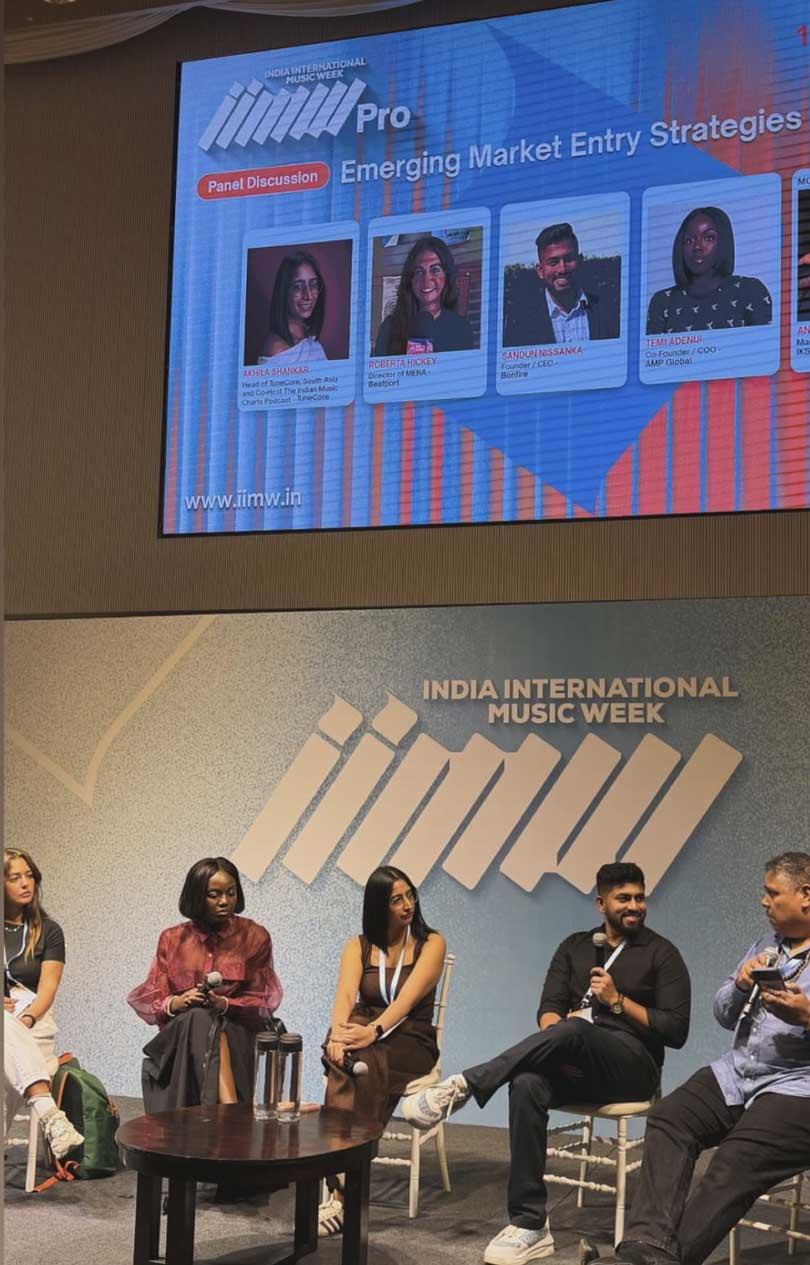
At the center of this shift is Sandun Nissanka, Founder and Group CEO of Bonfire, a music distribution and artist and label services platform that has steadily positioned itself as a structural bridge between South Asian talent and global markets. While much of the global music technology conversation continues to orbit Silicon Valley and European capitals, Bonfire’s story begins closer to home, rooted in Colombo but operating across South and Southeast Asia.
Bonfire describes itself as “distribution reimagined.” The phrase is deliberate. Traditional distribution models in the region often left artists with limited visibility into how their music travelled or how revenue was calculated. Payments were frequently delayed. Statements lacked clarity. Access to international playlisting or sync opportunities required networks that few independent musicians possessed. For artists outside major Western markets, the playing field was rarely level.
There is also a broader cultural implication. For decades, Sri Lanka’s global image has been shaped largely through tourism campaigns and traditional narratives. Contemporary music offers another lens. When artists blend indigenous sounds with modern production and release them into international markets with proper infrastructure behind them, they contribute to a living, evolving cultural export. For young independent artists reading this from Sri Lanka, the message is neither naïve nor cynical. Global success is possible, but it is built through systems, not shortcuts. The mechanics now exist. The bridges are being constructed. The work remains.
That confidence is echoed by the artists themselves. Supun Perera describes Bonfire as “reliable, transparent, and easy to use,” adding that it has been his go-to distributor for years. “Their services have been consistent for me and have always backed me strongly when it comes to distribution, and I can definitely recommend them to any independent artist looking to get their music heard.”
For Yasas Medagedara, the relationship extends beyond logistics. “Working with Bonfire has been a truly valuable partnership throughout my musical journey,” he says. As an artist, composer, and producer, he emphasizes that reaching the right audience across global platforms is just as important as creating the music itself. “Bonfire has made that process seamless and reliable.” He credits the platform’s professionalism, transparency, and consistent support with giving him the peace of mind to focus fully on the creative side of his work.
Thanks to that consistency, his songs continue to grow digitally, building a strong streaming presence that now includes over 230,000 monthly listeners on Spotify. “They have been more than just a distributor,” he notes. “They have been a trusted partner in expanding my music beyond borders.”
Artist Manasick offers a characteristically lyrical endorsement that captures the grind behind the glamour. “Been running with Bonfire for years, that’s loyalty earned. This is not your average distro; they live and breathe the grind. 24/7 never sleep on the vision, bringing plays to the table, turning access into position. Bonfire don’t just distribute they build your route. They know the route.”
In the conversation that follows, Sandun Nissanka reflects on the structural gaps he sought to close, the surprises he has witnessed as South Asian music enters international markets, and the technological shifts that may redefine the relationship between artists, labels, and audiences in the years ahead.
1. To start for our readers who may not be familiar, could you explain what Bonfire is?
Bonfire is a music distribution and artist & label services platform. We put together digital distribution, publishing support, royalty transparency, marketing tools and playlist pitching packaged so an independent artist can release their music to the world, get paid fairly, and build a sustainable career. We’re the infrastructure that lets you own your art and access opportunities globally.
2. Bonfire often describes itself as “distribution reimagined.” In practical terms, what problem in South Asia’s music ecosystem were you most determined to fix when you started Bonfire?
The core problem was structural, talent in this region had the creativity and the catalogs but no reliable bridge to global markets or to real accounting. I wanted to fix three failures at once, fair royalties, limited marketplace access, and distribution practices that kept artists stagnated. Reimagined distribution means building systems that track revenue precisely, unlock metadata, and actively connect releases to the right curators, sync opportunities, and platforms all while respecting local cultural context.
3. Sri Lankan artists have historically struggled with access to global platforms, fair royalties, and visibility. How does Bonfire directly change that reality for artists working out of Sri Lanka today?
We open doors that were closed. Artists in Sri Lanka can now release music to every major DSP (Digital Service Providers), receive timely, line itemed earnings reports, monetize performances and publishing royalties, and get direct support for DSP pitching and sync.
Practically a singer in Sri Lanka can release a single today with proper metadata, get playlisted regionally, and see exact earnings deposited instead of waiting months for a statement. That transparency converts art into a real livelihood.
4. You work with both emerging artists and established names across South and Southeast Asia. What gaps do you see between talent and opportunity in this region, and how is Bonfire positioned to bridge that divide?
The gap is not talent, it’s the lack of infrastructure, rights know how, and networks. We bridge it by combining tech (automated ingestion, rights tracking) with regional teams who understand culture and language. We invest in A&R development, bilingual marketing playbooks, and co release partnerships with local labels. In short, we map talent to channels and then operationalize growth, playlist pitching, sync outreach, cross border collaborations, so talent finds audiences.
5. Bonfire has distributed over 40,000 tracks and served more than 1,400 artists. What has surprised you most about how South Asian music performs once it enters international markets?
Two things first, authenticity travels fast. Niche regional sounds explode when they reach the right curators. Second, the long tail matters a steady stream of music releases generates compounding monthly revenue, often outperforming one off viral hit for sustainable artist income. Audiences globally are hungry for distinct voices, once the discovery mechanics work, the demand is real and durable.
6. For many artists, royalties and rights management remain confusing and opaque. How does Bonfire bring transparency and trust into an industry that has long lacked both?
We treat accounting like engineering granular metadata, per stream attribution, and frequent statements. Artists get clear splits, timestamps, and line items rather than big lump sum payments. We also educate about rights, easy to understand dashboards, and support to register publishing and neighboring rights. Trust is built by predictable, verifiable payments and by teaching artists how to protect and monetize every right they own.
7. Music-tech is often dominated by Western companies. What does it mean to build scalable, homegrown infrastructure from South Asia, and why does regional ownership matter?
It means solving problems with local constraints in mind unreliable broadband, multiple languages, different royalty regimes instead of forcing solutions built for other markets. Regional ownership matters because cultural context drives product decisions. When engineering, legal, and commercial leadership are local, you release features that work for creators here and keep value circulating inside the region rather than exporting it to foreign platforms. But keep in mind, there are components for we are still relying on western companies that in near future we will build our own solutions for those as well. So instead of relying we can offer solutions to western music companies too.
8. From a Sri Lankan perspective, what role can platforms like Bonfire play in shaping the country’s cultural export identity beyond tourism and traditional narratives?
Platforms like ours let Sri Lankan narratives reach the world in their own voice. Music becomes an ambassador; it reframes the country’s cultural identity beyond postcards. By amplifying contemporary artists who blend tradition with modernity, we help create export ready cultural products: entire scenes, not just singles. That builds a sustainable creative economy and a richer international perception of Sri Lanka.
9. If a young independent artist in Sri Lanka is reading this and wondering whether global success is realistic from here, what would you want them to understand about the possibilities Bonfire is trying to unlock?
Global success is entirely realistic but it is work, discipline, and strategy, not luck alone. Focus on great records, metadata discipline, rights registration, and consistent releases. Use platforms to distribute but build your audience through storytelling and community. We’ve seen artists from Sri Lanka land international syncs, playlists, and touring opportunities the mechanics are there, and we’re building the bridges. Trust your craft, learn the business basics, and don’t wait for permission to reach the world. And most importantly trust us to do our job.