DR. SHEHAN JAYASURIYA: BRIDGING TRADITION, EDUCATION, AND IMPACT
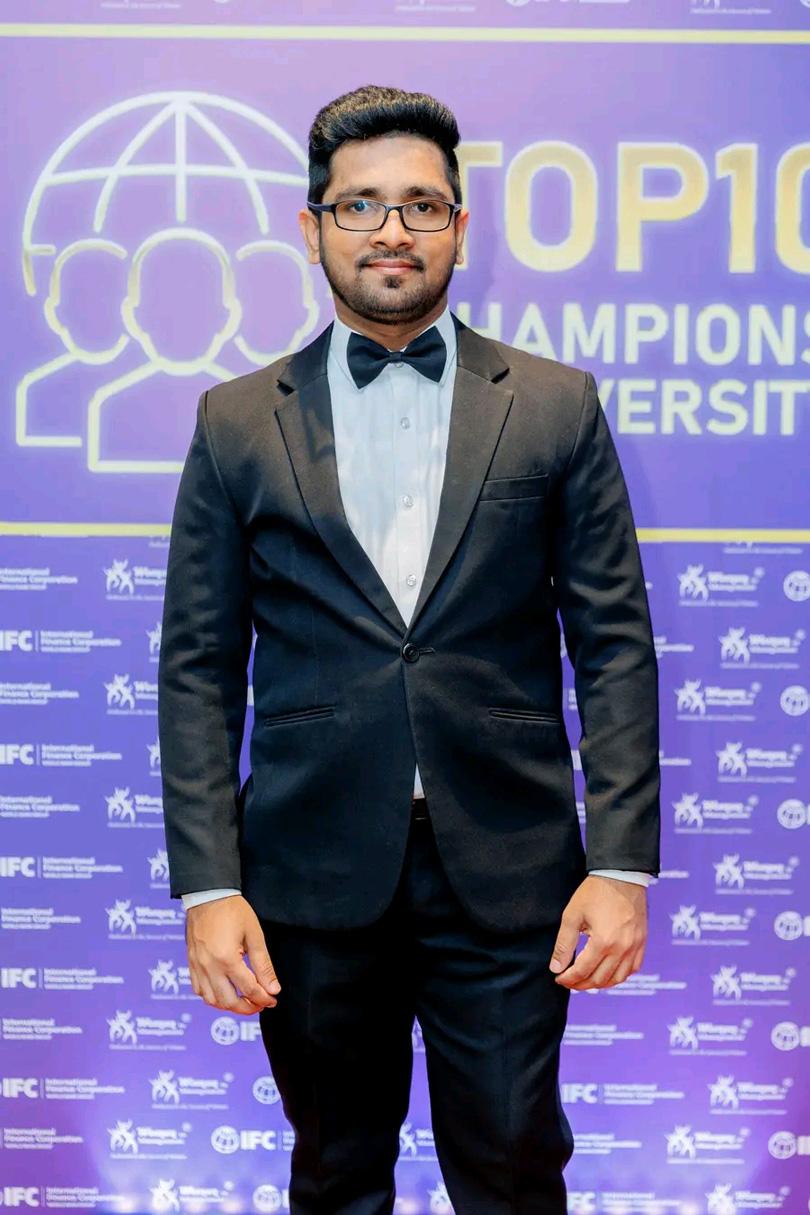
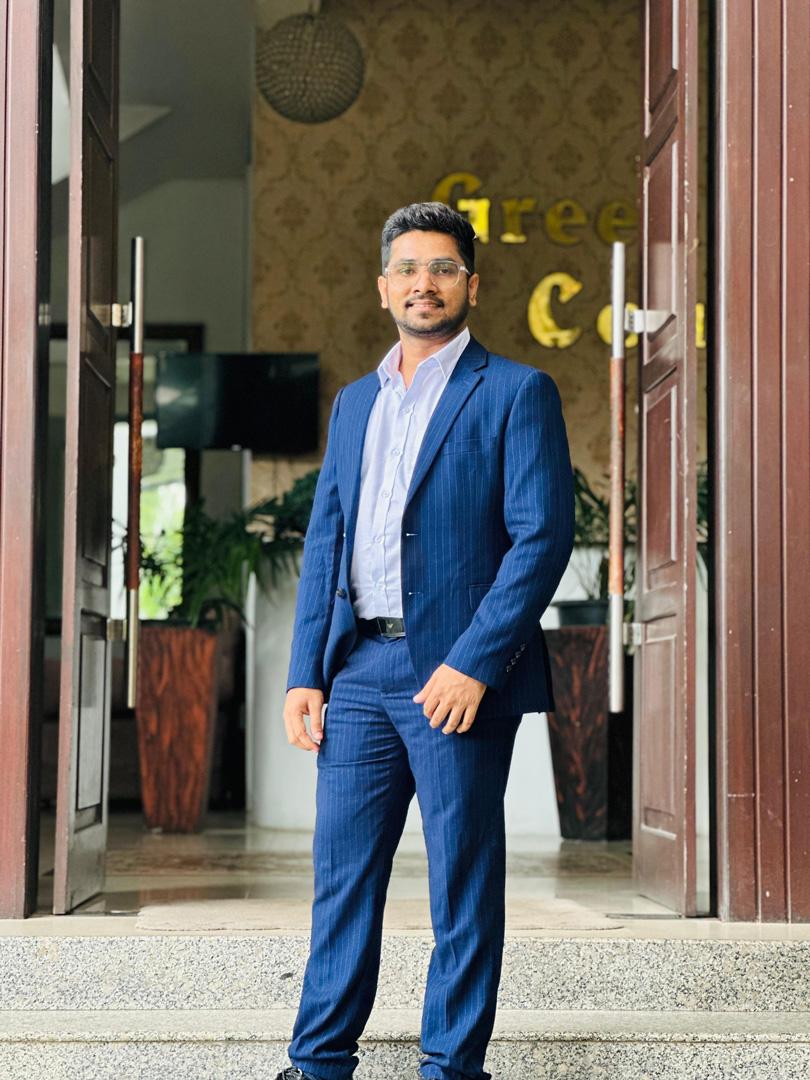
Dr. Shehan Jayasuriya’s journey is defined by resilience, purpose, and a deep belief in the power of education to transform lives. From his early beginnings in Avissawella to pursuing postgraduate studies in Ayurveda in India, his story reflects determination, discipline, and a commitment to service. A doctor, aspiring academic, and youth mentor, he represents a new generation of Sri Lankan professionals who are both rooted in tradition and forward looking in their approach. His work spans clinical practice, leadership, media engagement, and mentoring, all driven by a belief that healthcare must extend beyond treatment into education and community empowerment. In this conversation, he reflects on the milestones that shaped his journey, the role of Ayurveda in modern healthcare, and his vision for making a meaningful impact locally and globally.
You moved from Avissawella to Colombo with a dream. What motivated that decision, and what challenges did you face during that transition?
Moving from Avissawella to Colombo marked a defining turning point in my life. After passing the Grade 5 scholarship examination, I earned the opportunity to study at President’s College, Kotte, an achievement that filled me with both pride and a strong sense of responsibility. I was determined to make the most of it. My motivation came from a deep belief that education is the most powerful tool for transforming one’s life, especially for someone from a middle-class background. My family played a crucial role in this journey. My mother, in particular, has always been my greatest inspiration, while my father, siblings, and extended family supported me throughout. The transition, however, was not easy. Adjusting to a new environment, higher academic expectations, and life away from my village brought both emotional and financial challenges. With the guidance of teachers and support from friends, I gradually adapted, growing stronger and more determined to achieve my dream of becoming a doctor.
From a young age, you aspired to become a lecturer. What inspired this passion for teaching, and how has that dream evolved over time?
From a young age, I was inspired by teachers who went beyond simply delivering lessons. They guided us, encouraged us to think deeply, and helped us understand the value of knowledge. Their dedication left a lasting impression on me and sparked my own interest in teaching. I strongly believe that learning is a lifelong process. From birth to the end of life, we are constantly gaining knowledge and experience. This is especially true in Ayurveda, which is not only a medical system but also a deeply philosophical science. Without proper guidance, it can be difficult for students to fully understand its depth and meaning. I was fortunate to learn under excellent teachers who helped me go beyond textbooks and truly understand the subject. That experience inspired me to become a lecturer so I can provide similar guidance to future generations. Over time, this dream has grown into a broader vision. While I am passionate about becoming a physician, I also want to contribute to my field through teaching and academic development. At present, I am pursuing postgraduate studies, and I remain committed to achieving my goal of becoming a lecturer.
While pursuing your medical studies, you stayed committed to leadership and social impact. How did you balance academics with your wider ambitions?
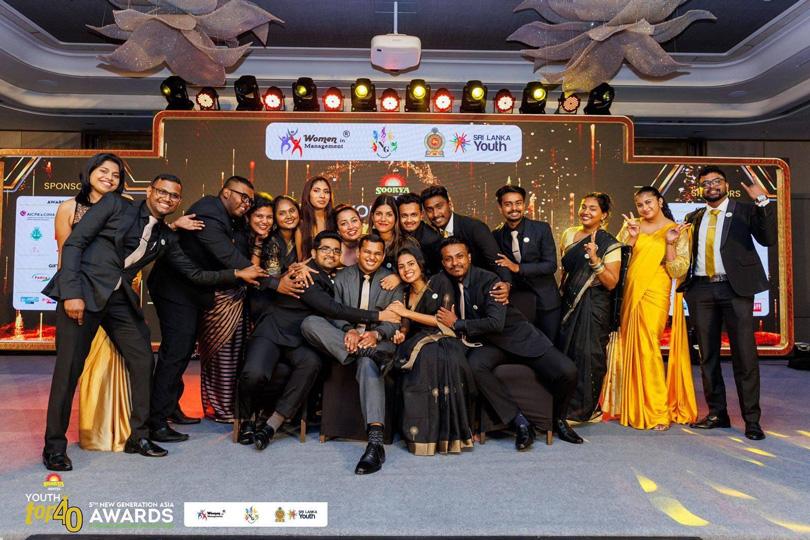
During my third year of medical studies, one of my teachers introduced me to WIM. At that time, I was not very social and preferred to stay within my comfort zone. I had not really challenged myself to step beyond it. Joining WIM became a turning point in my personal development. It provided opportunities to interact with diverse individuals, participate in meaningful activities, and contribute to impactful initiatives. Through this experience, I developed skills such as teamwork, leadership, and communication. Balancing these responsibilities with academic commitments was not easy. It required strong time management and discipline. However, I approached both my studies and extracurricular activities with equal commitment and passion. I did not want to miss opportunities that could help me grow. I believe that academic knowledge alone is not enough to go beyond ordinary limits. These experiences helped me become more confident and well-rounded while still maintaining my focus on medical studies.
What drew you to Ayurveda as a field of medicine, and how do you see its role in modern healthcare?
Ayurveda was not my initial goal during my school years. Like many students, I first aimed to become a western medical doctor and attempted the Advanced Level examination three times. During my first attempt, I was selected to the University of Jaffna for the science faculty, but I decided not to pursue that path. In my second attempt, I was selected to the University of Colombo for Ayurveda, and I chose to accept that opportunity. Looking back, I believe that decision was one of the best I have made. As I progressed in my studies, I developed a deep appreciation for Ayurveda as a holistic system of medicine. Its strong philosophical foundation and focus on long term wellbeing resonated with me. Over time, my perspective evolved further. I realised that regardless of whether we practise Ayurveda or western medicine, the ultimate goal is the same, which is to provide the best possible care for patients. The approaches may differ, but the purpose remains consistent. In today’s complex healthcare systems, Ayurveda has an important role to play, particularly in preventive care, chronic disease management, and promoting balanced lifestyles. It also has strong potential to support community health. I believe it can work alongside modern medicine to create a more comprehensive and integrated approach to patient care.
You have worked closely with media alongside your academic journey. How has media exposure shaped your perspective and influence?
I became involved with media during my time as a demonstrator at my faculty, where I participated in medical discussions and social awareness programmes on television and radio. At first, speaking in front of a camera was quite challenging. However, over time, I developed confidence and learned how to communicate more effectively. So far, I have taken part in more than twenty programmes related to Ayurveda and important social health issues. I have also contributed to newspapers by writing articles whenever I have the time. This exposure has shaped my perspective significantly. It taught me how to present complex medical concepts in a way that is accessible to the general public. It also made me realise that as healthcare professionals, we have a responsibility not only to treat patients but also to educate society. Media has given me a platform to extend my influence beyond clinical settings and contribute to public awareness. I believe this is an essential aspect of modern healthcare.
You are currently pursuing postgraduate studies at the National Institute of Ayurveda. How has this international exposure shaped your outlook?
Pursuing postgraduate studies at the National Institute of Ayurveda in India has been a deeply enriching experience. Since Ayurveda originated in India, studying it there provides a more authentic and comprehensive understanding of the discipline. I feel fortunate to have this opportunity. Being one of the youngest Sri Lankan BAMS graduates to pursue postgraduate studies in India, especially at a highly ranked institution, is something I take great pride in. This international exposure has broadened my outlook in many ways. I have experienced different teaching methods, clinical practices, and perspectives on Ayurveda. I have also interacted with students and professionals from diverse cultural and academic backgrounds, which has improved my adaptability and global perspective. Most importantly, it has helped me understand how Ayurveda can be practised and integrated at a higher level within healthcare systems. This experience has strengthened my goal of contributing as both a clinician and an academic.
Even while studying overseas, you continue to mentor and support youth in Sri Lanka. What drives your commitment to giving back?
I strongly believe that the opportunities I have today are a result of the support and foundation I received from my country. Because of that, I feel a deep responsibility to give back. Even while studying overseas, I make an effort to mentor young students in Sri Lanka by sharing my experiences, guiding them in their academic journeys, and encouraging them to aim higher. I understand the challenges they face because I come from a similar background. What drives me is the satisfaction of seeing others grow. Knowing that my guidance can make a positive difference in someone’s life is very fulfilling. For me, success is not only about personal achievements but also about how much we can uplift others.
What message would you give to young people in Sri Lanka who aspire to make an impact on a larger stage?
My message is simple. Believe in your potential regardless of your background. Where you come from does not define how far you can go. Focus on building a strong foundation through education, but do not limit yourself to academics alone. Step beyond your comfort zone, take risks, and learn from challenges and failures. Growth happens through experience. It is also important to develop your skills, build meaningful connections, and seek opportunities that broaden your perspective. At the same time, stay grounded and remember your roots.
As you grow and achieve success, always think about how you can give back to your community. Be consistent and patient. Success does not happen overnight, but with dedication and the right mindset, it is achievable.
What is your long-term vision for yourself, your profession, and the communities you hope to serve?
My long-term vision is to become a well-rounded professional who contributes to healthcare not only as a clinician but also as an academic and mentor. Personally, I aim to continuously develop my knowledge and skills in Ayurveda through clinical practice, research, and teaching. I want to become a lecturer and play a role in shaping future generations of medical professionals. In terms of my profession, I hope to strengthen the role of Ayurveda in modern healthcare, particularly in preventive care, chronic disease management, and community health. I also want to encourage a more integrated approach between different medical systems. For the communities I serve, my goal is to make healthcare knowledge more accessible and understandable. Through clinical work, education, and media engagement, I hope to empower people to take better care of their health. Ultimately, my vision is not just about personal success, but about creating a meaningful impact by combining healthcare, education, and social responsibility.