The Je ne sais quoi of French
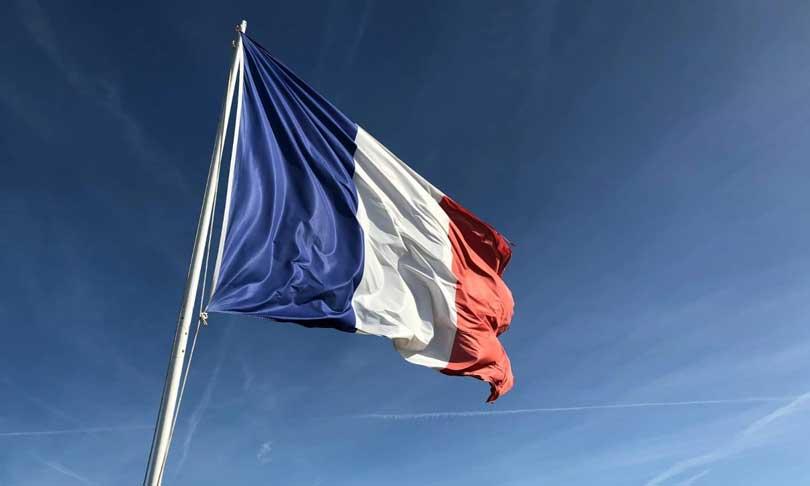
Somewhere in the world, someone is whispering “je t’aime,” and even if you don’t understand French, you somehow understand the feeling. There is something about the language that feels softer, slower, more intimate. It lingers. It flows. It almost feels like it was designed to be romantic. But here’s the question people rarely ask, why?
Why is French, out of all the languages in the world, so closely tied to romance? Why does it carry this almost universal reputation as the language of love? Is it the way it sounds, the culture behind it, or something deeper that we’ve collectively absorbed without realizing? The answer is not just one thing. It is a mix of history, sound, culture, and perception, all layered over time until French didn’t just become a language, but a feeling. To begin with, French simply sounds different.
Linguistically, French is often described as a “soft” language. Unlike languages that rely heavily on sharp consonants or abrupt stops, French flows. Words connect into each other through a feature called liaison, where the end of one word blends into the beginning of the next. Instead of sounding like separate units, sentences feel continuous, almost like a melody.
Then there is also the rhythm. French is syllable-timed, meaning each syllable is given roughly equal emphasis. This creates a steady, almost musical cadence. It is less punchy and more fluid, which makes it feel smoother to the ear.
And then there is the way sounds are formed. Many French sounds are produced further back in the mouth, particularly the famous “r,” which is softer and breathier than in English. Vowels are often rounded, lips slightly pursed, giving the language a natural softness. Even when you don’t understand the words, the tone feels gentle, almost intimate.

But sound alone does not make a language romantic. If that were the case, other languages with similar fluidity would carry the same reputation. The real story goes deeper, into history. For centuries, France has been at the center of art, literature, and culture. Paris, in particular, has long been associated with romance. The image is almost cinematic, quiet cafés, evening lights reflecting on the Seine, artists, poets, lovers walking through narrow streets. This image was not accidental. It was built over time through literature, cinema, and global influence.
French literature played a major role in shaping this perception. Writers and poets explored love in ways that felt expressive and emotional, often focusing on passion, longing, and complexity. Love was not treated as simple or straightforward, it was something to be felt deeply, spoken beautifully, and sometimes suffered for. And people noticed. As French culture spread, so did its language, not just as a means of communication, but as a symbol of sophistication. For a long time, French was the language of diplomacy, of the elite, of intellectual circles across Europe. To speak French was to be cultured, educated, refined. And somehow, romance became part of that identity.
Cinema added another layer. French films often portrayed love in a way that felt more real and less idealized than typical portrayals. Relationships were messy, emotional, complicated, and that made them feel authentic. The language became tied to those emotions, reinforcing the idea that French was not just spoken, but felt. But perhaps the most surprising reason lies not in the language itself, but in how we hear it.
For many people, French is unfamiliar. And unfamiliarity can make something seem more beautiful. When you don’t understand every word, you focus more on how it sounds rather than what it means. The brain fills in the gaps, often idealizing what it cannot fully grasp. In other words, part of French’s romantic reputation comes from mystery.
A sentence in your native language might sound ordinary because you understand it completely. But the same sentence in French feels different, softer, more poetic, because it is slightly out of reach. This creates an illusion, but not an empty one. It enhances what is already there. There is also the way French expresses affection. Simple phrases can feel more intentional. “Je t’aime” is direct, yet soft. It does not carry the same casual tone that “I love you” sometimes does in English. There is a certain weight to it, a sense that it is not said lightly.
Even beyond romantic love, the language carries a kind of elegance in everyday speech. Compliments, greetings, even casual conversations often sound more deliberate, more composed. But it is important to question this idea too. Is French inherently more romantic, or have we been taught to see it that way? Because every language has its own way of expressing love. Every culture has its own words, its own rhythms, its own emotional depth. What sounds romantic to one person might sound ordinary to another.
A native French speaker, for example, might not hear anything particularly romantic in their language. To them, it is just how they communicate, how they argue, joke, complain, and live. The magic we hear is not always the magic they feel. And that shifts the perspective. Perhaps French is not the “most romantic” language in an absolute sense. Perhaps it is simply the language that has been most successfully associated with romance. That does not make it less beautiful. If anything, it makes it more interesting.
Because what we are really responding to is not just sound or structure, but everything that surrounds it, history, imagery, emotion, and perception. French carries centuries of artistic expression, cultural storytelling, and global fascination. It has been framed, again and again, as the language of love. And over time, we believed it. Still, there is something undeniably special about the way it feels. Maybe it is the softness of the sounds. Maybe it is the imagery of Paris at night. Maybe it is the way the words seem to linger just a second longer than expected. Or maybe it is something simpler. Maybe we associate French with romance because it reminds us to slow down. To speak with intention. To feel words rather than rush through them. In a world that often moves too fast, that alone can feel romantic. So, the next time you hear French, whether it is a song, a conversation, or a simple “je t’aime,” it is worth remembering that what you are hearing is not just a language. It is a story. A story shaped by sound, culture, and perception, one that has convinced the world, quite successfully, that love, somehow, sounds a little bit like French.