International Women’s Day: Celebrating Equality in a World Where It Remains a Distant Dream
Every year on the 8th of March the world celebrates International Women’s Day. Governments release statements. Corporations post slogans about empowerment. Social media fills with tributes to strong women. Yet beyond the flowers, hashtags and panel discussions lies a brutal truth. For hundreds of millions of women and girls, equality is not a lived reality but a distant promise. The numbers alone are staggering. According to the World Health Organization and United Nations data, nearly one in three women worldwide, an estimated 840 million, have experienced physical or sexual violence at least once in their lives. In the past year alone, 316 million women were subjected to violence by an intimate partner. Progress has been painfully slow, declining by just 0.2 percent annually over the last two decades. Violence against women remains one of the most widespread human rights violations on earth. It cuts across continents, cultures, religions and income levels. From affluent capitals to rural villages, women face a spectrum of threats simply because they are women.
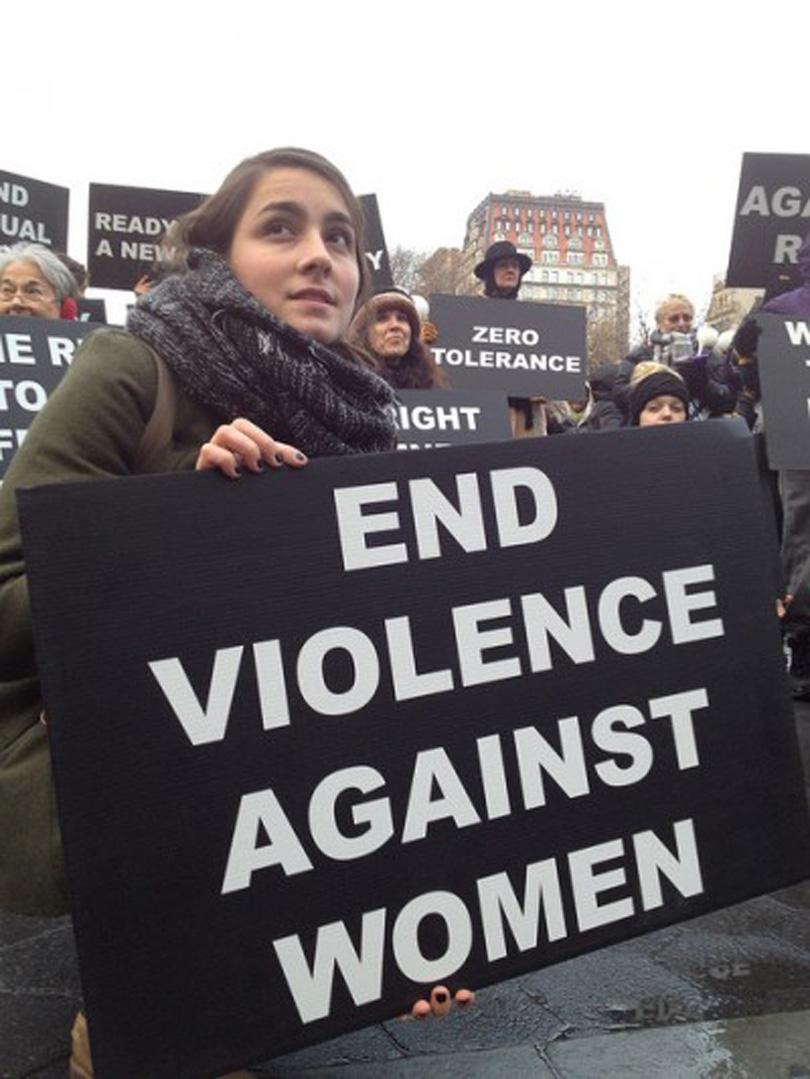
One of the most horrifying realities is femicide. In 2024, about 50,000 women and girls around the world were killed by intimate partners or family members. That is 137 women every day, or one woman murdered every ten minutes. These deaths are not random acts of violence. They are often the final chapter of abuse, control and misogyny. Even in societies that consider themselves progressive, the crisis persists. Across the European Union, a survey found that 30.7% of women have experienced physical or sexual violence in their lifetime. Most never report it to authorities, citing fear, shame or distrust in the system. The United Kingdom is not immune. Police receive a domestic abuse related call every minute, and two women are killed each week by a partner or former partner in England and Wales. Across the Atlantic, in the United States, one in five women has experienced rape or attempted rape during her lifetime. Yet statistics alone cannot capture the scale of the trauma or the stories that shake nations.
In December 2012, the world was horrified by the gang rape and murder of a 23-year-old physiotherapy student in Delhi, known globally as the Nirbhaya case. She was assaulted by six men on a moving bus and left to die after suffering catastrophic injuries. The brutality sparked nationwide protests in India and forced sweeping reforms in rape laws. Yet more than a decade later, sexual violence remains endemic in the country. In Iran, the death of Mahsa Amini in 2022 ignited global outrage. The 22-year-old Kurdish woman died in police custody after being arrested by the morality police for allegedly wearing her hijab improperly. Her death triggered mass protests led by women who cut their hair in defiance and demanded basic freedoms. The movement became a symbol of resistance against state enforced control over women’s bodies.
In Afghanistan today, millions of girls have been banned from secondary education and universities. Women are barred from many forms of employment and public life. It represents one of the most sweeping rollbacks of women’s rights in modern history.
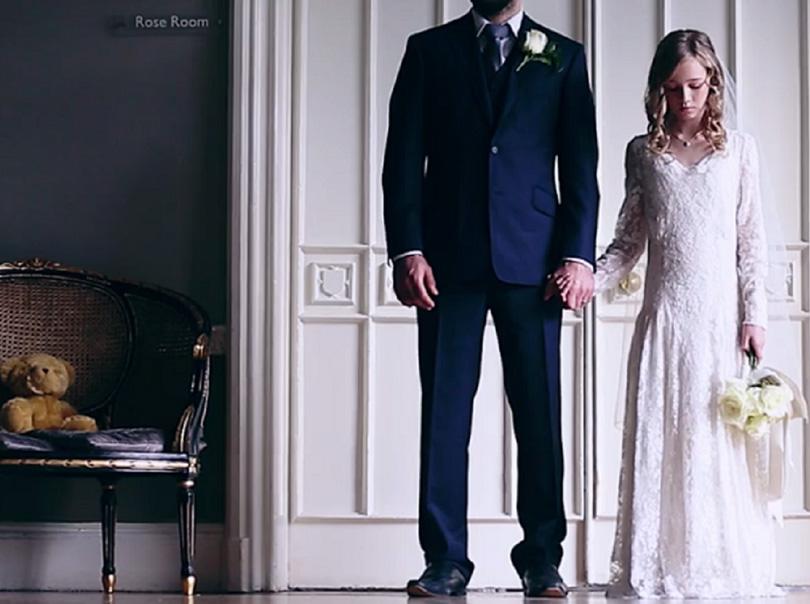
In many parts of the world, violence against women begins long before adulthood. Female genital mutilation remains a brutal practice affecting girls across Africa, the Middle East and parts of Asia. Globally, more than 200 million women and girls are believed to have undergone the procedure, which often causes lifelong physical and psychological harm. A girl somewhere in the world is estimated to die from complications linked to the practice every twelve minutes. Child marriage remains another global crisis. Every year millions of girls are forced into marriage before the age of eighteen, cutting short their education and exposing them to early pregnancy and domestic abuse.
Honour killings continue to claim thousands of lives annually. The United Nations estimates around 5,000 women are murdered each year by family members who claim the victim brought shame upon them. These crimes occur in societies where patriarchal notions of control over female behaviour remain deeply entrenched.
Even war zones have become theatres of gender-based violence. A United Nations report found that conflict related sexual violence increased by 25% in recent years, with thousands of documented cases across countries such as the Democratic Republic of Congo, Haiti and South Sudan. Many victims are girls and women subjected to rape, sexual slavery and forced marriage as weapons of war. Sexual violence is used deliberately to terrorise communities, displace populations and destroy families. The crisis extends into the digital age as well. Female journalists, activists and public figures face a growing wave of online abuse, threats and harassment. A recent global survey across 119 countries found that more than two thirds of female journalists had experienced online violence, and over 40% reported real world attacks linked to digital harassment. Technology has created new spaces for misogyny to flourish.
Perhaps the most chilling reality is that most violence against women occurs in private spaces, behind closed doors. Intimate partner violence remains the most common form of abuse globally. According to international estimates, around 30% of women who have been in a relationship have experienced physical or sexual violence from a partner. The perpetrators are often husbands, boyfriends, fathers or relatives. In many cases, the abuse is never reported. Cultural stigma, economic dependence, fear of retaliation and weak legal systems silence victims. Survivors often face social blame rather than justice. In some countries, marital rape is still not recognised as a crime. In others, victims must prove resistance or produce witnesses to prosecute rape. Legal frameworks that fail women perpetuate cycles of violence. Economic inequality also compounds vulnerability. Women are more likely to be trapped in abusive relationships when they lack financial independence. In conflict zones and refugee camps, the risks multiply as women face exploitation and trafficking.
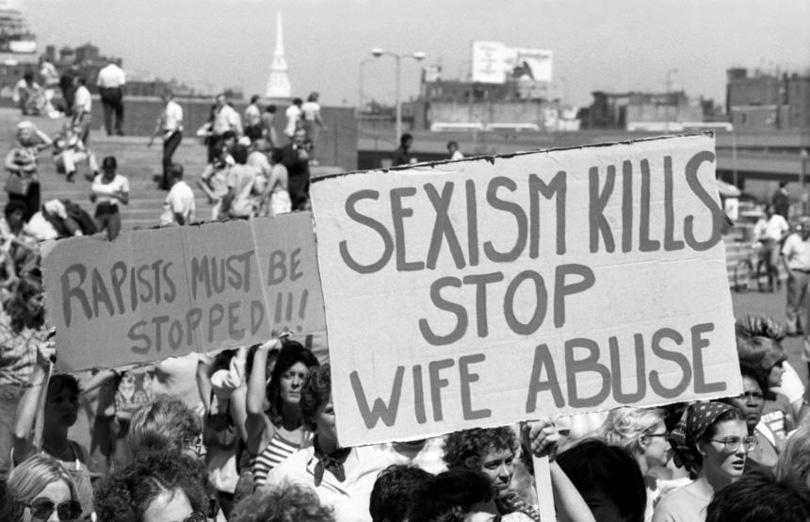
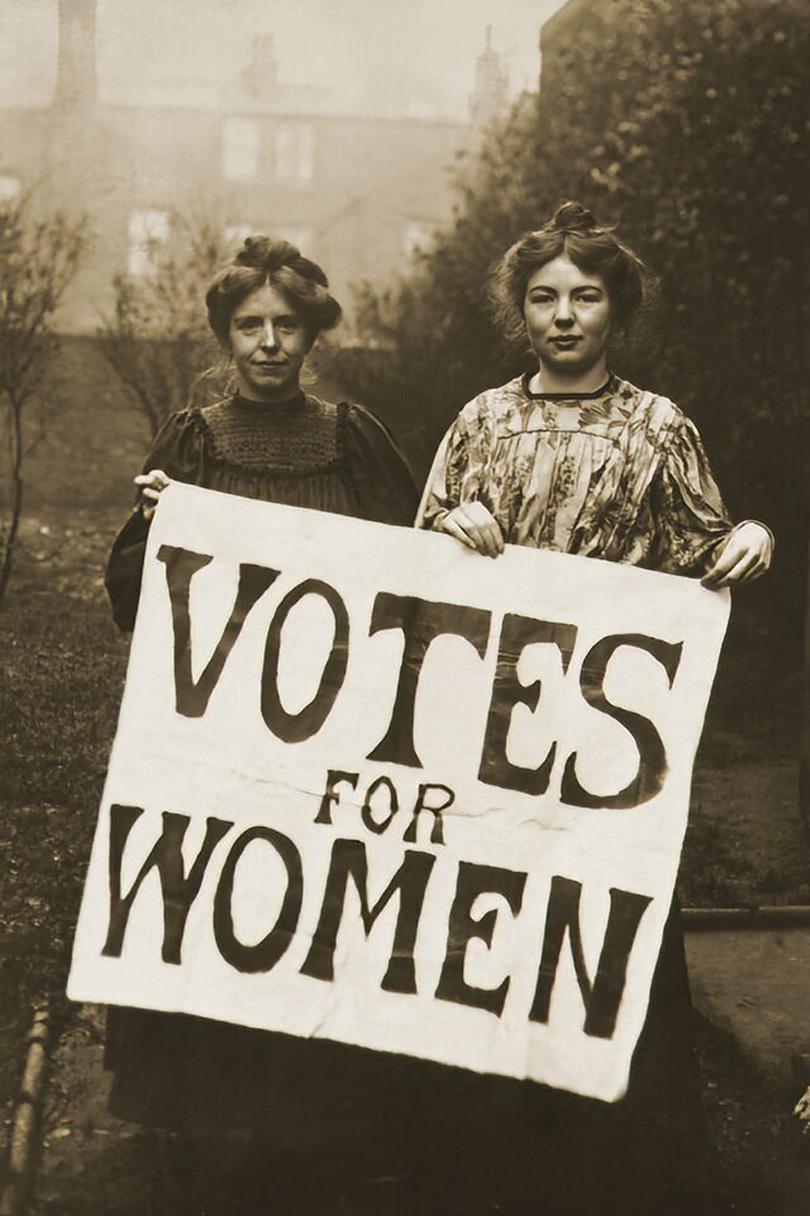
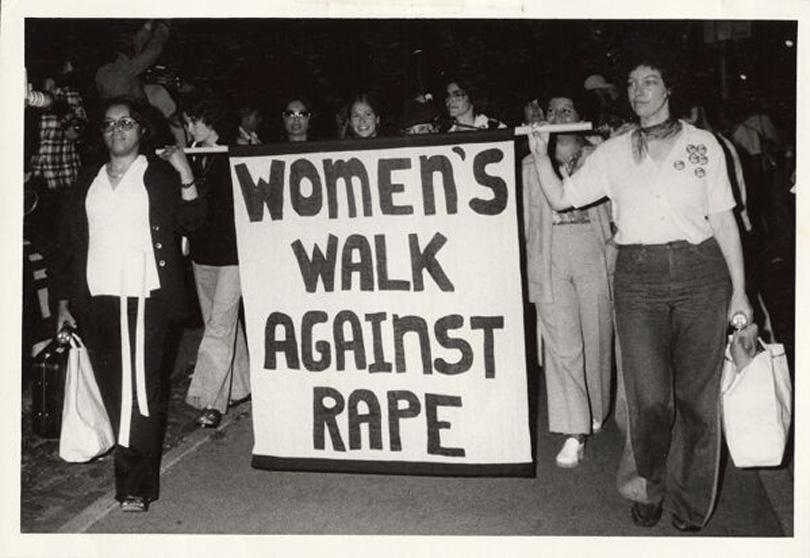
Despite decades of activism and international conventions, gender equality remains elusive. The World Economic Forum estimates that at the current pace, it could take more than a century to close the global gender gap. The contradiction is striking. Humanity has sent probes to Mars and mapped the human genome, yet millions of women cannot walk home safely at night. International Women’s Day was originally born out of protest. In the early twentieth century, women marched for the right to vote, to work and to live with dignity. Over time, the day evolved into a celebration of achievements. But perhaps it should also remain a moment of uncomfortable reflection. Celebrating women’s achievements is important. Women have broken barriers in politics, science, sports and business. Yet the celebration rings hollow if the basic right to safety is still denied to so many. The question therefore remains: what exactly are we celebrating?
- A world where one woman is murdered every ten minutes.
- A world where one in three women experiences violence.
- A world where girls are cut, married off, silenced or killed in the name of culture, religion or honour.
International Women’s Day should not only be about inspirational speeches or corporate campaigns. It should be a global reminder that equality is not merely about representation in boardrooms or parliaments. It is about the fundamental right of women and girls to live without fear. Until that becomes reality, the celebration remains incomplete. The flowers can wait. The fight for safety, dignity and justice cannot.