The Hierarchy of Heartbreak and the Invisible Woman A Reflection on Selective Empathy
Marian de Silva
“Punch: The Baby Monkey” has invaded my Instagram feed shortly after Penguin, who chose himself over the ordinary, and I have been seeing daily updates, memes and reactions from many warm-hearted people empathising with these two. As an animal enthusiast by default, I was also very mad and disappointed, and had many questions like, “Why can’t other monkeys accept the baby when his own mum abandoned him?” Until one day I realised the same scenario keeps happening within the human society that we dwell in, but we barely pay attention to it. Anyhow, how can we expect a bunch of monkeys to protect each other when humans, the most intelligent animal on Earth, keep failing at it every single second on this planet. And while we focus on Afghan women, let us also remember children and people fighting every day in Gaza, Ukraine, Sudan, Myanmar, Mexico, Syria, Yemen and many other unnoticed struggles around the world.
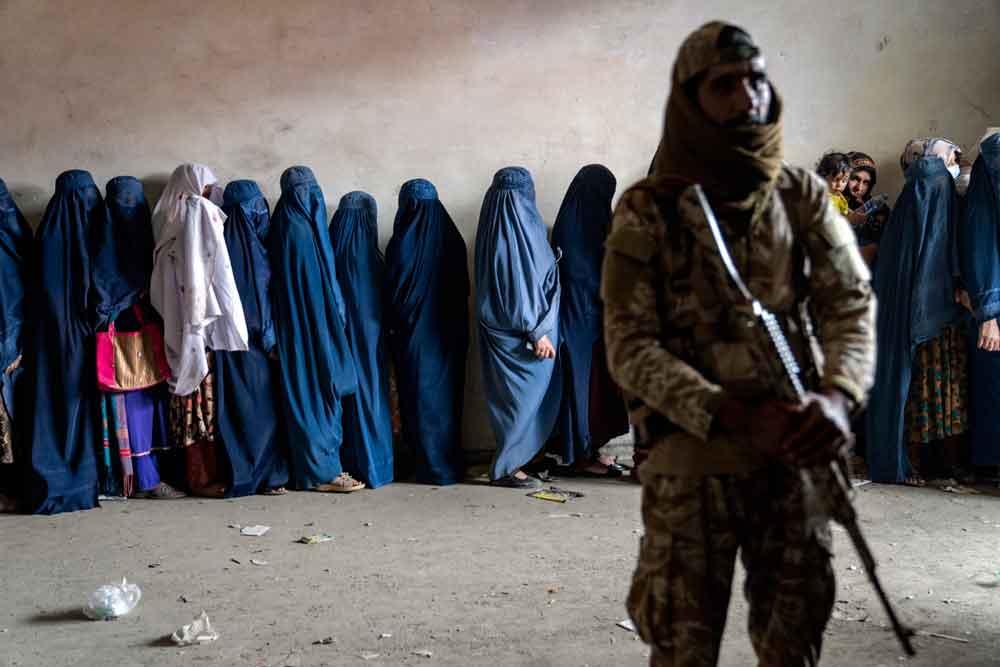
A few days back, to the credit of the UK based, Afghan run human rights organisation Rawadari that exposed this horrendous act, I was devastated after going through the latest 119 article decree, a new comprehensive Penal Code or Criminal Procedure Regulation for Courts signed by the Taliban supreme leader, Hibatullah Akhundzada, in January 2026. The document consists of 10 chapters and 119 articles that are highly contradictory to international human rights standards, exploiting basic human empathy and kindness. This controversial charter, implemented by a bunch of patriarchal, obsessed, sick and inhumane individuals, has been approved by the Taliban’s own judicial institutions with immediate effect. In short, they have legalised domestic violence against women. This act is a complete violation of human dignity, freedom of expression, the principle of equality and innocence, particularly for minor ethnic and religious groups with no access to a lawyer or a fair trial.
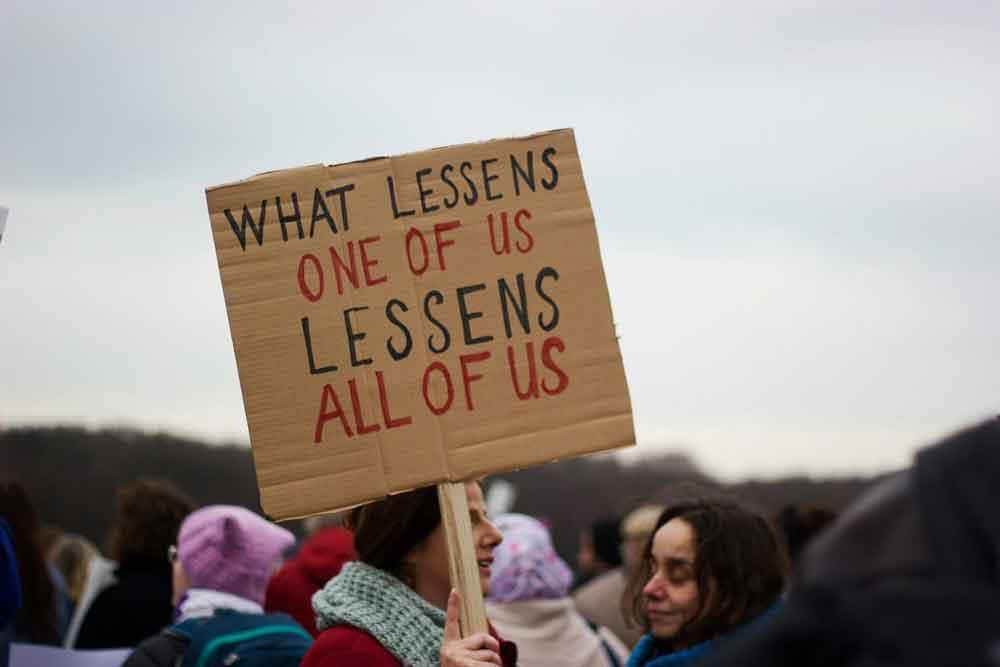
Key provisions of the 119-article decree in 2026
- Article 4(5) states that the enforcement of hadd punishments pertains to the Imam, but tazeer punishments may also be carried out by the husband and the master. This explicitly authorises tazeer punishment by a husband and a master. Unlike hadd punishments, which are fixed and mandatory, tazeer punishments are not clearly defined anywhere and are left to the discretion of a judge or ruler.
- Article 9 stratifies tazeer punishment based on social status. For ulema and first-degree people, tazeer takes the form of warnings and awareness raising. For elites such as tribal elders and merchants, it involves formal warnings and summons to court. For the middle class, it includes summons and imprisonment. For the lower class, it involves threats and beating, with lashes permitted up to a maximum number, including thirty-nine lashes, with instructions not to strike a single part of the body repeatedly.
- Article 15 states that whether the offender is free or enslaved, male or female, Muslim or non-Muslim, adult or child, if a crime has no prescribed hadd punishment, the offender shall be subjected to tazeer. This provision compounds the problem by recognising individuals as free or enslaved, treating enslavement as a lawful status within the criminal justice system. Any legal acknowledgement of slavery is unlawful under international human rights law and violates norms reflected in the UDHR, ICCPR and the Slavery Convention.
- Article 32 restricts criminal liability to instances where a husband beats a woman with a stick and the act results in severe injury such as a wound or bodily bruising. Even in such cases, women bear the burden of proof before a judge, and the resulting penalty is fifteen days’ imprisonment. This penal code does not explicitly prohibit other forms of physical violence, psychological violence or sexual violence against women.
- Article 34 stipulates that if a woman repeatedly visits her father or other relatives without her husband’s consent, or refuses to return upon his demand, she is liable for a three-month prison sentence. This legal liability extends to any family members who facilitated her stay or prevented her return, criminalising the act of providing refuge to a female relative. For women who flee domestic violence, this provision strips away the only remaining protection in the absence of formal legal remedies.
- Article 58 allows a judge to sentence a female apostate to life imprisonment to compel her return to Islam, including ten lashes every three days.
- Article 59 states that dancers, male or female, and their audiences are criminals, punishable by two months in prison each.
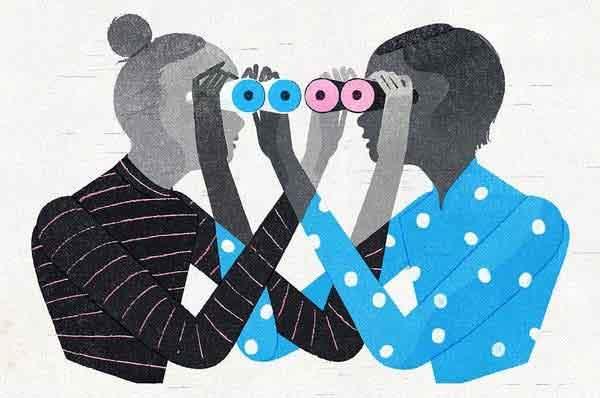
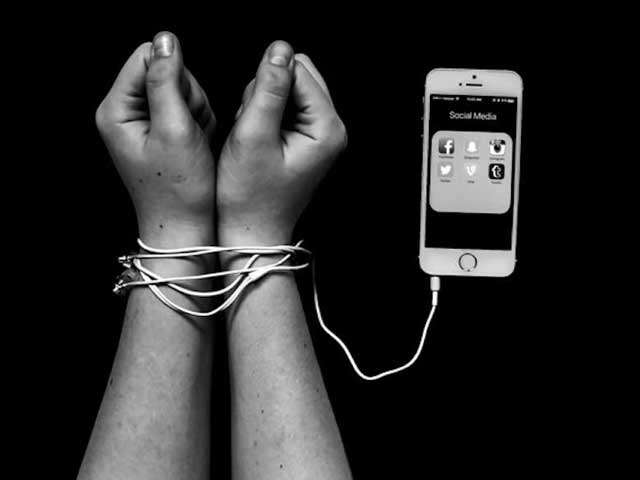
And yet. Where are the viral reels for this. Where are the crying and broken heart emojis. Where are the story reposts with “This broke my heart” in aesthetic fonts. We gasp when a baby monkey gets rejected by its own kind. We write paragraphs. We demand accountability from monkeys. But when a woman, a literal human being, is legally allowed to be beaten by her own husband unless she can prove visible bruises, suddenly the timeline goes silent. All of a sudden, empathy becomes selective. We scroll. This is not about diminishing animal cruelty. Empathy is not a limited resource. You can cry for a monkey and rage for a woman. You can advocate for wildlife conservation and scream against legalised domestic violence. These are not mutually exclusive emotions.
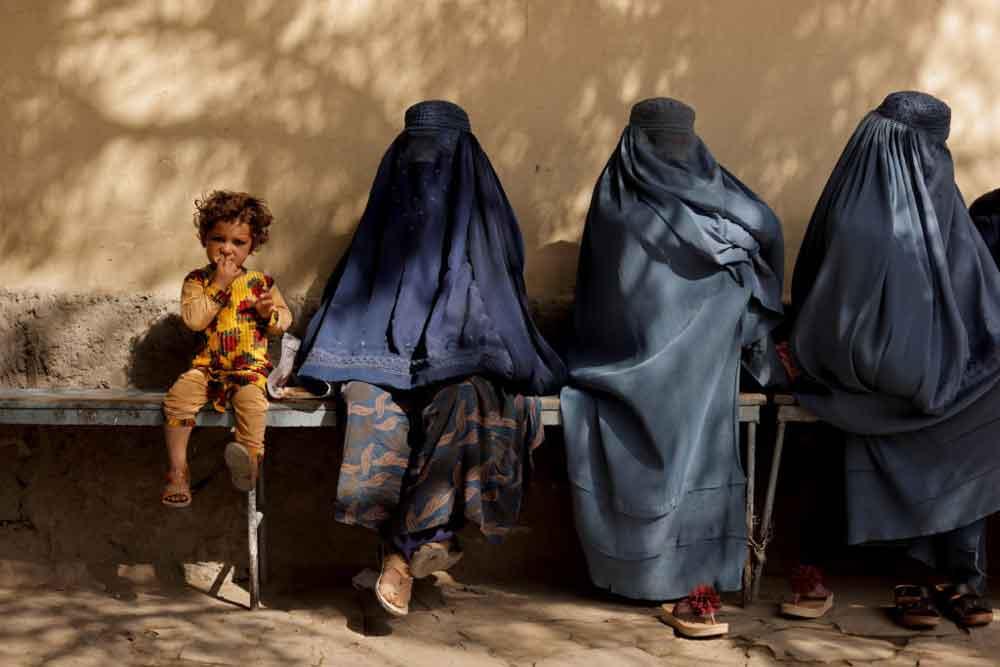
But the disproportion is what unsettles me. Why is it easier to empathise with a baby animal than with a woman in Afghanistan who could be lashed every three days for her beliefs. Why does a cartoonish thumbnail trigger collective outrage, but a 119-article decree barely scratches our algorithmic conscience.
- Is it because the monkey story is digestible.
- Is it because human suffering is too political.
- Or is it because somewhere deep down, we have normalised human pain.
Selective empathy thrives on convenience. It feeds on what is visually appealing, what is short enough to fit into a reel, what does not require us to confront power structures, religion, patriarchy and geopolitics.
- A baby monkey abandoned by its mother. That is tragic.
- A woman imprisoned for visiting her parents. That is complicated.
And we, the most intelligent species on Earth, often choose safe over necessary. Let us be honest. Human rights violations demand more from us than a sad emoji. They demand uncomfortable conversations. They demand that we question regimes, ideologies and sometimes even our own cultural relativism. They demand that we admit not all traditions deserve respect when they crush dignity.
The decree’s stratification of punishment based on social class under Article 9 is not just unjust. It institutionalises inequality. The elite receive warnings. The lower class receives lashes. This is not justice. This is hierarchy codified. This is a system that measures a human being’s worth by their social rank. And where is the outrage.
- Article 32’s burden of proof on women is a masterclass in gaslighting disguised as legislation. Prove he beat you. Prove it was severe. Prove it in front of a judge. Meanwhile, psychological abuse, marital rape, coercion and isolation are conveniently omitted. When the law itself shrugs at violence, society follows.
- Article 34 criminalises refuge. Imagine running from abuse and your safe haven becomes a crime scene. Your father, your brother, your mother become accomplices. Safety becomes illegal. Shelter becomes rebellion.
We scream “Protect women” on International Women’s Day. We post purple graphics. We quote feminism in captions. But when a state apparatus formalises oppression in black and white legal text, our collective energy evaporates. Selective empathy is comfortable because it does not threaten our stability. It does not force us to examine our complicity in silence. It does not disrupt our curated feeds. But real empathy is not aesthetic. It is not algorithm friendly. It is messy, political and raw. It forces us to care even when it is inconvenient. When we cry for the monkey but ignore the woman, we are not more compassionate. We are selective. And selective empathy is dangerous. Because today it is Afghan women. Tomorrow it could be any minority, any dissenter, any inconvenient voice. The normalisation of one injustice builds the blueprint for the next.
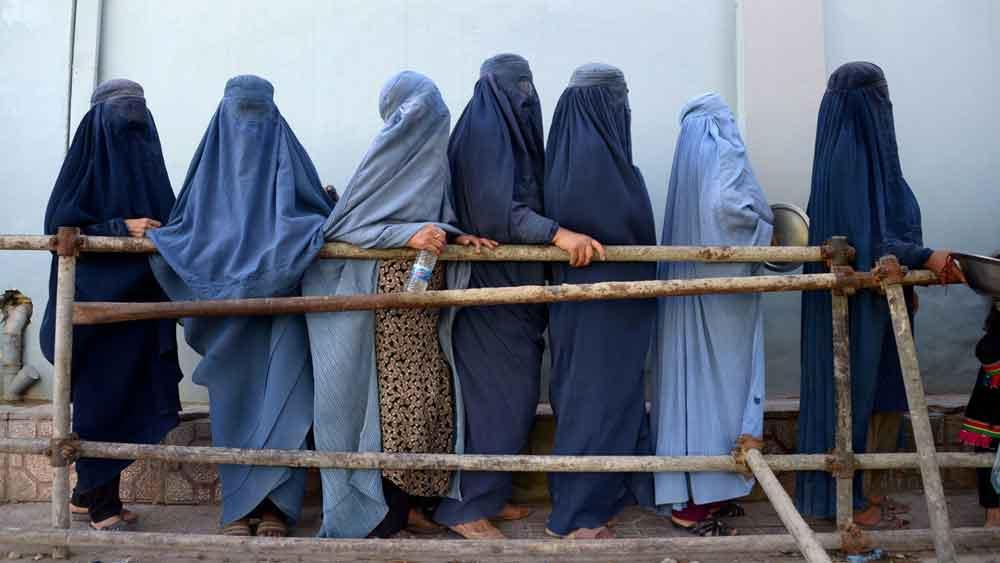
We cannot claim to be morally evolved while picking and choosing whose suffering deserves amplification. Empathy that only activates for viral content is not empathy. It is performance. The same species that debates whether monkeys should protect their young is the species that drafts decrees permitting husbands to discipline wives. Let that irony sink in. Maybe the monkeys are not the ones failing each other. Maybe we are.
Empathy should not be a trend. It should not require a cute face or a shareable clip. It should extend to the woman whose bruises are dismissed, to the dancer criminalised for art, to the apostate imprisoned for belief, to the lower-class man whipped because his status makes him disposable. If we truly believe humans are the most intelligent beings on this planet, then our empathy should reflect that intelligence. It should be consistent. It should be courageous. Because what is the point of evolving cognitively if our compassion remains primitive.
So yes, I will continue to care about every animal. I will continue to question why a mother abandons her child in the wild. But I will also question why societies abandon their women in plain sight. And maybe, just maybe, the next time our feeds explode with outrage over an animal’s suffering, we can ask ourselves who else is suffering quietly, legally and structurally without a viral hashtag. Until our empathy stops being selective, we are not as advanced as we think we are.