The Living Rainbow Beneath the Ocean
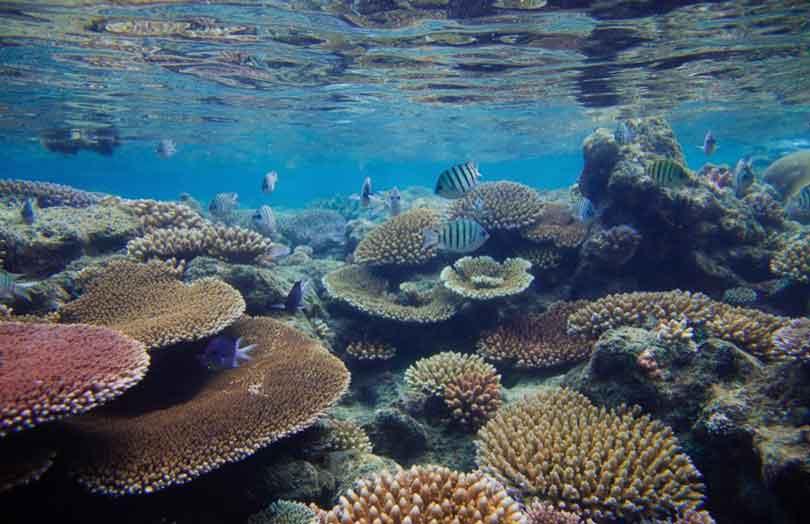
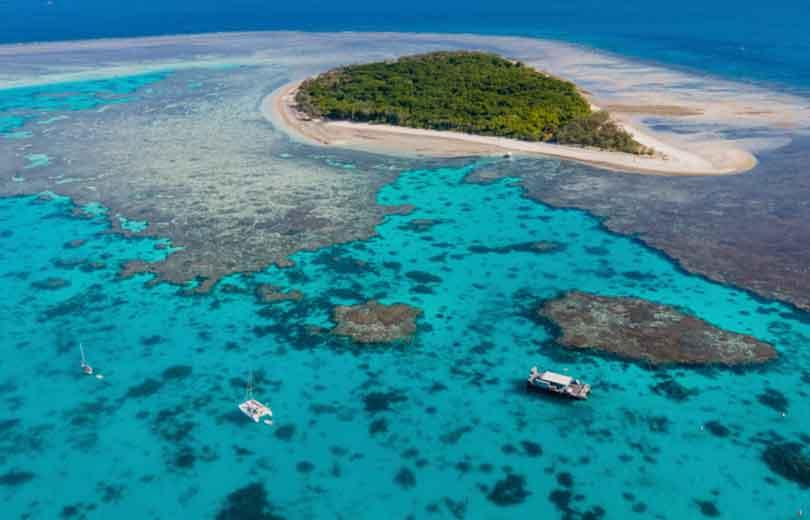
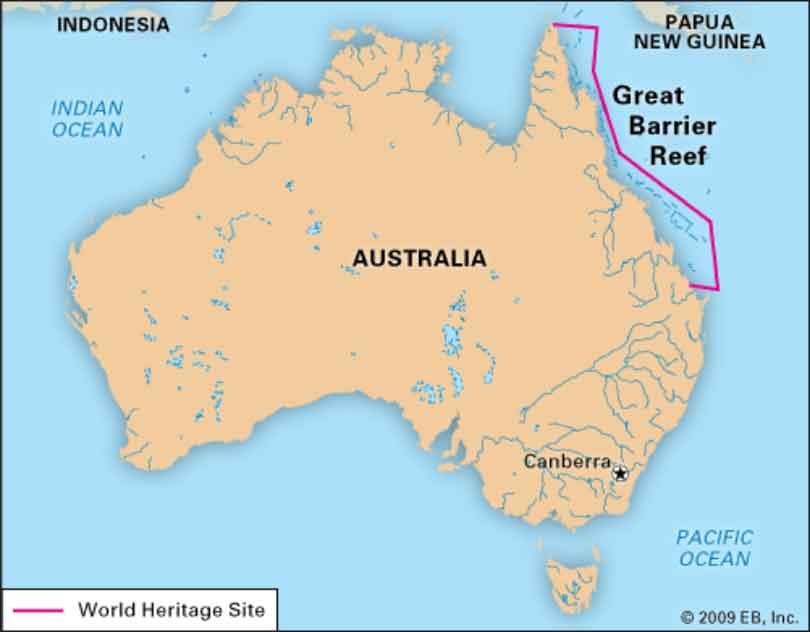
Some of the most breathtaking places on Earth are not found on land, but beneath the surface of the sea. Hidden under the clear turquoise waters of the Coral Sea lies the Great Barrier Reef, the world’s largest coral reef system, stretching along the northeastern coast of Australia. Visible even from space, this extraordinary natural wonder is not just a reef it is an entire underwater world bursting with color, life, and incredible biodiversity.
For many travelers, visiting the Great Barrier Reef feels like stepping into a completely different universe. Beneath the gentle waves exists a vibrant ecosystem filled with coral gardens, shimmering fish, graceful sea turtles, and mysterious marine creatures that seem almost too beautiful to be real. It is a place where nature has created a living masterpiece, one that continues to fascinate scientists, divers, and explorers from around the globe.
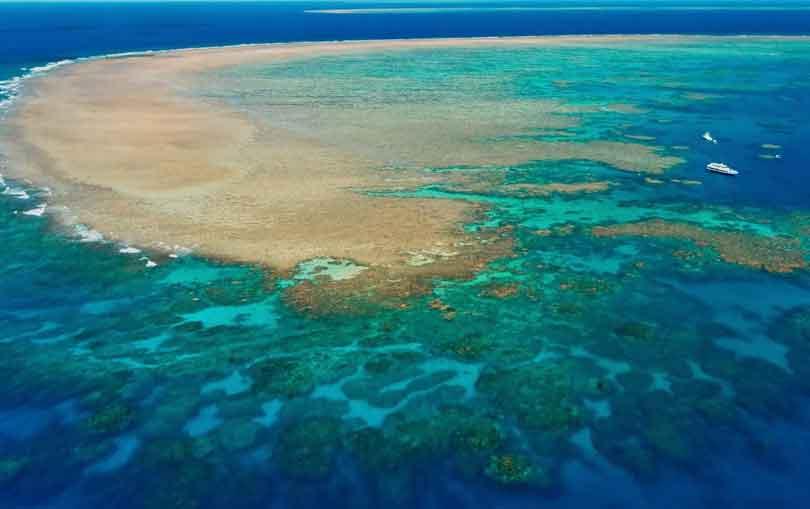
The Great Barrier Reef is often described as the largest living structure on Earth. It stretches for more than 2,300 kilometers and includes over 2,900 individual reefs and around 900 islands. What makes it even more remarkable is that the entire reef has been built slowly over thousands of years by tiny organisms called coral polyps. Coral polyps are small marine animals that form colonies. Over time, their skeletons accumulate and create the massive coral formations that make up the reef. Though each individual coral polyp is tiny, together they have created something so vast that it can be seen from outer space.
This incredible natural construction demonstrates the power of patience in nature. Something so enormous and complex was built not by a single force, but by millions of tiny living creatures working together over centuries. One of the most magical aspects of the Great Barrier Reef is the astonishing variety of life it supports. The reef is home to thousands of species of fish, hundreds of types of coral, and countless marine creatures that inhabit its colorful underwater cities.
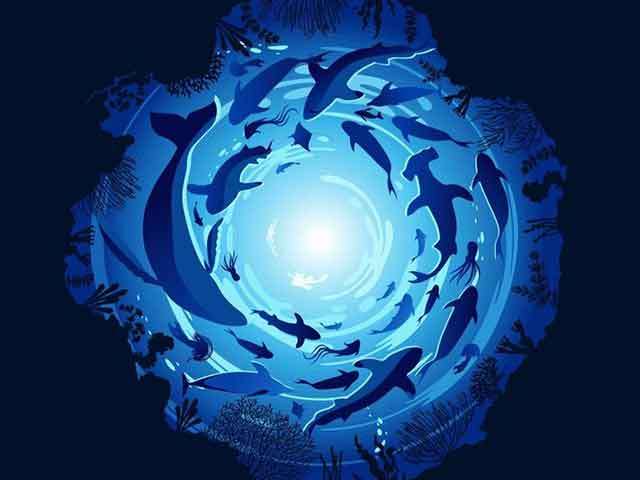
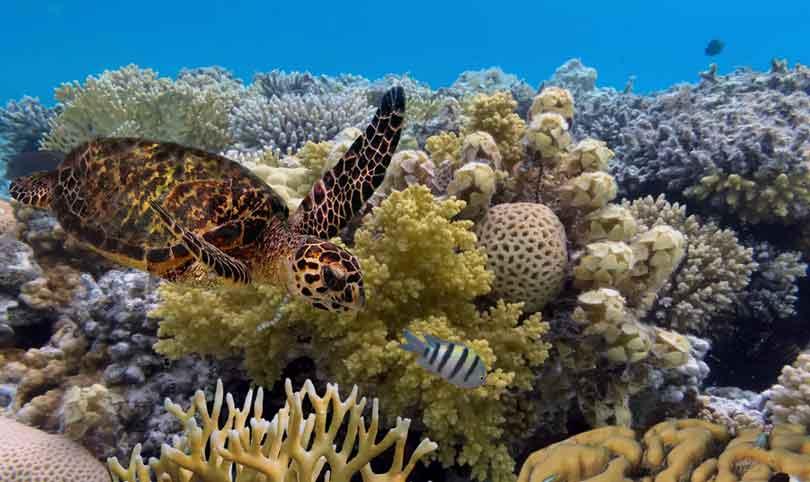
Divers and snorkelers often describe their first experience here as unforgettable. As soon as they enter the water, they are surrounded by schools of bright tropical fish moving like living rainbows through coral structures. Clownfish hide among the protective tentacles of sea anemones, while parrotfish glide slowly across coral gardens, their scales shimmering in sunlight. Graceful sea turtles drift peacefully through the water, occasionally surfacing for air before disappearing back into the blue depths. Reef sharks cruise calmly along the ocean floor, while giant clams open and close slowly, displaying vibrant colors of blue, purple, and green.
Every section of the reef feels like a new world waiting to be explored. The coral formations themselves are as fascinating as the animals that live among them. Some corals resemble giant brains with swirling patterns, while others branch outward like underwater trees. Soft corals sway gently with ocean currents, creating a graceful underwater dance. The colors of these coral gardens are astonishing brilliant pinks, glowing oranges, deep purples, and electric blues. Sunlight filtering through the clear water illuminates the reef, making it look like a glowing underwater city.
Because coral reefs grow slowly, some of the formations seen today have taken hundreds of years to develop. This slow growth makes them incredibly precious and fragile, reminding visitors of how delicate marine ecosystems can be. The Great Barrier Reef is not only an underwater destination. Hundreds of tropical islands rise above the reef, offering pristine white beaches and lush greenery. Many of these islands are uninhabited, giving visitors the rare feeling of discovering a hidden paradise.
Places like Whitsunday Islands provide stunning views of turquoise waters and soft sandy beaches. One of the most famous beaches in the region, Whitehaven Beach, is known for its brilliant white silica sand and swirling patterns of blue water that look like abstract paintings from above. These islands create the perfect balance between ocean adventure and peaceful relaxation. Visitors can spend the morning snorkeling among coral reefs and the afternoon relaxing under palm trees while listening to gentle waves.
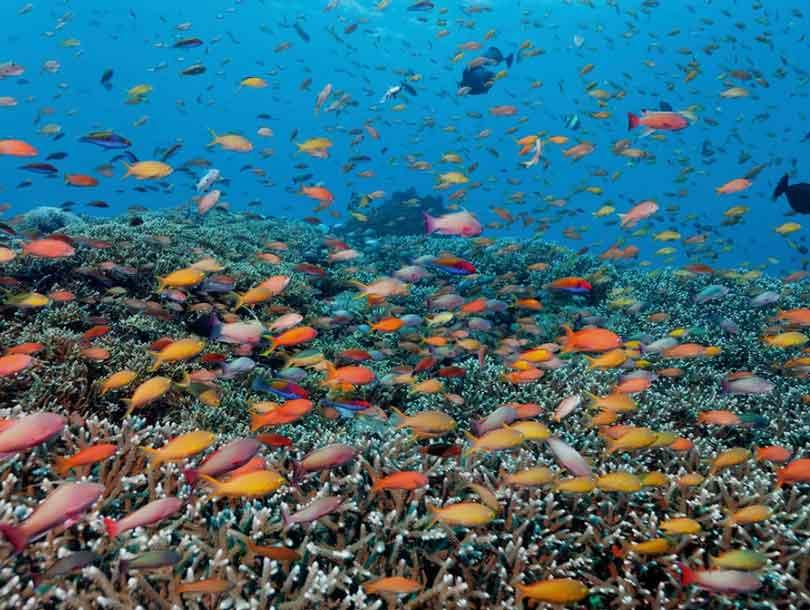
One of the most unforgettable experiences at the Great Barrier Reef is watching how sunlight transforms the underwater landscape. Early in the morning, the ocean appears calm and crystal clear, allowing divers to see incredible detail in coral formations. By midday, sunlight penetrates deeper into the water, illuminating fish and corals with dazzling brightness. The reef becomes a vibrant display of color and movement, with marine life actively swimming through coral passages and open lagoons. As evening approaches, the reef enters another fascinating phase. Some marine creatures become more active after sunset, and the reef slowly transitions into a nighttime ecosystem filled with different species emerging from their hiding places.
This constant change makes every visit unique. Despite its beauty, the Great Barrier Reef faces serious environmental challenges. Climate change, coral bleaching, and pollution have threatened parts of the reef in recent years. Scientists and conservationists are working hard to protect and restore this fragile ecosystem. Marine parks and protected zones have been established to limit harmful activities and preserve the reef’s biodiversity. Visitors are encouraged to practice responsible tourism by avoiding touching coral, using reef-safe sunscreen, and respecting marine life. Protecting the Great Barrier Reef is essential not only for Australia but for the entire planet. Coral reefs support countless marine species and play a crucial role in maintaining ocean health.
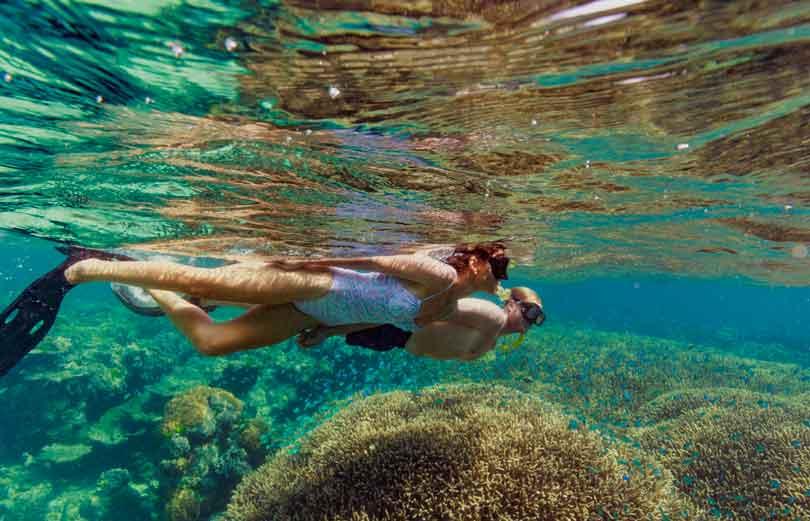
What makes the Great Barrier Reef so extraordinary is the realization that it is alive. Unlike mountains or deserts that remain largely unchanged, the reef is constantly growing, evolving, and supporting life. Every coral, fish, and sea creature contribute to the balance of this underwater world. For many travelers, the reef becomes more than a destination it becomes a reminder of the beauty and complexity of life on Earth. Floating quietly above coral gardens while fish swim below creates a deep sense of connection with nature. It is a moment of peace, wonder, and appreciation for a world that exists just beneath the waves. Long after visitors leave the warm waters of Australia behind, the memory of the Great Barrier Reef remains vivid. The shimmering fish, glowing coral, and endless blue ocean stay etched in the mind like a dream. It is a place where the ocean reveals its most colorful secrets, where nature shows its creative brilliance, and where every dive feels like opening a new chapter in an underwater story. The Great Barrier Reef is not just one of the world’s most amazing natural wonders it is a living reminder that some of the planet’s greatest treasures lie hidden beneath the surface, waiting patiently to be explored.