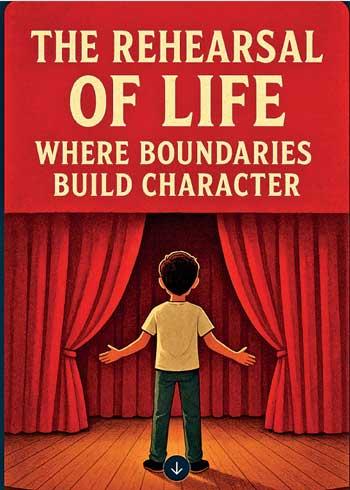
The Rehearsal of Life Where Boundaries Build Character
In an age of glittering screens, instant gratification, and rapid change, the word discipline often feels like a relic of the past, something old-fashioned, almost restrictive. Yet, when we peel back the layers of success, resilience, and respect in any thriving society, one truth remains: discipline is the root that nourishes it all.
In Sri Lanka, where family and cultural values once stood tall like ancient pillars, discipline was once the invisible code that governed our homes and classrooms. Children greeted elders with a bow, stood when a teacher entered the room, and waited patiently for their turn to speak. These gestures were not mere traditions, they were early lessons in empathy, self-control, and respect. But as modernity swept through, the rhythm began to change. Today, our children live in a world of endless stimulation, where “now” is the norm, and waiting feels like a punishment.
The Quiet Decline Of Discipline
Walk into any school, tuition class, or playground, and the shift is almost palpable. The modern Sri Lankan child is more vocal, more confident, but often less grounded. The beautiful balance between freedom and discipline, once the hallmark of our upbringing, seems to be fading. We are raising children who can speak fluently, but not always listen attentively, who can perform boldly, but not always persevere patiently. Discipline is not about silence or submission. It is about structure.
It is about teaching a child to understand that boundaries exist not to limit their freedom, but to help them flourish within it. When taught early, discipline becomes a quiet inner compass — guiding children to make thoughtful choices, respect others’ space, and remain steady in a world that moves too fast.
Discipline Through Drama: Lessons From The Stage
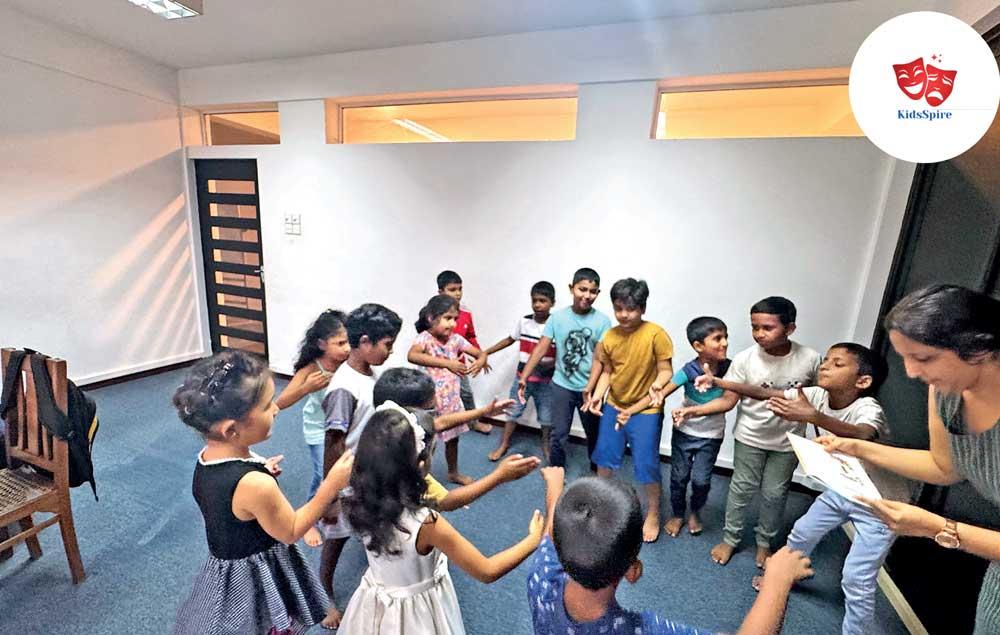
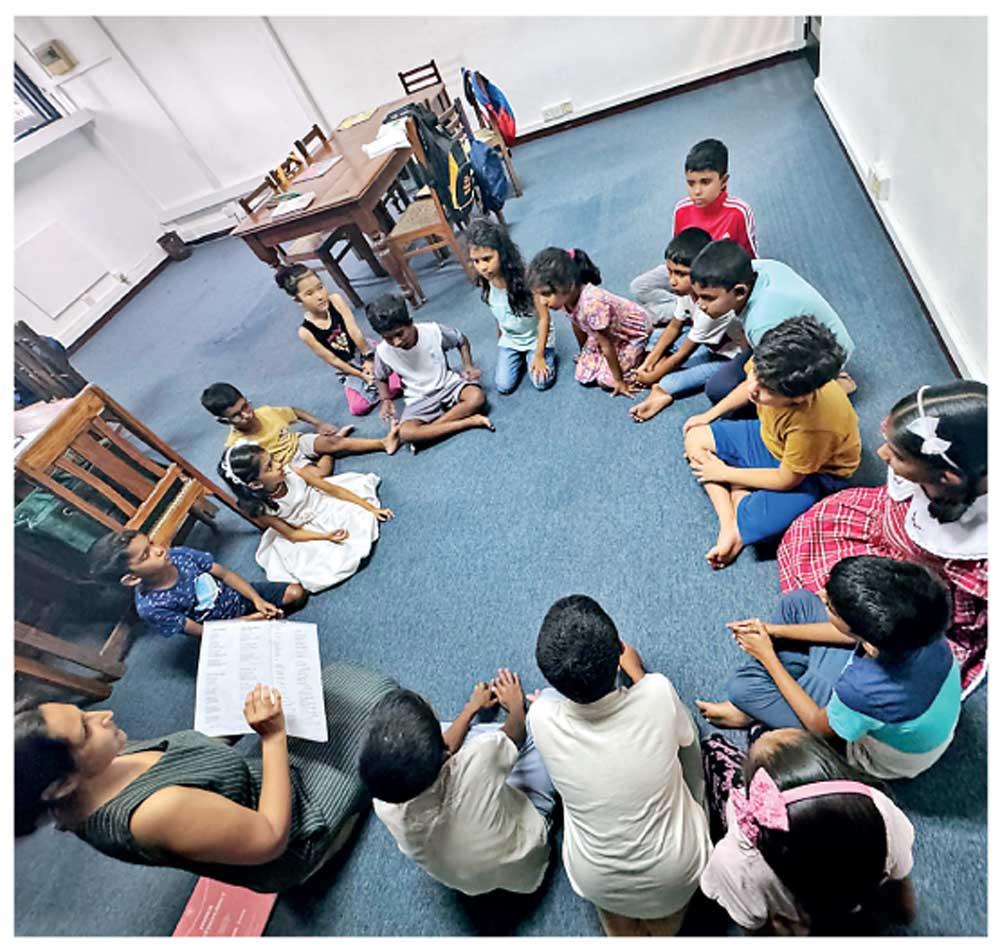
As an educationalist and founder of Dramatica, a school of speech and drama, I have learned that the most profound lessons in discipline often bloom on stage. Drama, contrary to popular belief, is not chaos, it is choreographed expression. It thrives on timing, teamwork, and trust. In my classroom, discipline is not enforced through fear but fostered through creative order. Every session begins with a ritual, a simple breathing exercise, a circle of stillness, a moment of mutual respect. It’s our way of reminding young performers that before one can command the stage, one must first command oneself.
Turn-taking is one of the first lessons my students learn. In a drama class, every voice matters, but not all at once. The act of waiting for one’s cue, of listening closely so as not to miss a partner’s line, builds patience, awareness, and empathy. Children begin to understand that silence can be as powerful as speech.
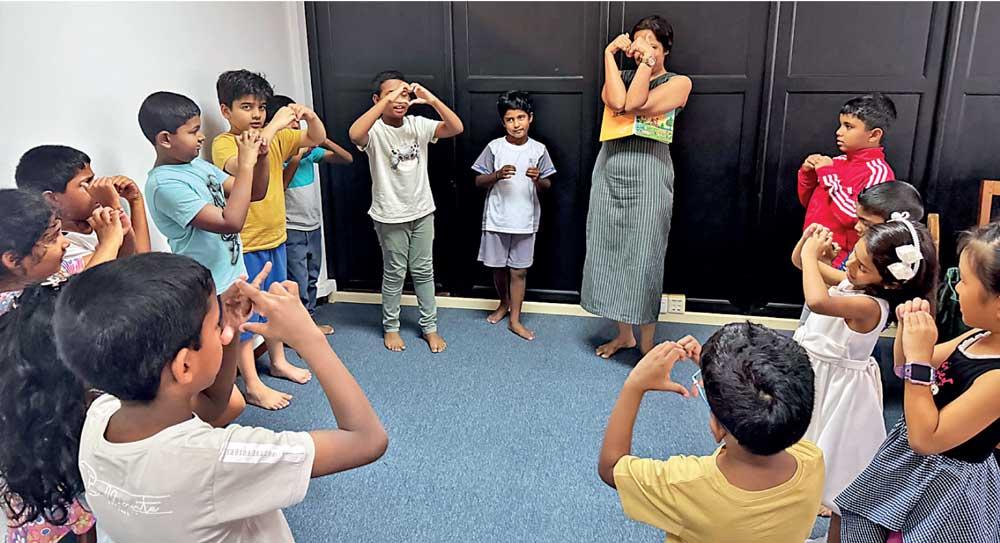
Stage respect is another pillar. When a student steps into the spotlight, others watch, listen, and support. There is no room for mockery or distraction. Through this, students learn that discipline is not about rules, it’s about reverence, for the space, for others, and for the self. Even small gestures, like bowing before exiting the stage, holding a prop with care, or rehearsing a line repeatedly until it feels right, become lessons in precision and perseverance. These are the seeds of discipline that will one day blossom beyond the classroom; in how they study, lead, and live.
The Sri Lankan Child And The Value Of Early Training
In our culture, early discipline once began at home, through morning routines, shared meals, and collective prayer. But as lifestyles evolve, many children now grow up in environments of indulgence rather than instruction. There’s a tendency among modern parents to confuse love with leniency. “They’re still small,” we say. “Let them be.” Yet, the truth is, discipline is most powerful when introduced gently, consistently, and early. When children are taught to manage their time, respect their teachers, and speak with kindness, they are not being restricted; they are being prepared. These small acts of order train the mind to think before reacting, to persevere through difficulty, and to balance individuality with community. I have watched children enter my classes restless and distracted, only to transform over months into focused, empathetic, and confident individuals. Through theatre, they learn that every moment has its place, that chaos can be creative only when contained by rhythm.
Discipline And Creativity: Two Sides Of The Same Stage
A common misconception is that discipline kills creativity. In truth, the opposite is beautifully real. The greatest artists, thinkers, and leaders have all thrived on disciplined practice. The dancer must rehearse before she can improvise. The actor must memorize before he can emote. The child must learn control before they can create. In my drama sessions, creativity and discipline dance together. Children are encouraged to express freely, but within a structured framework. They improvise scenes, but they must listen for cues. They create characters, but they must respect the story. This balance teaches them that creativity is not random, it is purposeful expression guided by awareness and respect.
 Discipline As A Form Of Love
Discipline, when guided by love, does not break a child’s spirit; it strengthens it. A disciplined child is not one who fears mistakes, but one who learns from them.
They understand that every “no” from a teacher or parent is not rejection, but redirection. As Sri Lankans, we must reclaim this understanding. Discipline should not be mistaken for severity. It is an act of care, an expression of belief that our children are capable of more. It is saying, “I trust you enough to hold you accountable.” When schools, parents, and educators work together to nurture discipline early, through daily routines, respect for others, and consistent expectations, we are not raising obedient children. We are raising balanced, resilient human beings who know how to stand tall in uncertainty.
A Call To Reawaken An Old Strength
The future of our nation depends not only on the intelligence of our youth but on their inner strength. A disciplined mind is a peaceful mind, one capable of empathy, patience, and purpose. These are the qualities that build communities, not just careers. Discipline is not punishment; it is preparation. It is the rehearsal that precedes every great performance in life. In a world that celebrates speed, let us teach our children the grace of stillness. In a time obsessed with individuality, let us remind them of the power of respect. As I stand in my classroom, watching a group of children bow together after a performance. their faces glowing with pride and composure, I am reminded that discipline is not something we impose. It is something we inspire. Let us, as a nation of educators, parents, and dreamers, bring back this art, the art of discipline, not as a shadow of control, but as a light of guidance. For when discipline takes root in the hearts of our children, it will not only shape their futures, it will restore the strength, dignity, and unity of Sri Lanka itself.