Jevahn Sathasivam on His Golfing Journey. “It’s About Mindset, Not Just Swings.”
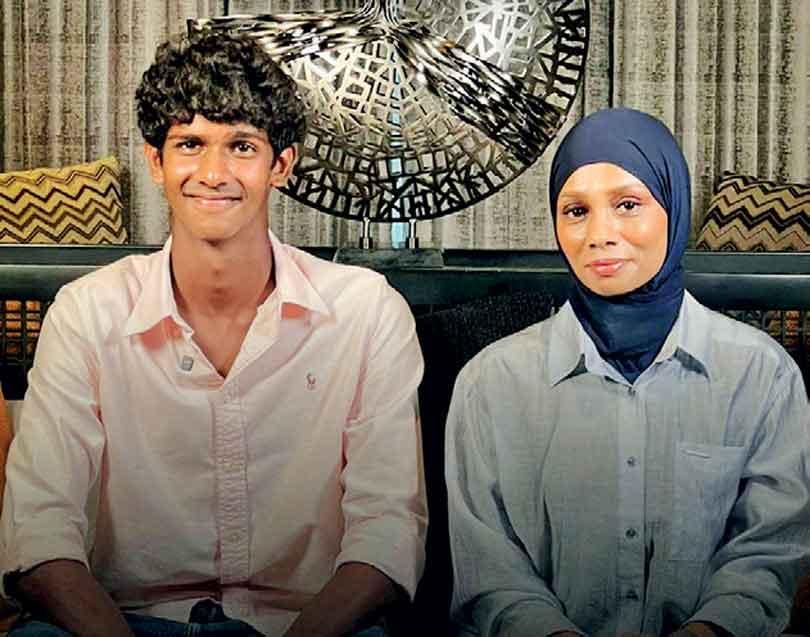
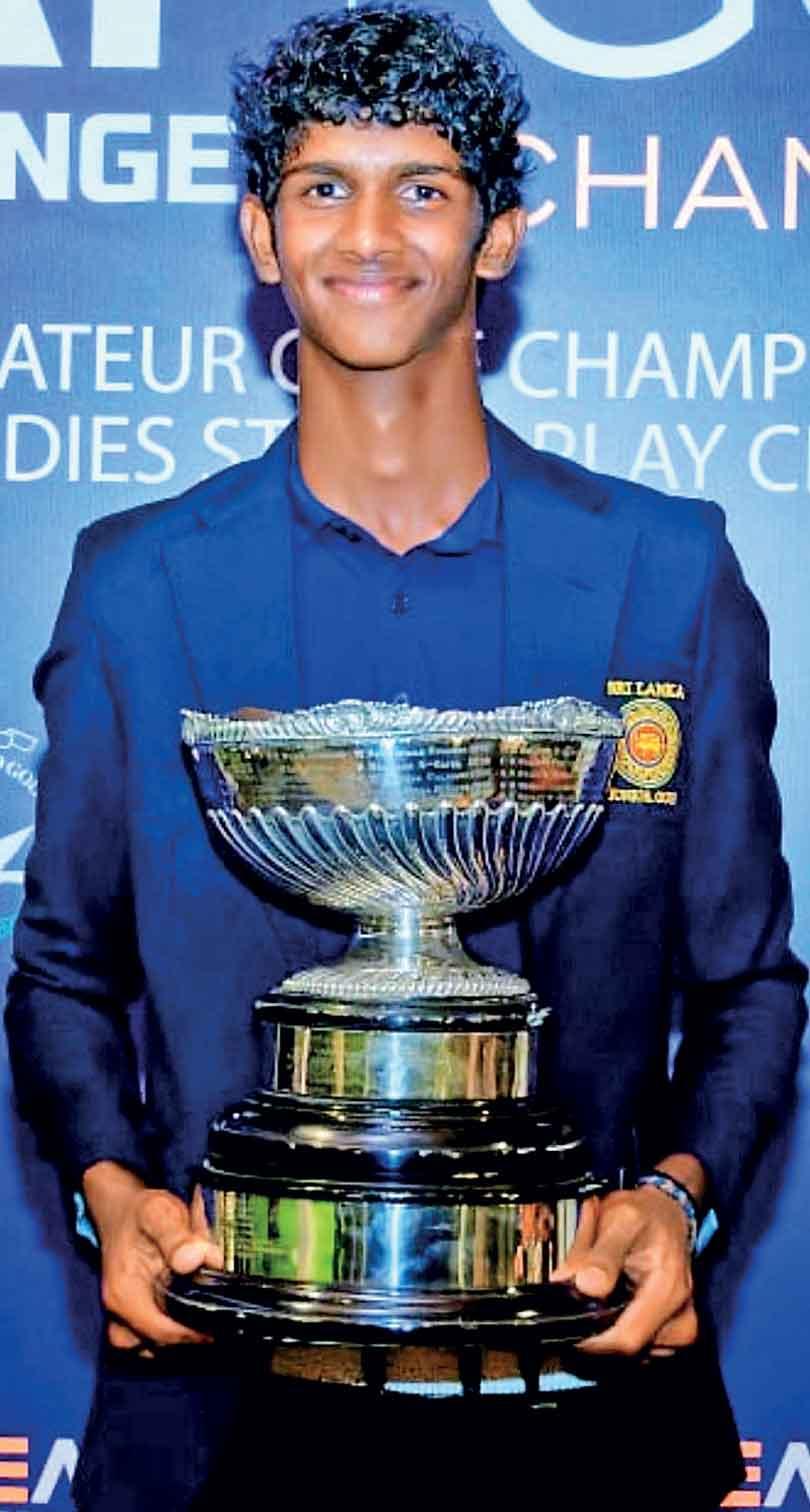
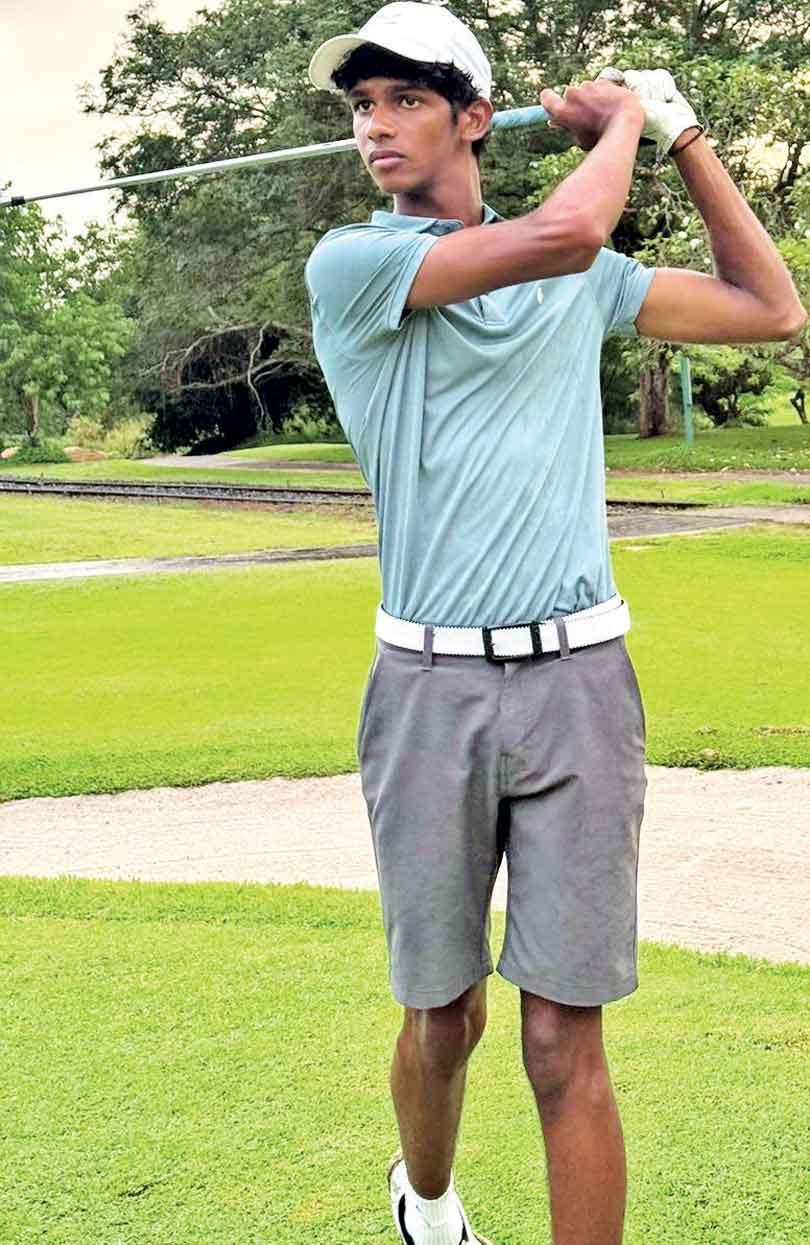
 Jevahn Mikel Sathasivam represents a new generation of Sri Lankan athletes, disciplined, curious, and quietly driven. A young golfer with an impressive list of achievements already behind him, Jevahn’s journey is defined not merely by trophies or titles, but by the maturity, patience, and self-awareness with which he approaches the game.
Introduced to golf at an early age, Jevahn’s path has not been a straight line. Like many young athletes, he explored multiple sports before rediscovering golf with a renewed sense of purpose. That second beginning would prove pivotal, setting him on a course that demanded commitment, resilience, and an understanding that progress in golf is built over time rather than rushed success.
From early mornings on the course to long hours balancing school, travel, and competition, Jevahn has learned that golf is as much a mental sport as it is a physical one. “Golf is more of a mind game than a physical one in my opinion,” he says. “Of course, you need to work on your swings and other physical aspects, but for me it comes down to my mindset on the day of the game. That often decides my performance, and hence I work closely with a mental performance coach.” The game has taught him how to manage pressure, respond to setbacks, and remain focused when results do not always reflect effort. Competing both locally and internationally has shaped his confidence and perspective, exposing him to different playing conditions, cultures, and levels of competition that have accelerated his growth on and off the course.
A significant recent milestone in his journey came through his involvement with the Kandy Kings Golf League. The experience introduced Jevahn to a new dimension of the sport, where individual performance became part of a collective goal. Representing a team required leadership, accountability, and trust, offering lessons that extended well beyond the fairways and scorecards. It was an opportunity that broadened his outlook on the sport and deepened his belief in the value of team-based competition within Sri Lankan golf.
Grounded by strong family support and guided by coaches who have helped shape both his game and mindset, Jevahn remains focused on steady improvement rather than quick recognition. His ambitions now extend beyond national borders as he prepares to take the next step in his career on the international stage, carrying with him the experiences and lessons forged through years of disciplined preparation.
Focused, composed, and forward-looking, Jevahn Mikel Sathasivam is not simply playing the game of golf, he is learning how to grow within it. In this Athlete Spotlight, he reflects on his journey so far, the challenges that have shaped him, and the vision he holds for his future and for the continued development of Sri Lankan golf.
Q&A
Q: Let’s start at the beginning. How old were you when you first picked up a golf club, and what first drew you to the sport?
A:
I first picked up a golf club when I was six years old, and that was mainly because of my dad. He introduced me to the game and encouraged me to give it a try. At that age, I was exploring many different sports and golf was just one of them.
Growing up, I was also very interested in basketball, football, and athletics. Compared to those faster paced sports, golf did not excite me as much at the time. Because of that, I stopped playing golf for about five years.
When I started again at the age of eleven, my mindset had changed completely. I understood the game better and appreciated the challenge it offered. From that moment onwards, golf became something I was deeply passionate about, and I have been hooked ever since.
Q: You have already achieved a lot at a young age. When you look back at your journey so far, which achievement makes you the proudest, and why?
A: Winning the Sri Lanka Amateur Championship in 2024 is definitely the achievement I am most proud of. It is one of the oldest championships in the country, with a history spanning 133 years, so becoming one of the youngest winners ever is incredibly special to me.
That victory represented years of dedication, training, and sacrifice. It was not just about winning a tournament, but about proving to myself that all the effort I put into the sport was worth it. Knowing how many great golfers have competed in that championship makes it even more meaningful.
Q: Was there a moment where a win, a tournament, or even a tough loss made you realise that golf was something you wanted to seriously pursue?
A: There was not one single moment that changed everything. Instead, it was a gradual realisation that came from competing regularly and seeing improvement in my game. Even tough losses played a big role in shaping my mindset. After difficult rounds, instead of feeling discouraged, I wanted to practice more and get better. That desire to improve, even after setbacks, made me realise that golf was something I wanted to pursue seriously.
Q: You have travelled and competed in different places. What has travelling for golf taught you, not just about the sport, but about yourself?
A:
Travelling has opened up many opportunities and experiences that I never thought I would have. Competing in different countries exposes you to new course conditions, different playing styles, and higher levels of competition. Beyond golf, travelling has taught me independence and adaptability. You learn how to manage yourself in unfamiliar environments, meet people from different cultures, and build friendships along the way. I have also had the chance to work with many coaches who have helped shape my development, and I am very grateful for those experiences.
Q: Golf demands a lot mentally. How do you handle pressure, expectations, and bouncing back after a difficult round?
A:
Mental strength is a huge part of golf. I work with a mental coach, which has helped me understand how to deal with pressure and expectations more effectively. After a difficult round, I reflect on what went wrong rather than getting emotional about it. I try to identify areas where I can improve and apply those lessons in the next round or tournament. I have learned that every round is an opportunity to learn and grow.
Q: You are balancing school with competitive golf, which is not easy. What does a typical day look like for you, and how do you stay disciplined without burning out?
A:
Balancing school and golf is challenging, especially because I miss a lot of school due to tournaments both locally and internationally. I attend multiple classes each week and try to keep up with my academic responsibilities alongside training and competitions.
Discipline is important, but having a strong support system matters just as much. My parents help me manage my schedule and make sure I stay organised. They also help me find balance so that I do not burn out. I am very grateful for their constant support.
Q: Being part of the Kandy Kings Golf League was a big moment. What did it mean to you to represent a team, and how was that experience different from individual tournaments?
A:
Being part of the Kandy Kings Golf League was a completely new experience for me. Golf is usually an individual sport, so representing a team was something different and exciting.
Playing for a team adds a new level of responsibility. You are not only focused on your own performance but also on contributing to the team’s success. It motivated me in a different way, and I really enjoyed that experience. I hope there are more team based golf tournaments like that in the future.
Q: What is one lesson you took away from the Kandy Kings League that helped you grow as a player or as a person?
A:
One of the biggest lessons I learned was responsibility. Knowing that your performance affects your teammates makes you approach the game with a stronger sense of focus and commitment. It also taught me the importance of teamwork, communication, and supporting others. Those are lessons that apply not just in sport, but in life as well.
Q: When you look ahead, what are your future goals in golf over the next few years, both locally and internationally?
A:
My main goal is to perform to the best of my ability in the United States. I have been accepted into Coppin State University, which has a Division One golf program. I am the first international player on the team since its transition to Division One, and I am very excited about this next chapter. Competing in a new environment at a higher level will challenge me and help me grow. In the long term, I want to continue improving and represent Sri Lanka at the highest possible level.
Q: If you had the chance to change or improve one thing about Sri Lankan golf for young players coming up, what would it be and why?
A:
I would like to see improvements in facilities and more opportunities for junior golfers to compete internationally. Exposure to different competitions and course conditions plays a huge role in development. Giving young players the chance to gain international experience early will help raise the standard of golf in Sri Lanka and produce more competitive players in the future.
Q: Who are the people who have supported you most along this journey, and how important has that support system been for you?
A:
My parents, friends, and coaches have all played a major role in supporting me throughout my golfing journey. My parents have made many sacrifices to help me pursue the sport, and I would not be where I am today without them. My coaches have guided me both technically and mentally, and my friends have always encouraged me to push myself. Having that support system has been extremely important.
Q: Finally, for young athletes who dream of competing at a high level but feel unsure or scared to start, what advice would you give them from your own experience?
A:
My advice would be not to second guess yourself. If you are passionate about something and cannot go a day without thinking about it, then it is worth pursuing seriously. Push yourself to be the best you can be, stay resilient, and trust the process. There will be challenges along the way, but belief, consistency, and hard work make all the difference.