A Life Woven with Culture, Family, and Food.
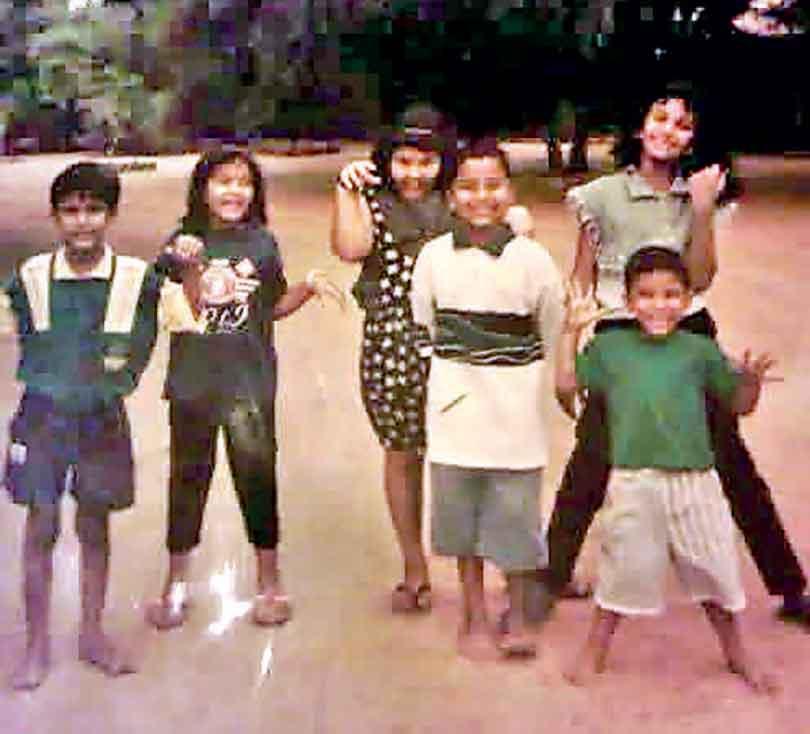
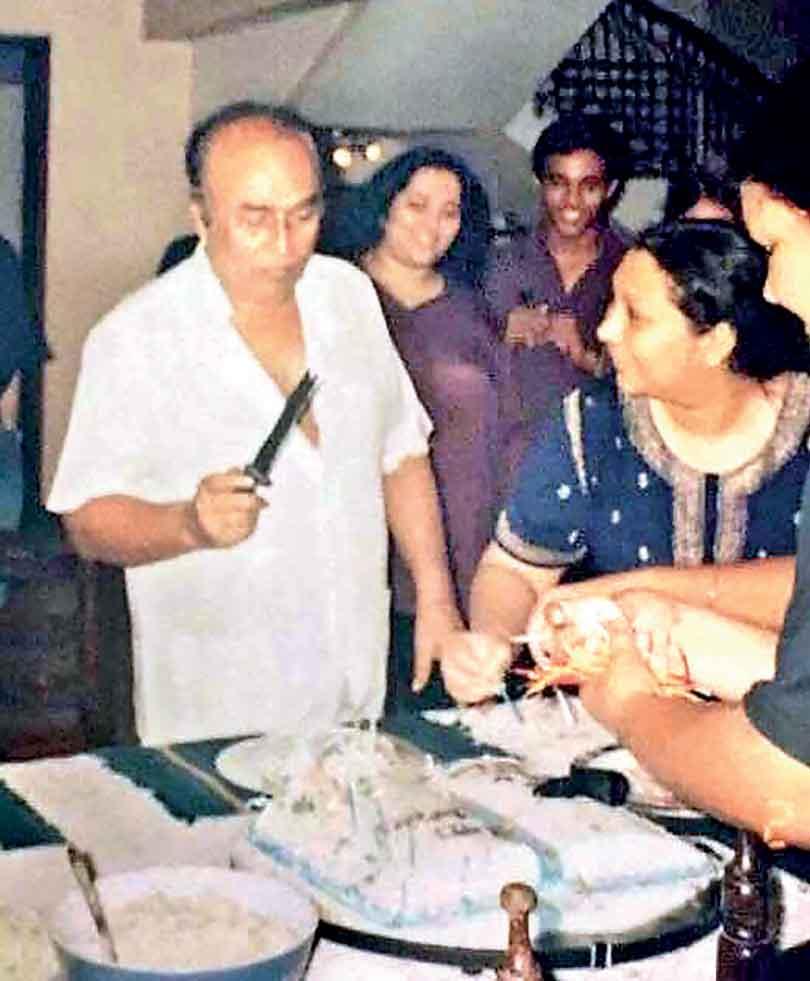
 I come from a multicultural background. My father’s parents were from the South, from Akmeemana in the Galle district, while my mother’s side of the family came from Hendala and Dehiwala. My maternal grandfather was a successful actor back in the day, and his home was always full of fans and people who came to visit him. Although his living room had sofas, he preferred laying cushions on the floor and sitting around a coffee table to end his day while sharing a drink with a friend. Whenever we visited his home in Ja Ela, he would ask us to perform for him, and that became the highlight of our entire week. I had little aunts who were the same age as I was, and together we would rehearse songs, dramas, and dances all week long. We would then perform for my grandfather and his friends before dinner. They would cheer and clap, and my grandfather would give us tips on how we could improve.
Dinner at his house was always a feast. He had an estate bungalow style Appu who cooked his meals. Strangely, I do not remember what he served for dinner, but I will never forget his breakfast menu. I loved that menu and the peace that came with having breakfast with him, because breakfast was reserved just for us. That was when we got one on one time with him. He had the same breakfast every day: bread, dhal curry, half boiled eggs, and raw onions and garlic on the side. We would wait to hear the loud sound of his slippers coming down the stairs and then run to the table to wait for him. We were always afraid to speak first because he had the deepest voice I had ever heard. He seemed strict, but he believed in tough love, and his voice alone was enough to control all five energetic kids in the house.
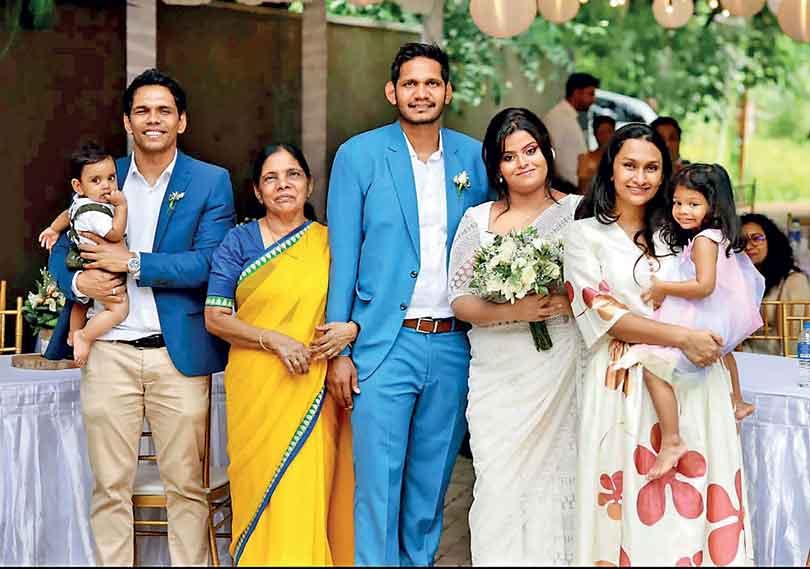
My grandfather lived in a large house in Ja Ela and had a room dedicated to the Gods. He was born a Buddhist but prayed to all Gods in his room of worship. This approach to religion probably influenced me later in life. My father was a Buddhist, my mother a Catholic, and I married a Malay. All these mixed cultures mean that I get to celebrate every holiday, from Christmas, Avurudu, and Vesak to Eid. My husband Fazil is a Kandyan. We got married in 2015 and I made the big move from Colombo to Kandy in 2016. I grew up in a Sinhalese home and was always surrounded by Sinhalese friends and family, so a cultural shock was expected. I was lucky to have modern thinking in laws. They were traditional but open minded and very inviting.
My mother-in-law became a widow when my husband was only seven years old. She had to move back to her mother’s house, where her seven siblings lived with their children. They had a large household with more than thirty people, which meant they had to cook meals for everyone. This created some amazing cooks in that family. They took turns cooking so the burden did not fall on one person. Each person had their specialties, but two aunts, Doreen and Irene, stood out with their extraordinary cooking skills. They could make anything taste like a restaurant quality meal. Fazil’s Aunt Doreen Buksh is well known in the Malay community and internationally, having been featured in various food blogs and travel shows for her exceptional Malay cuisine. I had my first real Malay meal at her house, where she prepared dishes I had never even heard of, such as Puruth Babath.
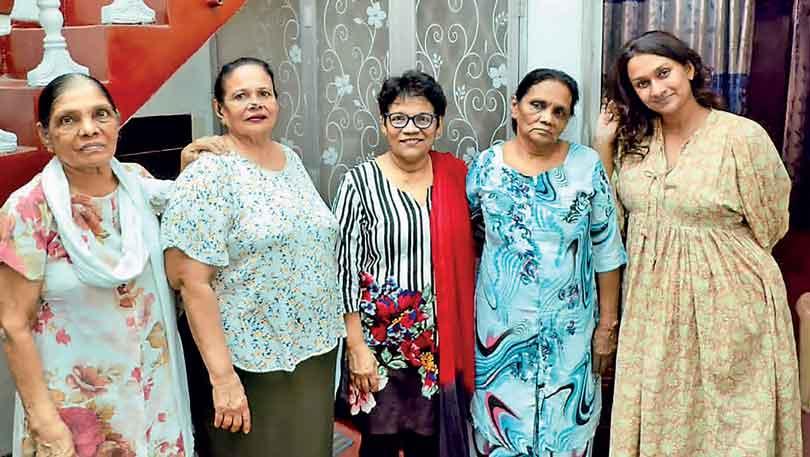
Here is another unexpected fact I love to share. I had the best cup of milk tea I have ever tasted in Sri Lanka in this Malay household. Fazil’s aunts Moreen and Queen make the creamiest and most delicious milk tea. We would make excuses to visit them with short eats just so we could enjoy their tea with our snacks.
Their doors were always open and welcoming, and the sense of community in their family was strongly felt. They created a village to raise their children, as most of his aunts were widows with young, school going kids, and they extended that village to me when I married Fazil.
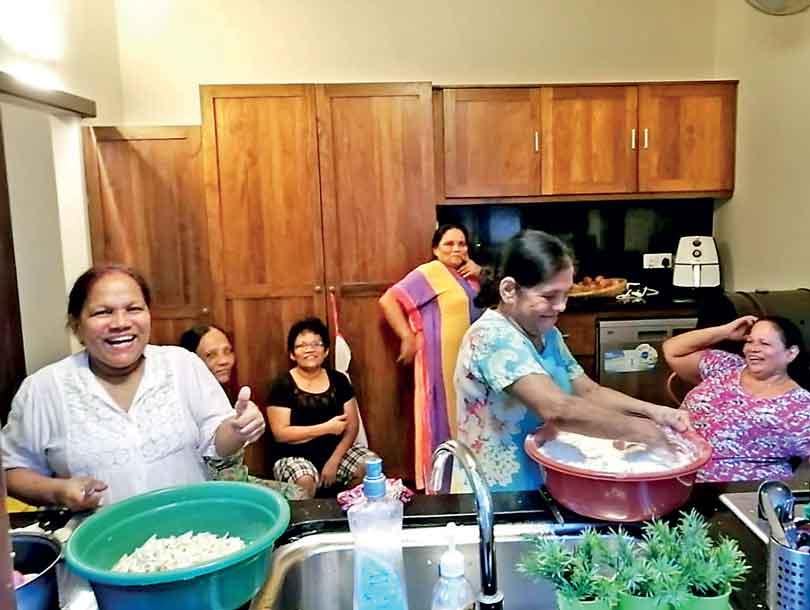
Whenever there was a family function, they would all gather and help each other cook and prepare. I would always go to them for their delicious pasthol whenever we hosted our children’s birthday parties. They made every gathering an occasion and cherished the time spent together.
Marrying into this family of great cooks meant I had to learn the art of cooking to impress my in laws. I did not want to be the daughter in law who could not cook a good meal. My mother-in-law used to cook all three meals, and I wanted to relieve her from that responsibility and give her a break from the kitchen, so I took over preparing dinners. I started off as a YouTube chef, learning recipes from food bloggers and legends like Malini’s Kitchen. I would call my mother multiple times for guidance, and I still call her, because I know I will never be able to match her cooking skills.
I learned on the go and went from making basic meals to cooking for five people every day. My in laws were patient and supportive while I experimented and made mistakes. My brother-in-law became my guinea pig. He would taste anything I made, even if I burnt it, giving me the space to learn and improve. Now I can make anything from a classic kiribath to a lobster thermidor, thanks to their patience. Marrying a Malay also meant learning how to prepare sahur and iftar during the fasting period. Being the one pot queen that I am, I learned how to make a quick and easy kanji, which has now become a family favourite. They request it at least once a week.
One-Pot Chicken Kanji (Serves 4)
Ingredients
- 1 cup rice, washed and drained
- 300 g chicken breast + chicken parts, cut into small pieces
- 2 medium potatoes, peeled and diced
- 2 medium carrots, sliced
- 1 large onion, finely chopped
- 2 tomatoes, chopped
- 4–5 garlic cloves, minced
- 1-inch piece ginger, minced
- 8–10 curry leaves
- ½ tsp fenugreek seeds
- ½ tsp mustard seeds
- 1 small cinnamon stick
- 2 tbsp ghee or oil
- ½ tsp turmeric powder
- 1 tbsp curry powder
- 1 tsp chili powder (adjust to taste)
- ½ tsp black pepper
- Salt to taste
- 4 cups water (for cooking the kanji)
- 1 cup coconut milk
Instructions
- Turn on your rice cooker to cook mode.
- Add ghee or oil.
- When hot, add curry leaves, fenugreek seeds, mustard seeds, and cinnamon.
- Sauté for 30–45 seconds until aromatic
- Add the onions and sauté until soft.
- Add tomatoes, garlic, and ginger.
- Cook until the tomatoes soften, and the mixture becomes fragrant.
- Add the potatoes, carrots, and chicken pieces.
- Mix well.
Add spices turmeric, curry powder, chili powder, pepper and salt. Mix thoroughly to coat the chicken and vegetables.
- Add the washed, drained rice. Mix everything evenly.
- Pour in 4 cups water.
- Close the rice cooker and let it cook until the rice is fully done, and the chicken is tender.
- Once the chicken is tender add 1 cup coconut milk.
- Stir well.
- Simmer for 10 minutes, until creamy.
Serve hot!