Two-Hour Episodes, Millions of Fans: The Turkish Drama Effect
Somewhere between late-night scrolling and the innocent decision to “watch just one episode,” millions of people across the world have fallen into the same trap. A beautifully shot scene. A slow-burning love story. A character whose eyes carry more emotion than an entire script. Suddenly, it’s 3 a.m., and you’re emotionally invested in people who live thousands of miles away.
 Welcome to the irresistible rise of Turkish dramas.
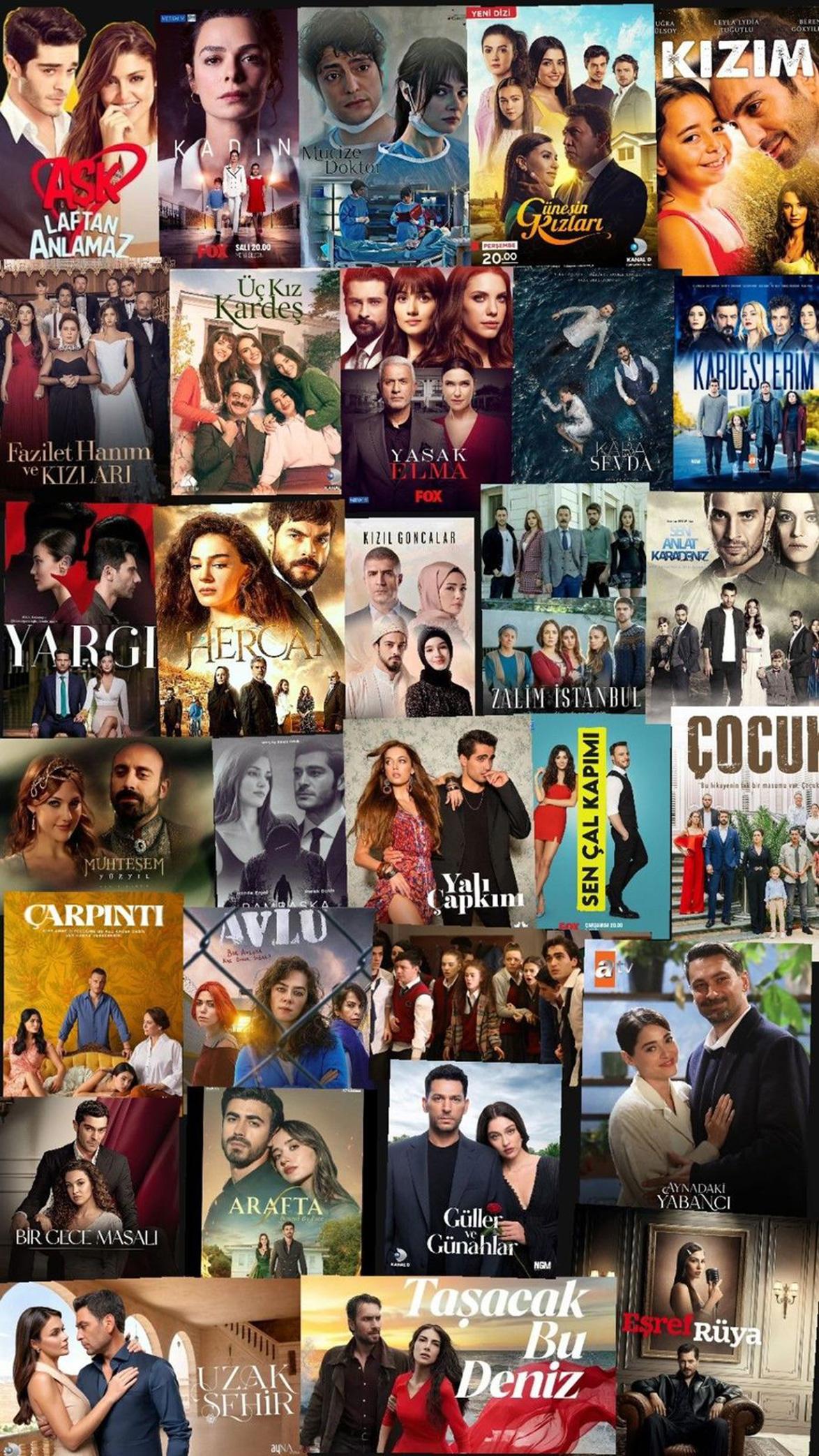
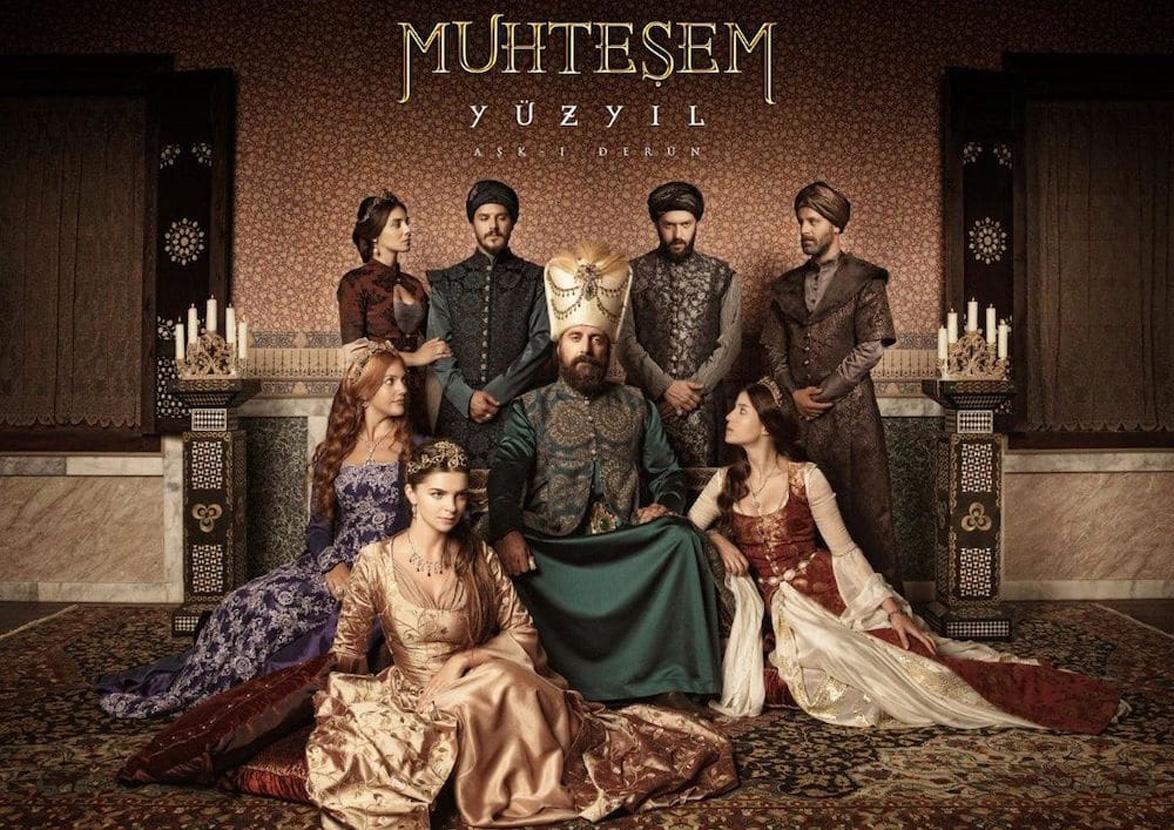
What began as a regional television industry has quietly transformed into a global entertainment phenomenon. Today, Turkish series and films are watched across Europe, the Middle East, Latin America, South Asia, and even parts of North America. In fact, after the United States, Turkey has become one of the world’s largest exporters of television dramas. And yet, this global takeover didn’t happen with loud marketing campaigns or blockbuster budgets. It happened through storytelling, emotional, dramatic, and deeply human storytelling. The moment many viewers realized Turkish television was different came with shows like Diriliş: Ertuğrul and Magnificent Century. These series weren’t just popular; they became cultural events. “Diriliş: Ertuğrul,” an epic historical drama based on the father of Osman I, captured audiences with its sweeping landscapes, heroic narratives, and powerful themes of loyalty and faith. Meanwhile, “Magnificent Century” pulled viewers into the glamorous and politically intense world of Suleiman the Magnificent, blending history with drama in a way that felt cinematic rather than episodic.
But the success of Turkish dramas isn’t only about history and grandeur. In fact, their true magic lies in the emotional intimacy of their storytelling. Turkish series understand something that modern television sometimes forgets audiences don’t just want spectacle, they want feeling. Characters in these dramas are layered, flawed, and painfully relatable. Love stories unfold slowly, sometimes painfully so. Conflicts simmer for episodes before exploding in a single unforgettable moment. Instead of rushing through plotlines, Turkish storytelling lingers. It allows viewers to sit inside emotions rather than simply observe them.
This pacing, surprisingly, is part of the obsession.
Episodes are often longer than what global audiences are used to, sometimes stretching a little over two hours. In a world addicted to short-form content and rapid storytelling, this might sound like a disadvantage. Yet it has become one of the industry’s greatest strengths. These extended episodes allow deeper character development, richer backstories, and emotional payoffs that feel earned rather than manufactured.
And audiences everywhere seem to appreciate it.
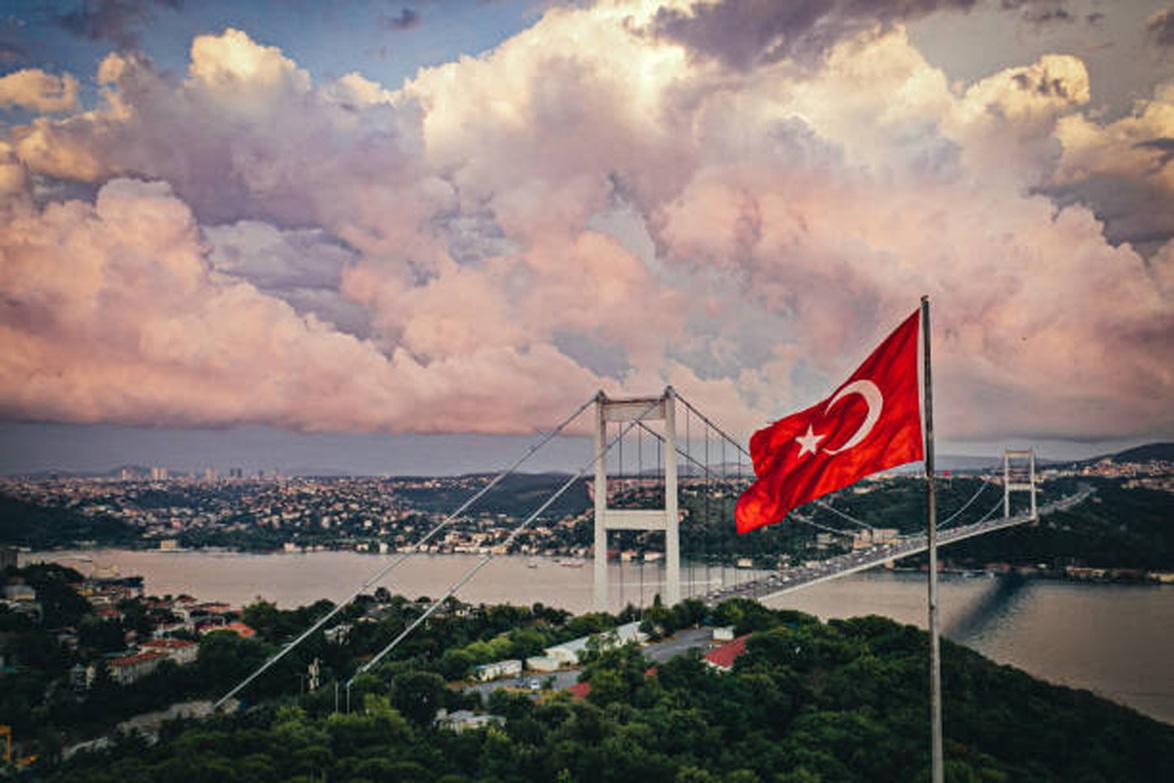
Part of the appeal also lies in the visual world that Turkish productions create. Cities like Istanbul become characters in their own right, with the Bosphorus skyline, historic architecture, and vibrant streets adding texture to every story.
Rural settings offer equally breathtaking scenery, mountains, coastal towns, and countryside landscapes that feel cinematic without trying too hard. The result is a visual aesthetic that feels luxurious yet authentic.
Then there’s the undeniable star power.
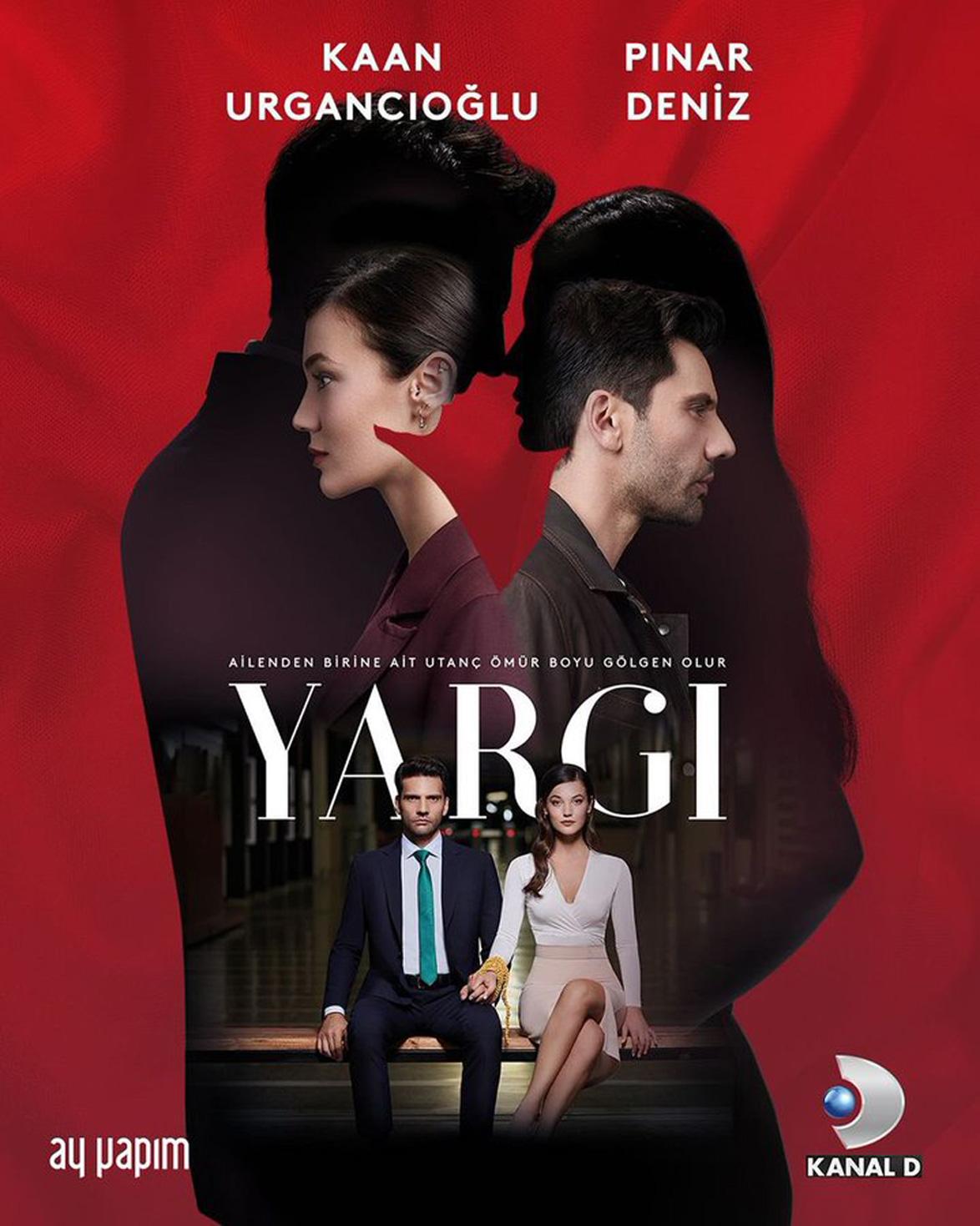
Actors like Hande Erçel, Kerem Bursin, and Can Yaman have built massive international fan bases, sometimes rivalling Hollywood celebrities in online popularity. Their performances blend theatrical intensity with emotional vulnerability, making characters feel both larger-than-life and deeply real.
But what’s even more fascinating is how these shows travel across cultures so effortlessly.
Turkish dramas sit at an interesting cultural intersection. They blend Eastern emotional storytelling with Western production styles. Family values, loyalty, sacrifice, and romance remain central themes, yet the narratives also explore ambition, identity, power, and modern relationships. This balance makes them universally relatable while still preserving a strong cultural identity. In places as diverse as Latin America, Pakistan, the Balkans, and parts of Africa, audiences see reflections of their own societal dynamics within these stories. Family expectations. Forbidden love. Class differences. Pride and sacrifice. These themes transcend borders.
Streaming platforms have also played a major role in accelerating this rise. Platforms like Netflix began investing in Turkish productions and distributing existing series to global audiences, dramatically expanding their reach. Shows like The Protector and Ethos introduced international viewers to modern Turkish storytelling that blended psychological depth with contemporary social commentary. At the same time, Turkish cinema has been gaining quiet recognition in global film circles. Directors such as Nuri Bilge Ceylan have earned international acclaim for films like Winter Sleep, which even won the prestigious Palme d'Or at the Cannes Film Festival. These films showcase a different side of Turkish storytelling, slower, philosophical, and deeply introspective. Together, Turkish television and cinema create a powerful cultural export that does more than entertain. It introduces global audiences to Turkish history, traditions, music, and even fashion. Viewers who start watching for the romance often end up learning about Ottoman history, regional customs, and modern Turkish society.
And sometimes, they even pick up the language.
It’s not uncommon for fans of Turkish dramas to begin recognizing phrases or developing an interest in learning Turkish itself, something that speaks volumes about the immersive nature of these stories. But perhaps the most surprising aspect of this global rise is how organic it has been. Turkish dramas didn’t conquer the world through aggressive international marketing. They spread through word-of-mouth, social media fan communities, and late-night recommendations between friends. Someone watches one episode. They get hooked. They recommend it to someone else. And suddenly, entire countries are binge-watching a show that originally aired thousands of miles away.
There’s also something refreshing about how unapologetically dramatic these series are. In an era where many shows lean heavily on sarcasm or cynicism, Turkish dramas embrace sincerity. They lean into emotion without embarrassment. Love is grand. Betrayal is devastating. Loyalty is sacred. Characters cry, fight, sacrifice, and love with intensity that feels almost theatrical, yet strangely authentic.
And maybe that’s exactly why audiences connect with them so deeply.
At a time when entertainment often feels formulaic, Turkish storytelling reminds viewers that emotion still matters. That slow-burning narratives can be just as powerful as high-speed thrillers. That sometimes the most compelling story is simply about people, their hearts, their struggles, and the complicated choices they make. The rise of Turkish dramas and films is more than a trend. It’s proof that powerful storytelling doesn’t need to come from Hollywood to capture the world’s attention. Sometimes, all it takes is a compelling story, a city full of history, and characters who make you feel something real. And if the global obsession with Turkish entertainment continues the way it has been, one thing is certain. The next time someone says, “Just watch one episode,” you might want to be careful. Because with Turkish dramas, believe me, when I say one episode is never just one episode.