Patented Nature: How Global IP Systems Exploit Traditional Knowledge

The foundations of intellectual property (IP) law revolve around protecting the rights of inventors and creators. In 1958, LEGO patented their famous stud-and-tube interlocking brick design and became one of the biggest toy companies globally. Trade secrets like the formula of The Coca-Cola Company have been protected for over a century and allowed the company to profit continuously from its innovation.
 If someone invests time, skill, and resources into creating something new, they deserve credit and economic reward. Without intellectual property protections, inventions could easily be copied without compensation. Yet there exist great gaps in the global intellectual property system - gaps that crucially affect developing nations like Sri Lanka. While intellectual property regimes are designed to protect innovation, they were largely developed within European legal traditions and later globalized. Take for example, the Sri Lankan and Indian ayurvedic system. Although existing for centuries, it is not owned by a particular person or company, and it is not widely documented and archived. This makes it an ideal victim to a phenomenon known as biopiracy.
What is Biopiracy?
Biopiracy occurs when a corporation or institution registers a patent on traditional knowledge and biological resources originating in developing countries, with no compensation to the origin country. It typically involves medicinal plants, agricultural varieties, or genetic materials long used in traditional systems, such as Ayurveda. Due to the lack of awareness, our weak IP system and our cultural values of communal knowledge, medicines and treatments that were perfected over centuries domestically are now benefitting corporations abroad.
Case Study; The Neem Tree
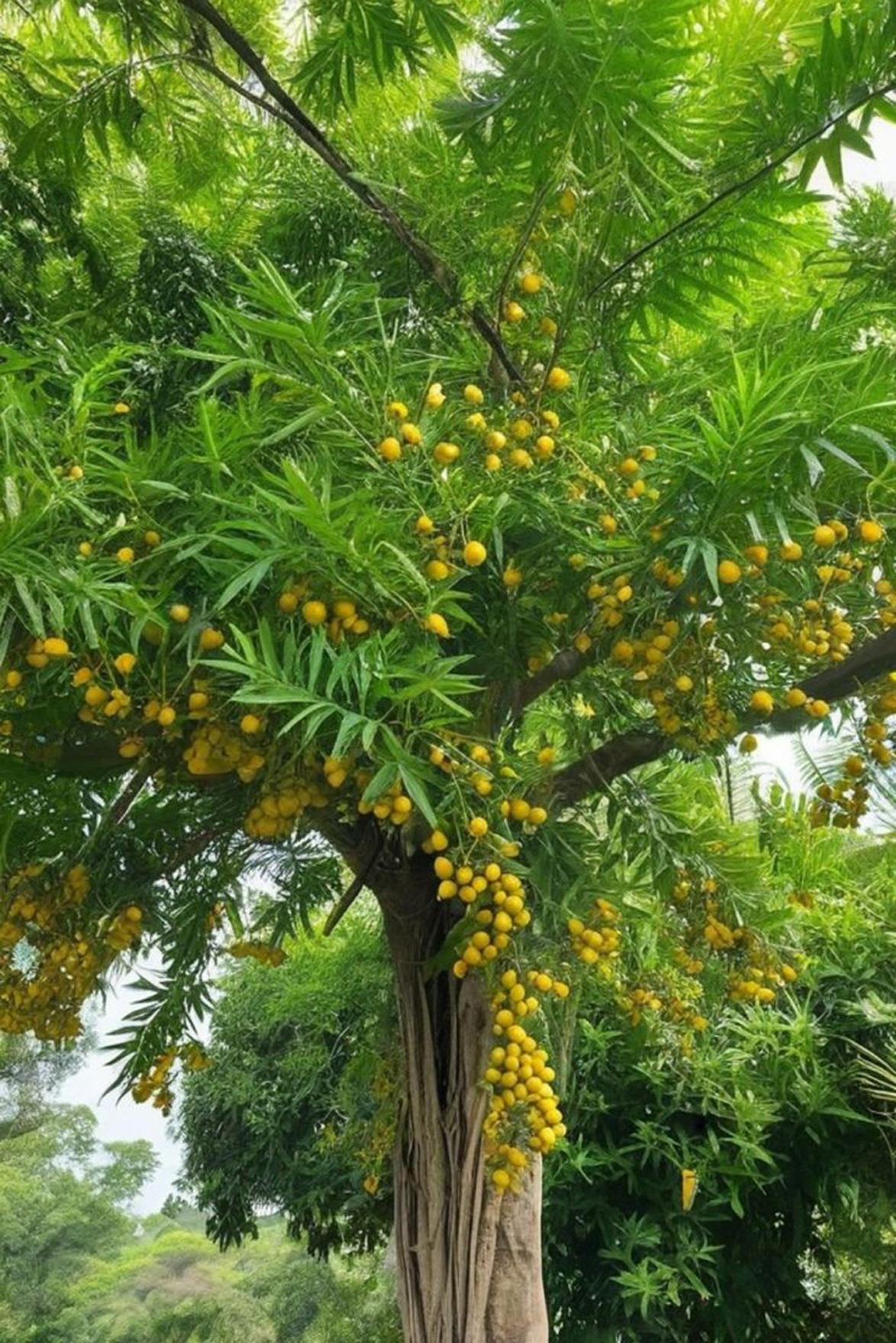
The neem tree found in parts of South Asia contains natural medicinal properties, pest-repellent qualities, and as an ingredient in traditional remedies, soaps, and agricultural pesticides. Communities across Asia have been using neem extracts as natural pesticide and medicine since the classical period. In the 1990s, a U.S. company was granted exclusive rights over a method of extracting neem oil for pesticide use, even though this knowledge had long been part of traditional practice. It was a “new invention” under Western patent law. It took over 100,000 farmers from India petitioning to remove this patent. Despite how common neem use was, proving this still took over 10 years, showing how vulnerable developing nations are under international patent systems.
Kothala Himbutu
Kothala himbutu, scientifically known as Salacia reticulata, has been used for centuries in Sri Lanka’s Ayurvedic system to manage diabetes and regulate blood sugar levels.
Traditional practitioners use concoctions made from its stems and roots. Importantly, this knowledge was not hidden or secret, it was widely practiced and passed down through generations in Sri Lanka. In modern times, Sri Lankan researchers and Ayurvedic institutions conducted further clinical studies validating its anti-diabetic properties. Under Sri Lankan intellectual property law, a direct patent on the plant itself would not succeed because it constitutes “prior art” (when an invention already exists) within traditional medicine. However, the legal vulnerability arises through a legal loophole in the IP system, where extracting a specific chemical compound, or “microbiological process” can be considered a new invention - even when used for the same purpose.
This is precisely what occurred when Japanese companies patented formulations derived from kothala himbutu for anti-diabetic foods and pharmaceuticals. While the plant itself remained unpatented in Sri Lanka, its extracted components were treated as “novel” inventions in foreign jurisdictions. The economic implications were significant. A patent on kothala himbutu restricts others from producing similar anti-diabetic products for export - meaning even though Sri Lanka cultivated this treatment, they cannot benefit from their own invention. Through this loophole, potential pharmaceutical profits are shifted to foreign corporations. In the case of Kothala Himbutu, what prevented this patent was not Sri Lanka's IP system but the Forestry Department that restricted large-scale export of raw plant material. Though it was successful, this was a reactive and fragile defense mechanism that exposed the need for a structural solution. Without stronger intellectual property safeguards tailored to traditional knowledge, similar attempts could succeed in the future.
The Legal Framework: TRIPS and Its Limitations
The global IP system is currently supported through the Agreement on Trade-Related Aspects of Intellectual Property Rights (TRIPS), administered by the World Trade Organization. TRIPS established minimum standards for IP protection that all member states must implement. The main problem with TRIPS is that it is fundamentally based in the concept of individual ownership. When faced with protecting knowledge that has been communally held for centuries, and in some cases never documented (or poorly so), it crumbles easily. Patent systems generally require novelty, inventiveness, and industrial applicability. Knowledge that has existed for centuries in oral or communal traditions often fails the “novelty” requirement in domestic contexts but can appear novel in foreign jurisdictions if it is undocumented in written scientific literature. For example, Sri Lankan ayurvedic treatments have been documented in the Bhesajja Manjusava since the 13th century on Ola leaf manuscripts. But until these ola leaf manuscripts are discovered, archived and registered in formal patent databases, there would be no usable evidence that Sri Lanka has the rights to this knowledge.
Economic and Cultural Damage
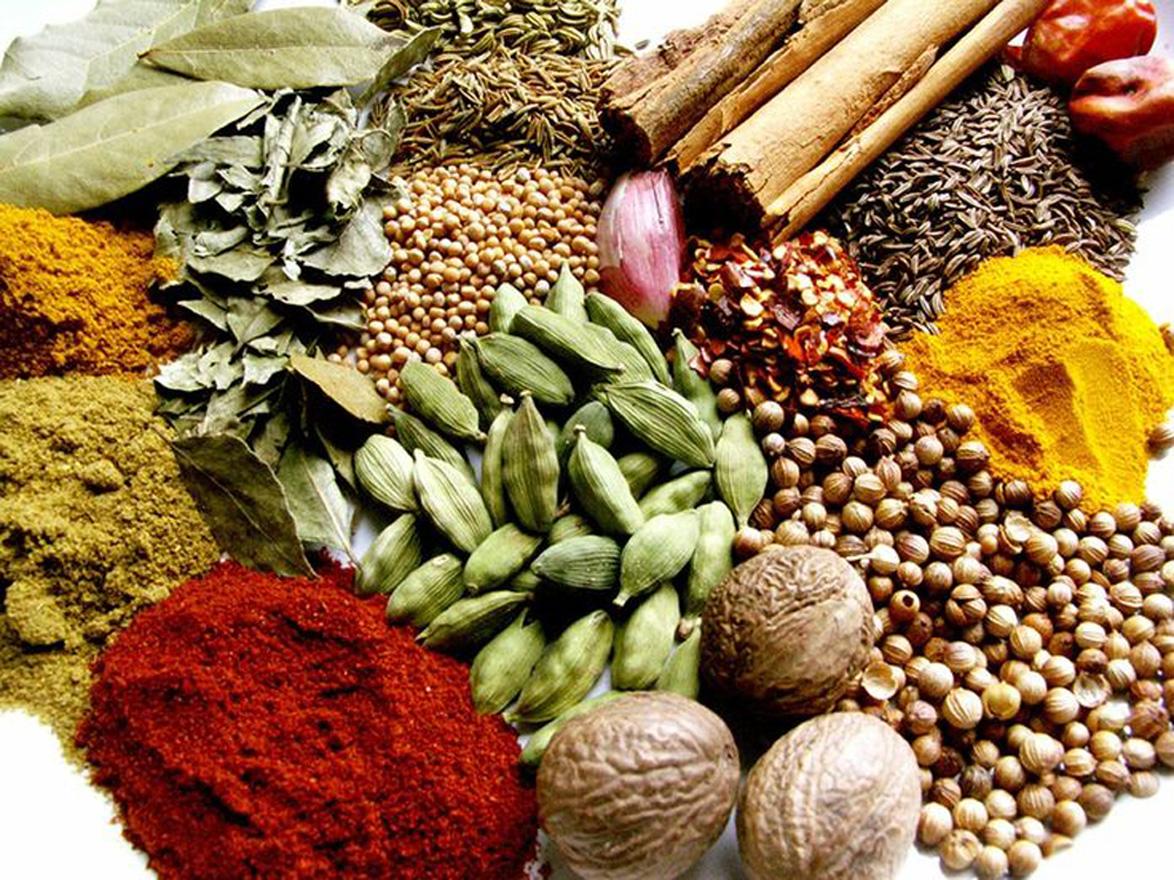
Globally, herbal and natural-medicine markets make over US$60 billion per year, driven by roughly 29,000 plant-based substances from biodiversity-rich countries. Sri Lanka is losing the potential for substantial export revenue. If a foreign company patents a product derived from a native plant, Sri Lankan producers may face restrictions or licensing fees to export similar products. The country also loses out on patent-related profits and royalties. Moreover, when foreign institutions conduct research on Sri Lanka’s biological resources without sharing the benefits, local research capacity suffers. Instead of investing in domestic research and development, profits are captured abroad. This limits funding for universities, scientific institutions, and innovation ecosystems within Sri Lanka. Culturally, the damage is equally significant. Traditional knowledge systems such as Ayurveda have been a collective heritage for centuries. Privatizing this knowledge would not align with the cultural values of Sri Lanka.
Learning from Other Models
Simply replicating European-style IP laws without adapting them to local realities may not offer sufficient protection. Taking inspiration from other developing nations we can implement proactive measures. For example, India created the Traditional Knowledge Digital Library (TKDL), a database documenting traditional medicinal knowledge in formats accessible to patent examiners worldwide. By translating ancient texts into patent-searchable classifications, India has successfully challenged numerous wrongful patents. Sri Lanka could implement a similar system, such as archiving and digitizing ola leaf manuscripts before any decay occurs. Through the case of kothala himbutu we can see the benefits of further funding and investment into medicinal research domestically. Traditional knowledge can only be beneficial when modernized and sufficiently protected. Therefore, legislative measures are crucial in safeguarding against biopiracy. Similar problems are faced in other biodiverse countries within Africa, such as South Africa and Rooibos, a sweet tea rich in antioxidants that was nearly patented in Europe. The African Union developed model laws addressing the protection of traditional knowledge and genetic resources- a multilateral agreement across many African nations that emphasize community rights, prior informed consent, and equitable benefit-sharing.
Some measures that Sri Lanka could adopt in our domestic IP act include:
- Legally defining traditional knowledge and community rights in the context of biopiracy
- Strengthening requirements for disclosure of origin in patent applications involving biological materials.
- Implement stricter access and benefit-sharing regulations aligned with international biodiversity agreements.
- More funding into research in Sri Lanka.
- Encouraging investment and patents based in ayurveda or preventing it from being patentable entirely under cultural heritage laws.
- Multilateral agreements with other biodiverse nations to prevent exploitation across borders.
Sri Lanka does have intellectual property legislation, but enforcement capacity, documentation mechanisms, and community protections remain limited. Reform should not merely copy foreign IP templates but instead integrate protection unique to the culture of Sri Lanka.