International Women’s Day: Celebrating the Strength and Impact of Sri Lankan Women
Every year on the 8th of March, the world celebrates International Women’s Day (IWD); a global day dedicated to recognising the achievements of women and advocating for gender equality. It is both a celebration and a reminder; a celebration of women’s contributions to society and a reminder that gender equality remains a work in progress in many parts of the world. For Sri Lanka, International Women’s Day carries particular significance. The island nation has produced remarkable female leaders and pioneers in politics, business, sports, media, the arts and social activism. At the same time, it continues to face challenges in achieving equal representation for women in leadership and decision-making. As Sri Lanka joins the global community in marking International Women’s Day, it offers an opportunity to reflect on the contributions of Sri Lankan women, the barriers they continue to face, and the inspiring figures who are reshaping the country’s future.
The Significance of International Women’s Day
International Women’s Day originated in the early 20th century, emerging from labour movements in Europe and North America advocating for better working conditions, voting rights and gender equality. Today, it has grown into a worldwide celebration that recognises the social, economic, cultural and political achievements of women. The day also highlights critical issues affecting women, including wage inequality, limited access to leadership positions and gender-based discrimination. Governments, organisations and civil society groups use the occasion to promote initiatives that empower women and encourage greater participation in leadership and governance. Beyond policy discussions, International Women’s Day plays an important symbolic role by showcasing inspiring role models who motivate future generations of women and girls to pursue their ambitions.
Women in Sri Lanka: Population and Social Role
Women form a slight majority of Sri Lanka’s population. According to demographic statistics, women account for approximately 52% of the population, making them a crucial pillar of the country’s social and economic structure. Sri Lankan women have historically achieved high literacy rates and strong educational attainment. Female students consistently perform well in national examinations and universities across the country. Women are also highly represented in sectors such as education, healthcare and public administration. However, despite these achievements, the participation of women in the formal labour force remains significantly lower than that of men. Cultural expectations, caregiving responsibilities and limited access to leadership opportunities continue to shape the professional landscape for many Sri Lankan women.
Women in Politics and Governance
Sri Lanka holds a unique place in global political history. In 1960, Sirimavo Bandaranaike became the world’s first female Prime Minister, breaking a major barrier in international politics. Her daughter, Chandrika Bandaranaike Kumaranatunga, later became Sri Lanka’s first female Executive President. Despite these historic milestones, women remain underrepresented in Sri Lankan politics.
In the current parliament, women occupy roughly 9.8% percent of seats, representing only about 22 out of 225. While this marks a gradual improvement compared to previous decades, the percentage remains significantly below the global average for female parliamentary representation. Increasing women’s participation in politics remains a key challenge for the country. Many advocacy groups continue to push for stronger policies, including quota systems and political mentorship programmes, to encourage more women to enter public life.
Women in Leadership and Business
Sri Lankan women have made important strides in entrepreneurship, corporate leadership and professional fields. From retail empires to global advocacy work, female leaders have demonstrated innovation and resilience. In the corporate world, women have begun to emerge as influential entrepreneurs and executives, helping to reshape industries ranging from retail and fashion to technology and sustainability. However, representation at boardroom level remains relatively low, highlighting the need for continued efforts to create inclusive leadership environments.
Inspirational Sri Lankan Women Game Changers
Across politics, business, sports, entertainment, science and social activism, Sri Lanka has produced remarkable women whose achievements have inspired both national and global audiences. These trailblazers have not only excelled in their respective fields but have also paved the way for future generations of Sri Lankan women to pursue leadership, innovation and excellence.
Dr. Harini Amarasuriya
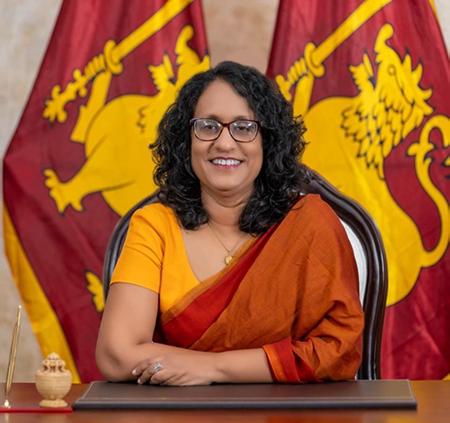
Dr. Harini Amarasuriya serves as the Prime Minister of Sri Lanka and represents a new generation of political leadership in the country. An academic and social scientist by training, she has long been recognised for her work in public policy, education reform and social justice. Her rise to one of the highest offices in the nation reflects the growing influence of women in Sri Lanka’s political landscape.
Otara Gunewardene
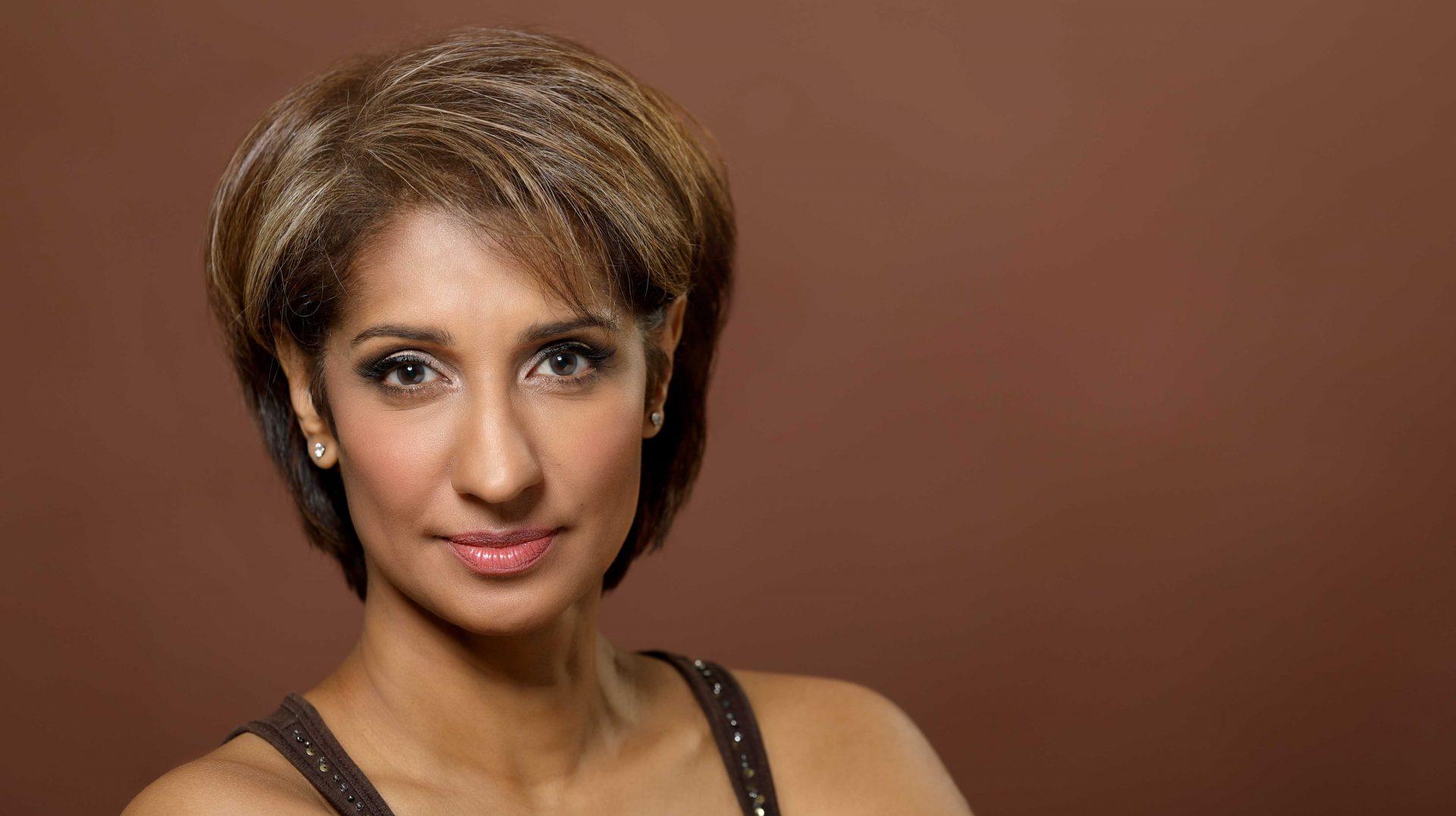
Founder of ODEL, Otara Gunewardene is one of Sri Lanka’s most successful entrepreneurs. She transformed ODEL from a small boutique into one of the country’s most recognised fashion retail brands. Beyond business, she is widely respected for her advocacy in animal welfare and environmental protection through the organisation Embark.
Kasturi Chellaraja
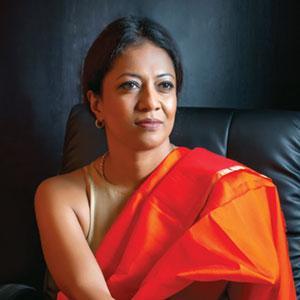
Kasturi Chellaraja is a prominent global corporate leader who previously served as Group CEO of Hemas Holdings, one of Sri Lanka’s largest conglomerates. Known for her strategic leadership and commitment to inclusive workplaces, she has become a strong advocate for diversity, equity and women’s leadership in the corporate sector.
Jayanthi Kuru-Utumpala
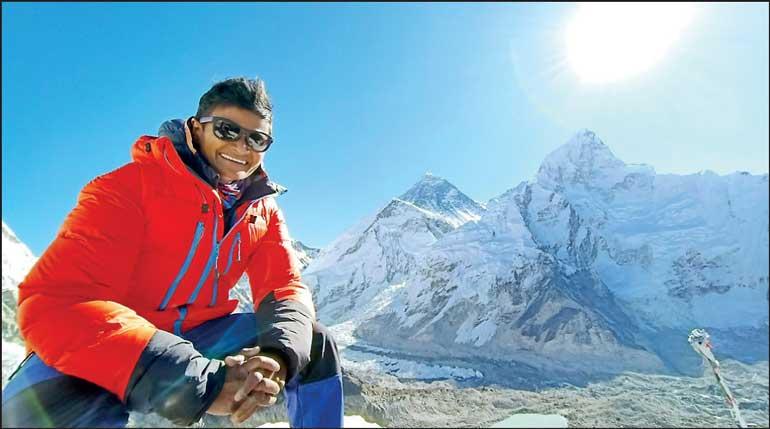
Mountaineer and activist Jayanthi Kuru-Utumpala made history in 2016 when she became the first Sri Lankan woman to summit Mount Everest. Her extraordinary accomplishment inspired national pride and demonstrated the power of resilience and determination. She continues to advocate for women’s empowerment and outdoor leadership.
Susanthika Jayasinghe
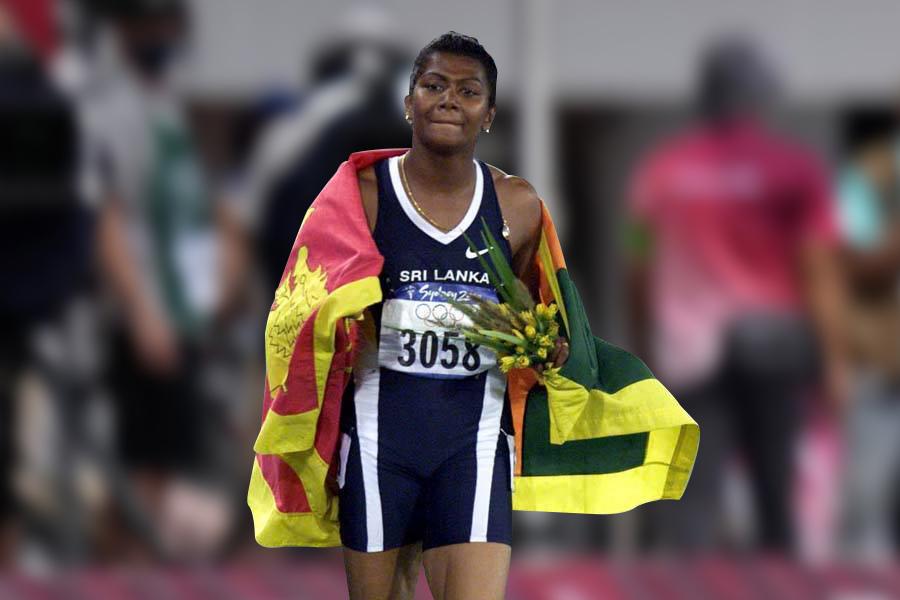
Olympic medallist Susanthika Jayasinghe remains one of Sri Lanka’s most celebrated athletes. She won a silver medal in the 200 metres at the 2000 Sydney Olympics, becoming the first Sri Lankan woman to win an Olympic medal. Her perseverance and achievements have made her an enduring sporting icon.
Yohani de Silva

Singer Yohani de Silva gained international recognition with her viral hit Manike Mage Hithe, which captivated millions of listeners around the world. Her music introduced Sinhala-language songs to a global audience and positioned her as one of the most influential contemporary Sri Lankan artists.
Jacqueline Fernandez
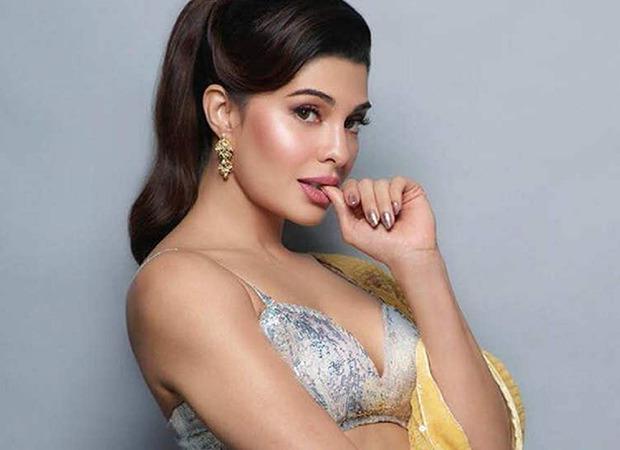
Born in Sri Lanka, Jacqueline Fernandez rose to international fame as an actress in the Indian film industry. A former Miss Sri Lanka Universe, she has built a successful career in Bollywood and has become one of the most globally recognised Sri Lankan entertainers.
Radhika Coomaraswamy
Radhika Coomaraswamy is an internationally respected human rights lawyer and diplomat. She served as the United Nations Special Representative on Children and Armed Conflict and has played a leading role in advocating for human rights, gender equality and justice on the global stage.
Sumitra Peries
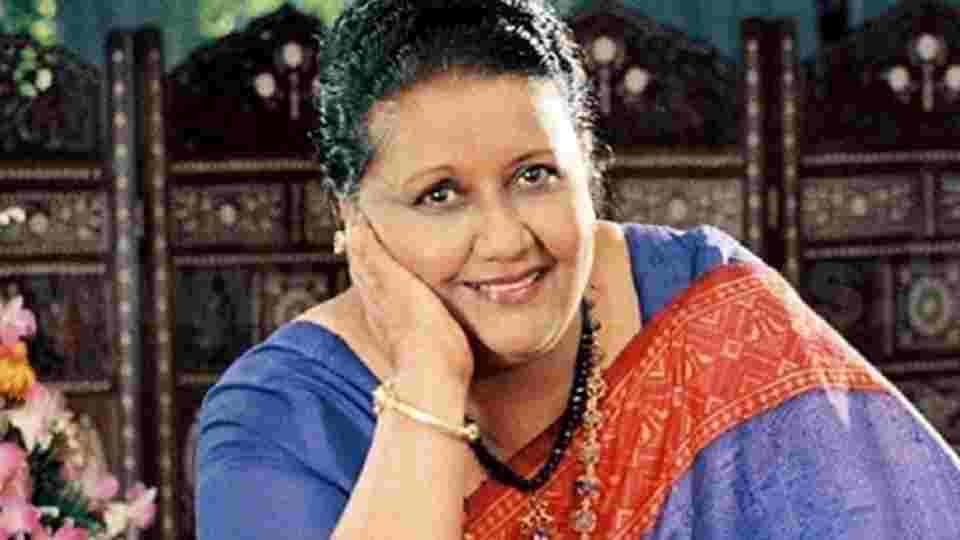
Sumitra Peries was a pioneering filmmaker and diplomat who left an indelible mark on Sri Lankan cinema. Widely known as the “Poetess of Sri Lankan Cinema,” her work elevated the artistic and cultural significance of film in Sri Lanka and inspired generations of filmmakers.
Asha de Vos
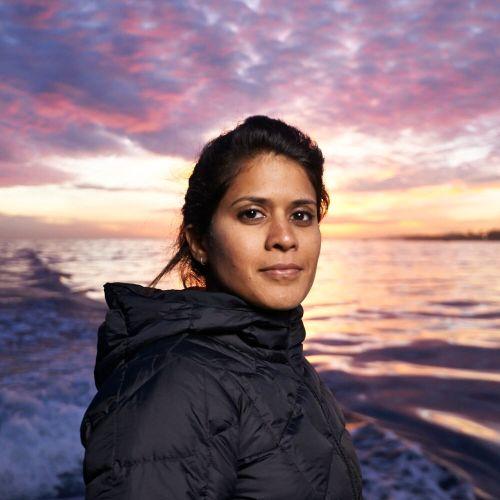
Marine biologist Asha de Vos is internationally recognised for her groundbreaking research on blue whales in the Indian Ocean. As the founder of Oceanswell, Sri Lanka’s first marine conservation research organisation, she has become a global voice for ocean conservation and science leadership.
Dr. Sulochana Segera
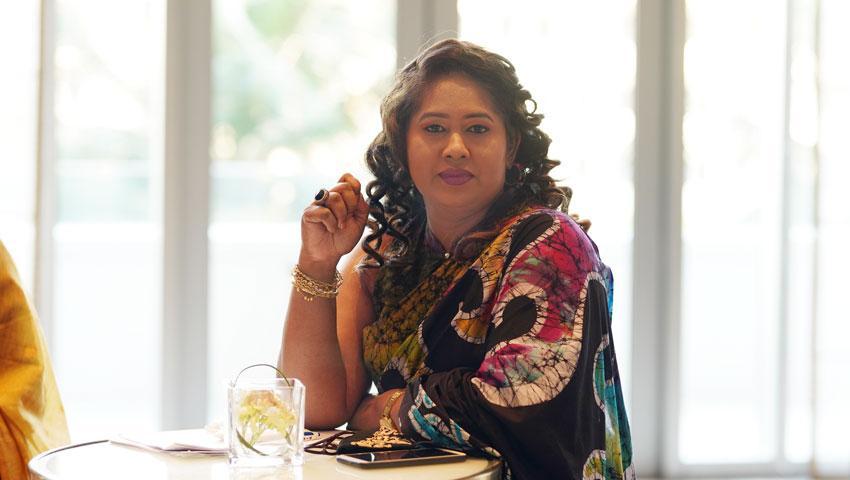
Dr. Sulochana Segera is the Founder and Chairperson of Women in Management (WIM), an organisation dedicated to empowering women leaders and advancing gender equality in the workplace. Through mentorship programmes, leadership training and global networking initiatives, she has played a pivotal role in promoting women’s leadership across Sri Lanka and internationally.
Rosy Senanayake
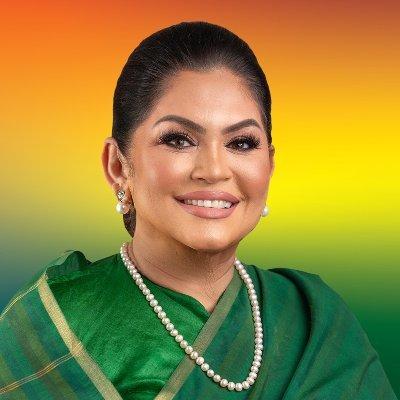
Rosy Senanayake is a distinguished public figure who has served as the Mayor of Colombo and previously held the title of Mrs. World. Her career spans diplomacy, politics and social advocacy, and she has long championed women’s empowerment, community development and public service.
Kimarli Fernando
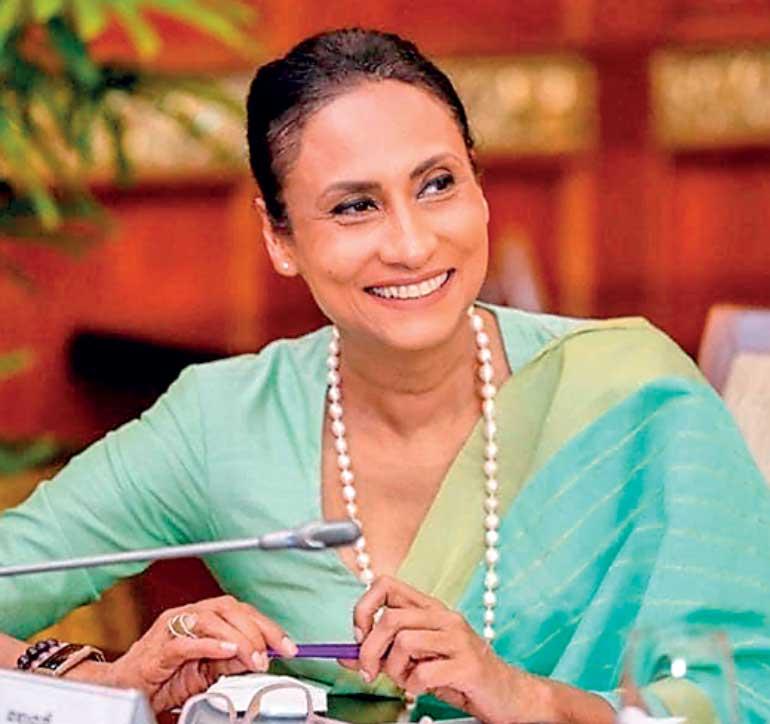
Kimarli Fernando served as the Chairperson of the Sri Lanka Tourism and played a key role in promoting Sri Lanka as a global travel destination during challenging periods for the tourism industry. Her leadership helped strengthen the country’s tourism strategy and international visibility, demonstrating the growing impact of women in national economic leadership.
Chamari Athapaththu
Captain of the Sri Lanka women’s national cricket team, Chamari is widely regarded as one of the greatest cricketers produced by the country. Known for her explosive batting and leadership on the field, she has helped elevate women’s cricket in Sri Lanka to international prominence.
Ramani Fernando
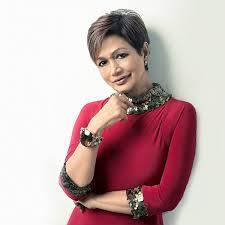
Ramani Fernando is one of Sri Lanka’s most respected figures in the beauty and fashion industry. As the founder of the Ramani Fernando Salon chain, she has built a highly successful brand while mentoring generations of hairstylists and beauty professionals in Sri Lanka.
Together, these remarkable women represent the strength, resilience and potential of Sri Lankan women. Their achievements continue to inspire future generations to challenge barriers, pursue leadership and contribute meaningfully to society.
The Road Ahead
While Sri Lanka has produced extraordinary female pioneers, greater efforts are still needed to achieve gender equality. Increasing women’s participation in politics, expanding leadership opportunities in business and supporting women entrepreneurs are essential steps toward building a more inclusive society. Education, mentorship and policy reforms can help empower young women to pursue leadership roles across sectors. Equally important is the need to challenge social stereotypes that limit women’s opportunities and ambitions.
International Women’s Day serves as both a celebration and a call to action. It honours the achievements of women who have shaped history while reminding societies that the pursuit of gender equality must continue. Sri Lanka’s story reflects resilience, talent and determination. From world-first political leaders to pioneering entrepreneurs, Olympic athletes and global entertainers, Sri Lankan women have consistently demonstrated their ability to break barriers and inspire change. As the country continues its journey toward greater equality, the contributions of women will remain central to shaping a more progressive, inclusive and prosperous Sri Lanka.