Why Christmas Feels Like a Pause Before Life Restarts
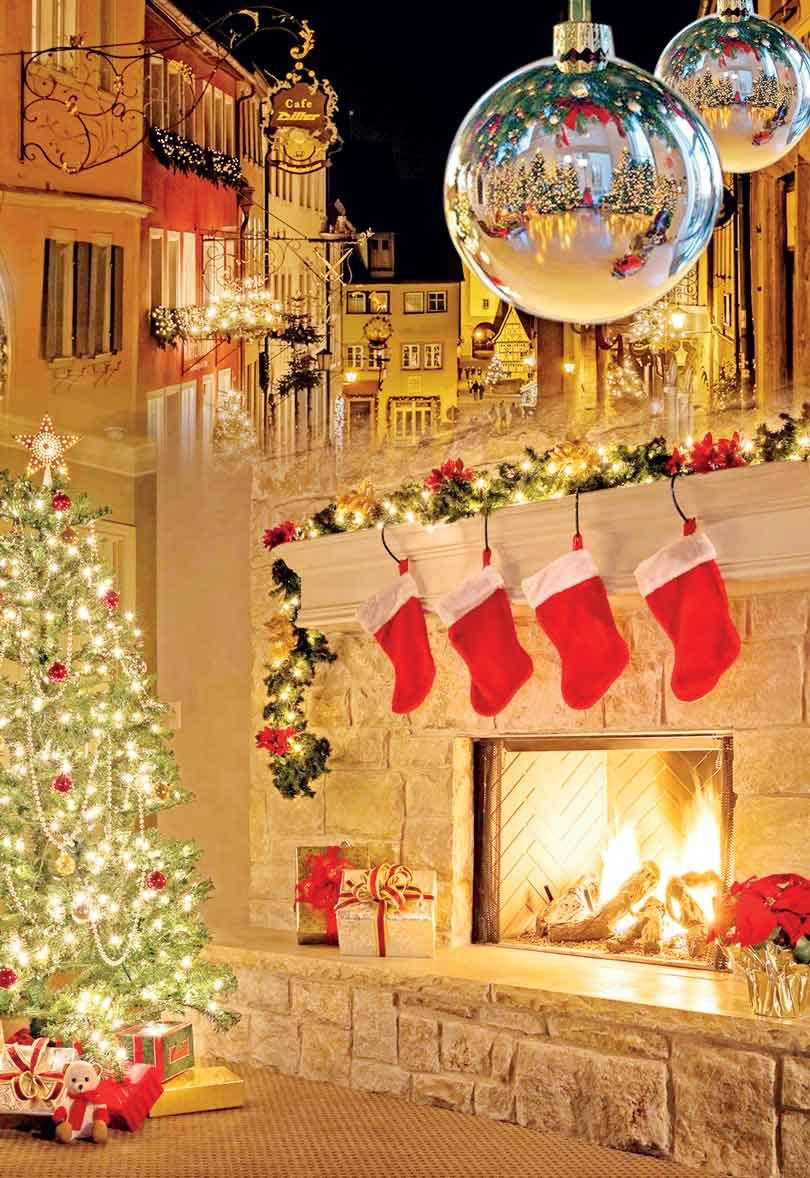


There is something about Christmas that makes time feel different. The days still pass, the clocks still tick, and yet everything slows, almost as if life itself has leaned back, taken a deep breath, and asked us to do the same. It is not quite an ending, and not yet a beginning. Christmas exists in that gentle in-between space, a pause before life restarts.
Throughout the year, we move with urgency. We plan, push, respond, and recover, often without noticing how tired we’ve become. Days blur into deadlines, weeks into responsibilities. But when Christmas approaches, something shifts. Even if our routines don’t fully stop, the pace softens. There is an unspoken permission to pause, emotionally, mentally, sometimes even physically.
Perhaps this feeling comes from how Christmas interrupts our usual rhythms. Offices slow down, emails grow quieter, calendars suddenly show empty spaces. Conversations change tone. Instead of asking, “What’s next?” we ask, “How have you been?” The world doesn’t stop, but it loosens its grip just enough for us to look around and notice ourselves again.
Christmas also carries the weight of reflection. It arrives at the end of the year when we are naturally inclined to look backwards before moving forward. We remember the moments that shaped us, both the ones we celebrate and the ones we quietly carry. Successes feel sweeter, regrets more tender. At Christmas, reflection doesn’t feel like an obligation; it feels like a gentle invitation. There is no pressure to analyse everything perfectly. We simply sit with what was.
This pause is deeply emotional. Christmas brings memories to the surface, childhood mornings, familiar songs, people who once filled our homes and lives. Some memories are warm and comforting, others ache softly. Yet even the painful ones remind us that we have lived, loved, and grown. In this sense, Christmas does not ask us to be cheerful all the time. It allows room for complexity. Joy and sadness coexist, and that honesty feels oddly restful.
Another reason Christmas feels like a pause is because it reconnects us to meaning beyond productivity. For most of the year, our value is subtly tied to how much we do. At Christmas, being matters more than doing. Sitting together, sharing food, listening to stories, lighting candles, these moments don’t demand efficiency. They simply ask for presence. And presence, for many of us, is something we rarely practice.
There is also comfort in familiarity. Traditions, whether religious or cultural, repeat themselves each year like a familiar melody. The same prayers, the same decorations, the same meals. In a world that constantly demands change and adaptation, repetition feels safe. It reminds us that not everything needs to be reinvented. Some things are meant to stay, grounding us while everything else moves forward.
Christmas feels like a pause because it holds hope without urgency. Unlike New Year’s resolutions, which often arrive with pressure and promises, Christmas offers hope in a softer form. It whispers rather than shouts. Hope appears in small gestures, a kind word, a shared laugh, a quiet moment of gratitude. There is no demand to fix everything immediately. Instead, we are reminded that light can exist even before things fully change.
This pause is especially noticeable when the year has been heavy. When life has been uncertain, painful, or exhausting, Christmas becomes a resting place. Not a solution, not a miracle cure, but a moment to set things down. We don’t have to have answers yet. We don’t have to know how the next chapter will unfold. For a brief while, it is enough to simply be held by the season.
Interestingly, Christmas does not erase our problems. Bills still wait, responsibilities return, life will restart soon enough. But the pause changes how we face what comes next. Rest, even emotional rest, reshapes perspective. When we step back, we remember that we are more than our struggles. We rediscover parts of ourselves that got buried under routine and survival.
There is also something symbolic about Christmas arriving in the quiet of the year’s end. The days are shorter, the nights longer. Nature itself seems to slow down. In that stillness, we are reminded that rest is not laziness; it is preparation. Just as fields lie fallow before new growth, we too need seasons of pause before renewal.
As Christmas passes, life gradually restarts. Emails return. Traffic thickens. Plans reappear. But if we are paying attention, we carry something with us from the pause. Maybe it’s a sense of perspective, a softened heart, or a renewed awareness of what truly matters. The pause doesn’t disappear; it becomes part of how we move forward.
In many ways, Christmas teaches us that life is not meant to be lived at full speed all the time. Pauses are not interruptions; they are essential. They allow us to heal, reflect, and realign. They remind us that before we rush into becoming, we must remember how to be.
And so Christmas feels like a pause before life restarts, not because everything is perfect, but because everything is allowed to rest. It is a sacred breath between chapters. A moment where time gently holds us and says, “You can slow down now. The next step will come.”