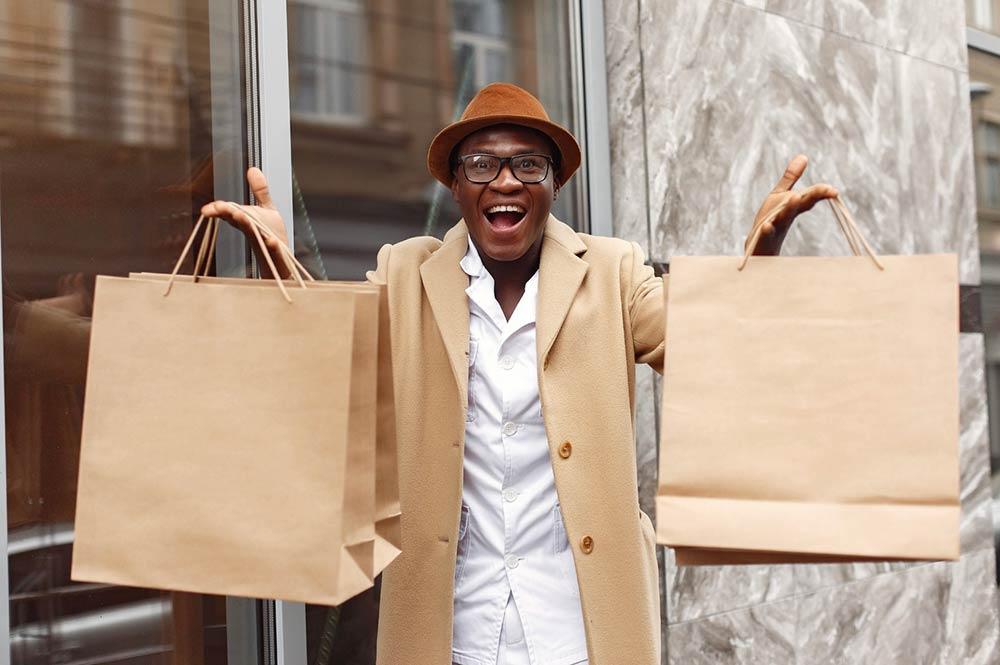
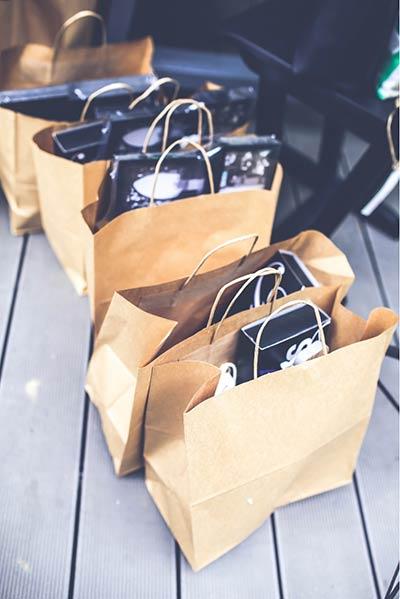
For decades, we have casually used the phrase retail therapy, a light-hearted justification for impulsive shopping sprees, emotional purchases, and moments of self-soothing at the checkout counter. Bad day? Buy something. Stressful week? Treat yourself. Heartbreak, burnout, boredom? Add to cart.
 But beneath this seemingly harmless habit lies a sophisticated system of psychological conditioning, corporate strategy, and emotional manipulation that has fundamentally rewired the way we relate to clothing, consumption, and even happiness itself. Retail therapy did not happen by accident. It was carefully engineered.
Over the past century, our shopping habits have transformed dramatically. Where once clothing was bought occasionally, mended carefully, and worn for years, today it is often purchased impulsively, worn briefly, and discarded quickly. Consumption has accelerated to such an extent that the fashion industry now produces over 100 billion garments annually, more than enough to clothe the global population several times over. Yet wardrobes feel perpetually lacking, and closets remain perpetually full. What changed? The answer lies in a complex web of psychology, marketing strategy, and industrial design, a system that trains consumers to buy not because they need, but because they feel.
The Rise of Shopping as Emotional Regulation
Human brains are wired to seek pleasure and relief from discomfort. When we buy something new, our brains release dopamine, the neurotransmitter associated with reward and motivation. This brief chemical surge creates a temporary sense of pleasure, novelty, and emotional relief. For a moment, we feel better. But like all dopamine-driven habits, the effect fades quickly. The excitement wears off, satisfaction diminishes, and we are left with a familiar emotional baseline, or sometimes, a deeper sense of emptiness. To regain that fleeting pleasure, we buy again. Thus begins the cycle: stress, purchase, brief relief, emotional drop, repeat.
Research consistently shows that buying more does not lead to long-term happiness. In fact, studies tracking over 2,500 consumers across six years found that increased materialism was directly linked to greater loneliness. Even more strikingly, loneliness itself then drove increased consumption, creating a self-reinforcing loop of emotional need and material excess. Retail therapy, in this light, becomes less about pleasure and more about emotional regulation, a coping mechanism for stress, isolation, insecurity, and dissatisfaction. Fashion brands understand this dynamic deeply. And they design their entire business models around it.
Training Customers Not to Think
The late 1990s and early 2000s marked the explosive rise of fast fashion. Brands such as Zara, H&M, and Forever 21 fundamentally reshaped the pace and psychology of clothing consumption. Rather than restocking bestsellers, a traditional retail model, Zara focused on continuously introducing new designs. Each store visit promised novelty. Each rack delivered fresh temptation. Scarcity became deliberate: if you hesitated, the garment might disappear by next week.
Over time, this strategy trained consumers not to pause, compare, or consider. Instead, shoppers learned to act quickly, impulsively, and emotionally. The results were staggering. Zara successfully trained its customers to visit stores an average of 17 times per year, compared to the industry average of just four. This wasn’t simply clever merchandising; it was behavioural engineering. When novelty becomes constant, boredom arrives faster. When trends rotate weekly, satisfaction expires rapidly. When clothing becomes cheap and abundant, emotional attachment evaporates. We no longer form relationships with our garments; we consume them. The garment becomes disposable, psychologically, long before it becomes physically worn out.
Planned Obsolescence: Designing Things to Die
The idea that brands intentionally design products to fail might sound cynical, but it is deeply rooted in industrial history. Planned obsolescence emerged in the early 1930s during the Great Depression. Manufacturers, facing collapsing demand, began deliberately designing products with shorter lifespans to encourage repeat purchases. The logic was brutally simple: if things lasted longer, people would buy less. Over time, this philosophy became embedded across industries, from electronics to appliances to fashion. In clothing, physical durability quietly declined. Cheaper fibers, weaker stitching, thinner fabrics, and fragile finishes became standard. Garments were designed not for longevity, but for speed: speed of production, speed of trend, speed of turnover. Brands, quite literally, plan on you throwing things away so you will buy more. But perhaps even more powerful than physical deterioration is psychological decay.
Psychological Obsolescence: When Your Mind Is the Product
Psychological obsolescence refers to the process by which consumers are conditioned to perceive perfectly functional products as outdated, undesirable, or embarrassing, simply because they are no longer “on trend.” As Tara Button writes in A Life Less Throwaway, psychological obsolescence is “even more insidious and dangerous than physical obsolescence, because with the right messaging, marketers can get into your head and make you dislike the things that you liked perfectly well when you bought them.” This is where fashion’s true power lies: not in fabric or form, but in narrative. Season after season, we are told what is in, what is out, what is desirable, and what is obsolete. Trends now move at such velocity that garments can feel dated within weeks. The same top that felt exciting last month suddenly looks tired, wrong, or embarrassing, not because it changed, but because the story around it did. Through social media, influencer marketing, runway imagery, and algorithmic feeds, trend messaging now infiltrates our consciousness daily. Our sense of identity becomes subtly entangled with constant consumption. In this system, dissatisfaction is not a flaw, it is the business model.
The Environmental Cost of Emotional Shopping
The environmental consequences of this system are devastating. Globally, an estimated 92 million tonnes of textiles end up in landfill each year. Many garments are worn fewer than ten times. Some are never worn at all.
Yet the irony is profound: the potential positive impact of simply buying less and using what we already own for longer is enormous. According to a 2011 Carbon Trust report, doubling the useful life of clothing from one year to two years reduces emissions by 24%. A single behavioural shift, wearing garments longer, could significantly cut carbon output, water usage, and textile waste. This reveals a powerful truth: sustainability does not begin with innovation or technology. It begins with restraint. Less novelty. Less impulse. Less emotional outsourcing to consumption.
The Emotional Hunger Beneath Consumption
Why, then, do we continue to buy? Because retail therapy fills emotional gaps. Loneliness, anxiety, boredom, insecurity, social pressure, digital overstimulation, all feed into our desire for novelty and validation. Purchasing offer’s temporary identity reinforcement: a new dress promises a new version of ourselves. A new bag offers a sense of upgrade. A new trend suggests belonging. But these emotional needs cannot be permanently satisfied by material objects. Instead, they accumulate, demanding ever more frequent consumption to maintain the illusion of fulfilment. We live in an era of unprecedented abundance, yet profound emotional scarcity.
The Power of Pause
Sometimes, all that is required to break a negative cycle is a pause long enough to see clearly.
- A pause before purchase.
- A pause before impulse.
- A pause before emotional spending.
In that pause, important questions arise: Why do I want this? What feeling am I trying to satisfy? Will this garment serve my life, or merely decorate my mood for a moment? True luxury today is not excess. It is intention. It is choosing garments that carry story, craftsmanship, cultural depth, and longevity. It is wearing clothing not as emotional compensation, but as conscious expression. In an age of hyper-speed, slowness becomes radical.
Reclaiming Clothing as Relationship, Not Transaction
For centuries, clothing held emotional, cultural, and personal significance. Garments were repaired, altered, handed down, and cherished. They recorded memory, labour, and lineage. Today, rebuilding that relationship requires deliberate resistance to the systems designed to fracture it. Choosing fewer, better pieces. Supporting craftsmanship over speed. Valuing durability over novelty. Wearing garments until they carry story, not trend fatigue. When clothing returns to being something we live in, rather than something we dispose of, fashion regains its humanity.
Beyond Retail Therapy: Toward Emotional Literacy
Ultimately, retail therapy reflects a deeper cultural challenge: emotional illiteracy. We have become experts at consuming, but novices at processing emotion.
Instead of sitting with discomfort, we distract ourselves. Instead of understanding loneliness, we purchase. Instead of addressing burnout, we shop. Yet healing lies not in accumulation, but in awareness. When we begin to recognize our emotional triggers, consumption loses its grip. When we reconnect with purpose, identity, and creativity, shopping returns to its rightful place: a tool, not a therapy.
A Quiet Revolution
A subtle shift is already underway. Consumers are increasingly questioning trends, demanding transparency, and rediscovering repair, resale, and reuse. Capsule wardrobes, conscious curation, and slow fashion are no longer fringe ideas, they are becoming necessary responses to a broken system. This movement is not about deprivation. It is about liberation.
- Liberation from clutter.
- Liberation from impulse.
- Liberation from emotional dependence on objects.
The most radical act today may simply be to want less and live more. Retail therapy taught us to chase happiness through purchase. Conscious living teaches us to find it through presence. Perhaps fashion’s next great evolution will not be a silhouette or a colour, but a mindset: one that replaces impulse with intention, speed with slowness, and consumption with connection. Because sometimes, the most powerful thing we can do is pause, and remember that we already have enough.