THE SECRET OF THE MOONSTONE
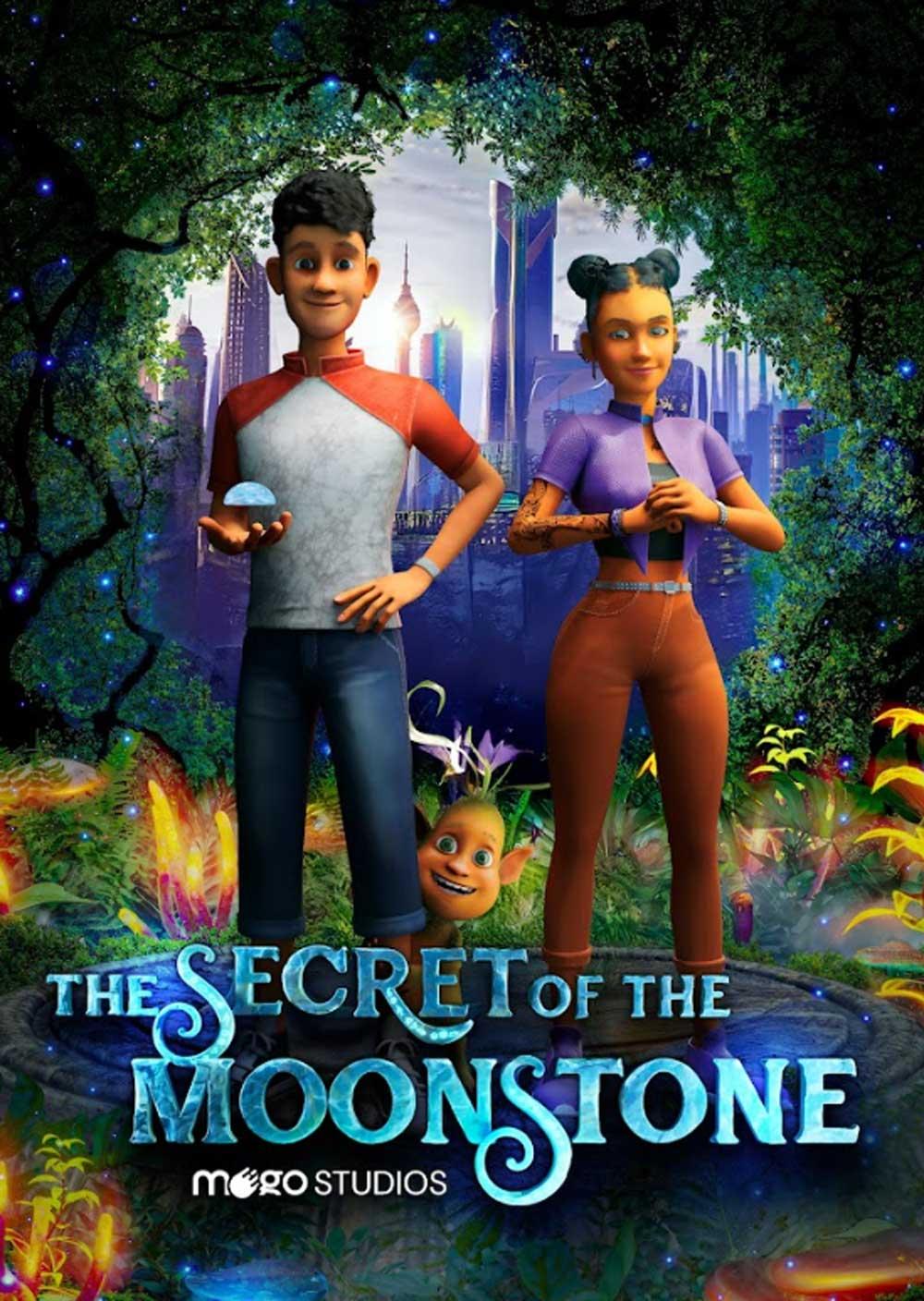
Sri Lanka is stepping into uncharted cinematic territory. With The Secret of the Moonstone, the island is poised to debut its first fully homegrown animated feature crafted for both local audiences and the world beyond its shores. The film moves seamlessly between a sleek, futuristic Colombo and the island’s ancient, mystical landscapes, weaving folklore, imagination, and modern storytelling into a visually arresting adventure. More than just a movie, it represents five years of experimentation, resilience, and industry-building by Mogo Studios, which has helped lay the groundwork for a new era of
Sri Lankan animation. I engaged Sachitha Kalingamudali, General Manager of Mogo Studios, in conversation about the film’s creation, its creative vision, and what it signals for the future of Sri Lankan storytelling on the global stage.
QIf you had to describe The Secret of the Moonstone in a single sentence, what would you say?
The Secret of the Moonstone is Sri Lanka’s first international animated feature, a futuristic adventure that moves between modern Colombo and the island’s mystical forests while following two young friends on a journey shaped by folklore, friendship, and personal discovery. It is a story that feels unmistakably Sri Lankan in its spirit yet universal in its emotional core.
QYou describe this as Sri Lanka’s first international animated feature. What makes it international in scope?
From the very beginning, this was never meant to be just a local film. The script was written in English so that it could speak directly to audiences beyond Sri Lanka. At the same time, we were careful not to dilute the Sri Lankan identity of the story. Instead, we aimed for storytelling that is culturally rooted but emotionally accessible to anyone, anywhere. We also set very high standards for production quality. Our goal was not to make something that would be considered good for Sri Lanka, but something that could compete with animated features produced anywhere in the world. Structurally, the film has been designed so that it can be easily adapted into multiple languages, which opens up possibilities for international distribution.
QHow did the idea for this project first come about?
The original vision came from our producer, Pradeepa Jeeva, who has long believed that Sri Lanka has the talent and creativity to build a meaningful animation industry. In the early years, Mogo Studios focused on doing short animations, and experimental digital work. However, Pradeepa always had a bigger dream. She wanted a flagship project that could showcase Sri Lankan artistry on a global stage while also helping to create real job opportunities for local artists. Over time, that dream evolved into The Secret of the Moonstone, a film deeply inspired by Sri Lankan folklore, landscapes, architecture, and visual culture.
QHow was the script developed and who was involved in the writing process?
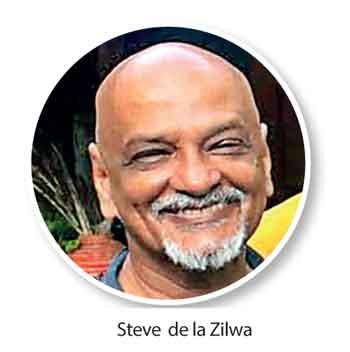
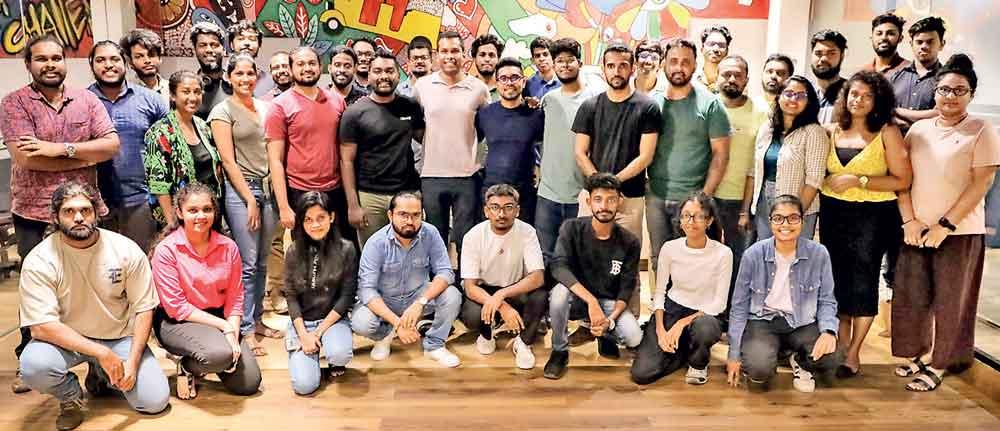
The script was developed entirely in house by a core creative team made up of Producer Pradeepa Jeeva, Director, Steve La de Zilwa, and Deputy Chairman, Laksiri Wickramage.
Rather than bringing in an external writer, we treated the process as a collaborative writers room where ideas were constantly discussed and refined. This meant that the story evolved organically over time. Different perspectives shaped different aspects of the narrative, from character development to pacing, themes, and cultural references.
QHow did the script change during production?
As this was our first animated feature, the process was not always straightforward. Locking the script took longer than expected, and changes continued even after animation had begun. While this is not ideal in a traditional production pipeline, it became part of our learning curve. In hindsight, those challenges helped us build a much clearer roadmap for future projects. We now understand far better how to structure development, pre-production, and storytelling for large scale animated films.
QWho were the key creative leaders behind the film?
The film was led by Director Steve La de Zilwa and Producer Pradeepa Jeeva. Supporting them were Assistant Directors Siobhan Manuelpillai and Dinura Ratnayake, as well as CG Supervisor Ravihara Perera, who played a crucial role in shaping the technical and visual direction of the animation.
QCan you tell us more about the team that worked on the film?
At its peak, the production involved around 70 artists, most of whom were Sri Lankan. Many of them did not come from traditional animation backgrounds, so we trained them in house before integrating them into the production pipeline. We also worked with a small number of overseas consultants who helped guide us in areas such as animation workflow, rendering, and technical problem solving. This process eventually led to the creation of Mogo Media Academy, which now trains the next generation of Sri Lankan animators.
QHow would you describe the animation style of the film?
We opted for a grounded and realistic animation style rather than a highly stylised or cartoonish approach. At the same time, we allowed for exaggerated facial expressions and body language to heighten emotion and storytelling. This balance helps the audience connect with the characters while still feeling immersed in a visually imaginative world.
QWhat kind of technology did you use in production?
We used motion capture technology to bring a sense of realistic performance to the characters. This allowed actors’ movements and expressions to be translated into animation in a more natural way. For rendering, we used Unreal Engine, which enabled real time workflows. This was incredibly useful because it allowed the team to see changes instantly and refine scenes more efficiently.
QWhat were the biggest challenges you faced during production?
The main challenge was technical expertise. Sri Lanka had never produced a full-length animated feature of this quality for a global audience before. Hence there was no established pipeline or industry model for us to follow.
We spent months researching, experimenting, and problem solving. There were many moments when we had to invent solutions from scratch. But in doing so, we built a foundation that future productions can now benefit from.
QHow long did the entire process take?
The project took five years in total. The first two years were dedicated to research and development, during which we experimented with technology, storytelling, and animation techniques. The third year focused on pre-production, including character design, storyboarding, and world building. The final two years were spent in full production, bringing the film to life.
QWho voices the main characters?
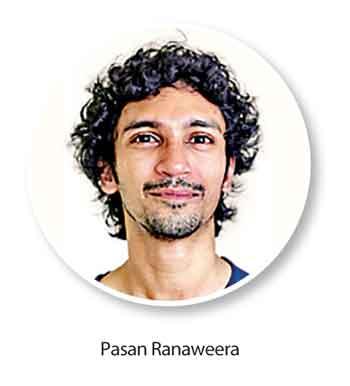
We wanted the film to have an entirely Sri Lankan voice cast to maintain authenticity. Several artists contributed, including Pasan Ranaweera who voiced Lucky, Jeana de Zoysa voiced Taniya, and Nimmi Harasgama played Lucky’s mother. Their performances add emotional depth and cultural texture to the story.
QIn which languages will the film be released?
The film will be released in English and Sinhala within Sri Lanka. We are also planning multiple international language versions to reach audiences in different regions around the world.
QWhat can you tell us about the music and sound design?
The original score and songs were composed by Sankha Bopearachchi and Ken Christopher Lappen. Their music blends modern cinematic elements with traditional Sri Lankan influences.
Sound design was handled by Lakshitha Fonseka under the supervision of Sasika Ruwan Marasinghe, ensuring that every scene feels immersive and emotionally resonant.
QDid you use artificial intelligence in making the film?
No, we did not use AI tools in the making of this film. Everything was created through traditional animation techniques, artistic skill, and human creativity. However, for future projects, we are open to using AI selectively as a tool to enhance efficiency, as long as it does not compromise originality or artistic integrity.
QWhen will the film be released?
We are planning a theatrical release with a rollout across Sri Lanka around the middle of the year. We want audiences to experience this first in cinemas before it moves to other platforms.
QWhat are your plans for global distribution?
We are currently finalising discussions with international distribution partners. While we cannot share specific details just yet, we are optimistic about taking the film to audiences beyond Sri Lanka.
QWill the film be available on streaming platforms?
Yes, we are in discussions regarding OTT distribution, but we will announce those plans once deals have been confirmed. Our priority is to give the film a strong theatrical life first.
QWhat is next for Mogo Studios?
We are already developing a new animated feature in collaboration with PowerKids Entertainment in Singapore and Climb Studios in India. We are also working on an animated children’s series and a second in house feature film. Our long-term goal is to establish Sri Lanka as a recognised hub for animation in South Asia and beyond. The Secret of the Moonstone is just the beginning of that journey.