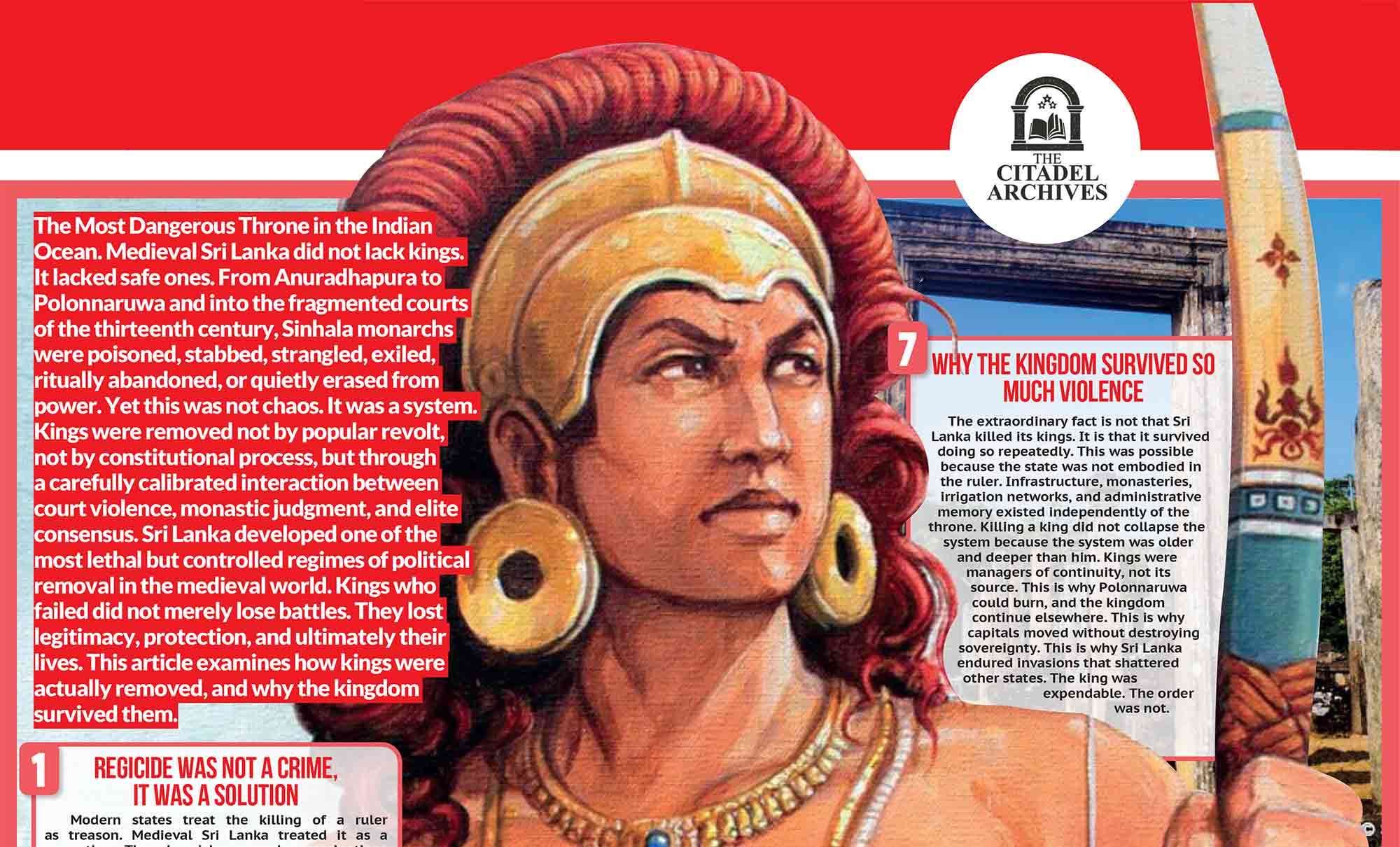
I Wish to Have a Tricycle
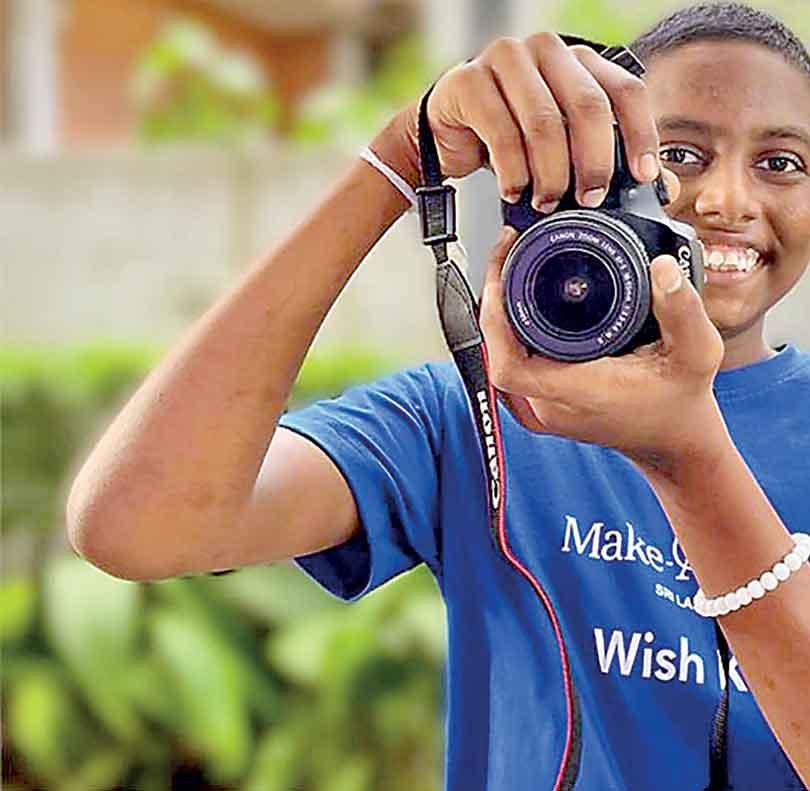
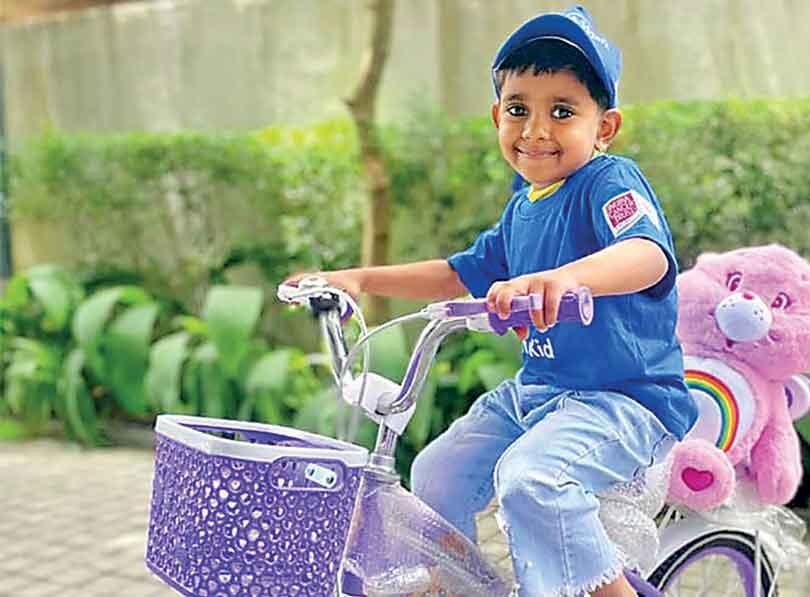
I Wish to Have a Camera
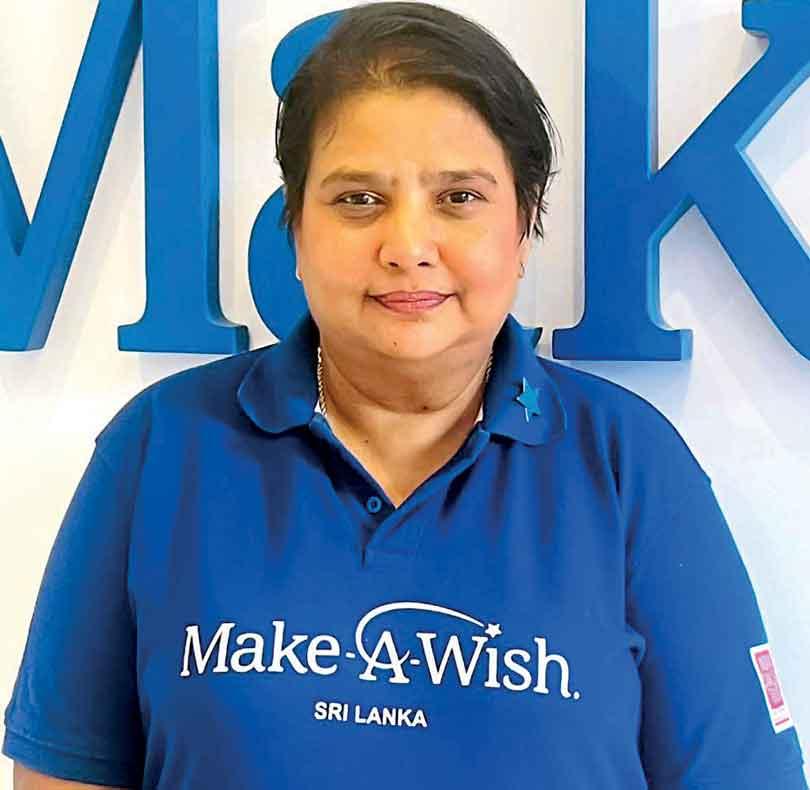
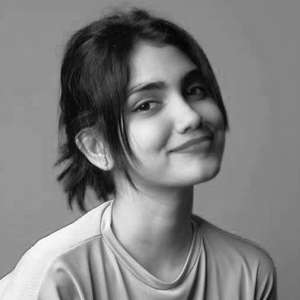
Sonali Perera
By Thaliba Cader
In hospital corridors where time is measured in test results and treatment cycles, childhood often becomes an afterthought. For children living with critical illness, joy is postponed, routines are replaced by uncertainty, and imagination quietly recedes behind clinical necessity. Yet within these spaces, something less tangible but equally vital persists: the human need to hope.
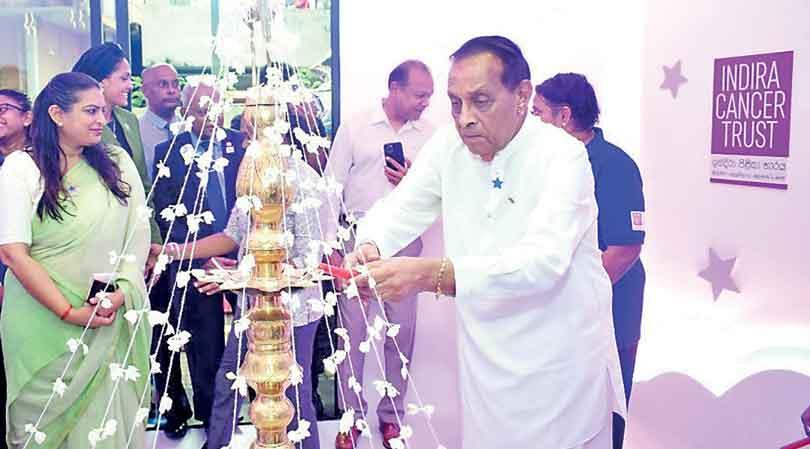
Make-A-Wish Sri Lanka operates in this narrow but powerful margin between medicine and meaning. Launched in collaboration with the Indira Cancer Trust, with the vision of Hon. Karu Jayasuriya and inspired by the immense courage, faith, and dignity of his beloved daughter Indira during her battle with cancer, the initiative does not seek to cure illness but to momentarily loosen its hold. He understood deeply that the support of family can be a lifeline in the face of unimaginable challenges. The Indira Cancer Trust was founded to ensure that no one has to face cancer alone. It is a place where compassion, care, and love come together to provide strength and hope to those who need it most. Through carefully crafted wishes, Make-A-Wish offers children the chance to step beyond diagnosis and reclaim a sense of self, however briefly.
At the heart of this work is Sonali Perera, Head of Wish Granting, whose role places her at the intersection of logistics and empathy, fantasy and restraint. She is supported by her dedicated team members Yasmina Weerabangsa Wish Capture Specialist and Bhagya Pinnalanda Wish Design Specialist, who together shape the process with care and creativity. Their days are shaped by listening deeply, negotiating realities, and honouring the quiet resilience of children who ask not for miracles, but for moments of normalcy, wonder, and joy.
In this conversation, Perera reflects on the place of hope within modern healthcare, the responsibility of entering fragile lives with care, and the lasting power of memories created in the shadow of illness.
1. In a medical landscape dominated by protocols, statistics, and survival rates, where do you believe hope belongs, and how does Make-A-Wish Sri Lanka consciously create space for it?
Hope belongs alongside medicine, not as an alternative but as a companion. While medicine focuses on curing the body, hope tends to the spirit. At Make-A-Wish Sri Lanka, we intentionally create space for hope by shifting the narrative from illness to possibility. A wish is not about ignoring medical reality. It is about reminding a child that they are more than their diagnosis. In the midst of clinical routines, a wish introduces colour, anticipation, and joy, which are small but powerful reminders that life still holds moments worth dreaming about.
2. Many of the children you work with are navigating a profound loss of normalcy. How do you approach the responsibility of entering such fragile moments in their lives with care and restraint?
We enter gently, always as listeners first. Every child and family carries their own rhythm of grief, resilience, and hope. Our responsibility is not to rush in with answers or solutions but to meet them where they are, with humility and respect. Sometimes that means sitting quietly, allowing space for trust to grow. We remind ourselves that we are guests in their lives and that restraint, patience, and empathy are just as important as action.
3. A wish is fleeting in time but lasting in memory. What have you learned about the power of memory as a form of healing, both for children and for their families?
We have learned that memories can become emotional anchors. Long after the wish moment has passed, families return to it during difficult days, remembering a smile, a laugh, a moment when illness loosened its grip. For children, the memory affirms that they were seen, heard, and celebrated. For families, it becomes a shared moment of light, often recalled with gratitude and strength. In this way, memory itself becomes a quiet form of healing, and we see the power of a wish.
4. You often speak about stepping outside illness. What does that phrase truly mean to you, and how has your understanding of it evolved through direct experience with children?
Stepping outside illness means allowing a child to reclaim their identity beyond hospital walls. It is about seeing the artist, the student, the dreamer rather than the patient. Over time, children have taught us that this step outside does not require grand gestures. Sometimes it is as simple as choosing a favorite colour, sharing a favorite food, or imagining what they want to be when they grow up. These experiences reaffirm that childhood, even when interrupted, is still deeply alive.
5. In granting wishes, there is a delicate balance between fantasy and reality. How does your team preserve the integrity of a child’s dream while navigating practical and medical limitations?
We begin by giving an attentive ear to their wish. Even when practical or medical constraints exist, we work closely with families and the healthcare team at Apeksha Hospital to adapt the dream. Creativity plays a vital role here. Preserving integrity means staying true to what the wish represents to the child, even if its form needs gentle adjustment. Transparency, collaboration, and respect ensure that the child gets the best experience through their wish.
6. Suwa Arana was founded on the belief that healing extends beyond medicine. How does Make-A-Wish deepen or challenge conventional ideas of care within pediatric health systems?
Make-A-Wish complements medical care by addressing emotional and psychosocial wellbeing, areas often overshadowed in clinical settings. We challenge the idea that healing is solely physical by demonstrating how joy, hope, and emotional strength can positively influence a child’s journey. Our work invites healthcare systems to see care as holistic, where emotional resilience is not optional but essential.
7. As Head of Wish Granting, you witness moments of joy that are both intimate and intense. How do you and your team carry these experiences without becoming emotionally desensitized or overwhelmed?
We carry them together. Reflection, mutual support, and compassion for one another are essential. Rather than distancing ourselves, we allow ourselves to feel while also recognising the importance of boundaries and self-care. Each moment of joy reminds us why the work matters, and each moment of sorrow deepens our empathy. Staying connected to our purpose helps us remain present without becoming overwhelmed.
8. What has surprised you most about the way children articulate their wishes, particularly in moments when life has already asked more of them than it should?
What we have realized over the last few months is that the wishes of Sri Lankan children are often very simple, unlike in the western world. They take time to answer when we ask them what their greatest wish is, and sometimes their answers surprise us with their simplicity.
9. Make-A-Wish Sri Lanka operates within a specific cultural and social context. How do you ensure that the programme remains culturally sensitive while aligned with a global vision of childhood and dignity?
Cultural sensitivity begins with listening and capturing the child’s wish. We respect family structures, traditions, and values, ensuring that each wish reflects the child’s lived reality. At the same time, our global framework reminds us that dignity, joy, and childhood are universal. By balancing local understanding with global standards, we ensure that every wish is both culturally grounded and universally respectful.
10. If the success of Make-A-Wish were not measured in numbers or milestones, what quieter indicators would tell you that the work is truly meaningful?
Success reveals itself in subtle ways—seeing the smile on a child’s face, the moment their face lights up when they see what they have wished for before them, and a parent smiling with gratitude as we have granted something they could never afford for their child. It lives in thank-you messages, letters, and pictures sent to us after a wish is granted. The words of relief we hear from parents when their child’s blood count improves or a report shows positive signs of recovery are also indicators. These quiet signs remind us of the power of a wish. The true impact cannot always be counted, but it is always deeply felt.