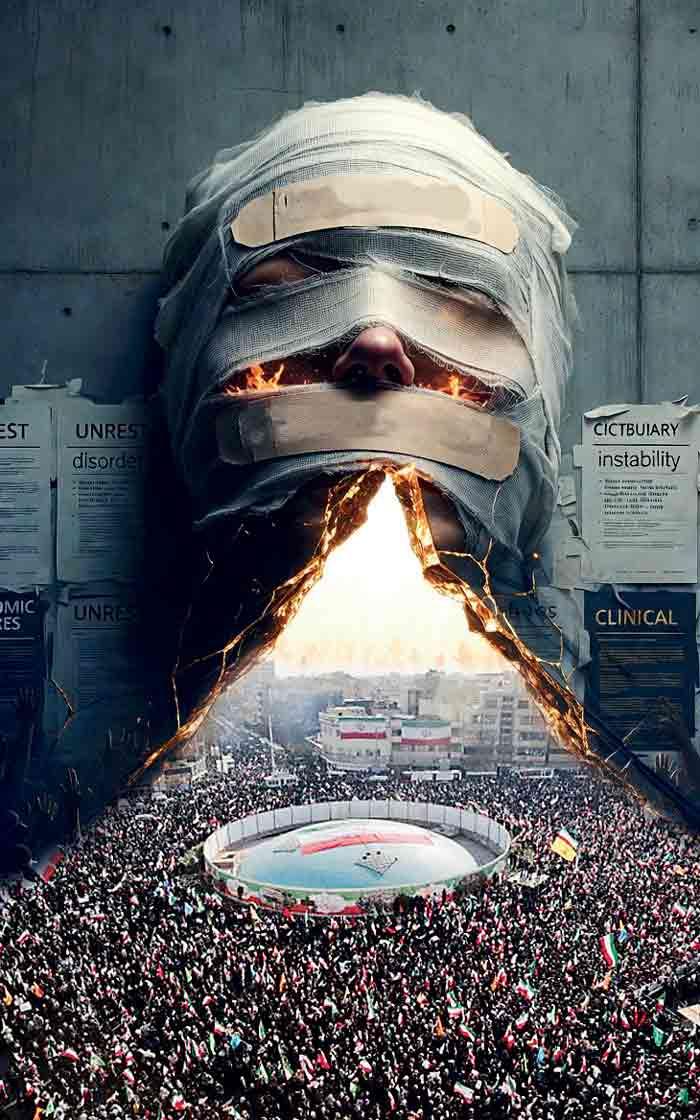
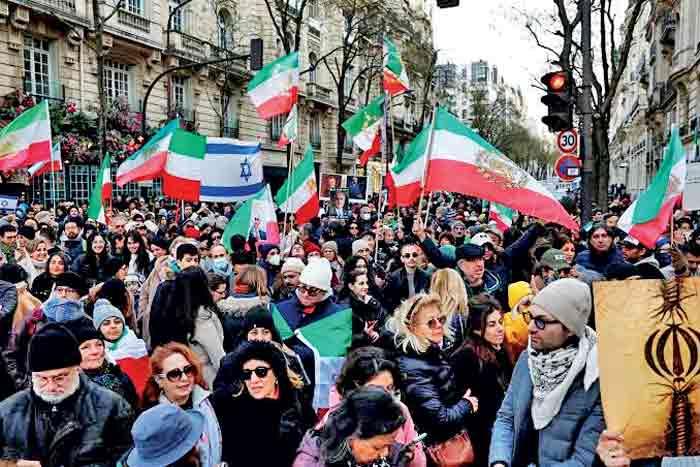
 The easiest way for governments and global media to dilute a crisis is to rename it. So, Iran is not burning. It is facing “unrest.” People are not being shot. There is a “crackdown.” A population is not suffocating. There are “economic pressures.” Language, when used carelessly or politically, becomes violence’s most loyal accomplice. What is unfolding in Iran right now is not spontaneous chaos or foreign-instigated disorder, no matter how loudly Tehran insists otherwise. It is a long, accumulated rupture. One that has been forming quietly under sanctions, mismanagement, moral policing, censorship, and a leadership that treats dissent as treason and desperation as disloyalty. And this is not new. It is only louder now.
What People Are Really Protesting
Yes, the immediate spark was economic. Runaway inflation. A collapsing currency. Food prices that make survival feel like a daily negotiation. Youth unemployment that mocks education. Workers unpaid for months. Shopkeepers closing shutters not in protest but in defeat. But to reduce this movement to “bread and butter” issues is intellectually dishonest.
People do not risk bullets, imprisonment, and disappearance over inflation alone. They do so when dignity has been systematically stripped away. When the state demands obedience without accountability. When morality is enforced violently while corruption is rewarded generously. Iran’s streets today carry slogans that no longer ask. They accuse. They reject. They mourn. They rage. This is no longer a protest asking the government to fix things. It is a protest questioning whether this government deserves to exist at all. That distinction matters.
The State’s Response Tells the Real Story
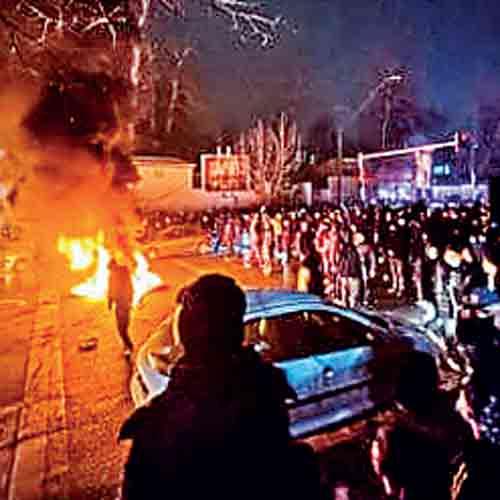
Governments confident in their legitimacy do not shut down the internet. Iran did. Entire provinces plunged into digital darkness. Messaging apps throttled. VPN usage criminalized. Journalists silenced not by rebuttal but by disconnection. Families unable to locate loved ones. Doctors unable to report injuries. Deaths reduced to rumours because documentation itself has been outlawed. Then came the familiar choreography of repression. Live ammunition. Tear gas. Water cannons. Mass arrests. Night raids. Forced confessions. Threats of executions delivered as “warnings.” Hospitals reporting gunshot wounds to the eyes, a detail that should chill anyone who understands what deliberate maiming signifies. This is not crowd control. This is deterrence through terror. When a state shoots to blind, it is not trying to restore order. It is trying to erase witnesses.
The Myth of Foreign Meddling
Every authoritarian regime eventually blames outsiders. It is the final refuge of failed leadership.
Iran’s official narrative insists these protests are Western-backed, Zionist-engineered, or digitally manufactured. This framing is not meant to convince the public. It is meant to justify brutality.
But hunger does not require CIA funding.
Grief does not need foreign coordination.
Humiliation does not arrive via encrypted apps.
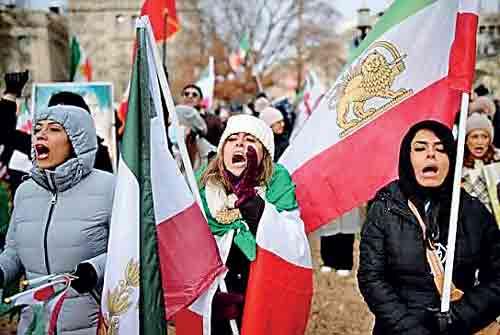
The sheer geographic spread of the protests, cutting across class, ethnicity, and ideology, makes the “foreign hand” argument collapse under its own absurdity. This is not an elite movement. This is not a social media trend. This is a population pushed past endurance.
International Sympathy Without Consequence
The world, predictably, is outraged in words and cautious in action. Statements are issued. Condemnations are voiced. Human rights violations are “noted.” Leaders tweet solidarity while continuing negotiations that treat the Iranian state as a rational actor rather than a violent suppressor of its own people. There is a cruel irony here. Iran is sanctioned to the brink, yet its leadership remains insulated. The ones paying the price are ordinary citizens. Sanctions have weakened civil society far more effectively than they have weakened the regime. And now, those same civilians are being told their suffering is geopolitically necessary. Moral clarity does not live in press briefings. It lives in choices. And so far, the international community has chosen distance.
Why This Feels Familiar to Sri Lankans
Sri Lanka is not Iran. Any comparison must be careful.
But to pretend there are no resonances would be dishonest. Sri Lankans know what it feels like when economic collapse becomes political awakening. We know how queues turn into questions. How shortages become symbols. How trust erodes quietly until one day it collapses loudly. We saw it in 2022. Not in the same scale of repression, but in the same emotional grammar. A population exhausted by mismanagement. Leaders refusing accountability. Blame shifted endlessly. Protesters dismissed as destabilizers. Patriotism weaponized to silence dissent. And yet, Sri Lanka’s story diverges at a crucial point. When Sri Lankans took to the streets, the state did not plunge the country into total digital darkness. Journalists could report. Protesters could organize. Courts still functioned, imperfectly but visibly. That difference matters more than we often acknowledge. Iran shows us what happens when even those fragile safeguards are removed.
Protest Is Not the Problem. Suppression Is.
One of the most dangerous narratives emerging globally is that protests themselves are destabilizing. That they scare investors. That they weaken nations. That they must be controlled for the greater good.
This logic inverts reality. Protests are symptoms, not diseases. They erupt when systems fail to absorb grievance through institutions. When elections feel performative. When accountability is selective. When power becomes hereditary in everything but name. Suppressing protest does not restore stability. It delays collapse while increasing its violence.
Iran’s leadership is not preventing chaos. It is storing it.
The Cost of Silence
There is a temptation, especially for journalists outside the region, to tread lightly. To avoid “taking sides.” To cloak moral judgment in false balance. But neutrality in the face of state violence is not professionalism. It is abdication. To report responsibly does not mean flattening reality into symmetrical narratives. It means recognizing power asymmetry. A protester throwing a stone and a state firing live ammunition are not equal acts. A slogan and a sentence of death are not equivalent provocations. Journalism is not about appearing calm while people bleed. It is about telling the truth clearly enough that indifference becomes impossible.
What Iran Is Teaching Us
Iran is not an isolated case. It is a case study. It shows what happens when governments prioritize control over consent. When ideology outruns governance. When morality is enforced without justice. When dissent is criminalized long enough that it radicalizes.
It also exposes a global failure. One where human rights are defended rhetorically but traded quietly. Where strategic interests mute outrage. Where suffering is tolerated as long as it remains contained within borders. But suffering never stays contained.
A Final, Uncomfortable Truth
The people of Iran are not asking the world to save them. They are asking the world to stop pretending this is normal. They are asking journalists to call repression what it is. They are asking governments to stop laundering brutality through diplomacy. They are asking us to remember that stability reminds us of order only when we are not the ones being crushed by it. History will not ask who issued the best statement.
It will ask who saw clearly and spoke anyway. And that is the only responsibility that matters.